Great Pyramid of Giza Guide: An Insider's Honest Look
Plan your visit to the Great Pyramid of Giza with real prices, insider access tips, and the honest details no guidebook tells you. Updated for 2024.
Audio Guide: Great Pyramid of Giza Guide: An Insider's Honest Look
Quick Facts
- Best time to visit
- October to February for comfortable temperatures (15 to 25 degrees C). Avoid June to August unless arriving before 8am.
- Entrance fee
- Site entry: EGP 450 (approx. $9 USD). Great Pyramid interior: EGP 700 (approx. $14 USD). Khafre interior: EGP 450 (approx. $9 USD). Solar Boat Museum: EGP 150 (approx. $3 USD). Students 50% with ISIC.
- Opening hours
- Daily 8:00am to 5:00pm year-round. Ticket office opens at 8:00am. Interior pyramid tickets limited daily, sold at separate booth.
- How to get there
- Uber/Careem from central Cairo: EGP 150 to 250 (approx. $3 to $5), 30 to 50 min. Metro to Giza station then microbus: EGP 10 to 15 total, 90 min. Use eastern Visitor Center entrance, not Mena House road.
- Time needed
- 3 hours minimum for plateau only. Full day (6 to 8 hours) if including Great Pyramid interior, Solar Boat Museum, and Sphinx enclosure.
- Cost range
- Budget (site entry, no interiors): EGP 500 to 800. Mid-range (entry plus one interior, lunch): EGP 1,800 to 2,500. Private guided tour: USD 80 to 150 per person.
Great Pyramid of Giza Guide: An Insider's Honest Look
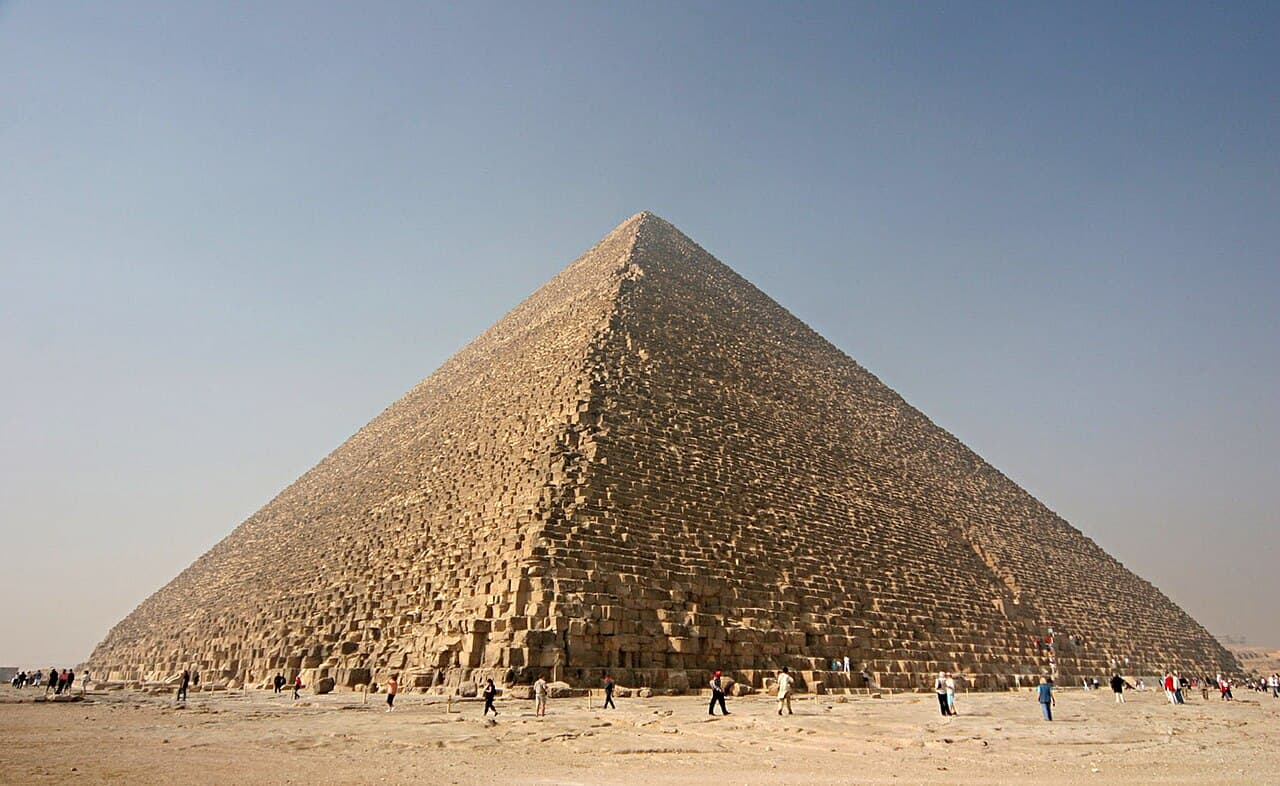
The first thing that disorients you is the scale. You have seen the photographs a thousand times, and your brain has filed the pyramids somewhere between logo and landmark. Then your taxi crests the overpass on Pyramids Road and the Great Pyramid fills the windshield, its limestone casing blocks stacked at an angle that makes no architectural sense to a modern eye, and your brain simply refuses to process it. That is not awe manufactured by a tourism board. That is your nervous system encountering something genuinely outside its reference points.
Khufu's pyramid is 146 metres tall, or was before erosion shaved it down to roughly 138 metres. It was the tallest structure on earth for nearly 4,000 years. The core is made from an estimated 2.3 million blocks of limestone and granite, some weighing up to 80 tonnes. These are facts you can read anywhere. What the facts do not prepare you for is the texture of the thing: the honey-and-grey colour of the Tura limestone in the flat noon light, or the way the shadow side turns almost purple at dusk, or how the base of a single casing block is roughly level with your chest.
This guide is for people planning a real visit, not a fantasy one. Prices, queues, touts, heat, interior access, and what actually makes the difference between a frustrating morning and a genuinely memorable one.
---
Quick Facts
Best time to visit: October to February, when daytime temperatures stay between 15 and 25 degrees Celsius. Avoid June through August unless you arrive before 7am. Entrance fees (2024): Site entrance: EGP 450 (approx. $9 USD). Interior of the Great Pyramid (Khufu): EGP 700 (approx. $14 USD). Khafre pyramid interior: EGP 450 (approx. $9 USD). Solar Boat Museum: EGP 150 (approx. $3 USD). Students with valid ISIC cards pay 50% on most tickets. Prices have increased significantly since 2022 and will likely continue to do so. Opening hours: Daily 8:00am to 5:00pm (October to April), 8:00am to 5:00pm (May to September, though some sources list 7:00am entry in summer). The ticket office opens at 8:00am sharp. Arriving at 7:45am positions you at the front of what becomes a substantial queue by 8:30am. How to get there: Uber or Careem from central Cairo typically costs EGP 150 to 250 (approx. $3 to $5). The official site address for ride apps is "Pyramids of Giza Visitor Center" on the eastern side. Cairo Metro to Giza station, then microbus or taxi (EGP 20 to 40) takes about 90 minutes total from central Cairo. Horse and camel touts near the northern entrance are not official transport. Do not negotiate with anyone outside the main ticket gate. Time needed: 3 hours minimum for the Giza plateau alone. Allow a full day if you plan to enter the Great Pyramid interior, visit the Solar Boat Museum, and walk to the Sphinx viewpoint. Combining with Memphis and Saqqara requires a private car and a full 8 to 10 hour day. Cost range: Budget day (site entry only, no interiors, street food): EGP 500 to 800. Mid-range (entry, one interior, lunch at Khufu's restaurant): EGP 1,800 to 2,500. Guided private tour from Cairo with licensed Egyptologist: USD 80 to 150 per person.
---
How to Buy Tickets Without Getting Cheated
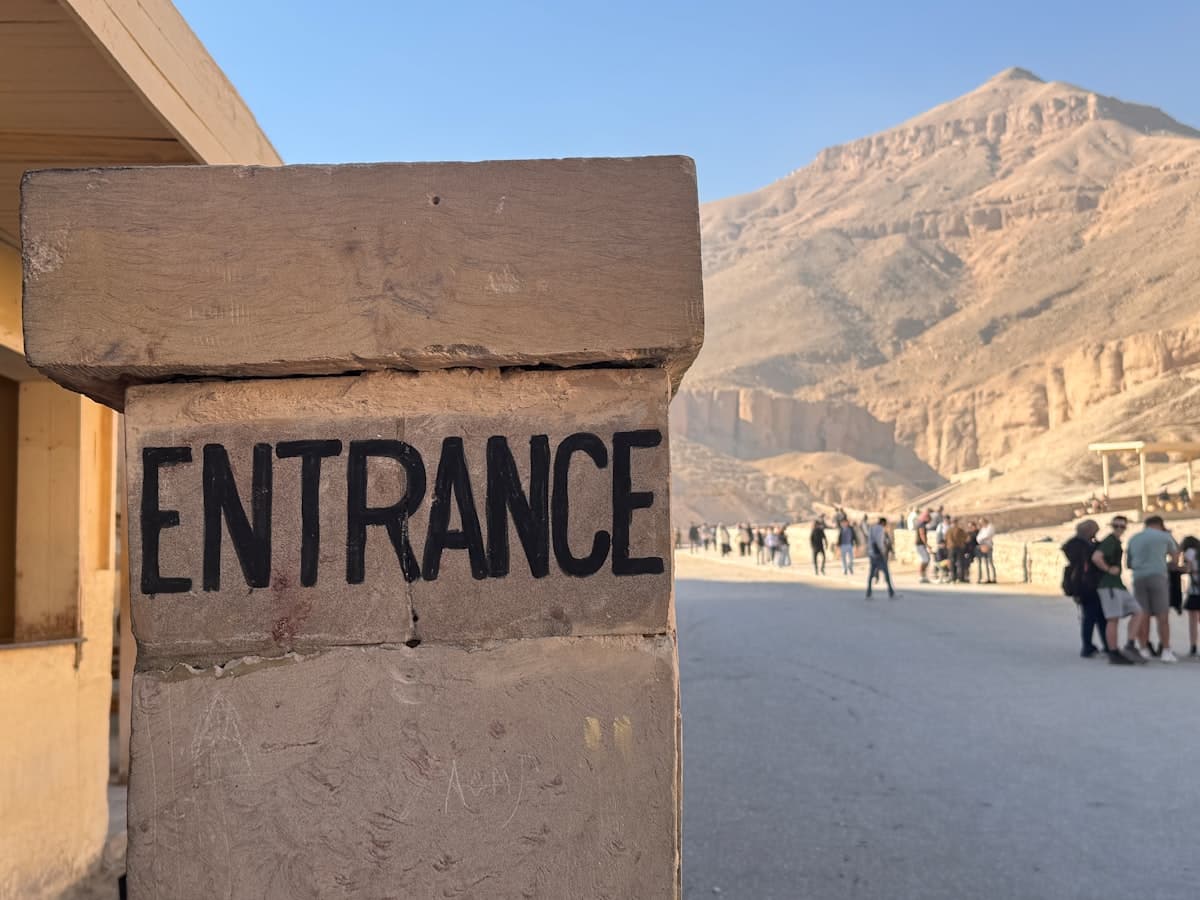
Buy every ticket at the official glass-fronted ticket office on the eastern side of the plateau, near the main visitor entrance on Sphinx Square. You will find it before you pass through the turnstiles. This is the only legitimate ticket source on site.
There are three separate tickets you may want: the general site admission (required for everyone), the interior passage ticket for Khufu's Great Pyramid (separate queue, separate booth, limited daily numbers), and the Solar Boat Museum ticket (sold at the museum entrance).
The interior of the Great Pyramid sells a limited number of tickets per day, split between morning and afternoon allocations. In high season (November through February, and all of March), morning slots regularly sell out before 9:30am. If entering the interior is a priority, go directly to that specific booth before anything else, even before you look at the pyramids.
Touts near the northern Mena House entrance will offer to take you inside for a fee and tell you tickets are sold out at the main office. This is almost always a lie designed to redirect you to their commission-earning arrangement. Walk to the main ticket office and check yourself.
---
Inside the Great Pyramid: What the Passage Is Actually Like
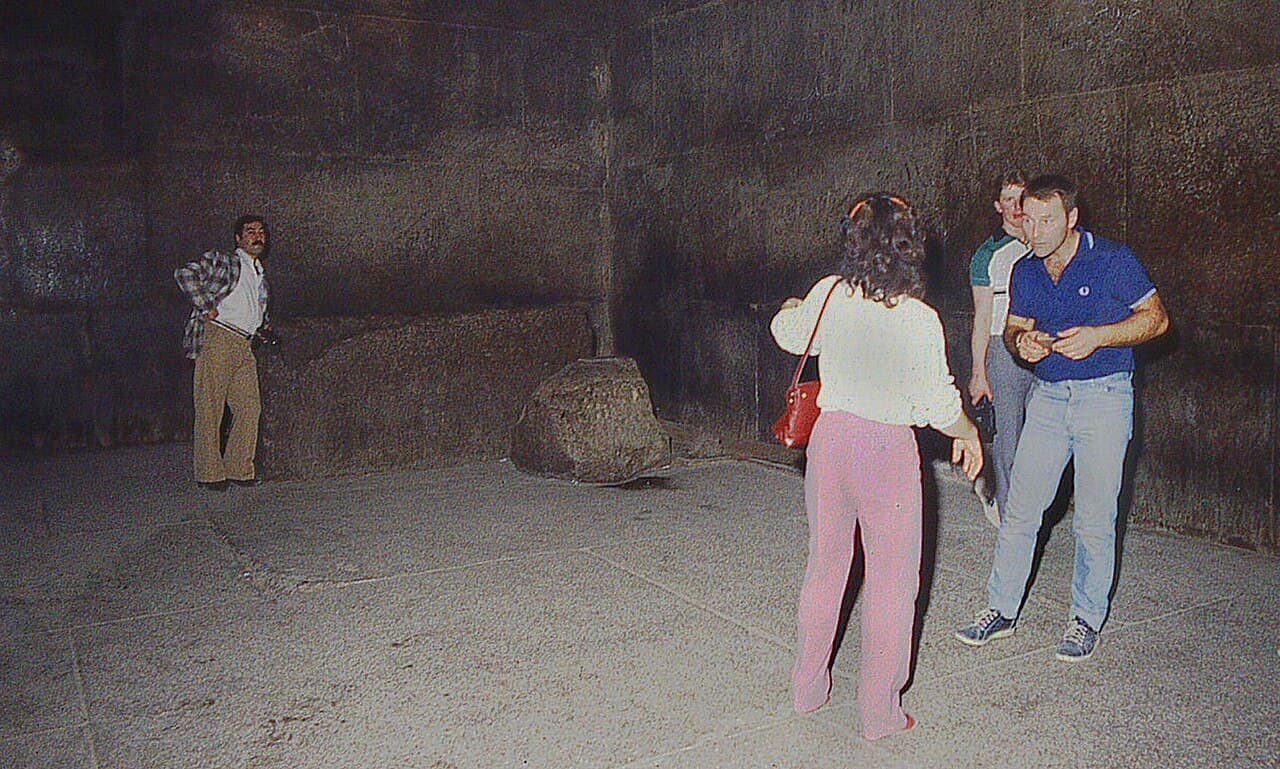
The interior of Khufu's pyramid is not for everyone, and this guide will not pretend otherwise. The ascending corridor leading to the Grand Gallery is roughly 1.2 metres high and requires sustained, forward-leaning movement with your hands on your knees. The air inside is warm, dense, and carries the mineral smell of ancient stone mixed with the exhalations of dozens of visitors. It is not dangerous, but if enclosed spaces at a steep angle cause you anxiety, skip it without guilt.
The Grand Gallery itself is something else entirely. It rises to about 8.5 metres, corbelled limestone walls converging overhead in a way that feels inexplicably deliberate, like the interior of a thought rather than a building. The King's Chamber at the top is granite throughout: floor, ceiling, walls. The sarcophagus of Khufu sits open in the far corner. There are no paintings, no inscriptions, no decoration of any kind. The silence in there, muffled by four and a half thousand years of stone, is unlike anything else in Egypt.
Wear flat-soled shoes with grip. The wooden ramps are polished smooth by millions of visitors. Carry a small bottle of water but finish it before you enter; there is no comfortable way to drink inside the ascending corridor.
---
The Plateau Beyond the Postcard
Most visitors spend their entire time at the eastern base of Khufu's pyramid, where the tour buses stop. If you walk west and slightly south, away from the crowds, the plateau opens into something quieter and more honest. From the southwestern corner, you see all three major pyramids aligned in their actual relationship to each other, and the scale hierarchy becomes clear: Khufu, then Khafre (slightly smaller but positioned higher, which creates the optical illusion of equal height), then Menkaure, noticeably smaller and flanked by three subsidiary queens' pyramids.
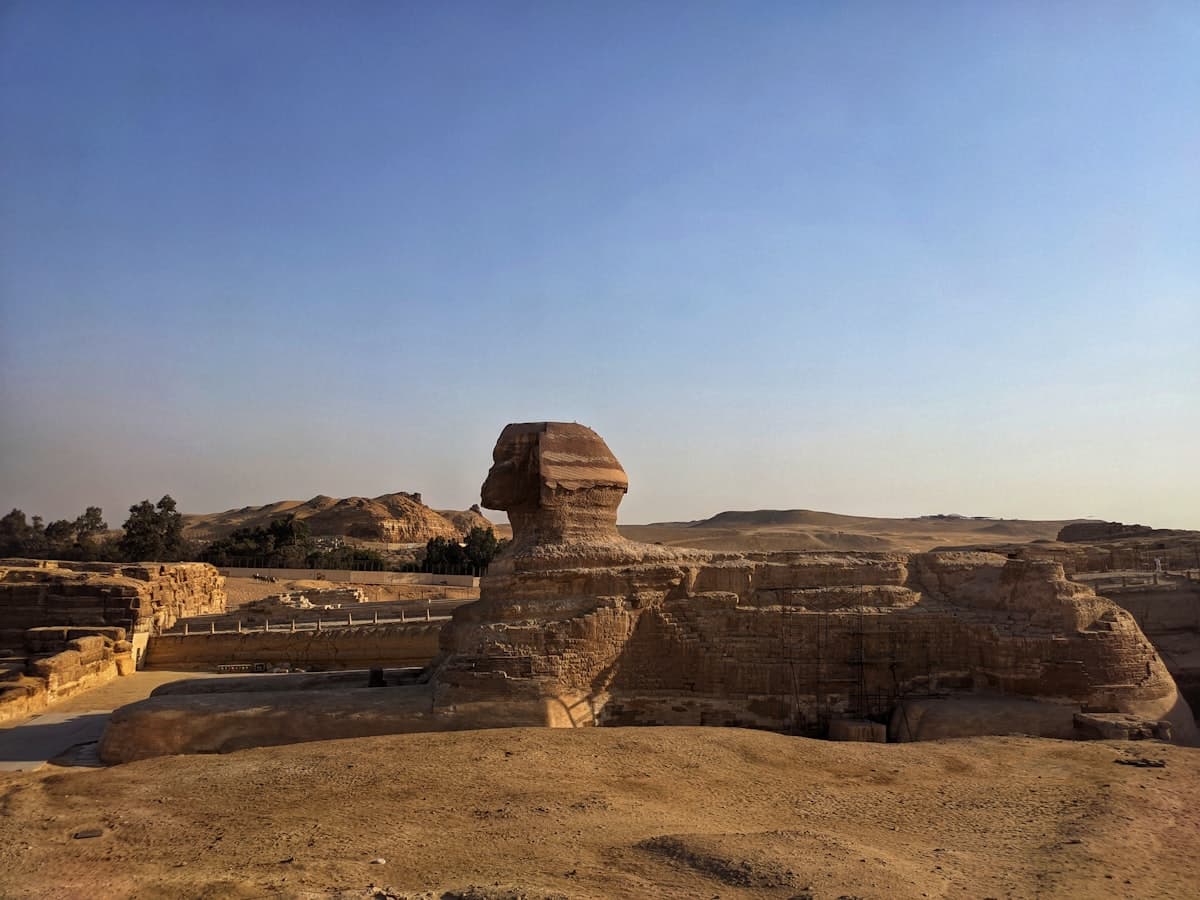
The Sphinx is not visible from inside the main plateau in the way photographs suggest. It sits in a depression to the east of Khafre's causeway. Reach it by walking south from the main entrance and following the paved path toward the Sphinx enclosure. The best viewing angle is from the panoramic terrace to the east, near the Sphinx temple. The second-best is from directly in front at ground level, where you are close enough to read the weathering patterns in the limestone body, the harder nummulitic limestone of the upper section contrasting with the softer, more eroded lower courses.
In the early morning, before the tour groups arrive, the Giza plateau carries sound differently. The wind crosses the limestone without interference, and the quality of light between 8:00am and 9:30am is low, warm, and specific to this latitude. I have been here more times than I can count, and that particular light still stops me.
---
Common Mistakes Tourists Make
1. Arriving by horse or camel from the northern entrance. The Mena House hotel road entrance leads you through an uncontrolled zone thick with touts offering rides. Many visitors end up paying inflated prices for transport they did not plan on, or get taken to a viewpoint on the western plateau and abandoned there until they pay a second time to be brought back.
2. Not budgeting separately for interior tickets. First-time visitors buy site entry and then discover the Great Pyramid interior costs separate, and they either did not bring enough cash or the morning allocation is sold out because they did not buy it first.
3. Booking a guided tour that includes the pyramids as a half-day stop. Tours that bundle Giza, Saqqara, Memphis, and the Egyptian Museum into a single day give you roughly 45 minutes at the plateau. That is enough time to feel rushed and nothing else.
4. Visiting midday in any month. Between 11:00am and 3:00pm the limestone reflects and amplifies heat in a way that is genuinely physically depleting. Even in January, the plateau at noon is significantly hotter than anywhere with shade or water nearby.
5. Ignoring the Solar Boat Museum. The full-scale cedar boat reassembled inside this climate-controlled building was found in a sealed pit at the base of Khufu's pyramid in 1954, disassembled into 1,224 pieces. The museum is rarely crowded, almost always cool, and contains something extraordinary: a 43-metre wooden boat built four and a half millennia ago, its joints still holding.
6. Assuming licensed guides standing inside the site are official. Egypt does require guides to be licensed, but many people operating inside the plateau hold old or informal credentials. If you want a genuinely informed Egyptological guide, book through your hotel, a reputable agency, or directly with a guide whose credentials and reviews you verified before arrival.
7. Photographing with a large drone without permits. Drone photography requires advance permits from the Egyptian government and is actively enforced at Giza. Equipment is confiscated. The fine is real. This is not a bluff.
---
Practical Tips
Clothing: Shoulders and knees should be covered as a matter of respect and practical comfort. Loose linen or cotton in light colours reflects heat. A hat with a brim is not optional between March and October.
Water: Bring more than you think you need. One litre per person per two hours is a reasonable minimum in warm months. Vendors on site sell water at markedly inflated prices, typically EGP 30 to 50 for a 600ml bottle.
Cash: The ticket office accepts cards, but the experience is smoother with cash. ATMs are available at the Sphinx Square entrance area and at the nearby Marriott Mena House. Carry small denomination EGP notes for any incidental purchases.
Photography: A standard camera or phone is included in your entry ticket. Tripods require a separate permit. Inside the Great Pyramid, some guards will ask for a photography fee that does not officially exist. Politely decline and keep moving.
Harassment: The plateau has improved significantly since the introduction of tourist police patrols and the centralised ticketing system. Persistent vendors still operate inside the site. A firm, non-aggressive "la shukran" (no thank you) in Arabic usually ends the approach. Do not make eye contact, do not take items handed to you, and do not engage with opening lines like "where are you from" from strangers near the monuments.
The Sound and Light Show: Runs most evenings at 6:30pm and 7:30pm. Tickets are approximately EGP 450 (approx. $9 USD). The narration is theatrical and the spectacle is undeniably effective as a way to see the monuments from the Sphinx terrace at night. Go in expecting entertainment rather than education and you will not be disappointed.
Combining with other sites: The Giza plateau pairs logically with the Egyptian Museum in Tahrir Square (40 minutes by taxi) or, better, with the Grand Egyptian Museum on the western ring road (15 minutes, and worth a full additional day on its own). Saqqara is 30 kilometres south by car.
Frequently Asked Questions
The Weekly Dispatch
More on Egypt, every Friday.
Cultural depth and places most guides never mention.
No spam. Unsubscribe anytime.