Your Egypt
Every culture has a thread that runs through Egypt.
Albania. Greece. France. Jewish history. Italy. Britain. These aren't just categories of tourism. They're the story of how the world has always been pulled toward this place, and what each encounter left behind.

Albanian
The man who built modern Egypt was born in Albania
Mohamed Ali Pasha arrived in Egypt in 1801 as part of an Ottoman-Albanian military force. Within four years he had outmaneuvered every rival and seized control of the country. He massacred the Mamluk ruling class at a single dinner, broke the Ottoman stranglehold, and turned Egypt into an independent industrial state. His mosque still dominates Cairo's skyline from the Citadel. His dynasty ruled until 1952.
Key sites
- ·Mohamed Ali Mosque, Cairo Citadel
- ·Al-Gawhara Palace
- ·Shubra Palace
- ·Abdeen Palace
Greek
Alexandria was Greek before it was anything else
Alexander the Great founded the city in 331 BC and never saw it finished. The Ptolemies, his Macedonian Greek successors, ruled Egypt for 300 years. They built the Great Library, the Lighthouse, and a court that spoke Greek and worshipped Egyptian gods simultaneously. Cleopatra VII was the first Ptolemaic ruler to bother learning Egyptian.
Key sites
- ·Bibliotheca Alexandrina
- ·Catacombs of Kom el Shoqafa
- ·Pompey's Pillar
- ·Greco-Roman Museum

French
Napoleon brought 160 scholars to decode Egypt
The 1798 French expedition was simultaneously a military invasion and a scientific mission. Napoleon brought mathematicians, engineers, naturalists, and artists. They documented everything. French soldiers found the Rosetta Stone at Fort Julien. The resulting Description de l'Égypte ran to 23 volumes and launched modern Egyptology as a discipline.
Key sites
- ·Rashid (Rosetta) city
- ·Institut d'Égypte site, Cairo
- ·Egyptian Museum (Egyptology roots)
- ·Alexandria's French quarter
Jewish
Cairo's hidden synagogue held 300,000 manuscripts
The Cairo Geniza, a storage room in the Ben Ezra Synagogue in Coptic Cairo, was sealed for approximately 1,000 years. When Cambridge scholar Solomon Schechter opened it in 1896, he found 300,000 manuscript fragments covering a millennium of Jewish life in Egypt and the Mediterranean. It rewrote the history of medieval trade, language, and religion.
Key sites
- ·Ben Ezra Synagogue, Coptic Cairo
- ·Cairo Jewish Quarter (Haret al-Yahud)
- ·Eliyahu Hanavi Synagogue, Alexandria
- ·Nabi Daniel Synagogue, Alexandria
Italian
In 1900, a third of Alexandria was foreign
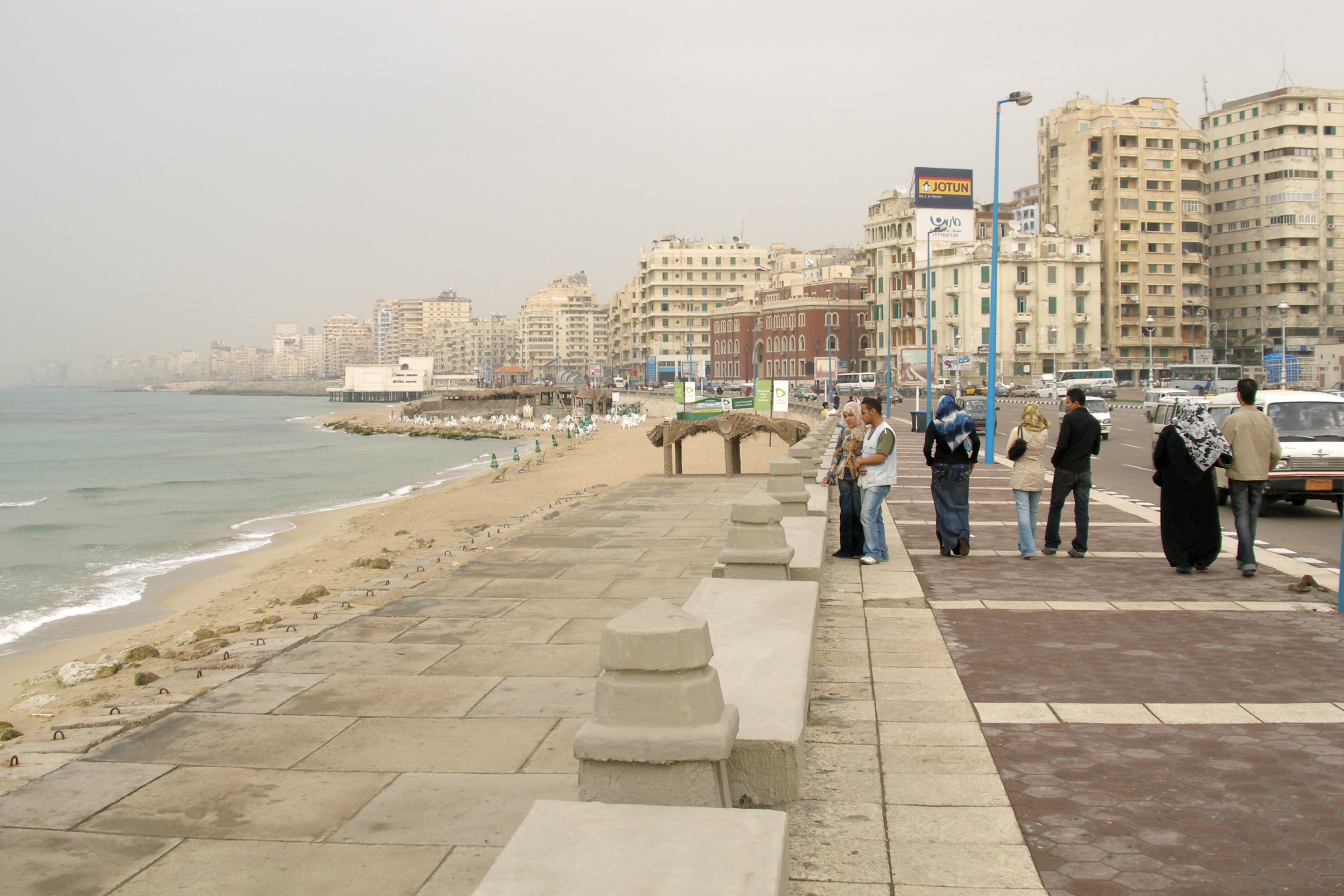
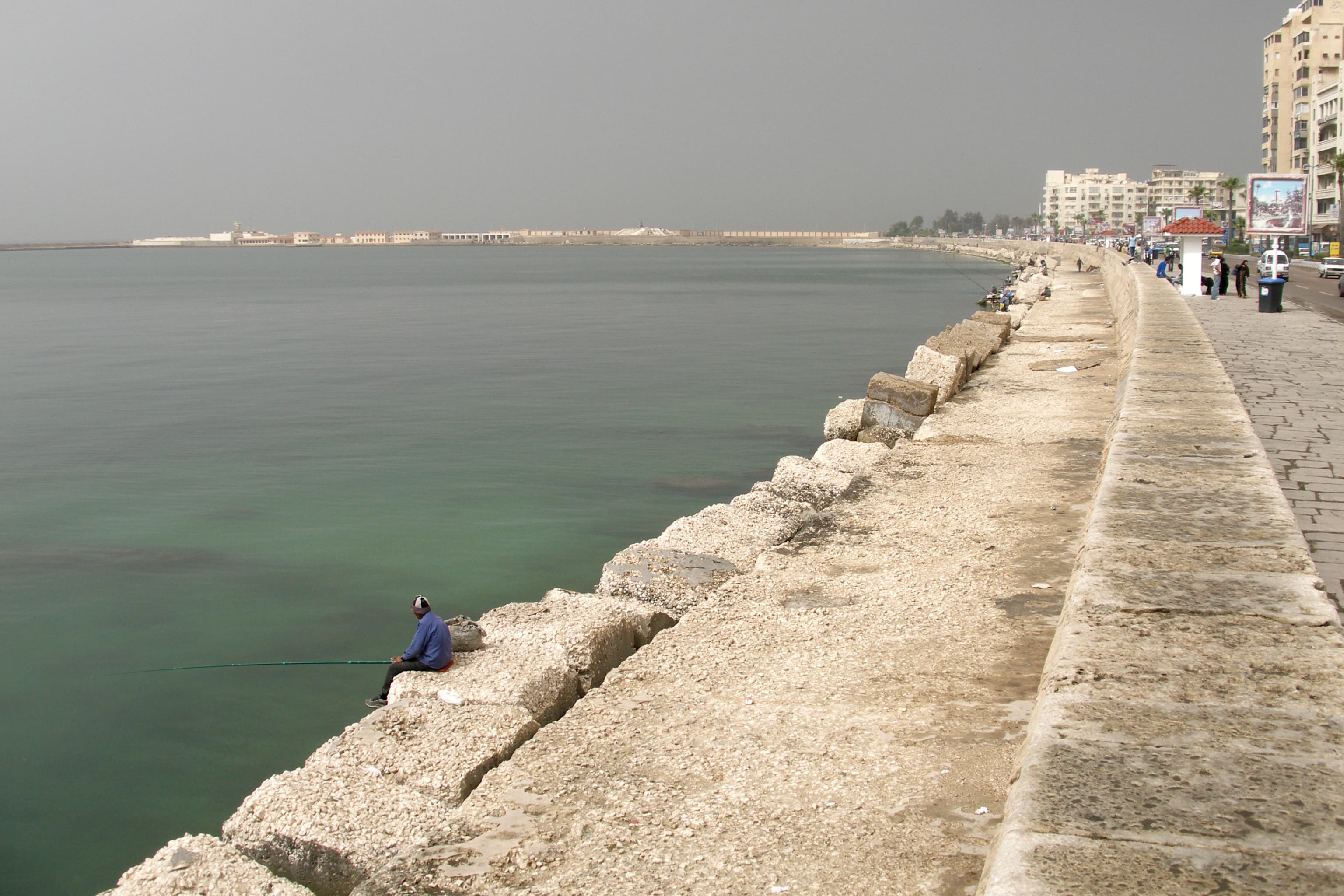
At its height in the early 20th century, Alexandria was home to large Italian, Greek, French, and Jewish communities. Italian architects designed its Art Deco waterfront. Italian merchants ran its cotton trade. The poet Constantine Cavafy, Greek Alexandrian, wrote about streets that are recognizably the same streets today. The novelist Lawrence Durrell called it the most cosmopolitan city in the world.
Key sites
- ·Stanley Bridge area, Alexandria
- ·Montaza Palace Gardens
- ·Corniche and waterfront
- ·Al-Anfushi neighborhood

British
Britain ran Egypt for 74 years without calling it a colony
From 1882 to 1956, Britain occupied Egypt while maintaining the fiction of Egyptian sovereignty. The British controlled the army, the finances, and the Suez Canal. The 1956 Suez Crisis, when Nasser nationalized the canal and Britain and France invaded, ended that chapter. The infrastructure, the contradictions, and the architecture all remain.
Key sites
- ·Suez Canal, Ismailia
- ·El Alamein War Cemetery
- ·Abdeen Palace, Cairo
- ·British-era downtown Cairo
Coming next
More connections in progress
Turkish, Armenian, Syrian, Sudanese, American, German. Egypt has touched every civilization. We're building the full picture.