
feluccas.com
Five thousand years. Seven civilizations. All still standing.
Most visitors see one Egypt. We'll show you all of them.
Guides written for people who want to understand Egypt, not just visit it.
The Weekly Dispatch — Egypt, once a week. Free.
History
Not one Egypt. Seven.
Most people visit Pharaonic Egypt. The other six civilizations are still standing.
3100-30 BC
The world's first nation-state
31 dynasties. 170 pharaohs. Writing, mathematics, and medicine invented from scratch.
332 BC-641 AD
When Egypt became the center of the ancient world
Alexander. Cleopatra. The Great Library. The Ptolemies ruled for 300 years and never learned Egyptian.
1st-7th century
The world's oldest continuous Christian community
The Holy Family came here. St. Mark founded the church in Alexandria. Coptic Christianity predates Rome's conversion by 250 years.
641-1250 AD
Cairo became the center of the Islamic world
The Fatimids built Al-Qahira. Al-Azhar University, founded in 970 AD, is the oldest university still operating on earth.
1250-1517 AD
The warrior-slaves who stopped the Mongols
Slave soldiers who overthrew their masters, halted the Mongol advance that had destroyed Baghdad, and built Cairo's finest architecture.
1517-1882 AD
The Albanian soldier who reinvented Egypt
Mohamed Ali seized power, massacred the Mamluks at a single dinner, and turned Egypt into a modern industrial state within a decade.
1882-present
Revolution, cinema, literature, the Arab Spring
Naguib Mahfouz won the Nobel Prize. Umm Kulthum's voice stopped cities. In 2011, Tahrir Square shook the world.
All eras →Full history guidePlaces
Where to go first

Cairo
20 million people, 5,000 years of history
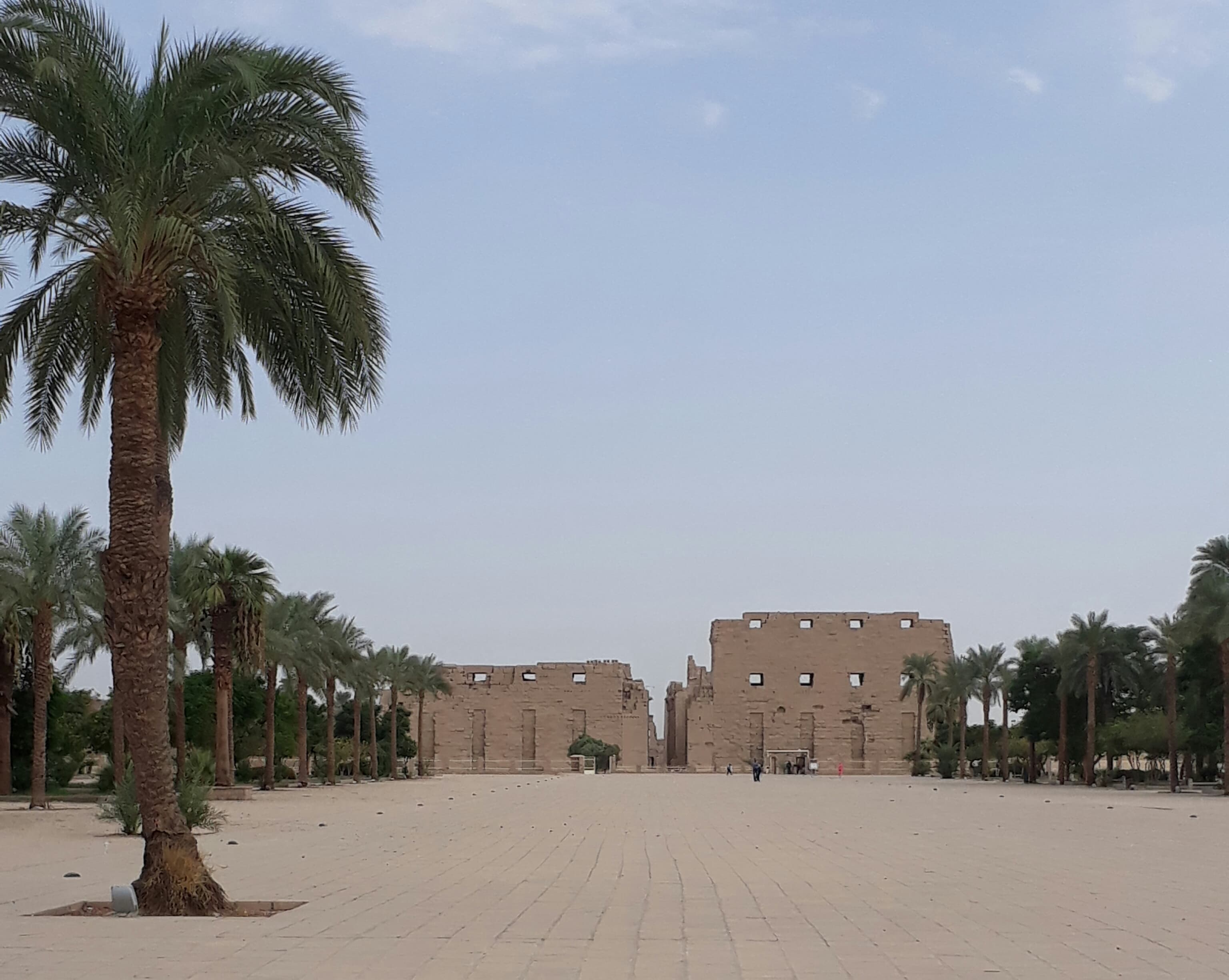
Luxor
The greatest concentration of ancient temples on earth
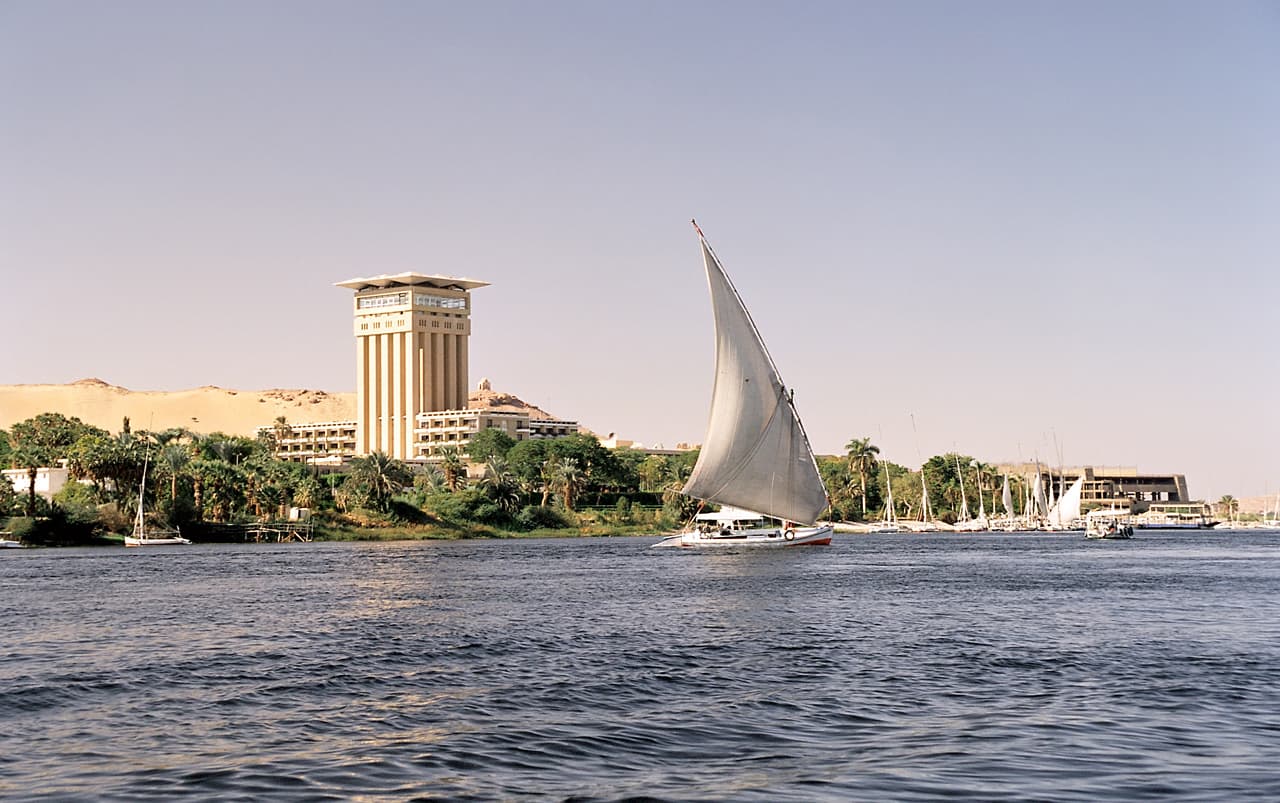
Aswan
Nubian culture and the slowest stretch of the Nile
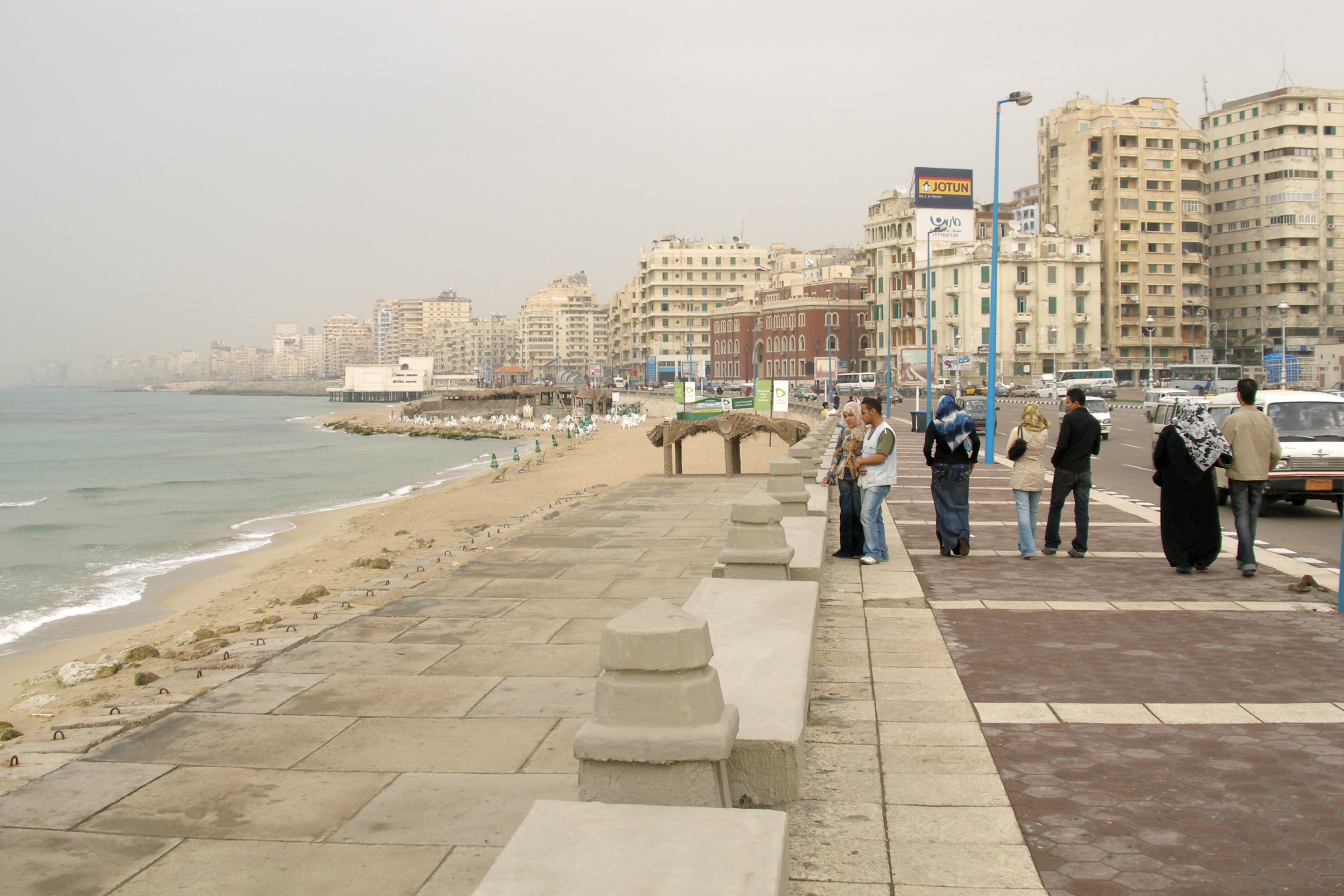
Alexandria
A Mediterranean city built on Greek and Roman foundations

Siwa
A Berber oasis that has barely changed in three thousand years

Dahab
Red Sea diving with an altitude of cool
Your Egypt
Every culture has a thread that runs through Egypt.
Albanian, Greek, French, Jewish, Italian, British. These aren't just tourist categories. They're the story of how the world has always been drawn here.

Albanian
The man who built modern Egypt was born in Albania
Mohamed Ali Pasha arrived as a soldier in 1801 and seized control of a country. His mosque still dominates Cairo's skyline.
Greek
Alexandria was Greek before it was anything else
Alexander founded it. The Ptolemies ruled it for 300 years. Cleopatra was Macedonian Greek and never learned Egyptian.

French
Napoleon brought 160 scholars to decode Egypt
The 1798 expedition launched modern Egyptology. French soldiers found the Rosetta Stone. The documentation filled 23 volumes.
Jewish
Cairo's hidden synagogue held 300,000 manuscripts
The Cairo Geniza, concealed in the Ben Ezra Synagogue for 1,000 years, rewrote the history of medieval Jewish life when it was discovered.
Italian
In 1900, a third of Alexandria was foreign
Italian, Greek, French, Jewish. The city's Art Deco seafront and faded cafes still hold the memory of the most cosmopolitan city in the Mediterranean.
British
Britain ran Egypt for 74 years without calling it a colony
From 1882 to 1956, a quiet occupation that shaped modern Egypt. The Suez Crisis ended it. The architecture and the contradictions remain.
Latest
Recently published

Battle of Ain Jalut: How the Mamluks Stopped the Mongols in Egypt
The Mongols had never lost a major battle before Ain Jalut. One Egyptian slave-soldier changed that in September 1260. Here is the full story.

Modern Egypt Revolution History: A Cairo Guide
Nasser's 1952 officers seized power without firing a single bullet. The king left with 204 pieces of luggage. Cairo still carries the whole story.

Nasser, the Suez Canal, and the History That Changed Egypt
Egypt nationalized the Suez Canal in 1956 with a single code word broadcast on radio. Within hours, a country reclaimed what 120,000 forced laborers had died to build.


The Weekly Dispatch
Egypt, once a week.
History, culture, and places most travel guides never mention — written for people who want to understand Egypt, not just visit it.
- In-depth cultural histories
- Hidden sites and practical tips
- New audio guides on release