Sidi Ibrahim al-Dessuqi Shrine: Egypt's Living Sufi Heart
Four million pilgrims descend on Dessuqi every year, yet almost no Western traveler has heard of it. This is Sufi Egypt at full volume.

Quick Facts
- Best time to visit
- October to March for climate. Sha'ban (Islamic calendar) for the Moulid, which draws two to four million pilgrims and is the core reason to come.
- Entrance fee
- Free entry to the shrine. Customary donation of EGP 20 to 50 (under $2 USD) for candles or offerings at the maqam.
- Opening hours
- Daily approximately 8am to 10pm. During the Moulid, open continuously around the clock for the full festival duration.
- How to get there
- Bus from Cairo Turgoman Station to Kafr el-Sheikh: EGP 60 to 90. Microbus Kafr el-Sheikh to Dessuqi: EGP 15 to 25. From Alexandria: bus from Moharem Bek Station, EGP 50 to 70. No direct train service to Dessuqi.
- Time needed
- 2 hours minimum on a quiet day. Full overnight stay essential during the Moulid to attend the Laylat al-Khatm.
- Cost range
- Budget EGP 300 to 600 per day outside Moulid. During Moulid, budget EGP 600 to 1,000 per day including accommodation in Kafr el-Sheikh.
Quick Facts
Best time to visit: October through March for comfortable temperatures. The Moulid of Sidi Ibrahim al-Dessuqi falls in the Islamic month of Sha'ban, roughly eight to ten weeks before Ramadan, which is when the city becomes something else entirely.
Entrance fee: The shrine itself is free to enter. Donations to the shrine custodians (khuddam) are customary but never compulsory. Budget EGP 20 to 50 (approximately $0.50 to $1.50 USD) if you want to light a candle or leave an offering at the maqam.
Opening hours: The shrine is open daily from approximately 8am to 10pm. During the Moulid it operates continuously around the clock for the duration of the festival, typically eight to twelve days.
How to get there: Dessuqi (also spelled Desouk or Desoouq) is a city in Kafr el-Sheikh Governorate in the Nile Delta, roughly 130km north of Cairo and 45km from Tanta. From Cairo's Turgoman Bus Station, direct service to Kafr el-Sheikh runs regularly for EGP 60 to 90 (under $3 USD). From there, a microbus or taxi to Dessuqi costs EGP 15 to 25. From Tanta, the journey is shorter: microbus to Dessuqi for EGP 10 to 15. If you are coming from Alexandria, direct buses operate from Moharem Bek station for EGP 50 to 70.
Time needed: Two hours is sufficient for the shrine and its immediate surroundings on a quiet day. During the Moulid, plan to stay overnight; the rituals accelerate after midnight and the most significant dhikr ceremonies begin well after 2am.
Cost range: Budget EGP 300 to 600 per day outside the Moulid. During the Moulid, accommodation prices in Dessuqi triple. Consider staying in Kafr el-Sheikh city, 15km away, and taking transport in.
---
Why This Place Matters
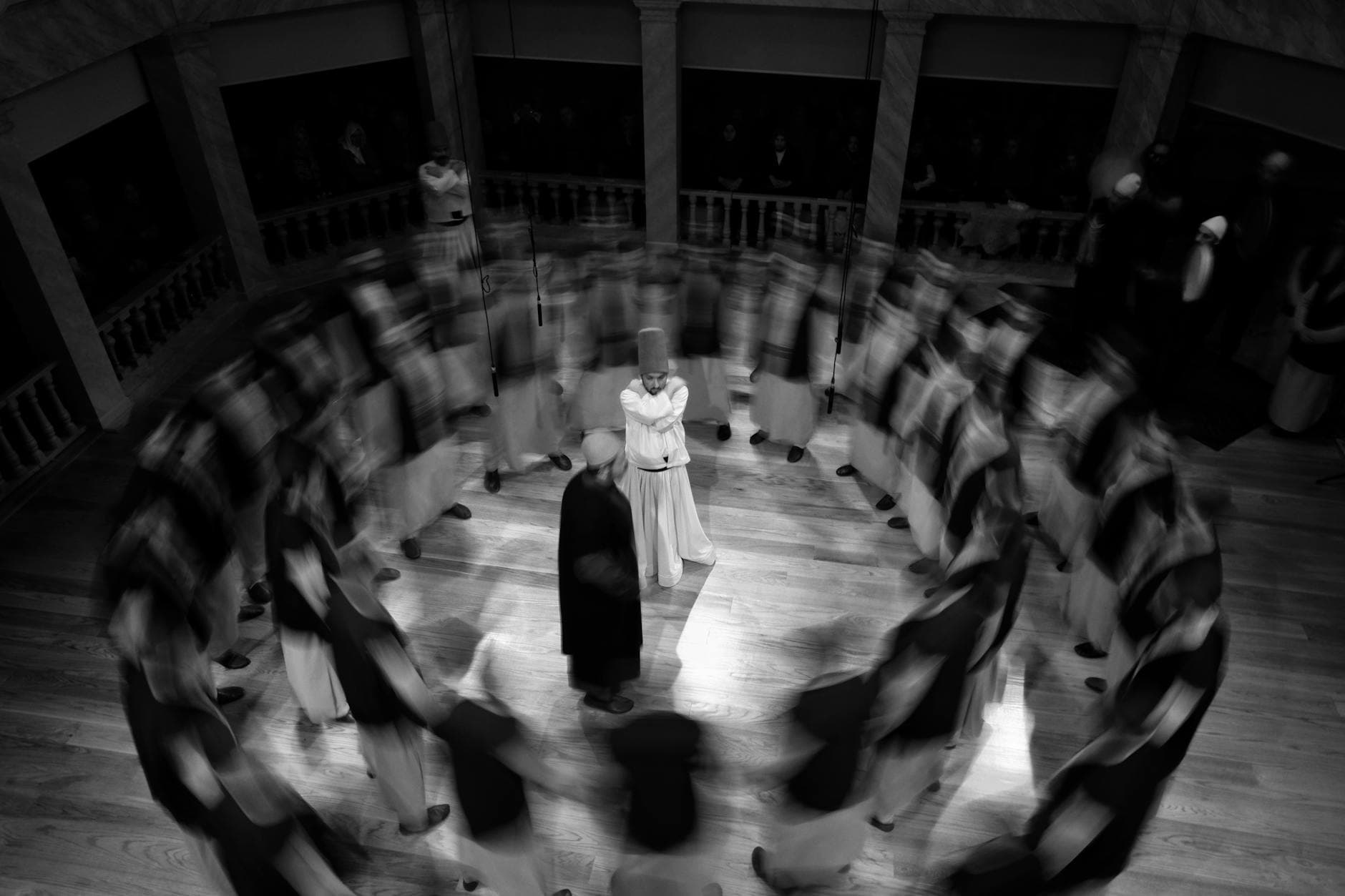
Most travelers who visit Egypt and claim an interest in Sufism go to Cairo's City of the Dead to find the shrine of Sayyida Nafisa, or they take the famous Thursday night dhikr at the Midan Hussein mosque. These are fine places. But they are also places where Sufism has been somewhat domesticated, smoothed into something the Egyptian Tourism Authority can photograph.
Dessuqi has not been smoothed.
Ibrahim al-Dessuqi was born in 1255 CE and died in 1288 CE, which means he lived only 33 years, the same lifespan traditionally attributed to Jesus, a coincidence his followers have never considered incidental. He is counted as one of the four Sufi Qutbs, or spiritual poles, the four saints believed to anchor the moral and metaphysical order of the Islamic world at any given moment. The other three are Ahmad al-Badawi of Tanta, Abd al-Qadir al-Jilani of Baghdad, and Ahmad ibn Idris of Morocco. That Dessuqi, a small Delta city, produced one of this global quartet is the fact that explains everything about why four million people still come here each year.
The city itself sits where a branch of the Nile once ran more vigorously before medieval silting redirected the flow. The ground beneath the shrine has been sacred in ways that precede Ibrahim al-Dessuqi by centuries. Archaeological surveys of the Delta have found evidence of late-period Pharaonic cult sites along this stretch of the western Delta, though the specific pre-Islamic history of this precise location has not been thoroughly excavated. What is certain is that the Delta's spiritual geography long predates the mosques built on top of it. The tradition of coming to this part of the Nile to ask for healing and intercession is older than Islam, older than Christianity in Egypt, possibly older than any institution still functioning in the country.
---
The Shrine and What You Will Actually See
The mosque that houses Ibrahim al-Dessuqi's tomb is not architecturally remarkable by Egyptian standards. It was substantially rebuilt in the nineteenth century under Khedive Ismail, who funded similar renovations at shrines across the Delta as part of his broader project of modernizing Egypt without fully Westernizing its spiritual landscape. The minarets are Ottoman-influenced but with Delta proportions, squatter and more grounded than the needle-thin towers of Mamluk Cairo.
What matters is not the architecture. It is the atmosphere inside.
The central hall surrounding the maqam, the tomb itself, is kept dim and fragrant with incense that is burned continuously. The smell is oud and frankincense mixed with something sweeter, ambergris by some accounts, though the recipe varies by family of custodians. The khuddam, the hereditary shrine servants, are drawn from families that have held these roles for generations. The position of chief custodian (sajjada, literally meaning the prayer mat) passes from father to son or designated heir within specific lineages, a practice that mirrors how Sufi orders have always transmitted spiritual authority.
The tomb itself is covered by a green silk kiswah embroidered in gold with Quranic verses and the names of God. Pilgrims press their hands against the wooden screen surrounding it. Some weep openly. Others stand in what can only be described as a state of suspended presence, neither praying in the formal sense nor doing anything else, simply standing in proximity to something they consider a living source of baraka, divine grace that is understood to flow from saints as naturally as heat flows from a fire.
If you arrive without understanding this concept of baraka, the scene will look to you like superstition. If you arrive understanding it, the scene will look like an extraordinarily sophisticated system for accessing states of consciousness that formal mosque prayer alone does not always reach. Both readings are honest. Egypt does not resolve this tension for you.
---
The Moulid: What Nobody Prepares You For
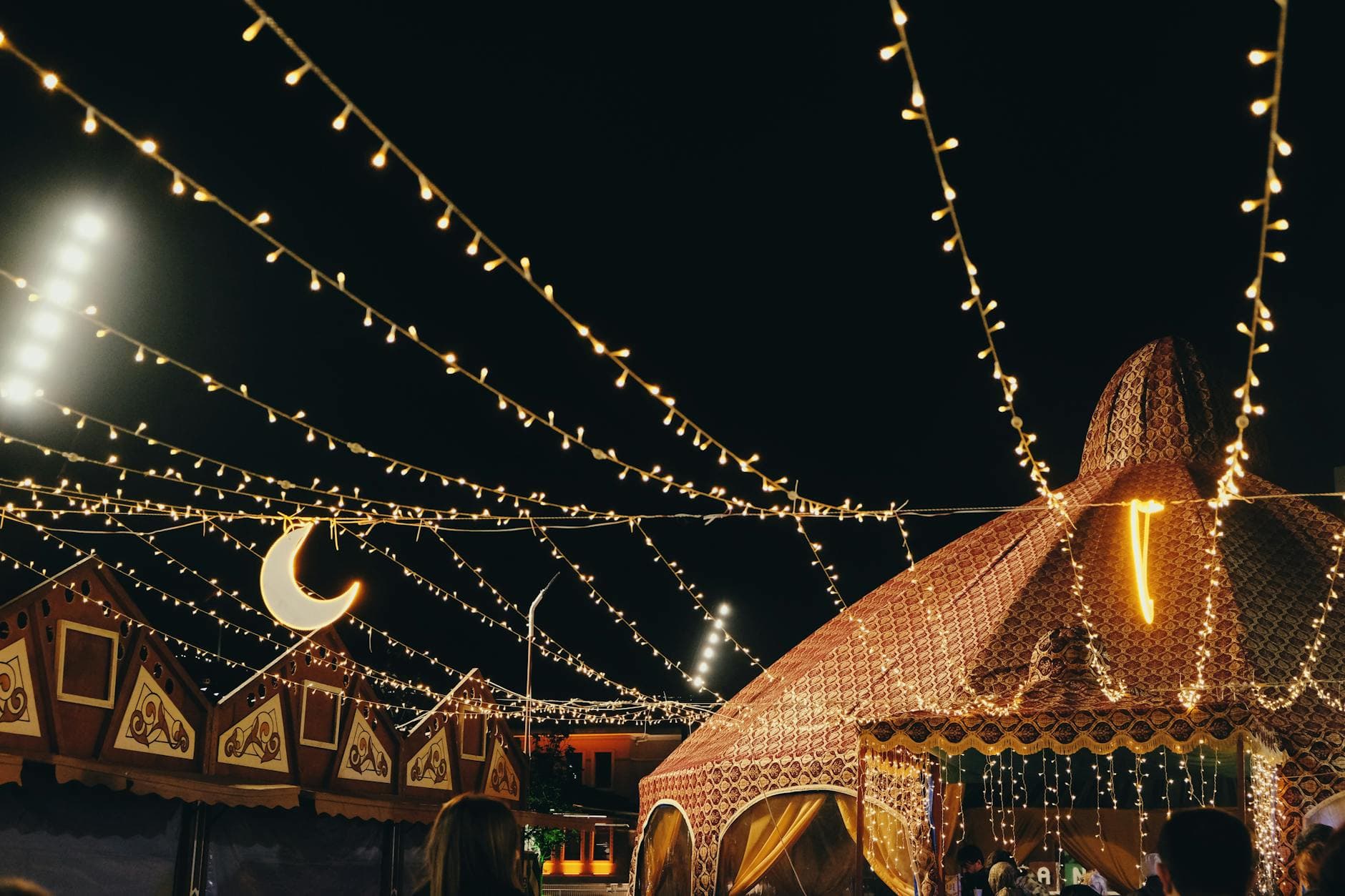
The Moulid of Sidi Ibrahim al-Dessuqi is one of the largest religious festivals in Africa. It regularly draws between two and four million attendees over its duration, making it comparable in scale to the Kumbh Mela or the pilgrimage festivals of Shia Islam, though it receives a fraction of the international coverage those events command.
Throughout the Moulid, different Sufi orders (turuq) establish their own tents and performance areas around the shrine. Each order has its own dhikr style. The Rifa'iyya are known for trance states that involve walking on hot coals or pressing metal skewers through the cheek, practices that outside observers invariably call self-harm and that practitioners consistently describe as demonstrations of the body's irrelevance when the soul is fully occupied with God. The Shadhiliyya perform a more contemplative dhikr, seated in rows, breathing in coordinated patterns that look, if you know anything about pranayama or Hesychast prayer, almost identical to techniques from entirely separate traditions.
The Qadiriyya order, named for Abd al-Qadir al-Jilani, one of Dessuqi's peer Qutbs, sings devotional poetry called madih in call and response format. The lyrics are in colloquial Egyptian Arabic, and some of the melodies are old enough that musicologists who have studied Delta folk music believe they encode melodic structures that predate the Islamic conquest of Egypt in 641 CE. This is impossible to verify definitively, but it is also impossible to disprove, which is exactly the position that most living traditions occupy.
The climax of the Moulid is the Laylat al-Khatm, the Night of Completion. This is when the formal rituals conclude and the dhikr reaches its highest intensity. It typically runs from around 11pm until dawn. If you attend only one night, attend this one.
---
The Connections
Dessuqi cannot be understood in isolation from Tanta, 45km to the southeast. The shrine of Ahmad al-Badawi in Tanta hosts what is generally considered Egypt's largest Moulid, drawing up to three million people to the city of Tanta itself, which has a normal population of around 400,000. Al-Badawi died in 1276 CE, roughly a decade before Dessuqi, and the two saints are considered spiritually proximate in ways their followers understand as more than metaphor. Many pilgrims visit both shrines in the same journey, tracing a Delta circuit that functions as a regional pilgrimage route entirely separate from the Hajj and largely invisible to international travel coverage.
This Delta Sufi circuit also connects to older networks. The ancient Egyptians organized major festivals at temple sites along the Nile that operated on almost identical principles: a sacred figure's power was localized at a specific site, pilgrims traveled from across the country, and the act of proximity to the sacred site was itself transformative regardless of any formal ritual performed there. The Opet Festival at Karnak, which saw Amun's sacred barque carried through crowds of tens of thousands, was structurally and functionally what the Moulid of Sidi Ibrahim al-Dessuqi is today. Egypt did not stop holding these events. It translated them.
The Kafr el-Sheikh governorate, which contains Dessuqi, was also part of the agricultural heartland that fed the construction projects of the New Kingdom. Delta grain surplus financed the temples of Upper Egypt. The people who built those temples and worshipped in them were, in regional demographic terms, the ancestors of the people pressing their hands against the tomb screen in Dessuqi today. Whether there is spiritual continuity alongside the biological continuity is a question Egypt invites you to sit with rather than answer.
---
Common Mistakes
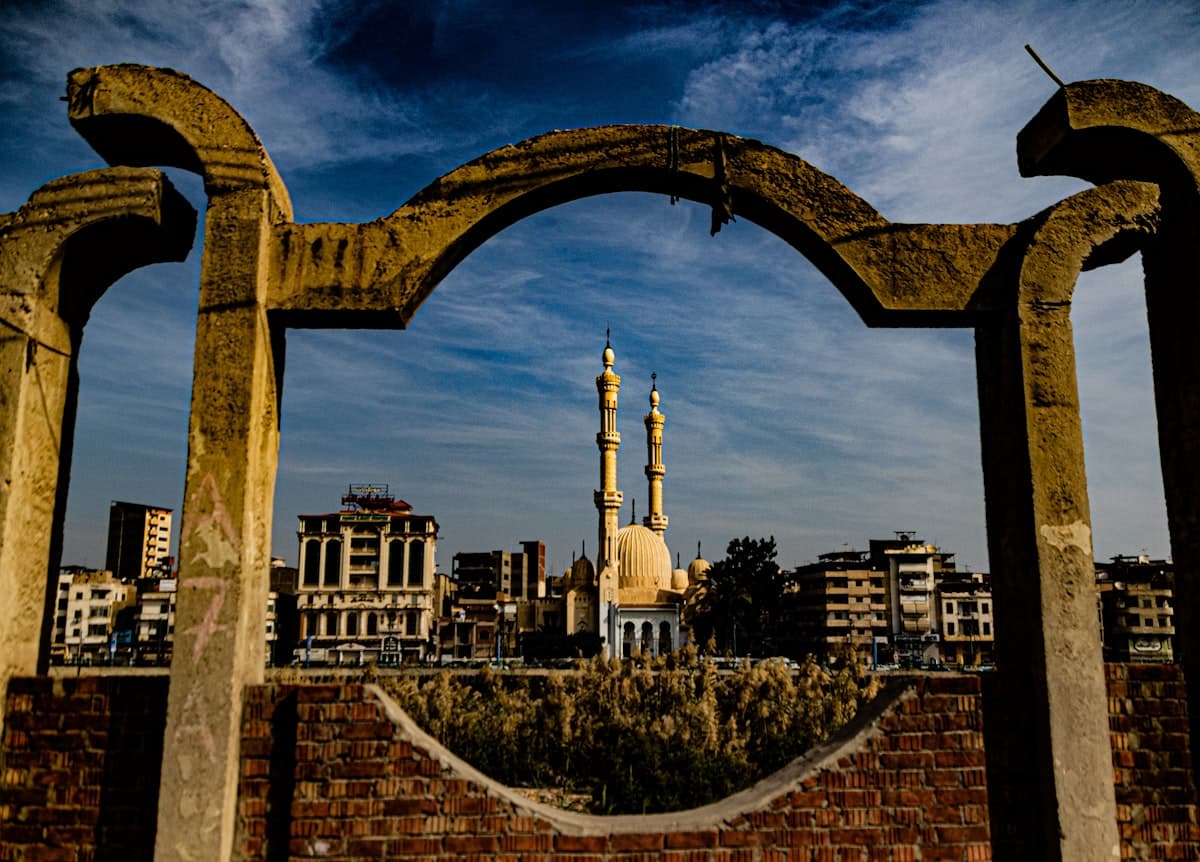
Going only for the architecture. Visitors who come with a checklist mentality will find the shrine's nineteenth-century exterior unremarkable and leave feeling they have wasted a trip. The shrine is not an architectural destination. It is an experiential and anthropological one. Adjust your expectations before you arrive.
Visiting only during the day. The spiritual intensity of Dessuqi is nocturnal. Daytime at the shrine is steady but quiet. After Isha prayer (approximately 8pm), the pace changes. The dhikr circles form. The incense thickens. This is when the place becomes what it actually is.
Treating the Moulid as a spectacle. The single most common mistake non-Egyptian visitors make is arriving with a camera phone extended, positioning themselves as observers of something exotic. Sufi pilgrims are not performing for you. They are engaged in sincere religious practice. Ask before photographing anyone. Accept refusals without pushing. Put the phone away more than you take it out.
Skipping Tanta and treating Dessuqi as a standalone day trip. The two shrines are 45 minutes apart. If you are making the journey from Cairo, visiting both on the same trip turns a three-hour round trip into a more complete understanding of Delta Sufi culture. The contrast between al-Badawi's massive urban shrine and Dessuqi's smaller, more intimate one illuminates both.
Paying for a tour package that includes Dessuqi. Several Cairo-based tour operators now offer Delta shrine tours for EGP 1,500 to 2,500 per person. These invariably rush you through both sites in a single afternoon, include a lunch stop at a restaurant that profits from tourist footfall, and provide a guide whose understanding of Sufi practice is surface-level. The public bus and microbus network gets you here for under EGP 200 round trip, and arriving independently means you control your own time.
Arriving during Ramadan expecting the Moulid. The Moulid falls in Sha'ban, the month before Ramadan, not during it. This is intentional: Ibrahim al-Dessuqi's followers hold that the Moulid celebrations are a preparation for the sacred month rather than a distraction from it. If you come during Ramadan expecting festival atmosphere, you will find a quiet shrine.
The sound and light show pitch. Local guides in the area sometimes offer evening walking tours that end with paid entry to a dhikr performance that has been arranged and shortened for tourist groups at a cost of approximately EGP 200 to 300. This is a managed version of something you can see for free by simply staying in the right place after dark. Decline politely.
---
Practical Tips
Dress conservatively in both directions: women should cover hair, arms, and legs inside the shrine; men should avoid shorts. This is not a request from tourist authorities. It is basic respect in a functioning place of worship that receives millions of genuine pilgrims annually.
Learn three words of Egyptian Arabic before you arrive: salamu alaykum (greeting), mumkin (may I, used before photographs or requests), and shukran (thank you). In a place as authentically local as Dessuqi, these three words will materially change how you are received.
Bring cash. The area around the shrine has small food stalls and shops selling religious items, and none of them take cards. EGP 200 in small bills is sufficient for a day.
If you have a genuine interest in Sufism, it is worth contacting the Egyptian Ministry of Awqaf (Islamic Endowments) or the Egyptian Sufi Federation before your trip. The Federation has offices in Cairo and occasionally facilitates introductions for researchers and serious visitors. This is not a tourist service; it is a request made through proper channels, and it should be treated accordingly.
The nearest reasonably priced hotels are in Kafr el-Sheikh city. Budget rooms run EGP 300 to 500 per night. During the Moulid, book at least three weeks in advance and expect to pay double.
Frequently Asked Questions
The Weekly Dispatch
More on Egypt, every Friday.
Cultural depth and places most guides never mention.
No spam. Unsubscribe anytime.