Sidi Ibrahim Dessuqi Shrine: Egypt's Living Saint Culture
Four million pilgrims visit Dessuqi's shrine annually. Most Egyptians consider him one of the four poles of the Islamic world. Most tourists have never heard of him.

Quick Facts
- Best time to visit
- During the moulid in the Islamic month of Rajab for the full festival experience. October to February for quieter visits with cooler Delta weather.
- Entrance fee
- Free. No admission charge to the shrine or mosque. Donations to the custodians are customary.
- Opening hours
- Daily from approximately 4am through late evening. No formal closing time for pilgrims. Most active after Fajr prayer and after Maghrib prayer.
- How to get there
- Bus from Cairo Turgoman station to Kafr el-Sheikh (EGP 80 to 100, approx. $1.60 to $2 USD, 2 hours), then microbus to Dessouk (EGP 10 to 15, 20 minutes). Train from Alexandria to Kafr el-Sheikh (EGP 25 to 60 depending on class, 90 minutes), then microbus.
- Time needed
- 1 to 2 hours for the shrine alone. Full day if visiting during moulid. Combine with Tanta's Ahmad al-Badawi shrine for a Delta pilgrimage circuit.
- Cost range
- Budget EGP 200 to 400 per day including transport, food, and basic accommodation. No mid-range or luxury options in Dessouk itself. Kafr el-Sheikh city has hotels from EGP 400 to 800 per night.
Sidi Ibrahim Dessuqi Shrine: Egypt's Living Saint Culture
Four million people visit Dessouk each year. For scale, that is roughly twice the annual visitors to Abu Simbel. The difference is that nobody writes about it in Western travel press, no tour operator packages it, and the pilgrims who fill the streets during the moulid of Ibrahim al-Dessuqi are not there for archaeology. They are there because they believe a thirteenth-century saint born in this small Delta city is still present, still listening, and still capable of interceding on their behalf. Egyptian Islam has always operated this way, and the shrine of Sidi Ibrahim al-Dessuqi is where you see it most clearly.
Quick Facts
Best time to visit: The moulid of Ibrahim al-Dessuqi falls in the Islamic month of Rajab, roughly seven months before Ramadan. The specific dates shift each year with the lunar calendar, but the week of celebration draws the largest crowds and the most extraordinary street rituals. Outside the moulid, the shrine is active but quieter, accessible any day.
Entrance fee: The shrine itself is free to enter. The mosque complex charges no admission. Donations are customary and appreciated.
Opening hours: The shrine mosque is open daily from before Fajr prayer (approximately 4am) through late evening. The tomb chamber is accessible during all prayer times. There is no formal closing hour for pilgrims, though the mosque custodians manage access during the busiest moulid nights.
How to get there: Dessouk is located in Kafr el-Sheikh Governorate in the Nile Delta, approximately 130 kilometers north of Cairo. From Cairo's Turgoman bus station, direct buses to Kafr el-Sheikh city run every two hours and cost around EGP 80 to 100 (approximately $1.60 to $2 USD). From Kafr el-Sheikh, shared microbuses to Dessouk cost EGP 10 to 15 and take twenty minutes. By train from Alexandria (Sidi Gaber station), the journey to Kafr el-Sheikh takes roughly ninety minutes; trains cost EGP 25 to 60 depending on class. From Kafr el-Sheikh station, take a microbus to Dessouk.
Time needed: The shrine itself takes one to two hours to visit thoughtfully. If you arrive during moulid week, budget a full day minimum. The city's rhythm during the moulid extends from early morning Sufi dhikr circles through the tent performances that continue past midnight.
Cost range: Budget travelers can do Dessouk on EGP 200 to 400 per day including transport, food from local kusheri and ful shops, and a simple room in one of the guesthouses near the shrine. There is no luxury accommodation in Dessouk. This is not a place that has been built for foreign tourists, which is entirely the point.
Why This Place Matters
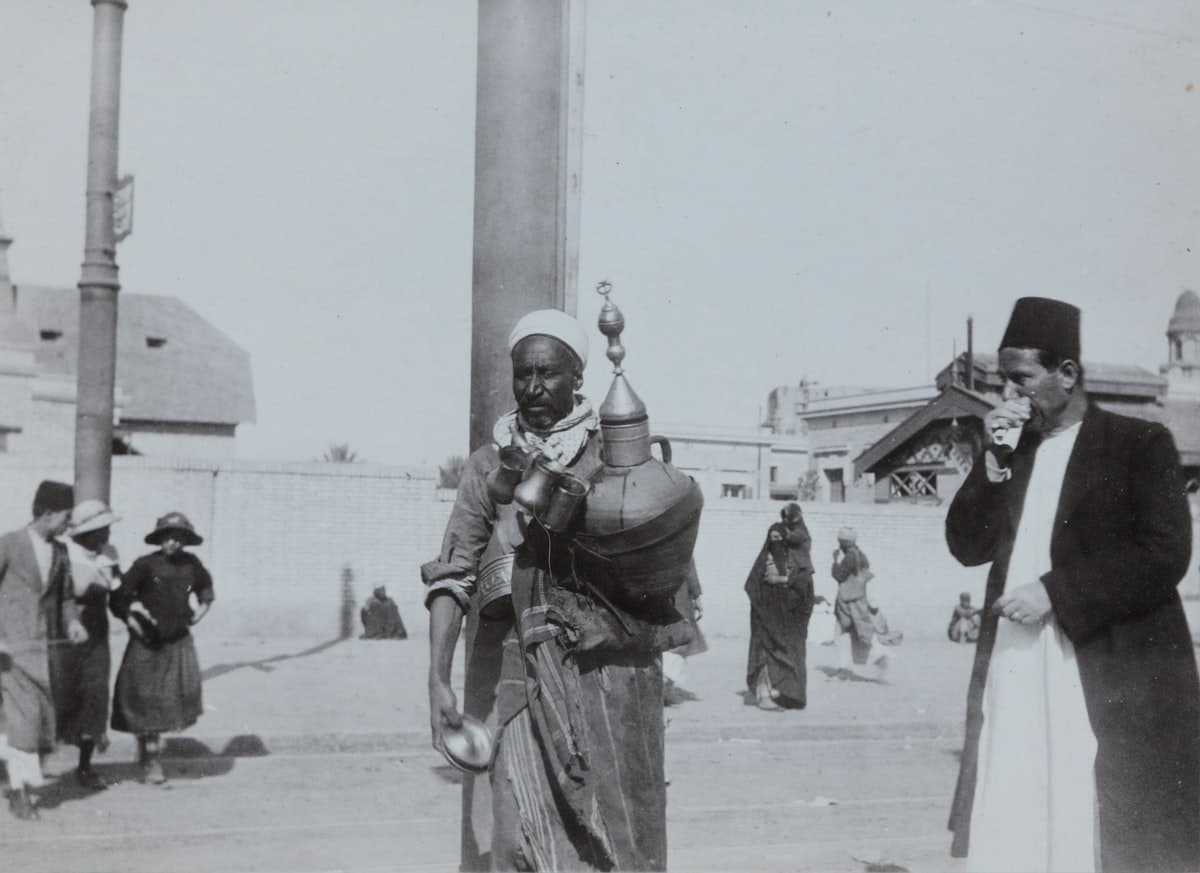
Ibrahim al-Dessuqi was born in 1246 CE and died in 1296 CE, living his entire life in the city that now bears his name. He is recognized in Sunni Islamic tradition as one of the four Aqtab, the poles or pillars of the Islamic world: the spiritual axes around whom the universe is said to rotate in each era. The other three are Abd al-Qadir al-Jilani of Baghdad, Ahmad al-Badawi of Tanta, and Ahmad ibn Idris. That Egypt holds two of the four poles (Dessuqi and Badawi) is a matter of enormous pride in Egyptian religious culture and almost entirely unknown outside it.
What most visitors to Egypt's Islamic sites miss is how the Sufi tradition shaped the physical landscape of Egyptian cities from the medieval period onward. When the Mamluk sultan Qalawun was building his famous complex in Cairo in 1284 CE, Dessuqi was alive and teaching fifty kilometers from the Delta coast. The Mamluk state was simultaneously the political structure that defeated the Crusaders, repelled the Mongols, and patronized the Sufi orders that produced figures like Dessuqi. His shrine is not separate from the Egypt of the pyramids or the Egypt of Saladin. It is the same civilization in a different register.
The current mosque structure dates largely from Ottoman-era renovations in the eighteenth century, with significant reconstruction in the nineteenth and twentieth centuries. The tomb chamber at its core, however, marks the original site of Dessuqi's burial, maintained continuously since 1296. That is 700 years of unbroken pilgrimage to one location in the Egyptian Delta.
What You Will See and Experience
The Shrine Complex
The mosque of Ibrahim al-Dessuqi sits at the center of Dessouk's old quarter, its green-tiled dome visible from several streets away. Green is the color of the Prophet's family in Islamic tradition, and nearly every major Sufi shrine in Egypt uses it. Inside the mosque, the tomb chamber is separated from the main prayer hall by carved wooden screens, mashrabiyya work that filters both light and the noise of the pilgrims pressing at the grilles. Visitors reach through the grilles to touch the tomb's covering cloth, a gesture that has no doctrinal basis in orthodox Islamic theology but has been practiced in Egyptian popular religion for centuries without interruption.
The smell inside the tomb chamber is specific: rosewater, incense, the collective warmth of many bodies in a small space, and something older underneath it all, the particular mustiness of a building that has been continuously inhabited by human devotion. It is not unpleasant. It is the smell of genuine use.
Along the mosque's outer walls, vendors sell items that tell you exactly what kind of place this is: green cloth printed with Dessuqi's names and epithets, small bottles of zamzam water and local rosewater blended together, amulets, and printed prayers attributed to the saint. This is not folk religion contaminating a pure practice. This is Egyptian Islam as it has always been practiced, a synthesis that predates Wahhabism's twentieth-century attempt to eliminate it.
The Moulid
The moulid of Ibrahim al-Dessuqi is one of the largest religious festivals in Africa. During its peak nights, the streets around the shrine are impassable without deliberate effort. Sufi orders, called turuq, arrive from across Egypt and from Sudan, Libya, and the Gulf, each identified by their distinctive colors and dhikr rhythms. The Burhaniyya order, the Shadhiliyya, the Khalwatiyya: they set up competing tents where all-night recitation circles produce a sound that is not music by Islamic legal definition but functions acoustically like it, repetitive, hypnotic, collectively generated.
If you attend the moulid, watch specifically for the hadra, the standing dhikr in which participants sway in unison while repeating divine names. The Dessuqi moulid's hadra circles can last six hours. Participants do not eat or sleep during the recitation. The physiological effects of extended group rhythmic breathing and vocalization are documented in medical literature. I spent the better part of my medical degree studying why it does what it does to the nervous system. Watching it happen in a tent in Dessouk is more instructive than anything I read in Cairo University's library.
The Connections
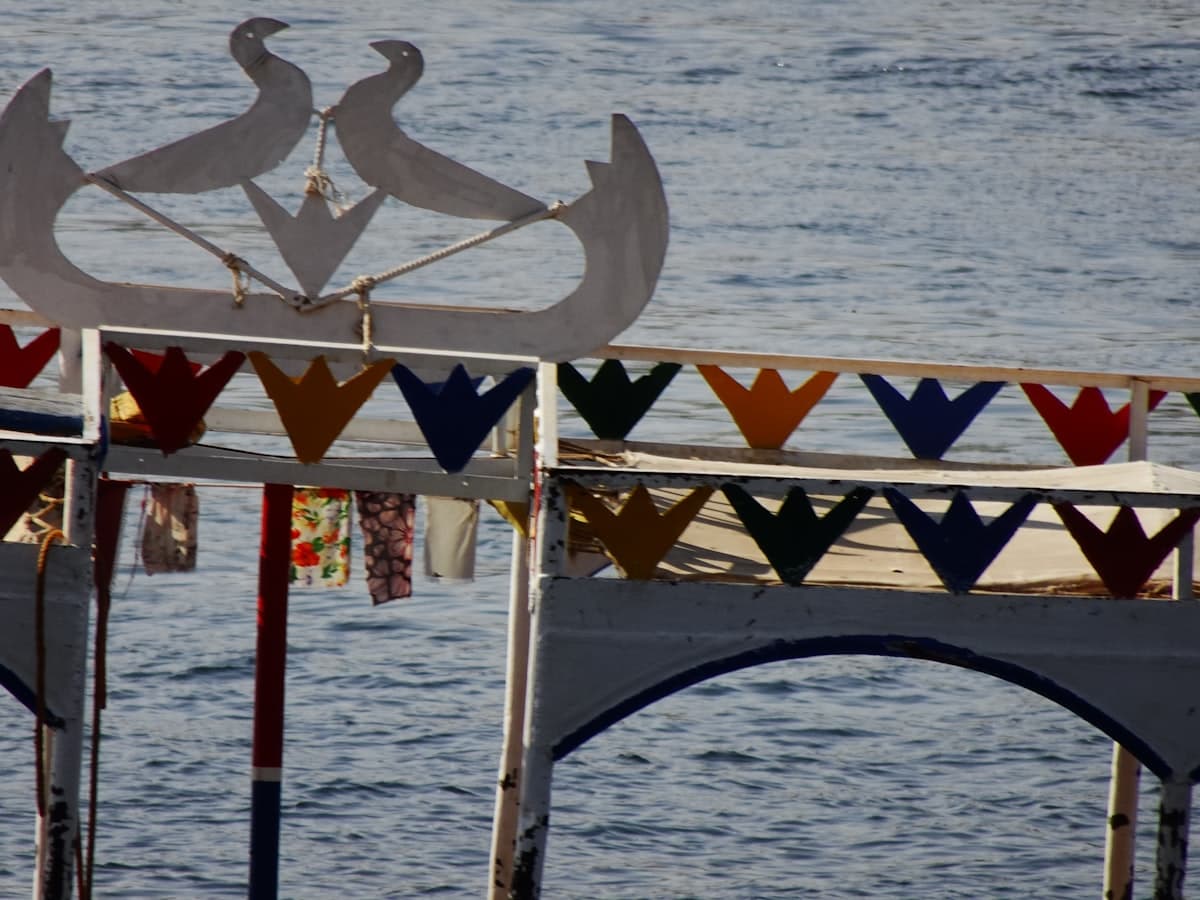
Dessouk sits in the Nile Delta, and the Delta's religious landscape is one of the least understood in Egypt. Rosetta, forty kilometers to the northwest, is where Napoleon's soldiers found the Rosetta Stone in 1799, at a Mamluk fort built over a Byzantine fortification built over a Ptolemaic structure. The Delta has been continuously inhabited and continuously built upon for five thousand years, which means that the ground beneath the shrine of Dessuqi almost certainly contains layers: Coptic, Roman, and Ptolemaic material under the medieval Islamic construction.
Twenty-five kilometers south, the city of Tanta holds the shrine of Ahmad al-Badawi, Dessuqi's contemporary in the roster of the four Aqtab. Al-Badawi's moulid in October is larger, drawing estimates of three million people in a single week, making it arguably the largest religious gathering in Africa that does not take place in Mecca. Visiting both shrines in sequence, Dessuqi and al-Badawi, gives you the full architecture of Delta Sufi geography. They are not competing sites. In Egyptian religious practice, pilgrims move between the two as part of the same devotional circuit.
The Fatimid dynasty, which founded Cairo in 969 CE and built al-Azhar mosque as a Shia institution, established the template for saint veneration in Egypt's Islamic period. By the time Dessuqi was born three centuries later, the Fatimids were gone, the Ayyubids had restored Sunni orthodoxy, and the Mamluks were in power. But the Fatimid culture of the moulid, the public celebration of holy figures' birth dates, survived every political transition. The shrine of Dessuqi is, in this sense, a Fatimid institution operating under Sunni theological cover.
Common Mistakes
Visiting without context on what you are watching. The moulid rituals look chaotic without knowing which order is performing which practice and why. Spend two hours before arriving reading about the turuq system in Egyptian Sufism. Michael Gilsenan's 1973 book "Saint and Sufi in Modern Egypt" remains the clearest English-language account of how these orders actually function. It is forty years old and still more accurate than anything written since.
Photographing inside the tomb chamber. The custodians will ask you to stop. Pilgrims in active prayer do not want to be documented. This is reasonable. If you want photographs of the shrine's architecture, the exterior and courtyard are generally acceptable. Inside the tomb chamber, put your camera away before you enter.
Coming during moulid week without arranging accommodation in advance. Every room in Dessouk fills three days before the peak. Kafr el-Sheikh city, twenty minutes away by microbus, has better hotels and is a workable base if you book two weeks ahead.
Skipping the city itself for the shrine. The souq around the shrine, particularly the street selling religious goods, is as much a part of the Dessuqi experience as the tomb chamber. The old quarter's coffee houses, where pilgrims from Upper Egypt share tea with Delta farmers, are where the social reality of Egyptian saint culture becomes visible.
Taking a guided tour from Cairo. There are no reputable English-language guided tours of Dessouk that I am aware of, and the ones that do exist tend to frame the shrine as an exotic spectacle rather than a functioning religious institution. You will learn more from arriving independently, accepting tea from whoever offers it, and spending three hours watching.
Assuming this is comparable to a mosque visit. You will not be handed a headscarf at the door and ushered through a controlled experience designed for tourists. This is an active pilgrimage site. Dress modestly, move slowly, and follow what the people around you are doing.
Attending the sound and light show in Dessouk. There is no sound and light show in Dessouk. This is to its immense credit.
Practical Tips
Women visiting the shrine should cover hair and wear loose clothing to the ankles. Men in shorts will be asked to wear a wrap available at the entrance. These are not suggestions.
The best time of day to visit outside moulid season is early morning, after Fajr prayer and before 9am, when the tomb chamber is quiet enough to sit in for twenty minutes without being moved along by crowds. The light inside the mosque at that hour, filtered through colored glass and the green of the dome above, is worth getting up for.
Eat lunch at one of the ful and ta'amiya shops on the street immediately west of the mosque. The local specialty is a Delta preparation of ful medames with a specific ratio of lemon and cumin that differs noticeably from Cairo versions. This sounds like a small thing. It is not.
Bring cash. Dessouk has ATMs but they are not always stocked during moulid week when the city's population temporarily doubles.
If you speak Arabic, even basic Egyptian dialect, you will be invited into conversations immediately. Pilgrims are evangelical about the shrine in the most literal sense: they want you to understand why they came. These conversations are the best guide to the Sidi Ibrahim Dessuqi shrine that exists.
Frequently Asked Questions
The Weekly Dispatch
More on Egypt, every Friday.
Cultural depth and places most guides never mention.
No spam. Unsubscribe anytime.