Sidi Ibrahim Dessuqi Shrine Guide: Faith, Moulid, and the Nile
Four million pilgrims visit Dessuqi every year. Most Egyptians consider it the holiest moulid in the country. Almost no foreign traveler has heard of it.

Quick Facts
- Best time to visit
- October to April for comfortable Delta weather. Sha'ban (two months before Ramadan) for the moulid, the largest gathering at the site.
- Entrance fee
- Free. Donations welcome but not required.
- Opening hours
- Daily approximately 5am to 11pm. Inner shrine room may close briefly during prayer times. Continuous hours during the moulid week.
- How to get there
- Bus from Cairo Turgoman station to Kafr el-Sheikh (EGP 80 to 120, approx $1.60 to $2.50 USD), then microbus or taxi to Dessuq (EGP 15 to 25). From Alexandria by direct microbus from Mowf station (EGP 50 to 70, under $1.50 USD).
- Time needed
- 2 hours minimum for the shrine complex. Full day if attending moulid ceremonies or exploring the market and old town.
- Cost range
- Budget EGP 200 to 400 per day covering transport from Kafr el-Sheikh, street food, and incidentals. No significant paid attractions.
Four million pilgrims descend on the Delta city of Dessuq every year for the moulid of Ibrahim al-Dessuqi. That number makes it one of the largest religious gatherings in Africa. It exceeds the attendance at most European music festivals by a factor of ten. And almost no foreign traveler has ever heard of it.
This is not an oversight. It is a structural feature of how Egypt gets sold abroad: the Pharaonic layer, the Islamic monuments of Cairo, occasionally a Coptic church. The living religious culture of the Egyptian Delta, where Sufi orders still process through the streets with green banners and the smell of rose water fills alleyways that have not changed in five hundred years, barely registers. If the Sidi Ibrahim Dessuqi shrine appears in your guidebook at all, it gets half a paragraph. It deserves considerably more.
Quick Facts
Best time to visit: The moulid falls in the Islamic month of Sha'ban, roughly two months before Ramadan. Dates shift each year with the lunar calendar. Outside the moulid, any weekday between October and April avoids Delta summer heat.
Entrance fee: Free. The shrine and mosque complex charge no admission. A small donation box is present; contributing is considered respectful but not compulsory.
Opening hours: The mosque is open daily from approximately 5am to 11pm. The inner shrine room keeps similar hours but may close briefly during prayer times. During the moulid, the complex operates continuously, around the clock, for the final week.
How to get there: Dessuq sits in Kafr el-Sheikh Governorate in the Nile Delta, roughly 130 kilometers northwest of Cairo and 75 kilometers from Alexandria. From Cairo's Turgoman bus station, go-bus and upper-Egypt bus company services reach Kafr el-Sheikh city (the nearest large hub) for approximately EGP 80 to 120 (roughly $1.60 to $2.50 USD). From Kafr el-Sheikh, a microbus or taxi to Dessuq costs EGP 15 to 25 (under $1 USD). From Alexandria, direct microbuses to Dessuq depart from the Mowf station and cost around EGP 50 to 70 (approximately $1 to $1.50 USD). Journey time from Cairo is roughly two and a half hours on a good day.
Time needed: Two hours minimum for the shrine complex itself. A full day if you arrive during the moulid, eat lunch in the market, and watch the evening Zikr ceremonies. Overnight stays during the moulid require advance planning; see Practical Tips.
Cost range: Budget EGP 200 to 400 per day covering transport, food from the street market, and incidentals. There is no mid-range tourist infrastructure here in the way Luxor or Cairo have it.
Why This Place Matters
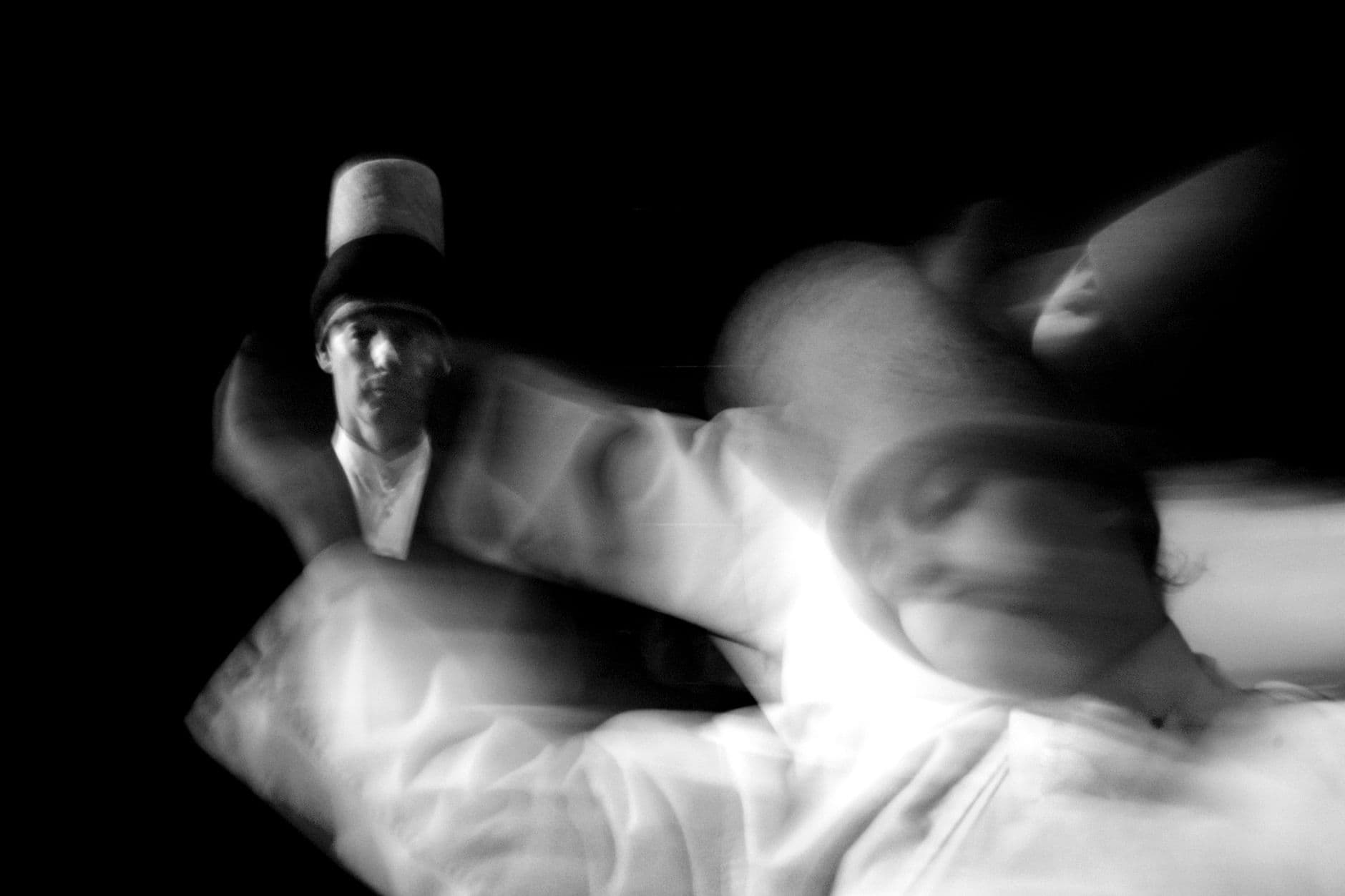
Ibrahim al-Dessuqi was born in this city in 1235 CE and died here in 1288. He is considered one of the four great poles of Sufi Islam, the Aqtab al-Arba'a, alongside Abd al-Qadir al-Jilani, Ahmad al-Badawi of Tanta, and Ahmad ibn Idris. In Sufi cosmology, these four figures are believed to sustain the spiritual axis of the world. Al-Dessuqi founded the Burhaniyya order, which today has active branches in Egypt, Sudan, Germany, and the United States. His shrine is not a relic of a dead tradition. It is an active institutional headquarters.
What most visitors do not know is that al-Dessuqi lived through one of the most violent periods in Islamic history. The Mongol invasions that devastated Baghdad in 1258 CE, killing the Abbasid caliph and destroying the greatest library in the medieval world, sent waves of scholars, mystics, and refugees westward into Egypt and the Levant. Al-Dessuqi was a young man during this upheaval. The Sufi orders that flourished in Egypt during the late thirteenth century were in part a response to this catastrophe: communities of spiritual practice that preserved knowledge, offered mutual support, and provided psychological coherence when political structures had collapsed. The shrine you are visiting is, among other things, a monument to that resilience.
The current mosque structure dates primarily to the Mamluk and Ottoman periods, with significant reconstruction in the nineteenth century under Khedive Abbas I. The minaret bears late Mamluk geometric brickwork, the kind you see on the older minarets of Cairo's City of the Dead, but here without the crowds or the entry fees.
What You Will See and Experience
The shrine complex sits at the center of Dessuq's old town, and the city has grown around it in the way that medieval cities grow around sacred sites: concentric, organic, slightly chaotic. The main approach is through a covered market street that sells nothing but devotional goods. Green silk banners. Amber prayer beads in forty-three different bead counts. Framed calligraphy of al-Dessuqi's name and lineage. Bottles of rose water from Taif in Saudi Arabia and cheaper domestic versions labeled with his portrait. The smell of incense, specifically frankincense mixed with mastic, hits you about thirty meters before you reach the mosque gate.
The mosque's interior courtyard is large and usually calm on weekdays. Pigeons roost on the Ottoman-era arcade columns. Old men sit against the walls reading small printed booklets of al-Dessuqi's poetry, which he composed in both Arabic and what scholars believe was an early form of colloquial Egyptian dialect, a detail that distinguished him from the more formal Sufi poets of his era. He was, in that sense, a vernacular mystic, someone who chose to reach ordinary people in their own language.
The inner shrine room contains the tomb of al-Dessuqi beneath a green velvet covering embroidered with gold Quranic verse. The room is dim and fragrant. Women and men enter through separate doors but share the same circular space around the tomb. Visitors press their hands to the tomb's wooden surround, whisper prayers, and sometimes weep with a directness that is not performative. If you are not Muslim, enter respectfully, do not photograph inside the shrine room without explicit permission from those present, and follow the physical cues of other visitors. You will not be turned away.
The Moulid: What Actually Happens
The moulid of Ibrahim al-Dessuqi lasts for approximately two weeks, with intensity building toward the Laylat al-Kabira, the Great Night, which falls on the twelfth of Sha'ban. On that night, Sufi orders from across Egypt and from Sudan, Libya, and sometimes as far as West Africa process through the streets carrying their order's banners, accompanied by drums and the chanting of dhikr, the repetitive invocation of God's names that is the central Sufi devotional practice.
The sound of the Zikr circles in the streets at midnight is unlike anything in formal religious experience. It is physical. Groups of men in white robes sway in synchronized motion for hours. The Arabic word for this practice shares a root with the word for memory: the point is not ecstasy for its own sake but the recovery of an awareness that ordinary life suppresses. Whether or not you share the theology, the collective discipline and emotional intensity of a full moulid night is one of the genuinely unrepeatable human experiences available in Egypt.
Food stalls during the moulid sell halawa, sesame-based sweets traditionally associated with moulids across Egypt, alongside ful medames, grilled corn, and sugarcane juice pressed from fresh-cut stalks. A full meal costs EGP 30 to 60 (under $1.50 USD).
The Connections
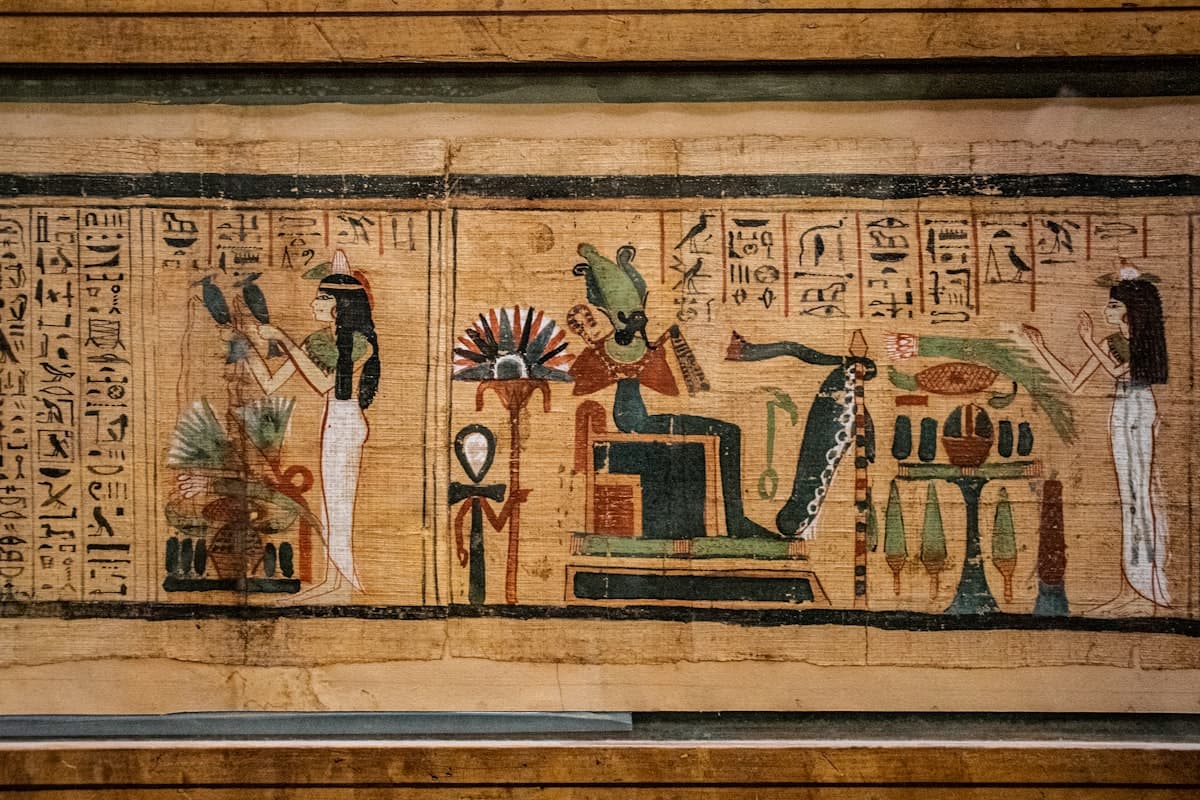
Dessuq sits in the Delta, which means it sits in a landscape whose surface erases its own history. Unlike Upper Egypt, where dry desert air preserves papyrus and wood for millennia, the Delta's wet alluvial soil has swallowed most of its ancient past. But the ancient past is there. The city of Dessuq itself sits near the ancient Egyptian settlement region of the Western Delta, an area that was heavily Greek-influenced during the Ptolemaic period. The Ptolemaic city of Naukratis, the first Greek trading colony in Egypt, established around 620 BCE, lies approximately forty kilometers to the southeast. Naukratis was where Greek merchants lived under Egyptian law, where the earliest Egyptian-Greek cultural fusion happened centuries before Alexandria existed.
The Burhaniyya order al-Dessuqi founded has an explicit present-day connection to Sudan that most visitors overlook entirely. The order's nineteenth-century revival and expansion was largely carried out through the Sudanese branch, which merged with another order and became one of the most important religious brotherhoods in Khartoum and the northern Sudan. When Egyptian and Sudanese pilgrims meet at the moulid, they are often meeting as members of orders that share the same thirteenth-century founder but developed along completely separate historical paths for six hundred years before reconnecting.
The Mamluk elements visible in the mosque's architecture also connect Dessuq to Cairo's greatest Islamic monuments. The Mamluks, who ruled Egypt from 1250 to 1517, were active patrons of Sufi shrines across the country, partly for political reasons: Sufi orders commanded popular loyalty, and co-opting their pilgrimage sites was a form of soft power. The same dynamic that produced the Sultan Hassan mosque in Cairo produced the Mamluk patronage visible in Dessuq's minaret.
Common Mistakes
Visiting only during the moulid without preparation. The moulid draws four million people to a small Delta city. Hotels in Dessuq itself are basic and fill completely. If you want to attend the Laylat al-Kabira, book a room in Kafr el-Sheikh city, thirty minutes away, at least three weeks in advance, and plan to take a taxi in and out that evening. Arriving without accommodation expecting to figure it out is a genuine mistake with real consequences.
Treating the shrine as a photography opportunity rather than a functioning religious site. This is not the Egyptian Museum. People are praying here. Put your camera away inside the shrine room. Outside in the courtyard, ask before photographing people at close range. The standard tourist behavior of pointing a lens at someone mid-prayer is deeply disrespectful and occasionally produces a hostile response, which you will have earned.
Skipping the market street and going straight to the mosque. The devotional market is not a prelude to the real thing. It is part of the social fabric of the shrine. The vendors are often Sufi order members themselves. The goods sold have specific uses and histories. Spend twenty minutes here before entering the mosque.
The organized Cairo day-trip. Several Cairo-based operators now advertise day excursions to the Delta that combine Dessuq with other sites. These tours spend approximately forty minutes at the shrine and explain nothing about Sufism, the Burhaniyya order, or al-Dessuqi's significance. You will learn less than you would from reading this article on the bus. Go independently.
Coming in July or August. The Delta in high summer is hot, humid, and aggressive in a way that Upper Egypt, for all its intensity, is not. Delta humidity is a different category of discomfort. October through April is the window.
Assuming no one speaks English. The Burhaniyya order has international branches and educated members. Someone near the mosque administration office almost certainly speaks functional English. If you want a genuine conversation about the order's history and practice, ask at the office rather than attempting to corner someone mid-prayer.
Buying the packaged rose water from the airport or Khan el-Khalili before visiting. The rose water sold in the market adjacent to the shrine is fresher, cheaper, and more varied than anything sold in tourist-facing shops in Cairo. EGP 20 to 50 buys a good bottle here versus EGP 150 or more in the Khan.
Practical Tips
Dress conservatively. Women should cover their hair before entering the mosque and shrine room; a scarf brought from home or purchased at the market gate for EGP 15 to 25 is fine. Men should wear long trousers. Shorts are not appropriate here and will read as either ignorance or disrespect.
The best time to visit the shrine on an ordinary non-moulid day is mid-morning on a weekday, roughly 9am to 11am. Friday afternoons bring significant local crowds for the congregational prayer and are loud and crowded in a way that can feel overwhelming if you are trying to observe quietly.
There is no formal ticket system, no audio guide, and no museum component. This is a working mosque and shrine, not a heritage attraction. The experience depends almost entirely on your own preparation and attentiveness.
If you are interested in attending a formal Zikr circle, the Burhaniyya order holds regular Thursday evening gatherings at the mosque. These are not tourist events. Arriving quietly, sitting to one side, and observing without interruption is generally welcomed. Leaving mid-ceremony is considered disrespectful; plan to stay for the full session, which typically runs ninety minutes to two hours.
Bring cash. Dessuq has ATMs but they can be unreliable. Bring more Egyptian pounds than you think you need from Cairo or Alexandria before traveling.
Frequently Asked Questions
The Weekly Dispatch
More on Egypt, every Friday.
Cultural depth and places most guides never mention.
No spam. Unsubscribe anytime.