Sidi Ibrahim Dessuqi Shrine Guide: Sufi Egypt's Living Heart
Four million pilgrims come here each year. Most Egyptologists have never set foot inside. The moulid at Dessuqi is one of the largest religious gatherings in Africa.

Quick Facts
- Best time to visit
- Thursday evenings year-round for zikr; Sha'ban for the moulid; avoid summer midday heat in the Delta (June to August) if heat-sensitive
- Entrance fee
- Free
- Opening hours
- Daily approximately 5am to midnight; inner shrine chamber may close briefly during the five daily prayers
- How to get there
- Bus from Cairo Turgoman station to Kafr el-Sheikh (EGP 60 to 80, approx $1.50 to $2 USD), then microbus to Dessuqi (EGP 10 to 15). From Alexandria, direct bus via Kafr el-Sheikh (EGP 50). No direct train.
- Time needed
- 2 hours minimum for shrine complex; full day to include souk, corniche, and evening zikr
- Cost range
- Budget EGP 200 to 400 per day including transport, food, and basic accommodation in Kafr el-Sheikh
Quick Facts
Best time to visit: The moulid season (the Prophet's birthday month in the Islamic calendar, usually Rabi' al-Awwal) draws the largest crowds. For quieter visits, any Friday morning outside moulid season works well.
Entrance fee: Free. The shrine complex is open to all visitors regardless of religion, though discretion and modest dress are expected.
Opening hours: The mosque is open daily from around 5am (Fajr prayer) until midnight or later. The inner shrine chamber keeps similar hours but may close briefly during prayer times.
How to get there: Dessuqi (also spelled Desouk) is a small city in Kafr el-Sheikh Governorate in the Nile Delta, approximately 160km north of Cairo. From Cairo's Turgoman bus station, direct service buses to Kafr el-Sheikh city run every 30 to 45 minutes; the fare is roughly EGP 60 to 80 (approximately $1.50 to $2 USD). From Kafr el-Sheikh, shared microbuses to Dessuqi cost EGP 10 to 15. From Alexandria, buses run via Kafr el-Sheikh for around EGP 50. The shrine sits in the center of the old city, a 10-minute walk from the main bus depot.
Time needed: Two hours for the shrine complex itself. A full day if you intend to walk the old souk, visit the Nile corniche, and stay for an evening zikr ceremony.
Cost range: Budget EGP 200 to 400 per day including food, transport, and a simple guesthouse. The city has no luxury accommodation. That is not a complaint. It is accurate information.
---
Why This Place Matters
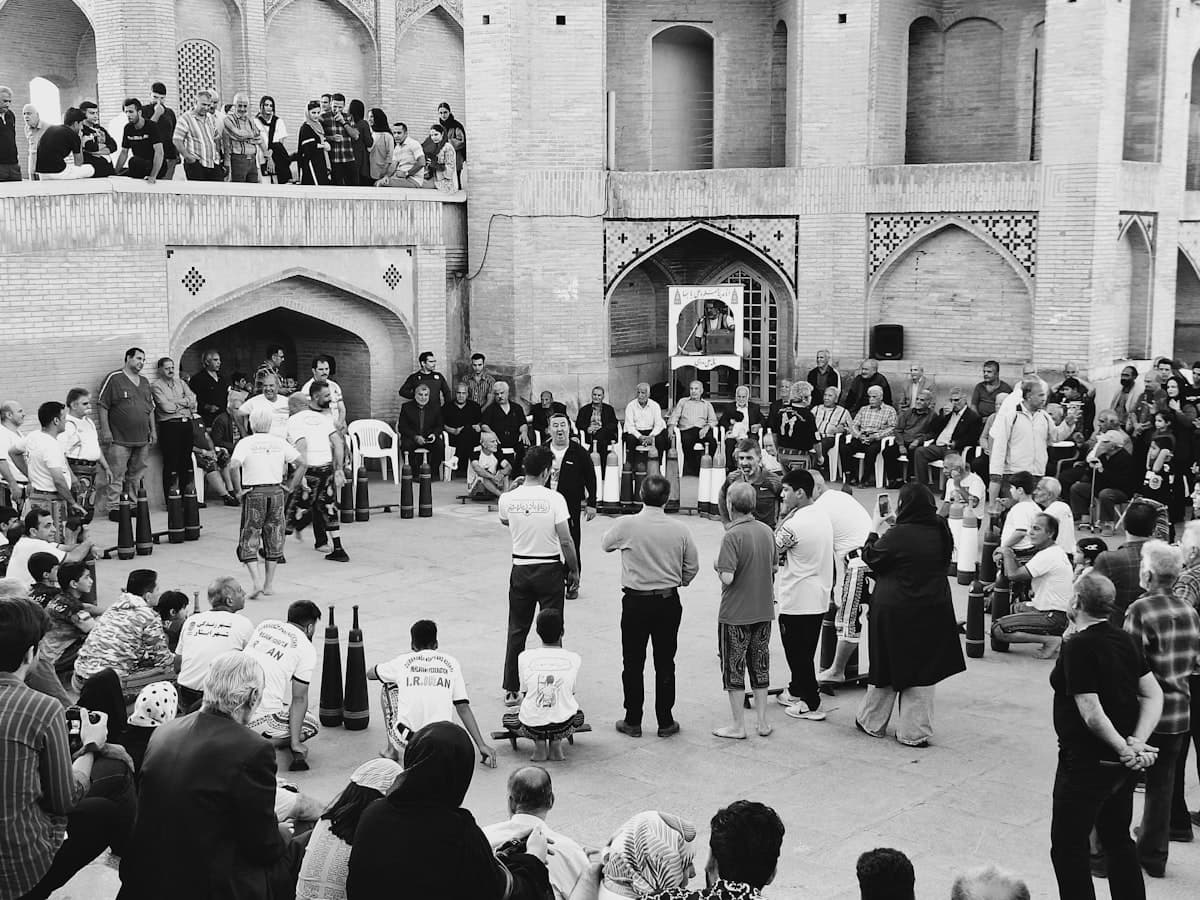
Every Egyptian schoolchild knows three names before they know the names of any pharaoh: Hussein, Badawi, and Dessuqi. These are the three great awliya, the saints, whose shrines anchor Egyptian Sufi Islam. Sayed al-Badawi holds Tanta. Hussein holds Cairo. And Dessuqi holds the Delta.
Ibrahim ibn Abi al-Majd al-Dessuqi was born in Dessuqi in 1235 CE, the same decade that the Mongols were dismantling the Abbasid Caliphate to the east. He died there in 1288 CE, and his tomb has drawn continuous pilgrimage for over seven centuries. He is recognized as one of the four Qutbs, the spiritual poles of the Islamic world, a designation within Sufi metaphysics that assigns to certain saints a sustaining influence over all of creation. That is not a metaphor within Sufi theology. It is a cosmological claim of the highest order.
What is less well known is the political timing of his canonization. The Mamluk Sultan Baybars, who had defeated the Mongols at Ain Jalut in 1260 CE in what historians consider one of the most consequential battles of the medieval world, actively cultivated the major Sufi orders as a mechanism for consolidating legitimacy across Egypt and Syria. The shrine at Dessuqi expanded significantly under Mamluk patronage, and the formal recognition of Dessuqi's spiritual rank was institutionalized during this period. Baybars needed holy men to do what armies could not: persuade people that the Mamluk state was divinely sanctioned. The shrine you visit today is partly a product of that calculation.
The annual moulid of Sidi Ibrahim Dessuqi draws an estimated four million people over its duration, making it one of the largest religious gatherings on the African continent. The moulid at Tanta draws similar numbers. Neither receives the international press coverage of the Hajj or the Arba'een pilgrimage. They remain, by global standards, almost entirely unknown outside Egypt.
---
Inside the Shrine Complex: What You Will Actually See
The approach to the shrine from the main square is deliberate in its effect. The surrounding streets narrow as you walk toward the mosque, and the air changes before the building comes into view. Incense, specifically luban (frankincense), mixed with something sweeter, possibly amber resin or mastic. Vendors sell green silk scarves embroidered with the saint's name. Children carry packets of henna. Old men sit on low stools drinking tea from glasses so small they hold perhaps three sips.
The mosque itself is a layered building in the way that every important Egyptian religious site is layered. The current structure dates primarily to Ottoman-era renovations and subsequent twentieth-century expansions, but the site has been continuously sacred since at least the late thirteenth century. The minarets are relatively modern, built after the 1992 Cairo earthquake prompted structural reviews of mosque infrastructure across the Delta.
The inner sanctuary, the hujra containing the tomb, is where the visit concentrates. The cenotaph is covered in layers of embroidered green cloth, gifts accumulated over generations from pilgrims who came seeking intercession. The walls around it are covered in tiles, mostly blue and white Iznik-style work mixed with more recent Egyptian ceramic production. In the corners, older women press their palms against the latticed wooden screen (the mashrabiyya) that surrounds the tomb and speak quietly, directly, as if making a request of someone who is present and listening.
This practice, tawassul (intercession through saints), is theologically contested within Islam. Salafi and Wahhabi interpretations consider it prohibited. In Egypt, it is practiced by tens of millions of people with complete conviction and has been practiced here continuously since at least the time of Ibrahim Dessuqi himself. Understanding this tension, between orthodox legal positions and the lived religion of the Nile Delta, is essential to understanding Egypt.
---
The Zikr: What Happens After Dark
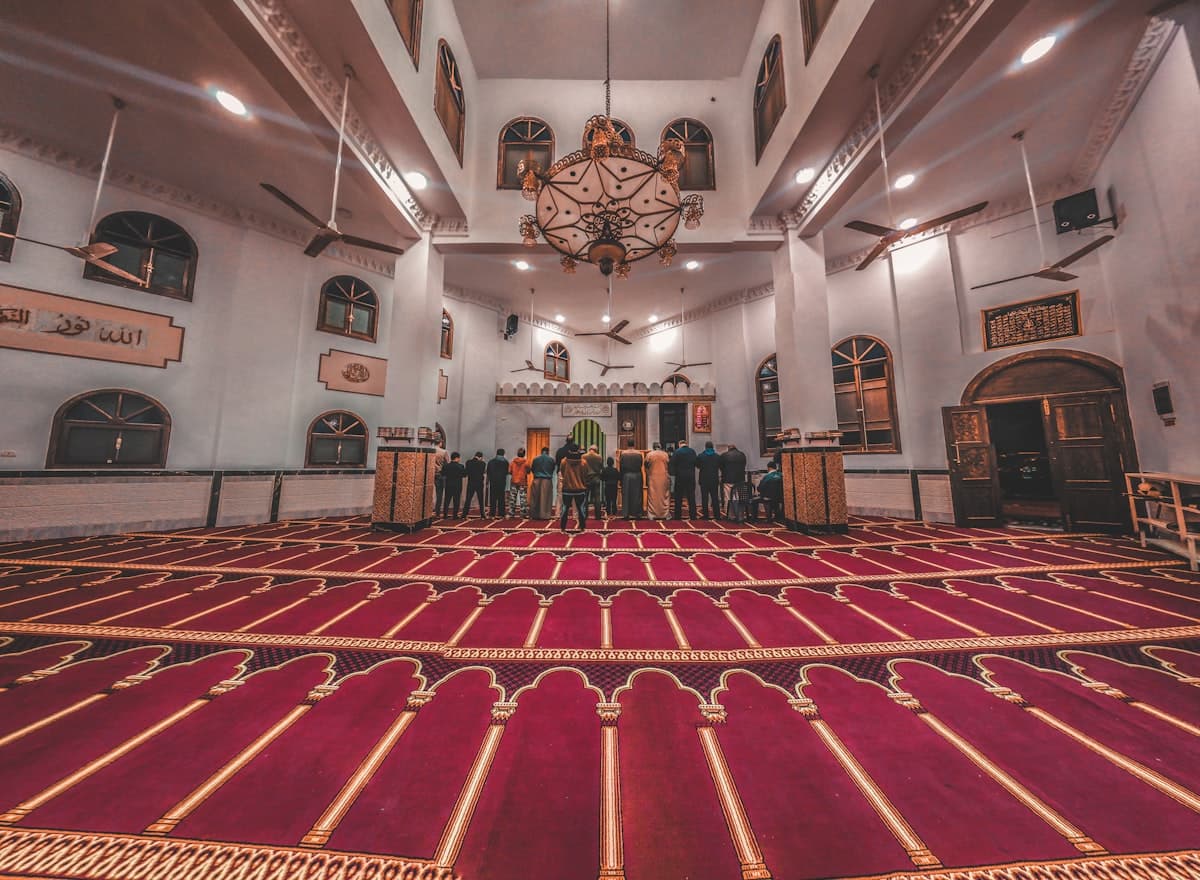
If you arrive at the shrine in the morning, you will see a religious building. If you stay until after the Isha prayer, around 8 or 9pm depending on the season, you may witness something that has no real equivalent in Western religious experience.
Zikr, literally "remembrance," is the Sufi practice of repetitive chanting of the names of God, performed in groups under the guidance of a sheikh. At Dessuqi, the zikr gatherings in the courtyard and adjacent halls can continue for three or four hours. The structure is musical: a lead chanter, a chorus, percussion instruments including the tabla and frame drums, and eventually, in some tariqa traditions, the ney flute. The repetition is functional, not decorative. The point is altered consciousness through sustained rhythmic sound.
The Dessuqi tariqa (Sufi order) is one of the four major orders in Egypt. The others are the Ahmadiyya (linked to Tanta), the Shadhiliyya, and the Burhaniyya. The Dessuqi order claims approximately two million active members in Egypt and Sudan, with significant communities in Libya, Syria, and the Egyptian diaspora. Each order has its specific zikr style, its specific chain of transmission back to the founding saint, and its specific theological emphases. These are not interchangeable. Calling them all "Sufism" is like calling all Catholic and Protestant denominations simply "Christianity."
Attending a zikr as a non-Muslim visitor requires only this: ask permission, sit at the outer edge, do not photograph faces without consent, and do not interpret what you see through a lens of exoticism. You are watching a centuries-old technology for spiritual experience, one that the Egyptian government's Ministry of Awqaf (Religious Endowments) has recently begun promoting as cultural heritage to distinguish Egypt's Islam from the Gulf-exported Salafi variety. The politics of who owns Egyptian religious identity are live, active, and directly connected to this building.
---
The Connections: Layers Under the Layers
Dessuqi sits in the Nile Delta, which is among the most archaeologically dense and archaeologically neglected regions in Egypt. The Delta's agriculture and high water table have buried and degraded sites that would be national landmarks if they sat in Upper Egypt's dry desert air. The ancient city of Sapi-Res occupied this stretch of the western Delta branch. Later, during the Byzantine period, the area fell within the ecclesiastical network of the Coptic church centered at Alexandria, which lies roughly 95km to the northwest.
The Fatimid caliphate, which ruled Egypt from 969 to 1171 CE, established the institutional infrastructure for Sufi orders in Egypt. The Fatimids were Ismaili Shia, but they tolerated and eventually sponsored Sufi practice as a bridge to Sunni popular religion. When Saladin ended the Fatimid caliphate and re-established Sunni orthodoxy, the Sufi orders he found were already embedded in Egyptian society at every level. Ibrahim Dessuqi was born sixty years after Saladin's death, into an Egypt where Sufi practice was not marginal but central.
One specific connection most visitors do not make: the great historian Ibn Khaldun, who wrote the Muqaddimah (his introduction to universal history, arguably the founding document of sociology and historiography) in the fourteenth century, met the successors of Ibrahim Dessuqi's tariqa during his years in Egypt. Ibn Khaldun was skeptical of saint veneration but documented it with precision. His descriptions of Egyptian moulid culture from the 1380s are recognizable in what you see in Dessuqi today. Seven hundred years of practice with minimal structural change.
---
Common Mistakes
Visiting only during the moulid without preparation. The Dessuqi moulid is one of the most extraordinary events in Egypt. It is also logistically serious. Accommodation within the city fills weeks in advance. Traffic on the Delta roads stops entirely on peak days. If you want to attend the moulid, plan transport and lodging at least three weeks out and accept that you will spend portions of the day in very dense crowds.
Treating the shrine as a photo opportunity. The shrine is an active place of worship visited by people in genuine spiritual distress, pilgrims who have traveled from Aswan or Sinai to ask for intercession. Pointing a camera at a grieving woman pressing her face to the mashrabiyya is not travel journalism. It is an intrusion. Photograph the architecture, the courtyard, the exterior. Read the room for everything else.
Skipping the old souk. The market streets around the shrine are among the most intact Delta souk environments left in Egypt. Khan el-Khalili in Cairo has been a tourist market for thirty years. The Dessuqi souk is for Egyptians, priced for Egyptians, and sells the specific commercial ecology of Delta religious life: green silk scarves, misbaha (prayer beads) in amber and wood, printed books of the saint's poetry, bottles of rosewater, votive candles. Spend an hour there.
Arriving without learning the basics of Sufi practice. You do not need to be Muslim or a scholar. You do need to know the difference between a tariqa and a mosque, what tawassul means, and why the concept of the Qutb matters within Sufi theology. Twenty minutes of reading before you arrive will transform what you see from spectacle to meaning.
Taking the river cruise option. Several Nile Delta tour operators sell a "Sufi Delta" package that includes Dessuqi as a stop on a longer circuit. These tours allocate forty-five minutes at the shrine. Skip this. The shrine requires at minimum two full hours to experience properly, and you will not witness a zikr on a forty-five minute schedule. Come independently.
Expecting the city itself to be picturesque. Dessuqi is a working Delta city with heavy truck traffic, agricultural industry, and unremarkable twentieth-century construction. The sacred geography is real and powerful. The city around it is functional and not scenic. Adjust expectations accordingly, and find the interest in exactly that texture.
Confusing the moulid dates year to year. The moulid follows the Islamic lunar calendar, which shifts approximately eleven days earlier each solar year. A reliable source for the current year's date is the Egyptian Ministry of Awqaf website or any Egyptian Sufi order's social media accounts. Do not rely on travel blogs that list a specific Gregorian date from a previous year.
---
Practical Tips
Dress conservatively: full-length trousers for men, and for women, a headscarf is expected inside the shrine complex. Keep a spare scarf in your bag regardless of your gender; they are sold for EGP 20 to 30 at the entrance vendors if you forget.
Shoes come off inside the prayer hall and the shrine chamber. Wear slip-ons rather than laced boots.
The city has basic restaurants serving Delta staples: fried fish from the Nile branches, molokheyya, ful and ta'ameyya, kushari. Budget EGP 40 to 80 for a full meal. There is no food inside the shrine complex.
For accommodation, Kafr el-Sheikh city (20 minutes away by microbus) has several mid-range hotels with air conditioning and reliable wifi, priced between EGP 400 and 800 per night. Dessuqi itself has very basic guesthouses at EGP 150 to 250 per night, which are adequate and used primarily by pilgrims.
If you want to speak with members of the Dessuqi tariqa about the order's history and practice, the administrative offices of the tariqa are located adjacent to the mosque. Ask at the mosque entrance for the maktab al-tariqa. A letter of introduction from a Cairo cultural institution is helpful but not strictly required. Egyptians are, as a baseline, generous to people who ask with genuine interest.
The best time to experience the shrine outside of moulid season is Thursday evening into Friday, when zikr gatherings are most frequent and the atmosphere in the surrounding streets most alive.
Frequently Asked Questions
The Weekly Dispatch
More on Egypt, every Friday.
Cultural depth and places most guides never mention.
No spam. Unsubscribe anytime.