Hurghada Red Sea Travel Guide: Reefs, Resorts & Real Tips
Plan your perfect trip with this Hurghada Red Sea travel guide — covering top dive sites, best beaches, where to stay, when to go, and insider tips.
Audio Guide: Hurghada Red Sea Travel Guide: Reefs, Resorts & Real Tips
Hurghada sits on the western shore of the Red Sea like a mirage that actually delivers. What was a quiet fishing village four decades ago is now Egypt's most visited beach destination — a sprawling, sun-baked city where coral gardens begin just metres from the shore and the water runs every shade of turquoise your eyes can register. Whether you're chasing world-class diving, all-inclusive relaxation, or a base for desert adventures, this Hurghada Red Sea travel guide gives you everything you need to do it right.
Why Hurghada Belongs on Your Egypt Itinerary
Most visitors pair Hurghada with a Nile cruise or a few days in Cairo, and the contrast is striking. After the noise and dust of the capital, arriving here feels like exhaling. The air smells of salt and sunscreen; the light is fierce and flat and impossibly bright. The Red Sea coast stretches north and south, and beyond the hotel zones, the Eastern Desert rises in ridges of ochre and rust.
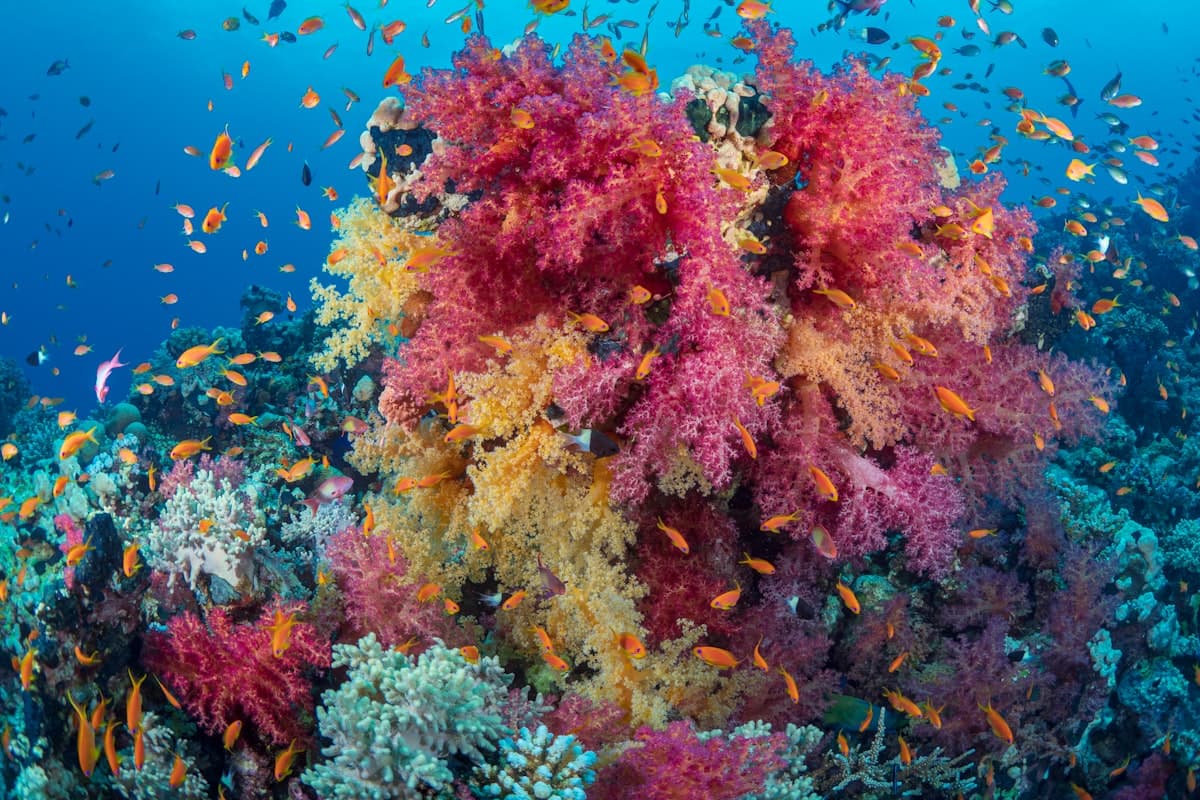
Hurghada's real draw is underwater. The Red Sea consistently ranks among the top five dive destinations on the planet, with water temperatures hovering between 22°C in winter and 29°C in summer, visibility often exceeding 30 metres, and reef ecosystems that support over 1,000 species of fish. You don't need to be a certified diver to experience it — snorkelling from a glass-bottom boat will show you lionfish, parrotfish, moray eels, and clouds of anthias that turn the reef into a living kaleidoscope.
Above water, the city has matured considerably. The Sakkala and El Dahar districts offer authentic Egyptian street life, while the marina area hums with restaurants, shisha cafés, and tour operators running day trips to offshore islands.
Getting to Hurghada
By Air: Hurghada International Airport (HRG) receives direct flights from across Europe, the Gulf, and connecting flights via Cairo. From Cairo, the flight takes around 55 minutes. Budget carriers including EasyJet, Ryanair, and TUI serve Hurghada seasonally from the UK, Germany, and Poland, making it one of Egypt's most accessible beach destinations.
By Road from Cairo: The drive covers roughly 450 km and takes 5–6 hours along the Cairo–Hurghada Desert Road. Private transfers cost approximately EGP 1,500–2,500 (around $30–50 USD); intercity buses with Go Bus or GoBus app depart Cairo's Almaza City Centre stop multiple times daily for around EGP 250–400.
By Road from Luxor: Only 290 km south, Luxor is a natural pairing. Shared taxis depart from Luxor's main taxi station for around EGP 150–200 per person; private transfers run EGP 800–1,200.
Best Time to Visit
Hurghada is a genuine year-round destination, but the experience shifts with the seasons.
October to April is peak season for a reason. Daytime temperatures sit between 22°C and 28°C — warm enough for the beach, cool enough to explore comfortably. The Red Sea is calm and clear. December and January can feel cool in the evenings (pack a light layer), but the reefs are uncrowded and the desert hikes are genuinely pleasant.
May to September brings intense heat — regularly above 38°C on land — but the sea water is bath-warm and visibility is excellent. If you're here primarily to dive or snorkel and plan to spend most of your time in or on the water, summer works fine. Expect more package tourists and higher hotel prices over European school holidays in July and August.
Ramadan shifts the city's rhythm noticeably. Many local restaurants close during daylight hours, but resort zones function normally, and the atmosphere after Iftar is festive and worth experiencing.
What to Do in Hurghada
Dive and Snorkel the Reefs
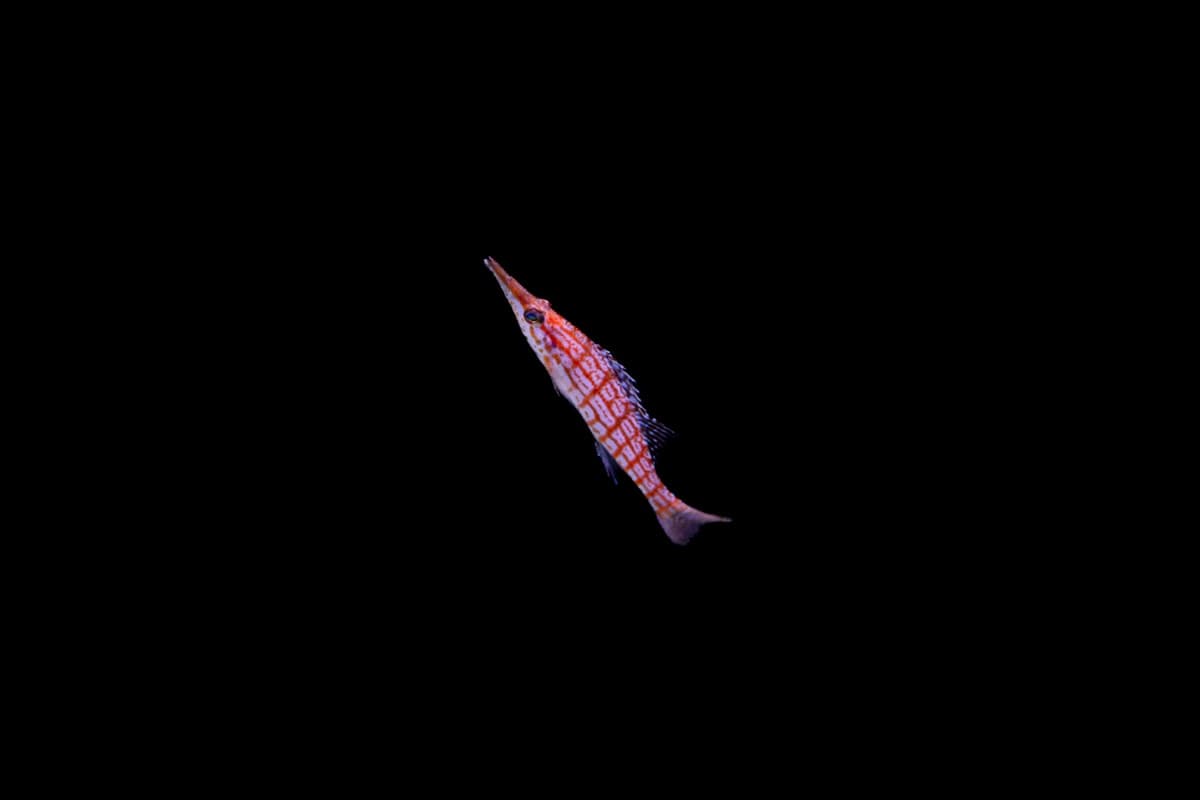
The Giftun Islands, a protected national park roughly 7 km offshore, are the most popular day-trip destination. Mahmya Beach on Giftun Kebir is powder-soft and the snorkelling around the island's northern tip is spectacular — expect schools of snappers, the flash of parrotfish, and if you're lucky, a hawksbill turtle cruising past. Day trips including boat transfer, snorkelling equipment, and lunch run around EGP 700–1,200 per person.
For divers, the sites around Hurghada range from gentle slopes suitable for beginners to dramatic walls and wrecks. The Abu Ramada Aquarium is excellent for its sheer fish density. Sha'ab Abu Nuhas, further north near Shadwan Island, hosts four accessible wrecks including the Giannis D — a cargo ship resting in 28 metres of water, now so encrusted with coral it looks grown rather than sunk. Most dive centres charge $35–55 USD per two-tank boat dive, with PADI Open Water courses available for $300–400 USD over 3–4 days.
Explore the Desert
The Eastern Desert is Hurghada's underrated attraction. Quad biking and jeep safaris into the mountains behind the city are popular — expect sunset ATV tours for around EGP 800–1,500 per person — but more rewarding are the guided Bedouin village visits and camel treks that take you into the silence of the Wadi Nakheil valley. Stargazing here, away from city light pollution, is exceptional.
Wander El Dahar
Hurghada's old town neighbourhood, El Dahar, is where the city's Egyptian soul lives. The covered souk sells spices, papyrus, perfume oils, and the kind of tourist kitsch you'll either love or avoid. The real draw is the food — small restaurants serving koshary (Egypt's beloved street dish of rice, lentils, pasta, and spiced tomato sauce) for under EGP 50, or fresh grilled fish bought by weight from stalls around the central market.
Dolphin House and Snorkelling Trips
A sheltered bay north of town near Sha'ab El Erg is nicknamed Dolphin House for its resident pod of spinner dolphins. Liveaboards and day boats visit in the early morning when dolphin activity is highest. Swimming with wild dolphins is never guaranteed, but sightings are common — the pod numbers roughly 100 individuals. Trips depart around 6:30am and cost EGP 700–1,000 per person.
Where to Stay
Hurghada's accommodation scene runs from budget guesthouses in El Dahar (EGP 400–800 per night) to enormous all-inclusive resort complexes along the Sahl Hasheesh and Makadi Bay coastlines south of the city.
Budget: Sindbad Apartments in Sakkala offer clean, self-catering rooms close to the marina from around EGP 600–900 per night.
Mid-range: The three- and four-star resorts along El Dahar's northern beach strip offer private beach access and pools for EGP 1,800–3,500 per night including breakfast.
Luxury: Sahl Hasheesh, a planned resort enclave 18 km south of the city centre, is home to properties like the Baron Palace and RIXOS. Expect full all-inclusive packages from $150–300 USD per person per night during peak season.
If you want easy access to nightlife, restaurants, and tour operators, stay in Sakkala or near the marina. If seclusion and beach quality matter more, head south to Makadi Bay or Sahl Hasheesh.
Practical Tips and Warnings
Sunscreen: The Red Sea sun is brutal year-round. Reef-safe, biodegradable sunscreen is not just an environmental courtesy — it's required at Giftun Island National Park. Carry SPF 50+ and reapply after every swim.
Bargaining: In El Dahar souk, negotiate firmly. Initial prices are typically two to three times what sellers will accept. At formal shops and restaurants, prices are fixed.
Water: Drink only bottled water. A 1.5 litre bottle costs EGP 15–25 at supermarkets; avoid buying from beach vendors who charge five times more.
Currents and Conditions: Always ask your dive or snorkel guide about conditions before entering the water. The Red Sea's currents can shift suddenly around headlands. Never dive alone and always display a surface marker buoy (SMB) on ascent.
Currency: ATMs are widely available in Sakkala and the marina area. Most resorts and dive centres accept USD and EUR in cash or card, but Egyptian Pounds will get you better rates in local restaurants and shops.
Dress Code: Resort zones are relaxed, but cover up when walking through El Dahar and local markets — light trousers and a loose shirt are enough to show basic respect and spare yourself unwanted attention.
Nearby Attractions Worth the Journey
Luxor: Just 3–4 hours south, Luxor holds the Valley of the Kings, Karnak Temple, and enough ancient monuments to fill a week. Day trips are possible but rushed — consider an overnight if you have the time.
El Gouna: Only 25 km north of Hurghada, this purpose-built resort island town feels like a cleaner, quieter, more upscale version of its neighbour. Day trips by taxi (EGP 200–300 each way) are easy, or you can base yourself here for calmer surroundings while accessing the same Red Sea.
Mons Claudianus: A remote Roman quarry site deep in the Eastern Desert, roughly 100 km west, where you can see massive unfinished granite columns abandoned millennia ago — one of Egypt's most atmospheric and overlooked ancient sites. Specialist desert tour operators in Hurghada run day trips.
Frequently Asked Questions
Do I need a visa to visit Hurghada? Most nationalities can purchase a single-entry visa on arrival at Hurghada Airport for $25 USD, payable in cash or by card. UK, EU, and US passport holders are all eligible. If you're visiting only the Red Sea Governorate (Hurghada, Sharm El Sheikh, or the Sinai coastal areas), some nationalities qualify for a free 'Sinai Only' stamp — but this does not apply to Hurghada, which requires a full Egyptian visa.
Is Hurghada safe for solo travellers and families? Hurghada is considered one of Egypt's safest destinations for international visitors. The resort zones are well-policed, tourist harassment has decreased significantly since the post-2011 reforms, and families will find the beach and water-park infrastructure genuinely child-friendly. Standard big-city precautions apply in El Dahar — keep valuables discreet, use licensed taxis or the Uber/Careem apps, and trust your instincts in crowded areas.
How many days do I need in Hurghada? Three to four days is the sweet spot for most visitors. One day for a Giftun Islands snorkel trip, one day for a desert excursion, one day to explore El Dahar and the marina, and a buffer day for extra diving or simply doing nothing more strenuous than floating in the Red Sea with a horizon of bare mountains turning gold in the late afternoon light.
The Weekly Dispatch
More on Egypt, every Friday.
Cultural depth and places most guides never mention.
No spam. Unsubscribe anytime.