Luxor Travel Guide for First Timers: Everything You Need
Your ultimate Luxor travel guide for first timers — temples, tombs, costs, and insider tips to make the most of Egypt's greatest open-air museum.
Audio Guide: Luxor Travel Guide for First Timers: Everything You Need
Luxor hits you before you even step off the plane. The Nile glitters below, the desert bleaches everything gold, and somewhere beneath that sun-baked earth lie more pharaohs than anywhere else on earth. This city of 500,000 people sits on the ruins of ancient Thebes, the most powerful capital the ancient world ever knew — and it is, without question, the single greatest concentration of ancient monuments on the planet.
If this is your first visit, expect to feel genuinely overwhelmed. Not in a bad way. In the way you feel when something is bigger and older and stranger than your imagination prepared you for.
Why Luxor Should Be Your First Stop in Egypt
Cairo gets the headlines, but seasoned Egypt travelers will quietly tell you that Luxor is the real prize. Here, the monuments are intact, the setting is dramatic, and the human scale of the place — you can walk between sites, take a calèche (horse-drawn carriage), or cycle along the Corniche — makes it manageable in a way Cairo never quite is.
The East Bank holds the living city: bustling souqs, Karnak Temple, and Luxor Temple glowing amber at night. Cross the Nile on a local felucca for a handful of Egyptian pounds and you reach the West Bank — the Valley of the Kings, the Valley of the Queens, Hatshepsut's breathtaking mortuary temple, and farmland so green it looks painted. Two banks, two entirely different worlds, one city.
Getting to Luxor
By Air: Luxor International Airport (LXE) receives direct flights from Cairo (1 hour, from around $40–80 USD on EgyptAir or Nile Air), and seasonal charter flights from Europe. A taxi from the airport to the city center costs roughly 100–150 EGP (about $3–5 USD) if you negotiate before getting in.
By Train: The overnight sleeper train from Cairo is one of travel's great old-school experiences. Abela Egypt operates the service — book a private two-berth cabin (around $60–80 USD per person) for a rattling, romantic nine-hour journey. Meals are included and the staff are friendly. You arrive at Luxor Station, a 10-minute walk from the Corniche.
By Nile Cruise: Many first timers approach Luxor as part of a cruise from Aswan (3–4 nights) or Cairo (longer itineraries). Cruises dock right on the Corniche, which is impossibly convenient.
Best Time to Visit
October through April is prime Luxor season. Temperatures sit between 20–30°C (68–86°F), the light is golden rather than punishing, and evenings are genuinely cool — bring a light layer for temple visits after dark.
Avoid May through August unless you're heat-adapted. Temperatures regularly hit 45°C (113°F), and midday touring becomes genuinely dangerous. If you must visit in summer, be at the Valley of the Kings before 8am and take a long midday break.
Ramadan brings a completely different energy to Luxor — restaurants close during the day, but evenings explode with food, music, and celebration. It's worth experiencing if you're flexible.
What to Expect: The East Bank
Karnak Temple Complex
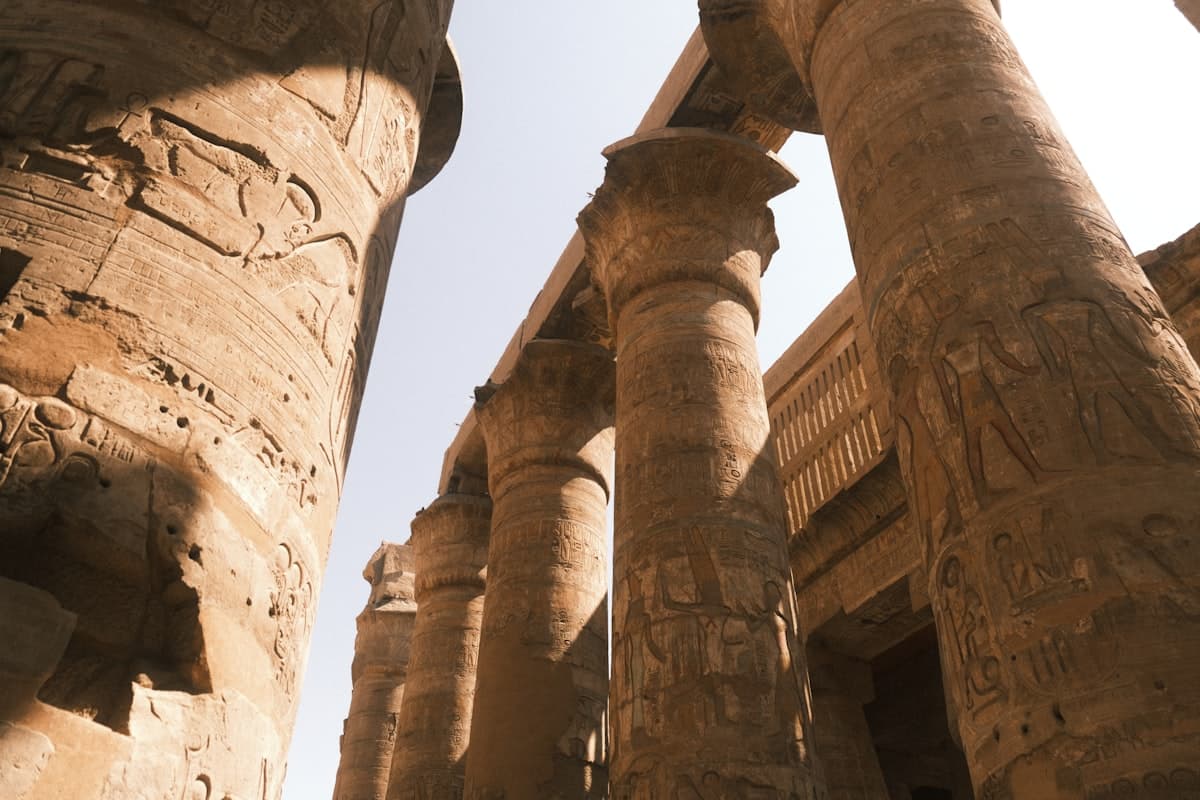
Give Karnak a full morning — three hours at minimum, four if you love ancient history. This is not one temple but a vast complex built over 2,000 years by successive pharaohs, each trying to outdo their predecessor. The Hypostyle Hall alone, with its 134 massive columns rising 23 metres and still painted with faded hieroglyphs, makes grown adults go quiet.
Entrance costs 220 EGP (about $7 USD) for adults. Opening hours are 6am–5:30pm daily. Go early — by 9am the tour groups have arrived and the columns echo with a dozen different languages and the shuffling of a thousand sandals.
The Sound and Light Show runs nightly (check the schedule, as days vary by season) for around 200 EGP. It's kitsch in the best possible way and worth doing once.
Luxor Temple
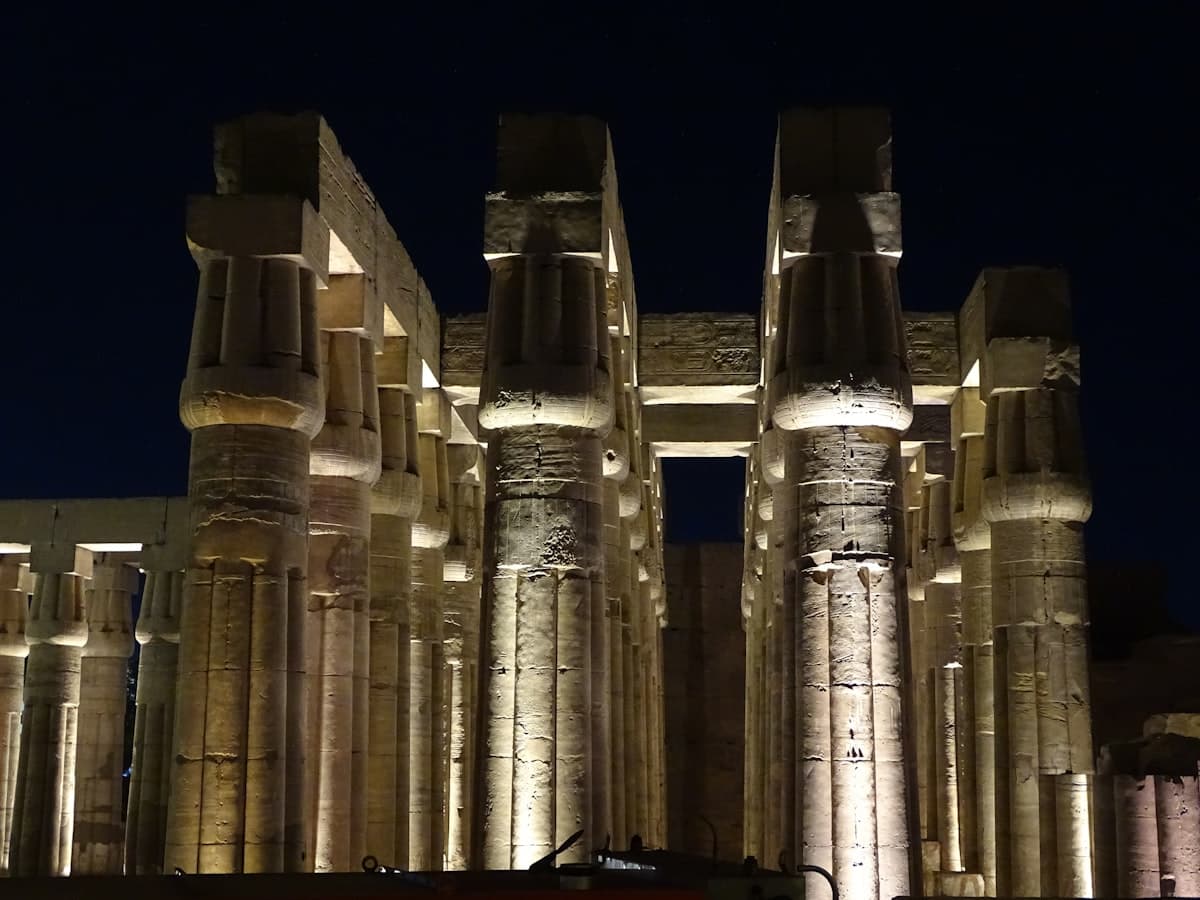
Luxor Temple is where you go at night. Floodlit against a velvet sky, the ram-headed sphinxes of the Avenue of Sphinxes glow, and the entrance pylon — two towering walls of stone — frames the stars perfectly. Entrance is 160 EGP (around $5 USD). It stays open until 9pm.
What surprises most first timers: there's a functioning mosque built directly into the temple courtyard. Worship has happened continuously on this site for over 3,000 years in one form or another. That continuity is one of Luxor's great quiet revelations.
What to Expect: The West Bank
Cross the Nile by local ferry (5 EGP each way — about $0.16) from the dock near Luxor Museum. You'll need to hire a taxi or minibus on the other side; negotiate a full-day West Bank taxi for around 300–500 EGP depending on your itinerary.
Valley of the Kings
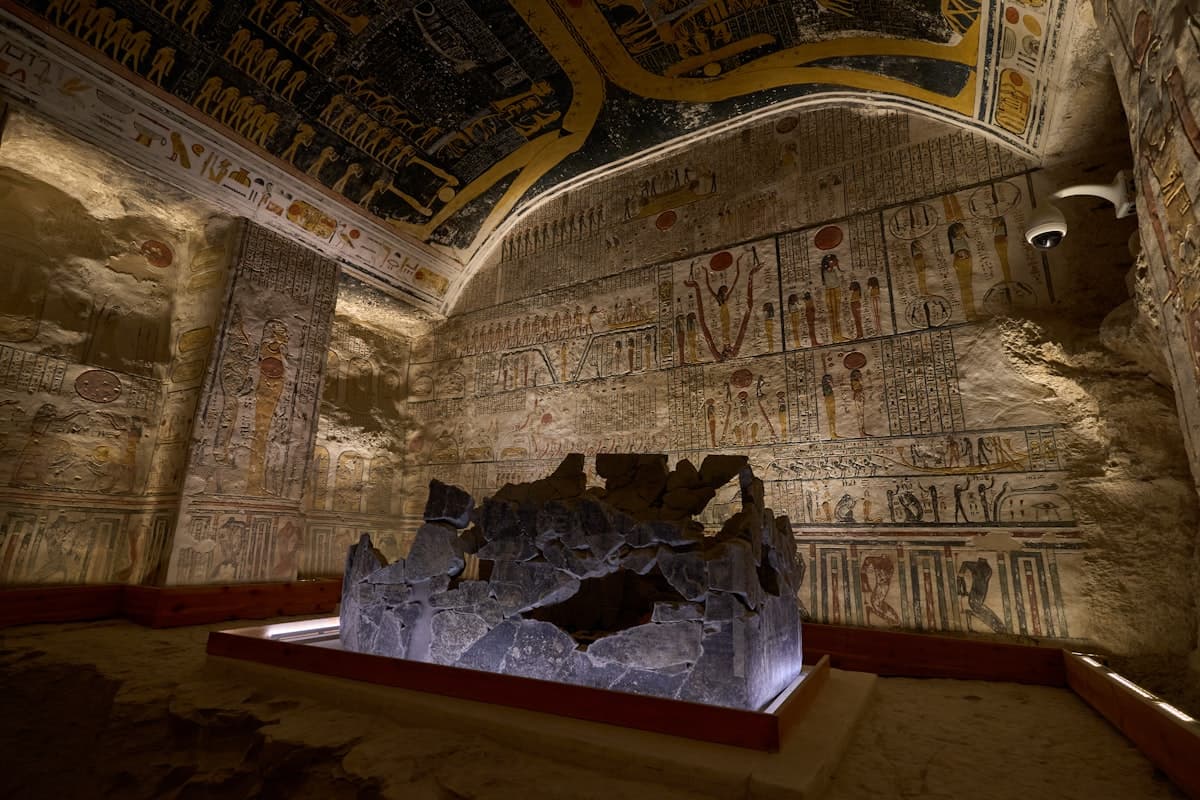
The entrance ticket (360 EGP, roughly $12 USD) includes entry to three tombs from the standard rotation. Tutankhamun's tomb costs an additional 300 EGP — small and anticlimactic compared to others, but historically irresistible. For something truly spectacular, pay the premium for Seti I's tomb (1,400 EGP): the ceiling is astronomical, the colors electric blue and ochre and gold, and the scale will make you reconsider everything you thought you knew about the ancient world.
Be there when it opens at 6am. The heat inside the tombs builds fast, and by 10am the combination of body heat and dry air makes some tombs genuinely uncomfortable.
Hatshepsut's Mortuary Temple (Deir el-Bahari)
Rising in three colonnaded terraces against sheer golden cliffs, Hatshepsut's temple is one of the most architecturally perfect buildings in Egypt. Entrance is 180 EGP. Go in the early morning when the cliff face turns amber and the shadows are long — photographers will run out of superlatives.
The Colossi of Memnon
These two 18-metre seated statues sitting alone in a field, slightly cracked and worn by 3,400 years of Nile floods, are free to visit and never crowded. They're a five-minute stop on the way to other West Bank sites — but stand next to them and feel the scale, and you'll understand why ancient Greek travelers came from across the Mediterranean just to see them.
Practical Tips and Warnings for First Timers
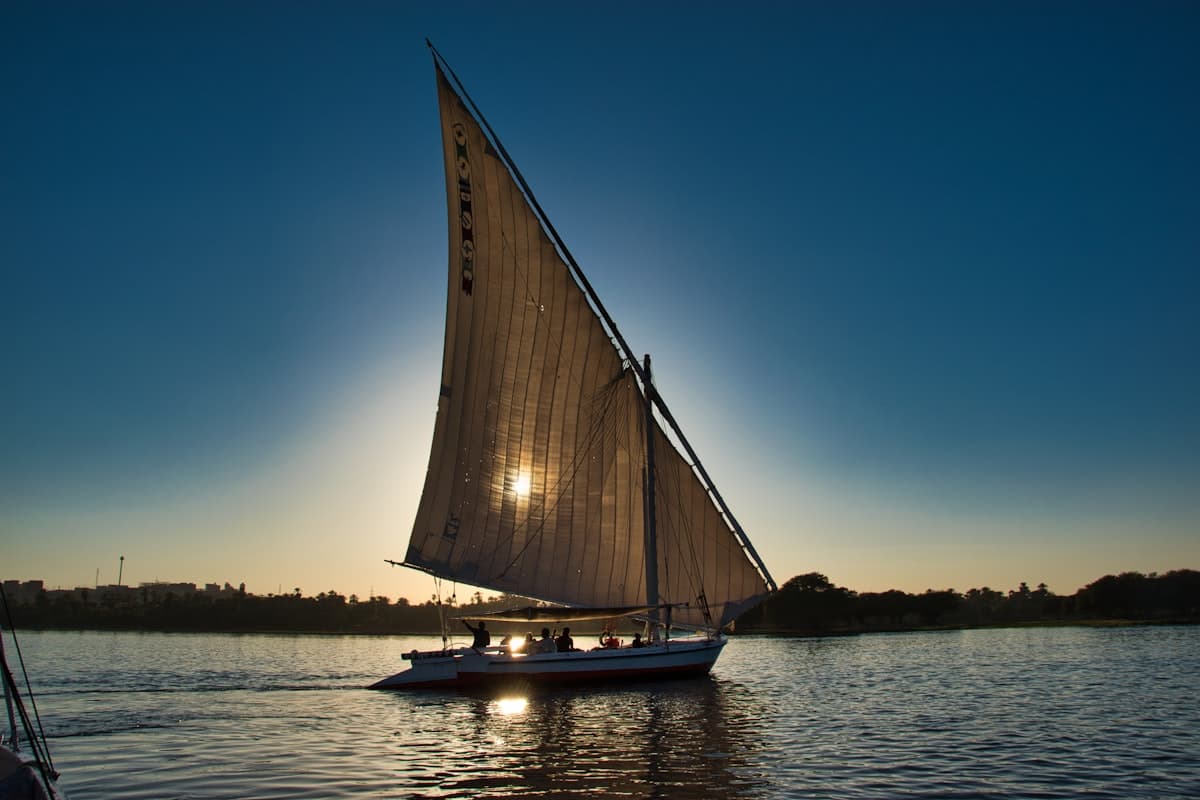
Bargain everywhere, but fairly. The Luxor souvenir market around Luxor Temple operates on negotiation. Start at 30–40% of the asking price and settle somewhere in the middle. Felucca and calèche rides should be negotiated upfront — a one-hour felucca ride should cost 100–150 EGP for the whole boat.
Dress modestly. Loose, light-colored cotton that covers your shoulders and knees will keep you cooler and is appropriate for entering temples and mosques. A scarf is useful for women.
Hydrate aggressively. Carry at least 1.5 litres of water whenever you're outside. Bottled water costs around 10–15 EGP at shops; it's triple the price at tourist sites.
Watch the 'free' offerings. If someone hands you a lotus flower, offers to show you something, or gives you a complimentary bracelet, they will expect payment. A polite 'la shukran' (no thank you) works well.
Get an Egypt tourist SIM. Vodafone Egypt and Orange both sell tourist data SIMs at the airport for around 100–200 EGP. Google Maps works well in Luxor and having offline maps is invaluable on the West Bank.
Where to Eat and Stay
Eating: The Corniche is lined with restaurants of varying quality. Sofra Restaurant (Mohammed Farid Street) serves excellent Egyptian home cooking — ful medames, koshari, and grilled meats at local prices (30–80 EGP per dish). For sundowners over the Nile, the rooftop at Al Sahaby Lane near Luxor Temple is a classic.
Sleeping: Budget travelers do well at family-run guesthouses on the East Bank for $15–30 USD per night. Mid-range options cluster near the Corniche for $50–100 USD. For a splurge, the Old Winter Palace Hotel — where Agatha Christie stayed while writing Death on the Nile — has rooms from around $200 USD. Waking up to that view of the Nile from your balcony is genuinely worth saving for.
Nearby Attractions Worth Adding
Dendera Temple Complex (65km north of Luxor): One of the best-preserved temples in Egypt, dedicated to Hathor. The ceiling of the Hypostyle Hall retains vivid colors. Arrange a private taxi for a half-day trip, or book a group tour from Luxor for around 300–500 EGP.
Abydos (150km north): One of ancient Egypt's holiest cities, with the magnificent Temple of Seti I — less visited than anything in Luxor and all the more magical for it. Combine with Dendera for a full-day excursion.
Aswan: A 3.5-hour train ride south, or the starting point for Nile cruises heading north. Completely different in character — Nubian culture, the sound of Sudanese music drifting from painted houses, the island temples of Philae.
FAQ
How many days do you need in Luxor? Three full days covers the essential East and West Bank highlights without feeling rushed. Add a fourth day for Dendera or Abydos, or to revisit Karnak in the early morning light. One day is technically possible but you'll leave knowing you missed half of it.
Is Luxor safe for first-time visitors? Luxor is one of Egypt's safest tourist cities. Tourism is the lifeblood of the local economy and visitors are generally treated with warmth and hospitality. Standard travel awareness applies — keep valuables secure, be firm but polite when declining persistent vendors, and avoid walking alone late at night in unlit areas away from the Corniche. The tourist police maintain a visible presence at all major sites.
Do you need a guide in Luxor? You don't need one, but a licensed Egyptologist guide for the Valley of the Kings or Karnak transforms the experience. Context turns stone and hieroglyphs into stories. Expect to pay $30–60 USD for a half-day guided tour. Book through your hotel or a reputable operator rather than accepting offers from strangers at the site entrance.
The Weekly Dispatch
More on Egypt, every Friday.
Cultural depth and places most guides never mention.
No spam. Unsubscribe anytime.