Marsa Alam Diving Guide: Reefs, Wrecks and Sea Turtles
Your complete Marsa Alam diving guide: top reef sites, live-aboard routes, real costs in EGP and USD, and insider tips from someone who has dived here repeatedly.
Audio Guide: Marsa Alam Diving Guide: Reefs, Wrecks and Sea Turtles
Quick Facts
- Best time to visit
- October to May. Shark season at Elphinstone peaks October to January. Mantas at St Johns appear November to January. Summer diving is possible but extreme heat on boats makes it uncomfortable.
- Entrance fee
- Marine park day permit EGP 200 to EGP 400 per person ($4 to $8 USD) depending on zone. Abu Dabbab beach entry EGP 150 to EGP 250 ($3 to $5 USD). Typically bundled into dive centre day trip costs.
- Opening hours
- Morning boats depart 8am to 8:30am, return by 1:30pm to 2pm. Afternoon departures around 2:30pm. Night dives depart 6:30pm. Dive centres operate daily with no weekly closure.
- How to get there
- Fly into Marsa Alam International Airport (RMF). Resort transfer EGP 400 to EGP 800 ($8 to $16 USD). Taxi to Port Ghalib EGP 300 to EGP 500. No reliable public bus from airport. Direct charter flights from UK, Germany, and Eastern Europe operate in season.
- Time needed
- Minimum 5 days to cover essential sites. 7 days recommended to include Abu Dabbab, Elphinstone, and a night dive. 10 days or a 5-night live-aboard needed to reach St Johns Reefs properly.
- Cost range
- Budget shore dive days EGP 2,000 to EGP 3,500 ($40 to $70 USD). Mid-range two boat dives plus resort EGP 5,000 to EGP 9,000 ($100 to $180 USD). Live-aboard from $700 USD per person for 5 nights including all diving.
[Marsa Alam Diving Guide](https://gildedsands.com/destinations/marsa-alam-diving-guide-reefs-wrecks-and-what-to-know): Reefs, Wrecks and Sea Turtles
At Elphinstone Reef, sixty metres below you there is nothing but open blue water. The current runs fast along the southern plateau, and if you hit the tide wrong you will spend the entire dive finning hard just to stay still. Get it right, and an oceanic whitetip shark drifts past at arm's length, completely indifferent to your bubbles. That is Marsa Alam in one moment: raw, specific, occasionally humbling, and unlike anywhere else in the Red Sea.
Sharm el-Sheikh has the infrastructure and the party scene. Hurghada has the package holidays. Marsa Alam has the fish. The reefs here are genuinely less pressured than their northern counterparts, the dugong population at Abu Dabbab is the most reliably encountered in Egyptian waters, and the sheer variety of sites within a two-hour drive north or south of town puts most Red Sea destinations to shame. This Marsa Alam diving guide covers every practical detail you need: which sites to prioritise, what to pay, which dive centres deserve your money, and the mistakes that will ruin your week if you make them.
Quick Facts
Best time to visit: October to May for comfortable air temperatures and calmer seas. July and August work for diving but air temperatures hit 42C and the desert wind is brutal on boat decks. Dive centre day trip costs: Approximately EGP 3,500 to EGP 5,500 per person (roughly $70 to $110 USD) for a two-dive day trip including equipment rental and lunch. Shore dives from your hotel run EGP 600 to EGP 1,200 ($12 to $24 USD). Marine park fees: Ras Mohamed and the St Johns Reefs area require national park permits. Dive centres include these in quoted prices, but always confirm. Current permit cost runs around EGP 200 to EGP 400 per person per day ($4 to $8 USD) depending on the zone. How to get there: Fly into Marsa Alam International Airport (RMF), approximately 65km north of the town centre. Transfers arranged through your dive resort cost EGP 400 to EGP 800 ($8 to $16 USD) each way. Taxis from the airport to Port Ghalib run EGP 300 to EGP 500. There is no reliable public bus service from the airport. Opening hours: Dive centres typically run morning boats departing 8am to 8:30am, returning by 2pm. Afternoon dives depart around 2:30pm. Night dives are available at selected sites, usually departing 6:30pm. Time needed: Minimum five days to hit the essential sites. Seven to ten days allows you to add a live-aboard or the long southern journey to St Johns Reefs. Cost range: Budget divers staying in simple guesthouses and doing shore dives EGP 2,000 to EGP 3,500 per day ($40 to $70 USD). Mid-range with resort accommodation and two boat dives EGP 5,000 to EGP 9,000 ($100 to $180 USD). Live-aboard five-night packages start at $700 USD per person for shared cabin.
The Reef System: What Makes Marsa Alam Different
The coastline stretches roughly 200km between Port Ghalib in the north and the Sudanese border in the south. Along that stretch you get three distinct diving environments: the offshore pinnacles and walls of Elphinstone and Sha'ab Marsa Alam, the seagrass bays where dugongs and turtles feed at Abu Dabbab and Marsa Mubarak, and the remote southern reefs at St Johns and Rocky Island that require a live-aboard or long-range boat to reach properly.
The water clarity here is extraordinary. On a calm winter morning at Sha'ab Marsa Alam, visibility regularly exceeds thirty metres. The light filters down in wide shafts, turning the branching fire coral a deep amber. You will hear the parrotfish before you see them, that grinding crunch as they bite directly into the reef structure.
One thing the northern Red Sea sites cannot offer: the density of large marine life. Marsa Alam sits on a migration corridor. Oceanic whitetip and hammerhead sharks pass through in autumn and winter. Mantas appear at St Johns between October and January. Thresher sharks have been recorded at Elphinstone. The dugongs at Abu Dabbab are resident, not seasonal visitors.
The Essential Dive Sites
Elphinstone Reef
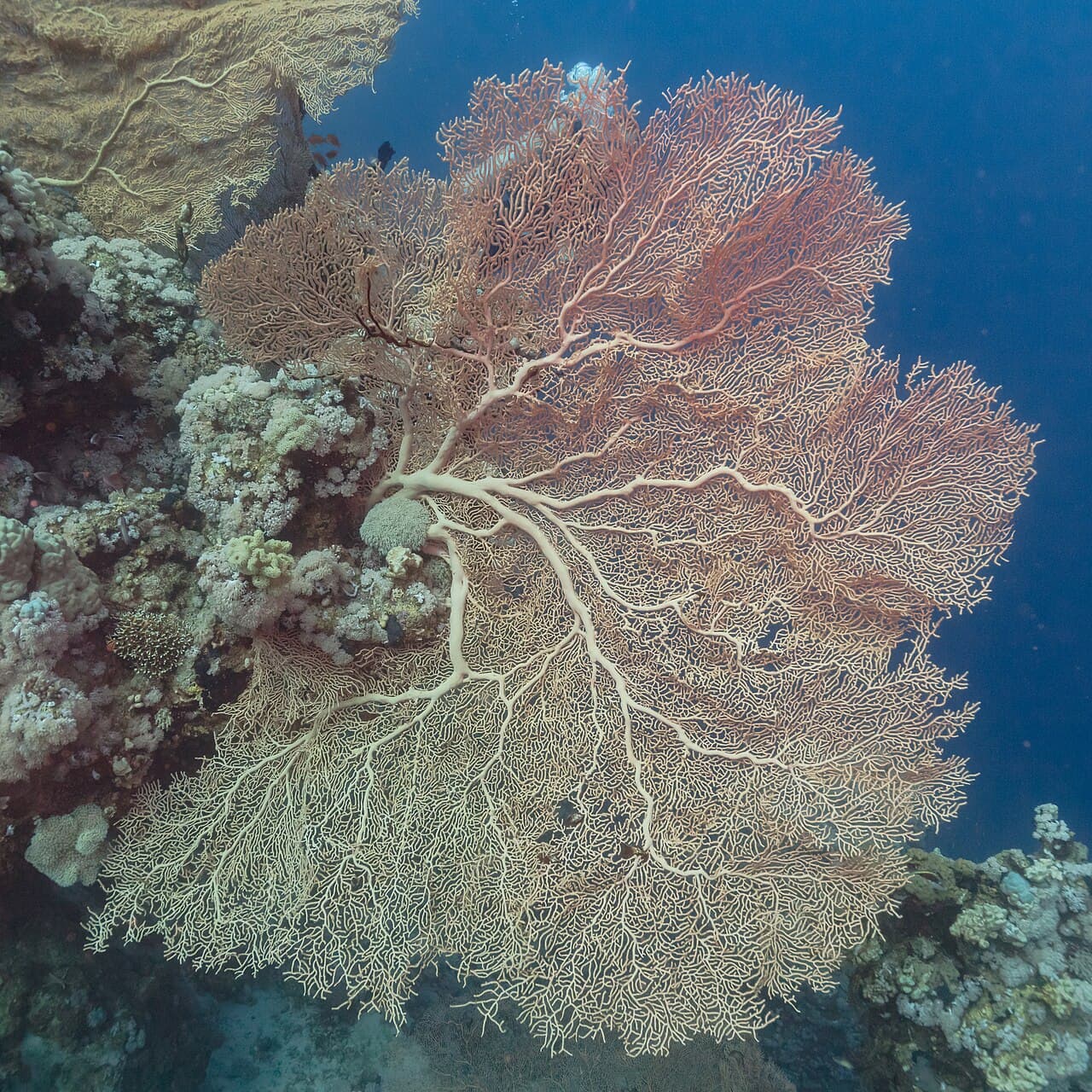
This is the site most divers come to Marsa Alam specifically to dive. The reef is a narrow submerged plateau roughly 300 metres long, lying about 8km offshore. The northern and southern plateaux drop sheer into deep water and that is where the oceanic whitetip sharks congregate between September and January. The walls themselves are covered in soft corals, gorgonian fans and glassfish so thick they block the light.
The current here is not to be taken lightly. The site is suitable for experienced divers only. If your dive centre will send open water beginners to the southern plateau in autumn, that is a red flag about how they operate. Morning dives here are calmer than afternoon trips. Budget for EGP 4,500 to EGP 5,500 for a two-dive trip from Port Ghalib including fuel surcharge.
Abu Dabbab Bay
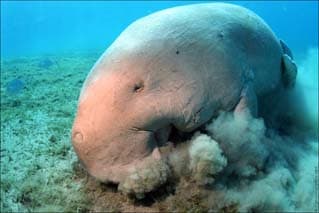
This shallow seagrass bay sits about 30km north of Marsa Alam town. The diving and snorkelling happens in three to eight metres of water over seagrass beds that look unimpressive until you spot the dugong grazing about twenty metres ahead. Green sea turtles here are so habituated to divers they continue eating while you hover nearby. The site also has a coral garden section on its southern edge that rewards slower exploration.
Entrance to the beach area costs EGP 150 to EGP 250 per person ($3 to $5 USD) depending on the concession operator on duty that day. The fee is separate from any dive centre charges. Arrive before 9am to have the bay to yourself before the resort day-trippers arrive.
Sha'ab Marsa Alam (Dolphin House)
Locally called Dolphin House, this reef sits close to the port and regularly hosts a resident pod of spinner dolphins. The dolphins are not guaranteed, but in five visits I have encountered them on four occasions. The rest of the reef offers a pleasant drift dive along a coral wall at eight to twenty metres with strong fish life including Napoleon wrasse and trevally. This is the ideal site for newer divers who want a quality experience without the currents of Elphinstone.
St Johns Reefs
Four hours south by fast boat, or reached via live-aboard, the St Johns complex is the most pristine reef system accessible from Marsa Alam. The main atoll and the smaller satellite reefs at Rocky Island and Zabargad see a fraction of the diver traffic of northern sites. Manta rays feed here in winter, grey reef sharks are common, and the hard coral coverage is exceptional. Day trips from Marsa Alam are possible but expensive, EGP 7,000 to EGP 9,000 ($140 to $180 USD), and the boat journey is rough if swells are running. A live-aboard makes more sense for this zone.
Choosing a Dive Centre
Port Ghalib Marina, about 65km north of Marsa Alam airport, is the main hub for dive operations. Sub Aqua Club Port Ghalib, Subex, and Emperor Divers all operate professional boats with proper safety equipment. Do not book with operators who do not ask for your certification card and log book before departure. Several unlicensed operators work out of pickup trucks on the coastal road and offer prices that look attractive until something goes wrong.
Ask specifically: how many divers per guide? The answer should be no more than six. Ask whether they carry oxygen and whether the boat captain has VHF radio contact with the coast guard. These are not paranoid questions. The southern Red Sea is remote and evacuation times are long.
For live-aboards, Emperor Elite and MY Nouran are consistently well-regarded boats operating southern routes. Book at least three months ahead for the October to January shark season.
Common Mistakes Tourists Make
Booking a day trip to Elphinstone in July or August without checking sea conditions. The summer khamsin winds can make offshore sites genuinely dangerous, and some operators run the trip anyway to avoid refunds. Confirm in advance that your centre will reschedule at no charge if conditions are unsafe.
Underestimating transfer distances. Port Ghalib is not Marsa Alam town. The actual dive hub sits 65km from the airport and 30km from the town most budget hotels sit in. A cheap hotel in Marsa Alam town that is 45 minutes from every dive centre defeats the point of the trip.
Arriving without an SSI or PADI certification for sites that require it. Elphinstone requires Advanced Open Water minimum, and operators who take beginners there anyway are cutting corners on everything else too. If you want to dive Elphinstone, get your Advanced certification before you travel.
Skipping the marine park permit check. Some budget operators quote a low price then add the national park fee on the boat. Confirm in writing that fees are included in your total cost.
Not bringing a surface marker buoy. Currents at Elphinstone and Sha'ab Samadai can carry you away from the boat. Egyptian dive centres do not always provide SMBs as standard equipment. Bring your own.
Timing Abu Dabbab wrong. The bay is genuinely magical at 7am and genuinely awful at 11am when resort buses start arriving. Day-trippers do not ruin the dugong encounter but they ruin the experience. Early morning, always.
Ignoring Sha'ab Samadai (Dolphin Reef) entry rules. This protected bay has strict zoning. Only Zone A is open to snorkellers and divers. Zone B is a dolphin rest area and entering it is an offence under Egyptian law. Several tourists get removed by the ranger boats every season. Follow the briefing.
Practical Tips
Bring your own wetsuit if you travel in winter. A 5mm suit is appropriate from November through February. Water temperatures drop to 22C at depth in January and the rental suits at many centres are worn thin. In summer, a 3mm shortie is more than sufficient.
Equipment quality at the top centres is reliable. If you are renting, inspect the regulator and BCD before you enter the water, not after. Request a dive computer if you are doing multiple dives daily, many centres include one, others charge EGP 100 to EGP 200 extra per day.
Cash is essential for small operators, marine park fees, and beach entry charges. Port Ghalib Marina has ATMs but they run out of notes on busy weekends. Withdraw enough EGP in Hurghada or at Cairo airport to cover your first two days.
For medications: the nearest decompression chamber is in Hurghada, roughly three hours north. DAN dive insurance is not optional here. The annual membership costs around $35 USD and covers emergency recompression treatment.
Drink water obsessively. Dehydration is a significant contributing factor in decompression sickness and the desert heat makes it easy to underestimate your fluid intake. Two litres minimum before your first dive, not counting what you drink on the boat.
Night dives at Sha'ab Marsa Alam are genuinely spectacular between October and March. Lionfish hunt in the open, Spanish dancers appear on the sandy patches, and the bioluminescence in the water column makes every fin stroke glow. Book this in advance as spots fill fast with live-aboard guests.
Frequently Asked Questions
The Weekly Dispatch
More on Egypt, every Friday.
Cultural depth and places most guides never mention.
No spam. Unsubscribe anytime.
About the author
Sarah Osman
Cairo-based writer. Medical degree she never used. Twelve years in Egypt instead.
Full bio →