Sharm el-Sheikh Travel Guide: Beyond the Beach Resorts
Your insider Sharm el-Sheikh travel guide covers real costs, the best dive sites, when to skip Naama Bay, and what every first-timer gets wrong.

Audio Guide: Sharm el-Sheikh Travel Guide: Beyond the Beach Resorts
Quick Facts
- Best time to visit
- October to April. Comfortable temperatures (22 to 30 degrees Celsius), best underwater visibility, and manageable crowds. Avoid July and August when air temperatures exceed 40 degrees regularly.
- Entrance fee
- Ras Mohammed National Park: EGP 750 per person (approx $15 USD). St Catherine's Monastery: EGP 350 (approx $7 USD). No general city fee. Tiran Island dive trip: bundled into boat tour cost.
- Opening hours
- Ras Mohammed National Park: daily 9am to 4pm. St Catherine's Monastery: Monday to Thursday and Saturday, 9am to noon. Old Market (Old Sharm): daily 10am to midnight, liveliest after 8pm.
- How to get there
- Direct international flights to SSH airport from UK, Germany, and most European hubs. EgyptAir from Cairo: 1 hour, EGP 2,500 to EGP 5,500 ($50 to $110 USD). Cairo overland bus (Go Bus or Superjet): 8 to 9 hours, EGP 450 to EGP 600 ($9 to $12 USD). Airport taxi to Naama Bay: EGP 150 to EGP 250 ($3 to $5 USD) negotiated.
- Time needed
- Minimum 4 days to cover diving, Ras Mohammed, and one inland excursion. 7 days recommended for a full experience including Tiran Island and Mount Sinai.
- Cost range
- Budget EGP 1,500 to EGP 2,500 per day ($30 to $50 USD) in Old Sharm guesthouses eating local. Mid-range EGP 4,000 to EGP 8,000 per day ($80 to $160 USD) in a 4-star resort with guided dives. Luxury from EGP 12,000 ($240 USD) per night in Sharks Bay or Nabq.
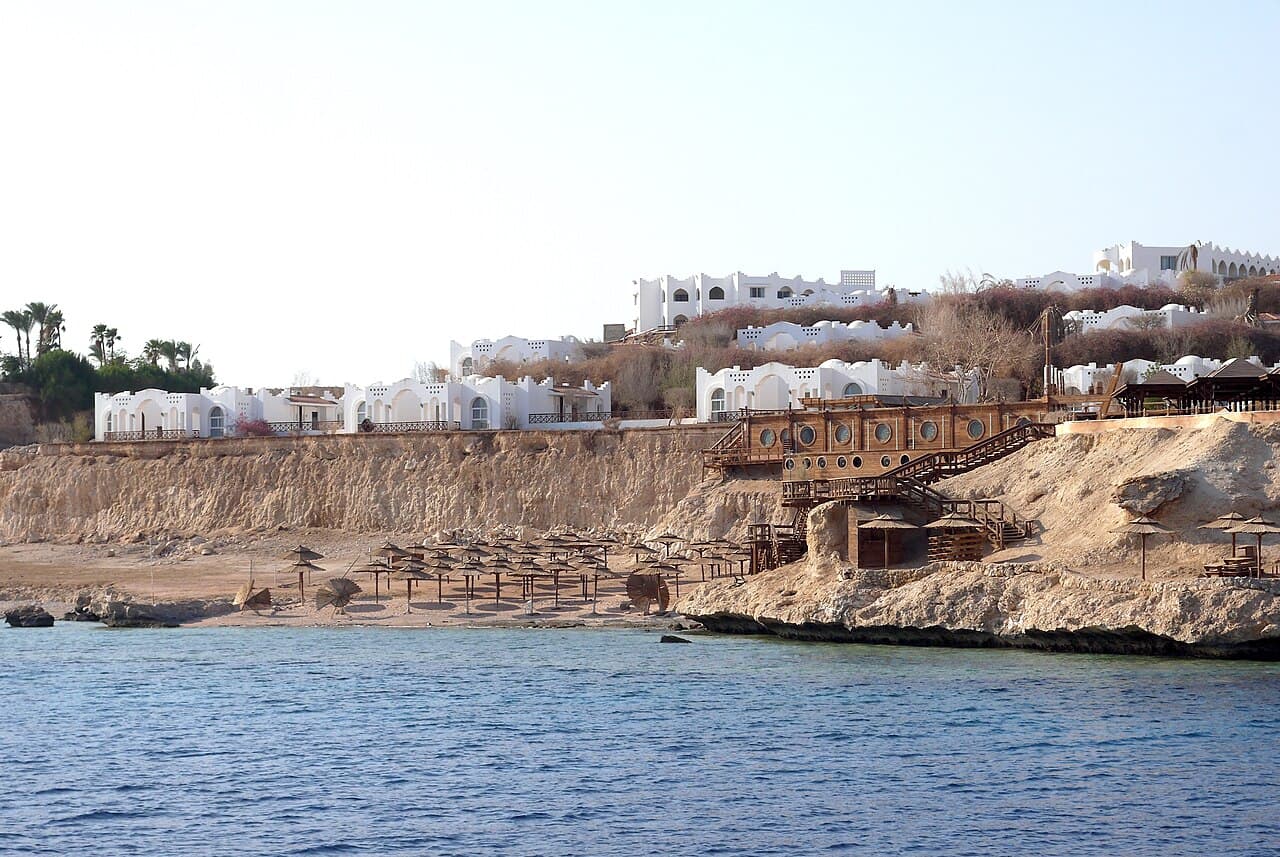
The moment your plane banks over the Sinai Peninsula at night, you see it before you land: a thin ribbon of electric light pressed between black mountains and black sea. Sharm el-Sheikh looks almost improbable from the air, a resort city that has no business existing in this lunar, sun-cracked landscape. Down at sea level, that contrast only sharpens. Step off the air-conditioned transfer bus and the heat hits you first, dry and mineral, carrying the faint salt-and-iodine smell of the Red Sea. Then the colour registers: the water here is not the muddy green of a Mediterranean beach. It is an almost violent cobalt blue.
Sharm has been unfairly written off by some travellers as a package-holiday monoculture, all-inclusive bracelets and poolside cocktails. That version of Sharm absolutely exists, and there is nothing wrong with it. But the Sharm el-Sheikh that keeps serious travellers coming back is the one under the surface: reef walls that drop two hundred metres into cold blue nothing, Bedouin chai served in a canyon at sunrise, and a food scene that has quietly grown into something worth eating through deliberately.
This guide gives you the operational knowledge to do Sharm properly, whether you have four days or fourteen.
Quick Facts
Best time to visit: October to April. Water temperatures sit between 22 and 26 degrees Celsius, air temperatures are comfortable at 22 to 30 degrees, and visibility underwater is at its clearest. July and August push air temperatures above 40 degrees regularly. The sea stays diveable year-round, but summer days on land are genuinely punishing.
Entrance fees: Ras Mohammed National Park costs EGP 750 per person (approximately $15 USD) for foreign visitors, paid at the park gate. The Tiran Island day trip fee is bundled into boat tour prices. There is no general city entrance fee.
Opening hours: Ras Mohammed National Park is open daily from 9am to 4pm. The Old Market in Old Sharm operates daily from roughly 10am to midnight, with the liveliest hours after 8pm. Naama Bay's strip runs 24 hours but quiets between 4am and 10am.
How to get there: Sharm el-Sheikh International Airport (SSH) receives direct international flights from the UK, Germany, Russia, and most European hubs. From Cairo, EgyptAir runs several daily flights, around one hour, costing EGP 2,500 to EGP 5,500 ($50 to $110 USD) depending on booking window. The overland bus from Cairo (Go Bus or Superjet) takes 8 to 9 hours and costs EGP 450 to EGP 600 ($9 to $12 USD). A taxi from the airport into Naama Bay costs EGP 150 to EGP 250 ($3 to $5 USD) if you negotiate before getting in.
Time needed: Four days covers diving, Ras Mohammed, and one excursion into the Sinai interior. Seven days lets you breathe.
Cost range: Budget EGP 1,500 to EGP 2,500 per day ($30 to $50 USD) staying in a guesthouse in Old Sharm and eating local. Mid-range EGP 4,000 to EGP 8,000 per day ($80 to $160 USD) in a four-star resort with guided dives included. Luxury resorts in the Sharks Bay and Nabq areas start at EGP 12,000 ($240 USD) per night.
Where to Stay: The Three Sharmsyou Need to Know
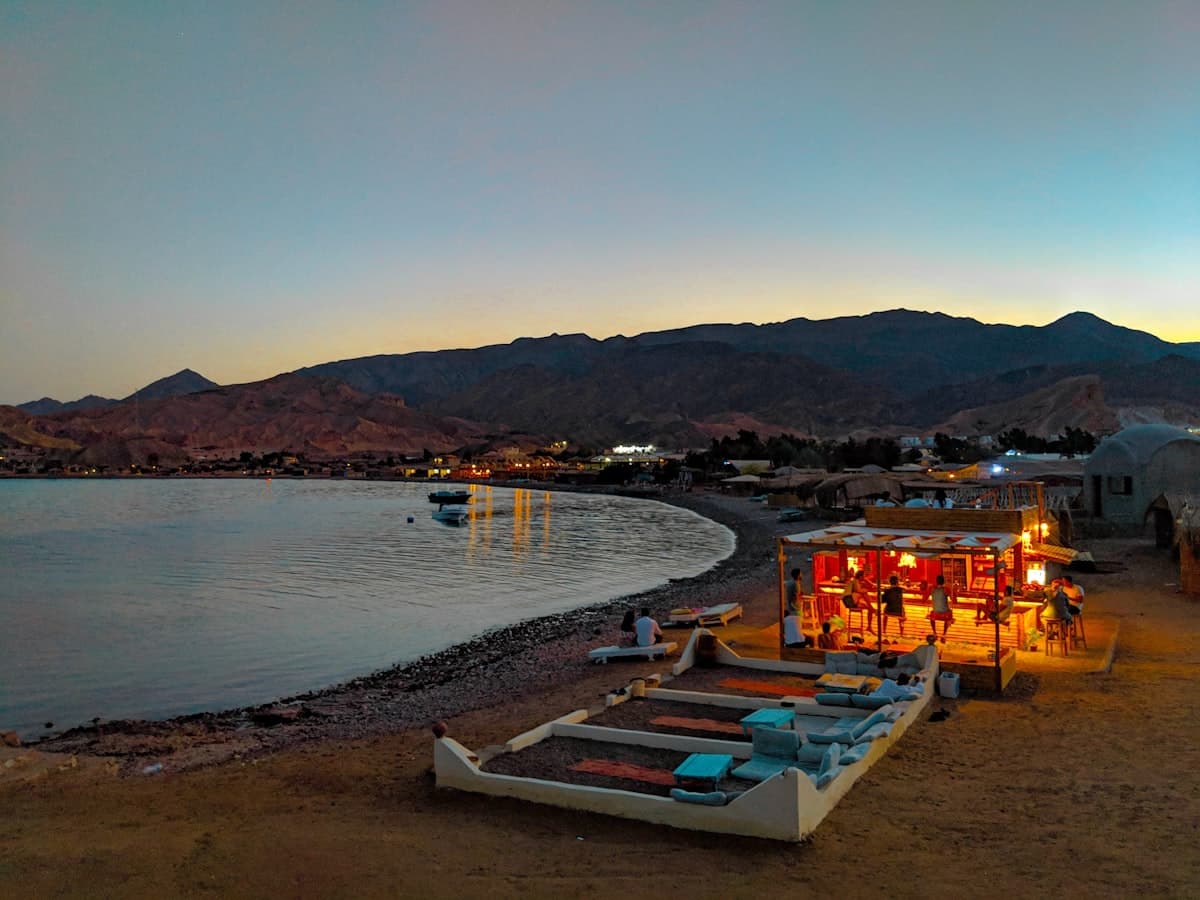
Sharm el-Sheikh is not one place. It is three distinct zones separated by long, taxi-dependent roads, and where you stay shapes your entire experience.
Naama Bay is the original tourist hub, a curved bay lined with dive centres, restaurants, and low-to-mid-range hotels. It is walkable, loud until 3am, and genuinely convenient if you plan to dive daily. The beach here is decent but not the best in the area.
Old Sharm (also called Sharm el-Maya) is where Egyptians actually live and eat. The Old Market here is a proper souk, not a tourist performance, and the restaurants along the main street serve grilled fish by the kilo at prices Naama Bay cannot match. A full sea-bream dinner with mezze and bread costs EGP 200 to EGP 350 ($4 to $7 USD). I ate here almost every evening when I was based in Sharm for a month. The atmosphere is honest, slightly chaotic, and completely worth the twenty-minute taxi ride from Naama Bay.
Sharks Bay and Nabq sit north of Naama Bay along the coast and house the large five-star resorts that most package tourists use. The beaches here are wider and less crowded. If you are not planning to leave your resort much, this is the right area. If you want to explore, you will spend a lot on taxis.
Diving and Snorkelling: What the Brochures Understate
The reef around Sharm el-Sheikh is some of the most accessible world-class diving on the planet. The water clarity is exceptional, visibility regularly exceeding 25 to 30 metres, and the biodiversity is staggering. But the sites vary enormously in character, and choosing wrong means missing what makes this place special.
Ras Mohammed National Park contains Shark Reef and Jolanda Reef, two of the most celebrated dive sites in the Red Sea. The fish life here is so dense it can feel overwhelming: enormous schools of anthias, glassfish, and barracuda move through the water in formations that block the light. The walls drop sheer from the surface and the current at the tip of the peninsula can be strong. This is not a beginner site. Hire your guide through a reputable Naama Bay dive centre rather than a park-gate tout. Expect to pay EGP 1,200 to EGP 1,800 ($24 to $36 USD) for a two-tank guided dive from a Naama Bay operator, including the park entry fee.
Tiran Island sits at the mouth of the Gulf of Aqaba and the passage current makes for spectacular drift dives along four named reefs: Jackson, Woodhouse, Thomas, and Gordon. Day trips depart from Naama Bay marina at around 8am and cost EGP 1,500 to EGP 2,200 ($30 to $44 USD) including lunch and two dives. Book the day before through any dive centre in Naama Bay.
The Alternatives for Snorkellers: If you do not dive, do not waste your time on the main beach. Take a glass-bottom boat from the Naama Bay marina to the Near Garden and Far Garden reefs, which are walkable snorkel sites with live coral starting in about one metre of water. The boat costs EGP 400 to EGP 600 ($8 to $12 USD) for a half-day. The reef here is in better condition than most of the shoreline accessible from resort beaches.
Into the Sinai Interior
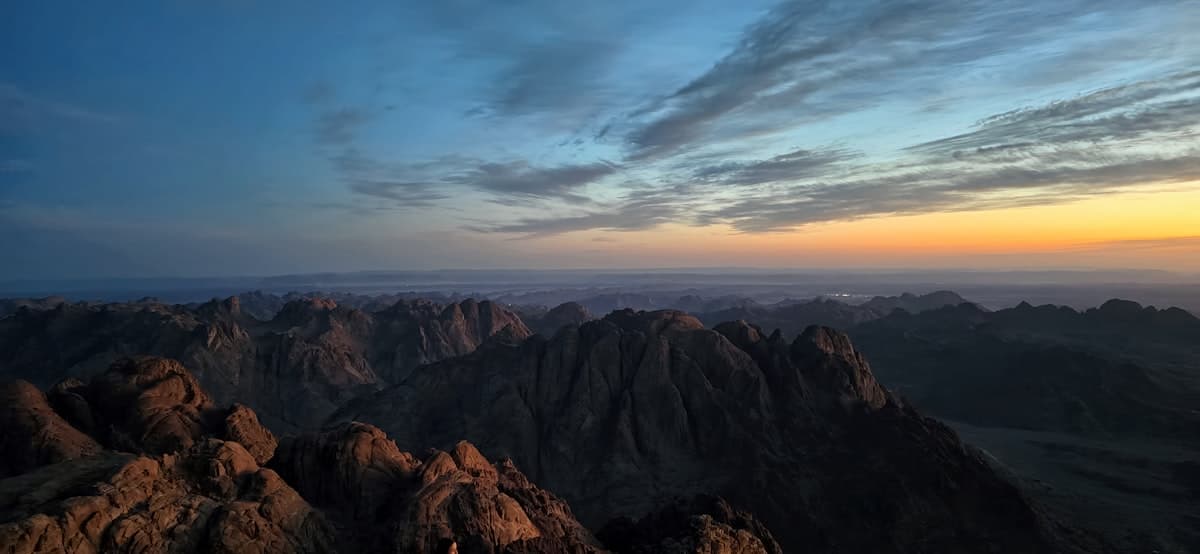
The mountains behind Sharm are Sinai's less-photographed gift. The landscape is rust-red granite worn into smooth, round forms, threaded with wadis (dry riverbeds) that flood spectacularly during rare rain events. The colours change by the hour: orange at dawn, bleached pale by midday, then deep amber and violet as the sun drops.
Mount Sinai is the most visited inland site and still worth the effort if you time it right. The standard approach is to leave Sharm at midnight, drive two hours to St Catherine's Monastery, begin the 750-step ascent called the Steps of Repentance at around 2am, and reach the 2,285-metre summit for sunrise. The cold at the top shocks most people who have just been baking at sea level. Bring a proper fleece. Entry to the mountain is free, though a guide is strongly recommended and costs EGP 400 to EGP 600 ($8 to $12 USD). St Catherine's Monastery opens to visitors from 9am to noon, Monday to Thursday and Saturday, and costs EGP 350 ($7 USD).
Coloured Canyon is a slot canyon an hour and a half north of Sharm whose walls are striped in red, yellow, purple, and white from iron and manganese minerals. It takes about two hours to walk through with a guide. Most Sharm tour operators run half-day trips for EGP 600 to EGP 900 ($12 to $18 USD) including transport and a Bedouin tea stop.
The Bedouin camps in the Sinai interior offer overnight experiences that bear no resemblance to anything in the resort strip. A night in a traditional goat-hair tent camp, with dinner, costs EGP 1,200 to EGP 1,800 ($24 to $36 USD) per person and should be booked through a verified operator. The silence and the star density at these altitudes are both genuinely extraordinary.
Common Mistakes Tourists Make
Booking a dive with the first centre they see. The operators in the front row along Naama Bay's promenade are the most aggressive marketers, not the best divers. Walk two streets back and compare PADI certification status, boat condition, and guide-to-diver ratios. A good centre limits groups to six divers per guide. A bad one packs twelve onto a boat.
Eating only at resort restaurants. Resort food in Sharm is mediocre at two to three times Old Sharm prices. A twenty-minute taxi ride to the Old Market saves you money and puts actual Egyptian food in front of you.
Ignoring the current forecasts for Tiran. The passage between Tiran Island and the Saudi coast is one of the strongest tidal currents in the Red Sea. Non-divers who take glass-bottom boat trips here and assume they can jump in and snorkel have been swept into difficulty. Ask your operator specifically about conditions that day.
Visiting Ras Mohammed in high summer. The park requires significant time on land between dives, and the exposed granite bakes to temperatures that make the surface interval genuinely miserable. October through April is when this park rewards the effort.
Taking the airport taxis at face value. Official-looking drivers at arrivals will quote EGP 500 to EGP 700 for a Naama Bay transfer. The correct price is EGP 150 to EGP 250. Walk to the road outside the terminal and negotiate there, or use a hotel transfer booked in advance.
Underestimating distances between zones. Sharm looks compact on a map but the resort strip stretches nearly 20 kilometres from Old Sharm to Nabq. There is no usable public transport. Budget EGP 80 to EGP 200 per taxi journey and factor that into your daily costs.
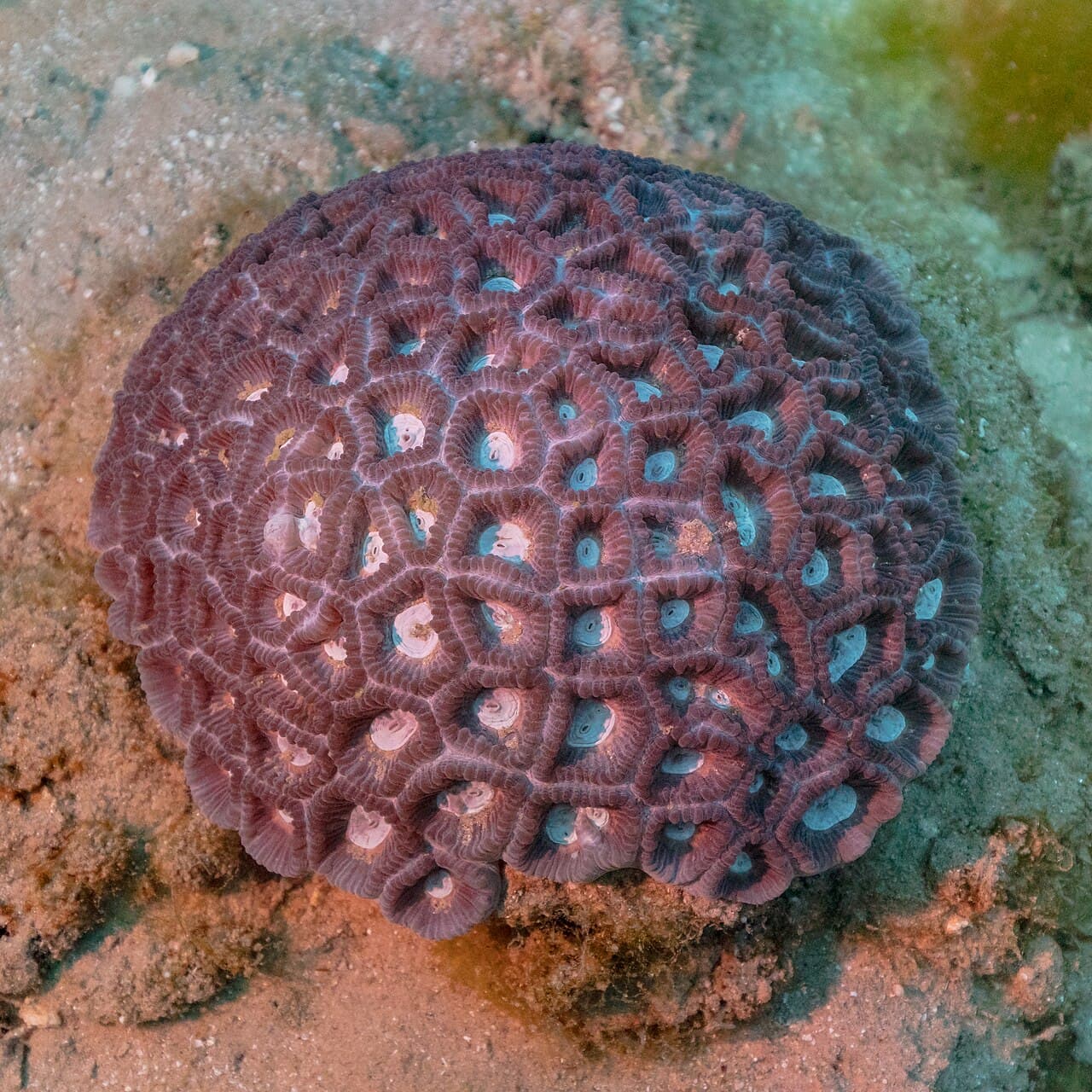
Assuming the reef is the same everywhere. Boat anchoring has damaged large sections of the near-shore reef adjacent to hotel beaches. The living coral requires a boat trip to reach. Do not judge Sharm's diving based on what you see from a hotel jetty.
Practical Tips
Visa: Most nationalities receive a free Sinai-only visa on arrival at Sharm airport. This allows you to stay in the Sinai Peninsula (including St Catherine's and Dahab) but not cross to mainland Egypt. If you plan to visit Cairo, Luxor, or anywhere else, get a full Egypt e-visa before travel at visa2egypt.gov.eg for $25 USD.
Currency: ATMs in Naama Bay dispense Egyptian pounds. The rate at bank ATMs beats any hotel exchange desk significantly. Carry cash for anything outside the large resorts, as card acceptance is inconsistent at dive centres and local restaurants.
Water: Tap water in Sharm is desalinated and not safe to drink. Bottled 1.5-litre bottles cost EGP 15 to EGP 25 ($0.30 to $0.50 USD) from supermarkets. Resort minibars charge six times that. Buy from the small grocery shops on the side streets off Naama Bay's main strip.
Sun protection: The combination of altitude reflection in the Sinai mountains and the equatorial angle of the sun here is savage. SPF 50 applied twice daily is the minimum. Reef-safe sunscreen (mineral-based, without oxybenzone) is required inside Ras Mohammed National Park and is the right call everywhere you enter the water.
Connectivity: Vodafone Egypt and Orange Egypt SIM cards are available at the airport arrivals hall. A tourist data SIM with 20GB costs EGP 250 to EGP 350 ($5 to $7 USD) and covers calls, texts, and data for thirty days. This is the single most useful purchase you will make on arrival.
Frequently Asked Questions
The Weekly Dispatch
More on Egypt, every Friday.
Cultural depth and places most guides never mention.
No spam. Unsubscribe anytime.
About the author
Sarah Osman
Cairo-based writer. Medical degree she never used. Twelve years in Egypt instead.
Full bio →