Siwa Oasis Travel Guide: Egypt's Remote Desert Paradise
Plan your trip with this complete Siwa Oasis travel guide. Discover ancient ruins, salt lakes, hot springs, and how to reach Egypt's most remote oasis.
Audio Guide: Siwa Oasis Travel Guide: Egypt's Remote Desert Paradise
Siwa Oasis sits roughly 560 kilometers west of Cairo, pressed against the Libyan border and cradled by the Great Sand Sea. Date palms crowd every street. The air smells of salt, dust, and warm olive wood. Locals speak Siwi, a Berber language that predates Arabic by centuries. This is one of Egypt's most extraordinary destinations, and the effort required to reach it makes every moment feel earned.
Why Siwa Belongs on Your Egypt Itinerary
Most travelers stick to the Nile corridor, moving between Cairo, Luxor, and Aswan. Siwa Oasis breaks that pattern entirely. Here you will find Alexander the Great's oracle temple, prehistoric rock art, shimmering salt lakes that turn pink at dusk, and a fortress town carved from a mountain of compressed salt and mud. The pace is slow in the best possible way. Locals get around on donkey carts and battered safari jeeps. The internet is patchy. Nights are genuinely dark, and the stars above the desert are staggering.
Siwa also offers something rare in Egypt: a strong, living indigenous culture. The Amazigh (Berber) community here maintains distinct architecture, food traditions, and crafts. A stay of three to five days gives you enough time to absorb all of this without feeling rushed.
What to See and Do in Siwa
Shali Fortress
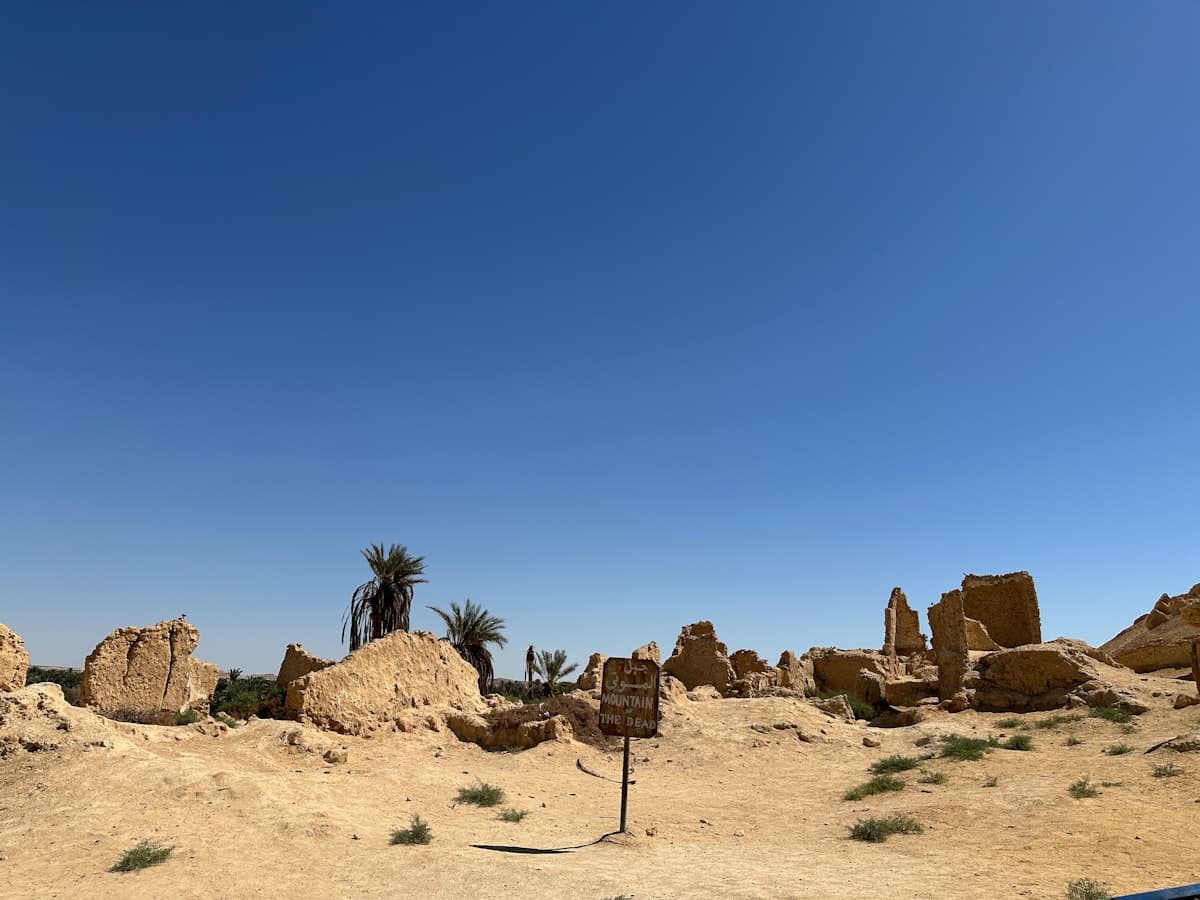
The ruins of Shali rise from the center of town like a sand castle left out in the rain. This fortified old city was built in the 13th century from kershef, a local building material made of salt rock and mud brick. A catastrophic three-day rainstorm in 1926 dissolved much of the structure, leaving the dramatic, crumbling silhouette you see today. Climb the outer edges at sunset and watch the whole oasis glow amber and gold. Entry is free and unrestricted. Budget around 30 to 45 minutes.
Temple of the Oracle (Aghurmi)
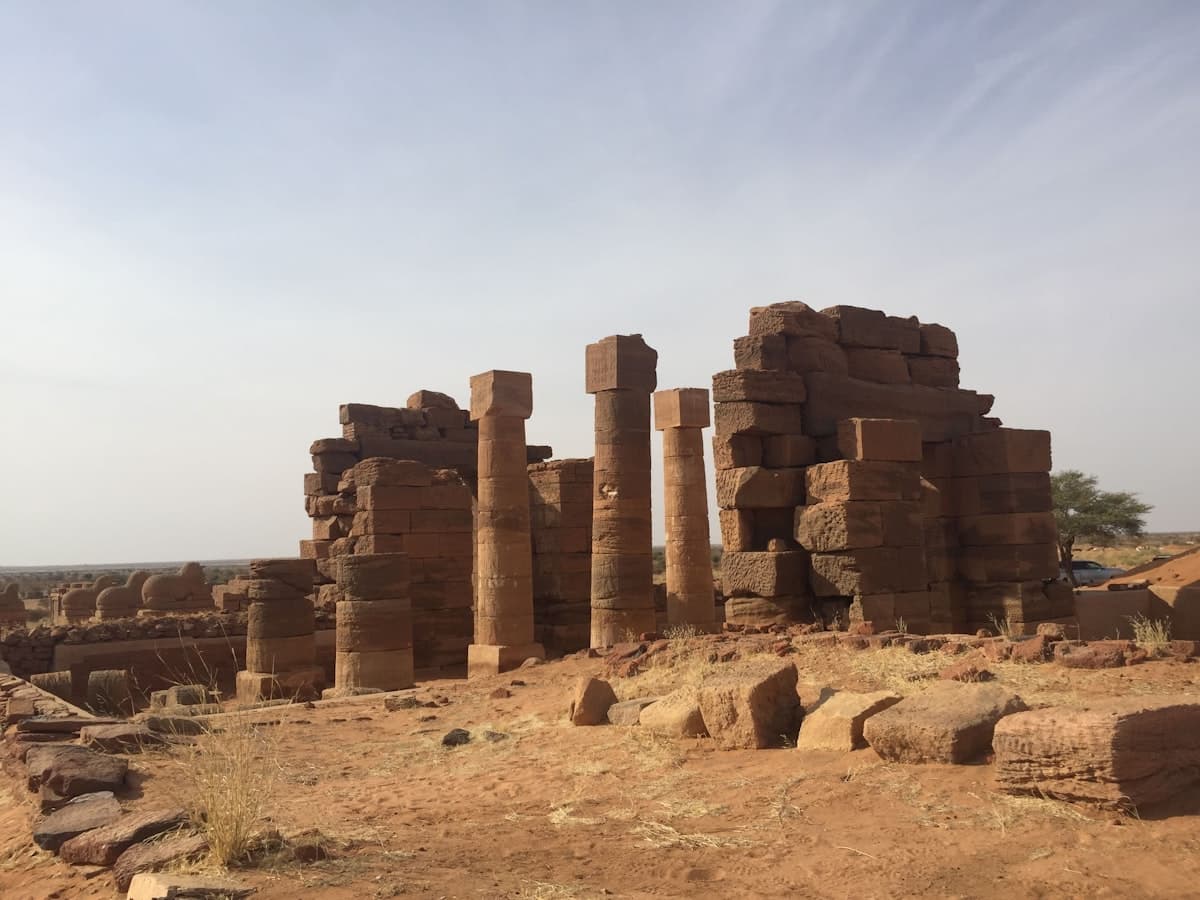
Alexander the Great traveled to this spot in 331 BCE to consult the oracle of Amun, and the priests declared him the son of god. The temple sits on a rocky outcrop about four kilometers east of town. The stonework is eroded but the setting is magnificent: palm groves stretch below you in every direction, and the silence is total except for birdsong. A second temple complex, the Temple of Umm Ubayd, stands nearby in atmospheric ruin. Entry to the site costs around 80 Egyptian pounds (approximately 2.50 USD at current rates).
Cleopatra Spring (Ain Guba)
This ancient stone pool, also called Ain Guba or the Spring of the Sun, has been fed by the same freshwater source for thousands of years. The water is warm and slightly sulfurous, and it bubbles constantly from the bottom of the pool. Locals say Cleopatra once bathed here, though historians are skeptical. What is not in doubt is that it makes a wonderful swim on a warm afternoon. The spring is about four kilometers from town and is open all day. A small entry fee of around 20 Egyptian pounds applies. Women should dress modestly when approaching the site.
Lake Siwa and the Salt Lakes
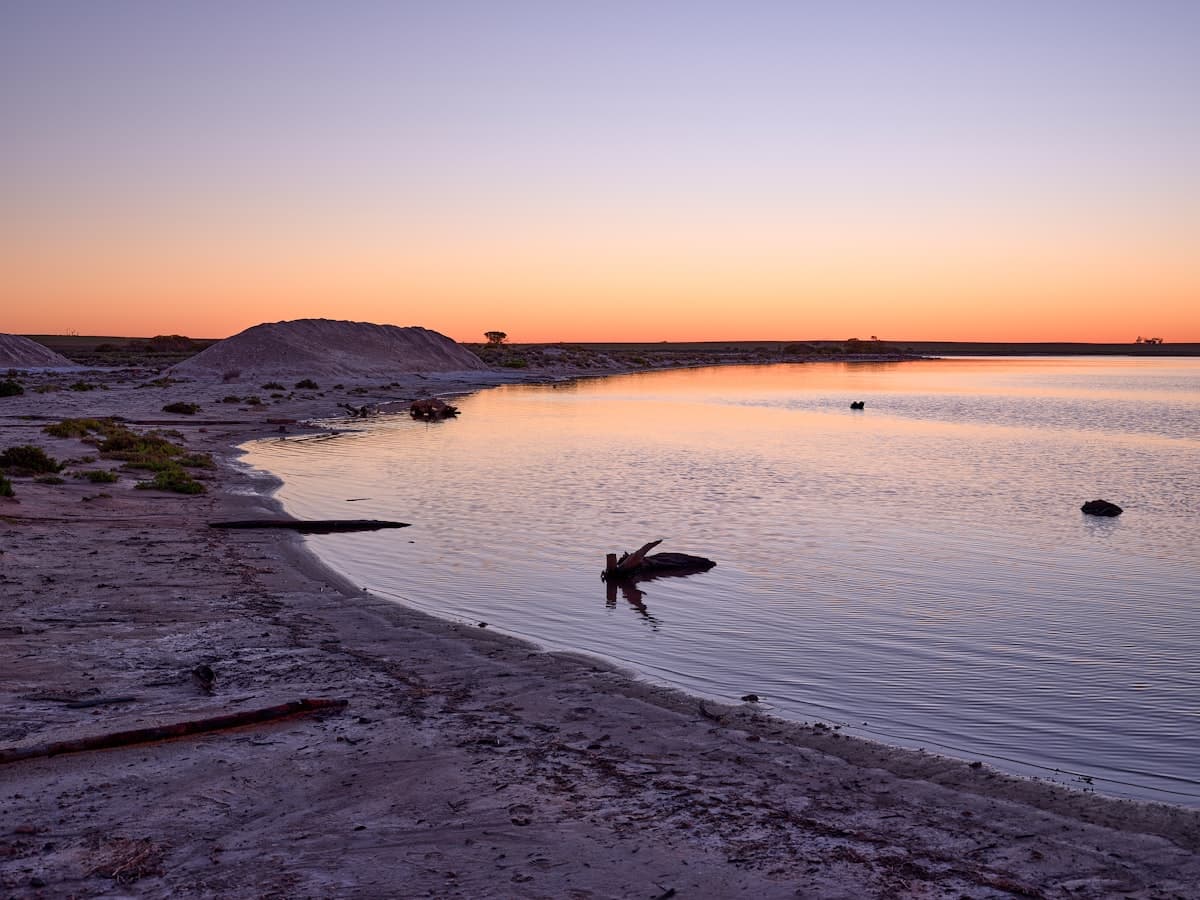
Siwa's landscape is dotted with hypersaline lakes. Lake Siwa itself is the largest. Fatnas Island, a palm-covered strip of land jutting into the lake about six kilometers west of town, is the classic spot to watch the sunset with a cold drink in hand. A wooden bridge connects it to the shore. The salt concentration in nearby Lake Zeitoun is high enough to let you float effortlessly. Arrange a safari jeep excursion through your hotel or a local operator to reach the more remote lakes for around 200 to 350 Egyptian pounds per person.
The Great Sand Sea
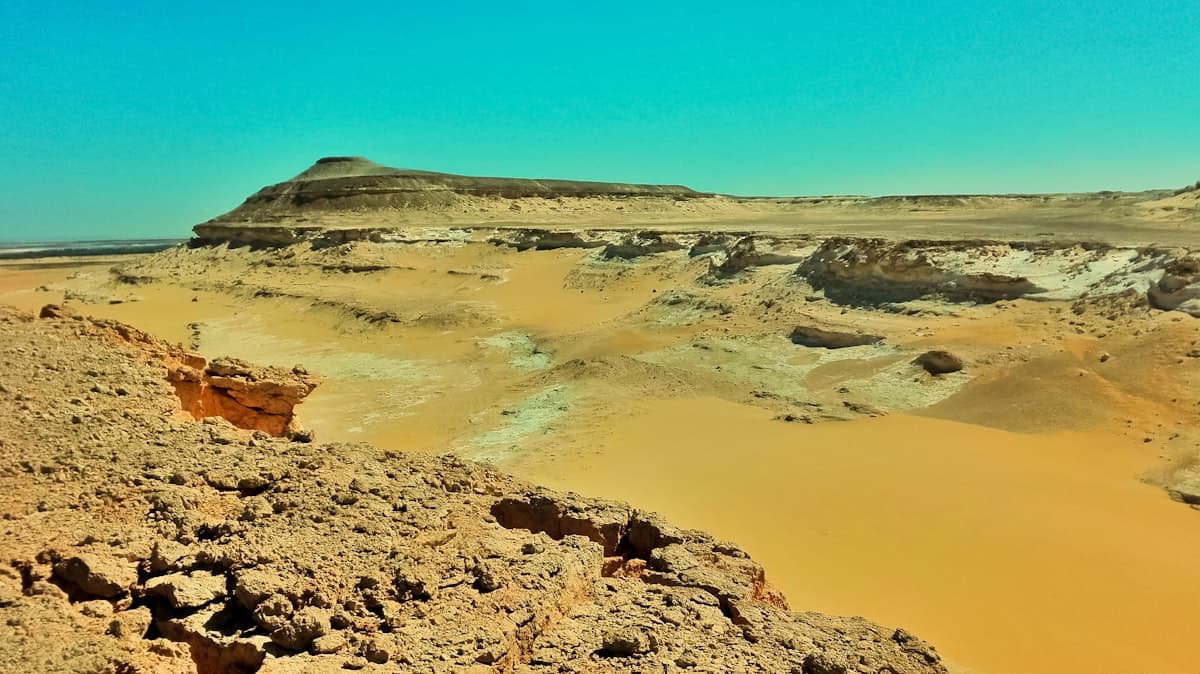
The rolling dunes of the Great Sand Sea begin just south and west of Siwa. A half-day or full-day 4x4 excursion into the dunes is one of the highlights of any Siwa Oasis travel guide. Drivers take you deep into the sculpted landscape, stopping at fossil-rich plateaus and wind-carved formations. Many tours include a sandboarding session, a sunset stop on a high dune, and a soak in a natural hot spring in the desert. Full-day tours with a reputable local operator run between 600 and 1,000 Egyptian pounds per person, including lunch.
Bir Wahed Hot Spring
About 18 kilometers outside town, this natural hot spring pool sits at the edge of the dunes. The water temperature hovers around 30 degrees Celsius. Arriving at night, under a sky crammed with stars, and slipping into warm water surrounded by absolute silence is an experience that is genuinely difficult to describe. Most dune excursions include a stop here. You can also hire a local driver independently for around 150 to 200 Egyptian pounds for the round trip.
Getting to Siwa
Siwa is remote, and that is part of its appeal. Your main options are:
By Bus from Cairo: West Delta Bus Company operates daily overnight services from Cairo's Turgoman station to Siwa. The journey takes approximately nine to ten hours. Tickets cost around 180 to 250 Egyptian pounds each way. Book in advance during high season.
By Bus from Marsa Matruh: Marsa Matruh on the Mediterranean coast is the nearest major hub, about 300 kilometers north of Siwa. Several daily buses and shared minibuses make the three to four hour run. This option works well if you are combining Siwa with Alexandria or the north coast.
By Private Car: Hiring a driver from Cairo or flying into Marsa Matruh and arranging a private transfer gives you more flexibility. Expect to pay 1,500 to 2,500 Egyptian pounds for a private vehicle from Marsa Matruh.
Note on Flying: There is no commercial airport in Siwa. The nearest airports are Marsa Matruh and Alexandria.
Best Time to Visit Siwa
October through April is the ideal window. Daytime temperatures are comfortable, ranging from 18 to 28 degrees Celsius. Nights can drop sharply, so pack a layer for desert evenings even in October. Spring brings a brief burst of green as the date palms put out new growth.
July and August are brutal. Temperatures regularly exceed 40 degrees Celsius, the dunes bake like an oven, and many local businesses reduce hours or close. If you must visit in summer, plan all outdoor activities before 9 AM and after 5 PM.
Ramadan adds a different texture to a Siwa visit. Restaurants close during daylight hours and the atmosphere becomes more contemplative. The evening iftar meal, when the fast breaks, is a genuinely warm communal experience worth joining if you are invited.
Where to Stay in Siwa
Siwa's accommodation scene favors boutique ecolodges built from kershef and palm wood. These structures stay cool naturally and blend beautifully into the landscape.
Adrere Amellal: The benchmark luxury ecolodge in Siwa, built without electricity and lit entirely by beeswax candles. Rooms start at around 400 USD per night. It sits at the base of the White Mountain near Lake Siwa and the experience is genuinely unlike anything else in Egypt.
Shali Lodge: A mid-range option right in town with kershef construction, a rooftop terrace overlooking Shali, and reliable hot water. Doubles from approximately 60 to 90 USD per night.
Budget guesthouses: Several family-run guesthouses near the town center charge 200 to 400 Egyptian pounds per night for a clean double room. Amenities are basic but the hospitality is genuine.
Practical Tips for Visiting Siwa
Dress conservatively. Siwa is a conservative Berber community. Shorts and sleeveless tops for men or women draw unwanted attention. Light, loose long clothing works better for the heat anyway. Rent a bicycle. Many sights are within four to eight kilometers of the town center, and cycling past date palm groves on sandy tracks is one of Siwa's great simple pleasures. Rentals cost around 30 to 50 Egyptian pounds per day. Carry cash. There is one ATM in Siwa and it is frequently out of service. Bring enough Egyptian pounds from Cairo or Marsa Matruh to cover your entire stay. Try the local food. Siwi cuisine includes distinctive dishes like tagine cooked with local olives and slow-roasted lamb. The olive oil pressed in Siwa is exceptional. Buy a bottle to take home from the market near Shali. Respect photography norms. Always ask before photographing local women. Many Siwi women prefer not to be photographed by strangers. Mobile coverage is limited. Vodafone and Etisalat have partial coverage in town but it drops entirely in the desert. Tell someone your plans before any dune excursion.
Nearby Attractions Worth Combining
If your schedule allows, the following destinations pair well with a Siwa trip:
Marsa Matruh: This coastal resort town is your likely transit point. The sheltered bays have some of Egypt's clearest Mediterranean water. A night here breaks up the journey.
El Alamein: On the drive from Alexandria toward Siwa, El Alamein was the site of the pivotal 1942 North Africa campaign. The Commonwealth War Cemetery and the small but moving war museum are worth a stop.
White Desert (Farafra): Reached via a long detour through the Western Desert, Farafra's chalk rock formations are otherworldly. Combining Siwa and the White Desert requires at least eight to ten days but creates one of Egypt's great desert road trips.
Frequently Asked Questions
Is Siwa Oasis safe to visit?
Yes. Siwa is considered one of Egypt's safest destinations. The community is tight-knit and crime against tourists is rare. The main risks are the same as any remote desert location: heat, dehydration, and getting disoriented in the dunes without a guide. Never venture into the Great Sand Sea alone.
How many days do you need in Siwa?
Three nights is the comfortable minimum to see Shali, the oracle temple, the salt lakes, Cleopatra Spring, and do one desert excursion. Five nights lets you breathe, rent a bicycle for a day of exploring on your own, and truly decompress. Travelers who rush through in one night almost universally regret it.
Do I need a visa for Egypt to visit Siwa?
Most nationalities can obtain a tourist e-visa online before travel or a visa on arrival at major Egyptian airports. The e-visa costs approximately 25 USD and takes two to three business days to process. Always check current requirements through your country's official travel advisory before booking.
The Weekly Dispatch
More on Egypt, every Friday.
Cultural depth and places most guides never mention.
No spam. Unsubscribe anytime.