Things to Do in Aswan Egypt: 15 Unmissable Experiences
Discover the best things to do in Aswan Egypt — from sailing feluccas at sunset to exploring ancient Nubian temples. Your complete guide with costs, tips & more.
Audio Guide: Things to Do in Aswan Egypt: 15 Unmissable Experiences
Aswan sits at Egypt's southern edge like a secret the Nile has been keeping for millennia. The air here is drier, the light more golden, the pace gentler than Cairo's controlled chaos. Pink granite boulders tumble into the river, felucca sails drift past desert islands, and the call to prayer echoes across water so blue it almost doesn't look real. This is where the Nile narrows, where Nubian culture colors everything from the painted houses to the spice-laced cooking smells drifting through the souk. Whether you have two days or two weeks, the things to do in Aswan Egypt will fill every hour with something that feels genuinely ancient and alive at the same time.
Why Aswan Belongs on Your Egypt Itinerary
Most visitors rush from Cairo to Luxor and treat Aswan as an afterthought or a departure point for Abu Simbel. That's a mistake. Aswan rewards slow travel. It's smaller and more manageable than Luxor, the vendors are less aggressive, and the city's Nubian character — brighter colors, warmer hospitality, a different language spoken in the alleys — gives it a personality entirely its own. The East Bank Corniche is one of Egypt's most beautiful evening walks, the temples are genuinely extraordinary, and the river life here, with its constant movement of feluccas and motor boats, never gets old.
The Absolute Must-Do Experiences
1. Sail a Felucca on the Nile
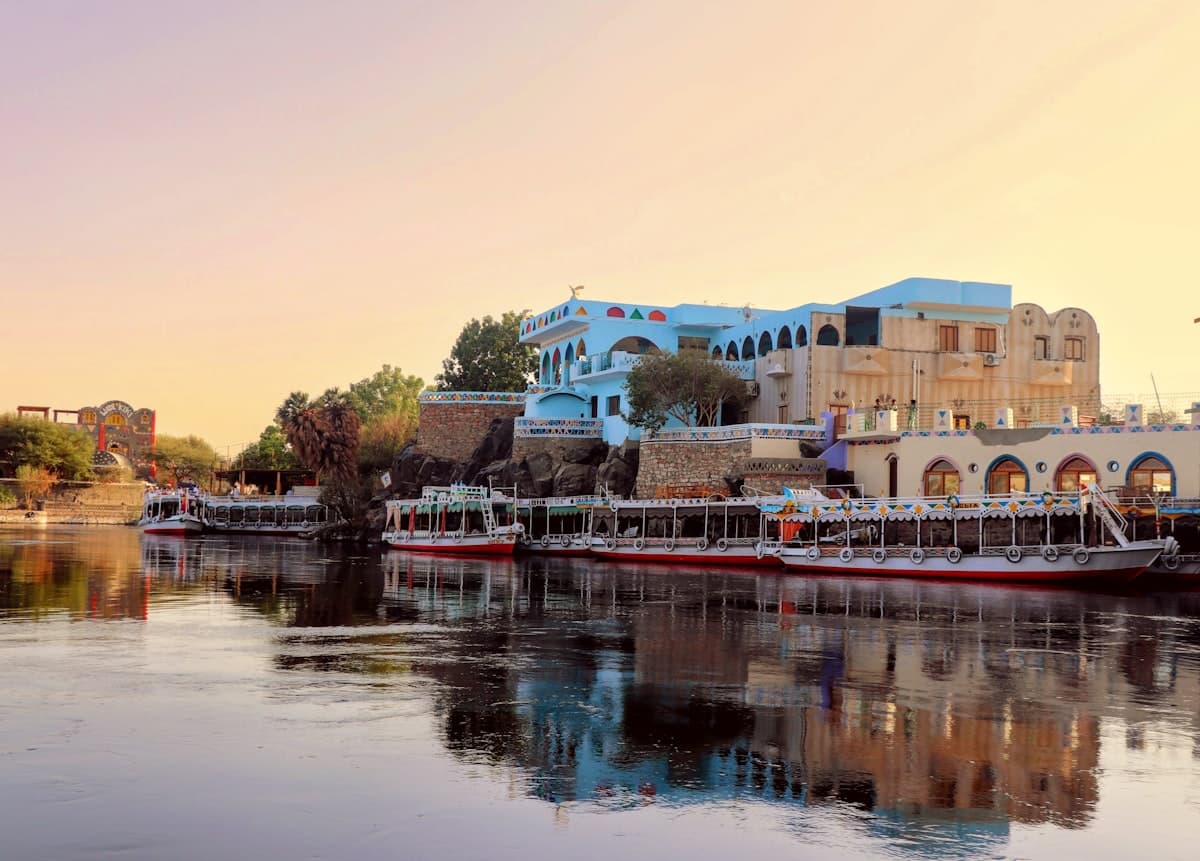
Renting a felucca is the single most Aswan thing you can do. These traditional wooden sailboats have carried passengers and cargo along this stretch of the Nile for thousands of years. In the late afternoon, when the sun drops behind the West Bank cliffs and turns everything amber and rose, a felucca ride becomes something close to transcendent. The boat tilts gently, the sail fills with warm desert wind, and the sound of the city fades to a soft murmur.
Negotiate directly with captains on the Corniche. A one-hour private hire runs 100–200 EGP (roughly $3–6 USD at current rates), though prices shift. Always agree on the price before boarding. Longer sunset trips to Elephantine Island and back take around 90 minutes and cost more — budget 300–400 EGP and bring water.
2. Philae Temple (Temple of Isis)
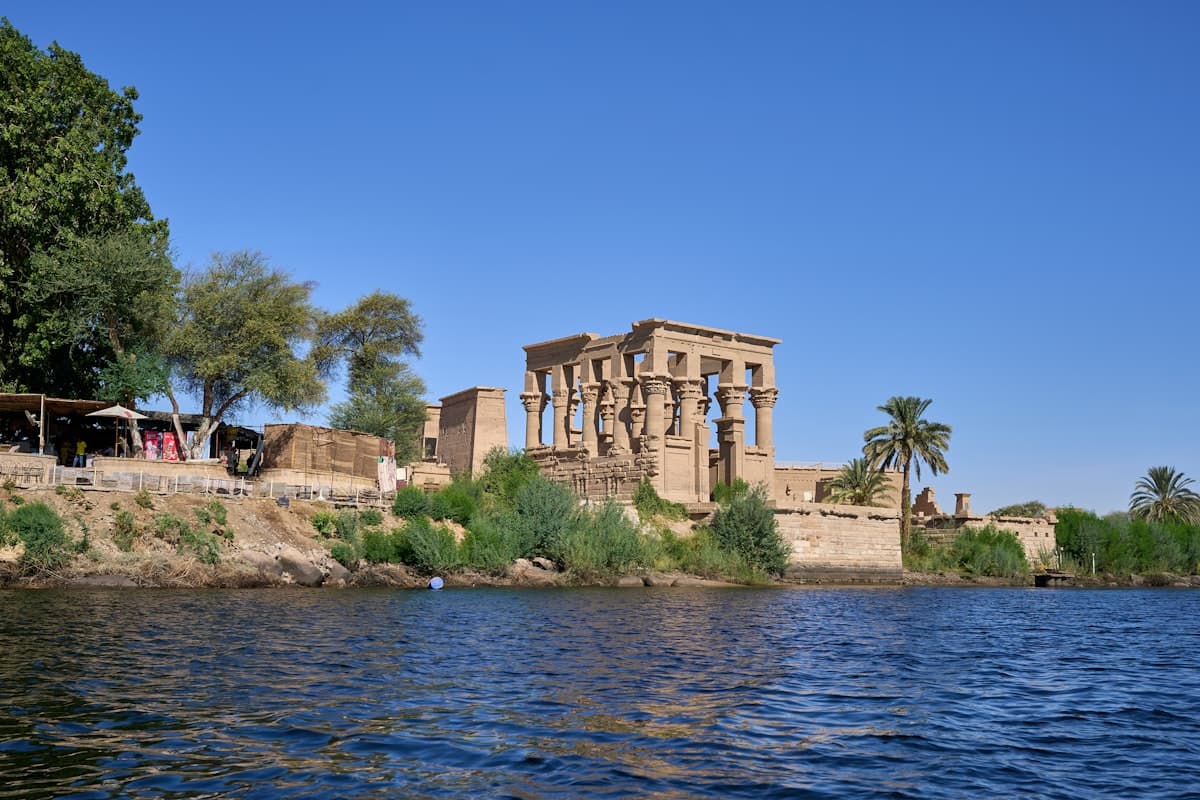
Philae is arguably the most romantically situated temple in all of Egypt. It sits on Agilika Island, accessible only by motorboat, and rises from the water surrounded by granite rocks and blue sky. Dedicated to the goddess Isis, the complex was dismantled block by block and relocated here during the 1970s UNESCO rescue operation before Lake Nasser swallowed its original island.
The Hypostyle Hall is covered in carvings so precise they look freshly cut. The Birth House, with its scenes of Horus's divine infancy, is extraordinary. Come early — before 9 AM — to have it relatively to yourself. The Sound and Light Show runs nightly and costs around 150 EGP for adults; check the schedule at your hotel.
Entry: approx. 220 EGP | Boat to island: 60–80 EGP return | Hours: 7 AM – 4 PM (winter), 7 AM – 5 PM (summer)
3. The Nubian Museum
Don't skip this. The Nubian Museum on the hillside above the Old Cataract Hotel is one of Egypt's finest museums, and it barely gets the attention it deserves. The collection documents 4,000 years of Nubian civilization — the kingdoms of Kerma, Napata, and Meroë — with beautifully displayed artifacts, jewelry, pottery, and reconstructed Nubian houses. It explains, more clearly than any guidebook, why Aswan's culture feels distinct from the Egypt of Cairo and Luxor.
Entry: 130 EGP | Hours: 9 AM – 1 PM and 5 PM – 9 PM (check seasonal variations)
4. Abu Simbel Day Trip
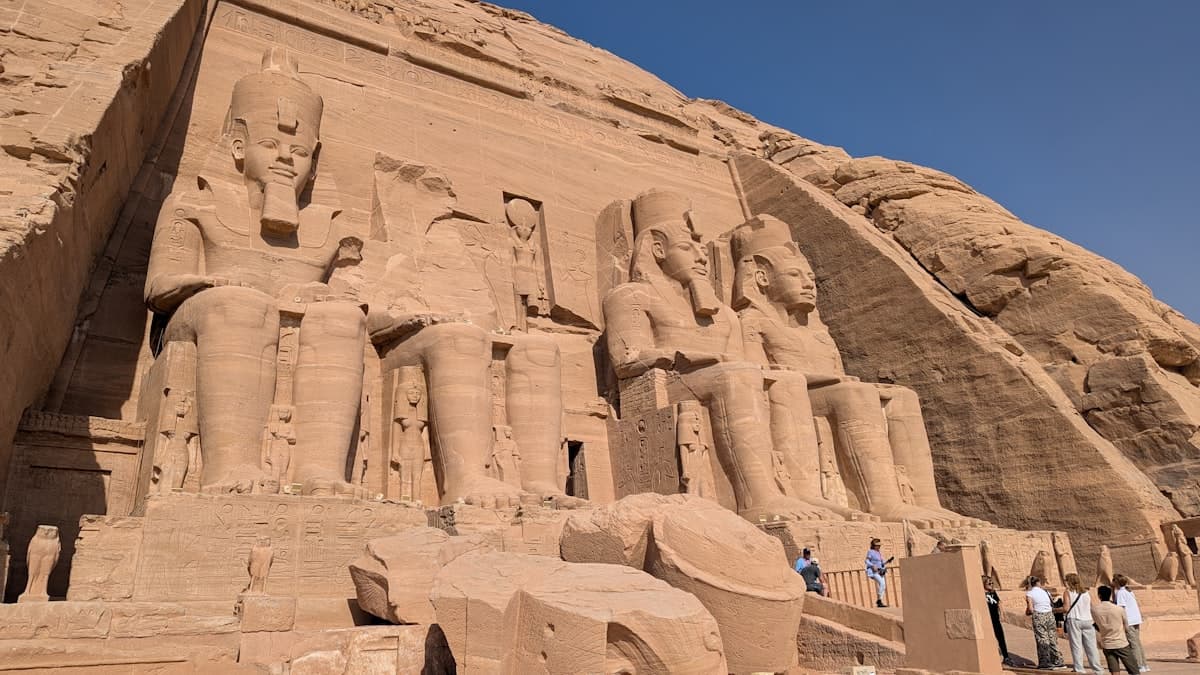
The twin temples of Abu Simbel, carved directly into a sandstone cliff by Ramesses II around 1264 BCE, are among the most jaw-dropping monuments on Earth. The four colossal seated figures of Ramesses at the entrance to the Great Temple are 20 meters tall. Inside, painted reliefs cover every surface in astonishing detail and color. The smaller Temple of Hathor next door, built for Ramesses's queen Nefertari, is just as moving.
Abu Simbel is 280 km south of Aswan. Most visitors go by convoy in tourist vehicles departing around 4 AM (a government security requirement). The drive takes 3–3.5 hours each way. Alternatively, fly — Egypt Air operates short flights; book early. The convoys feel less grueling than they sound once you're standing in front of those temples at sunrise.
Entry: 450 EGP | Convoy tour: from $60–90 USD per person including transport
5. Elephantine Island
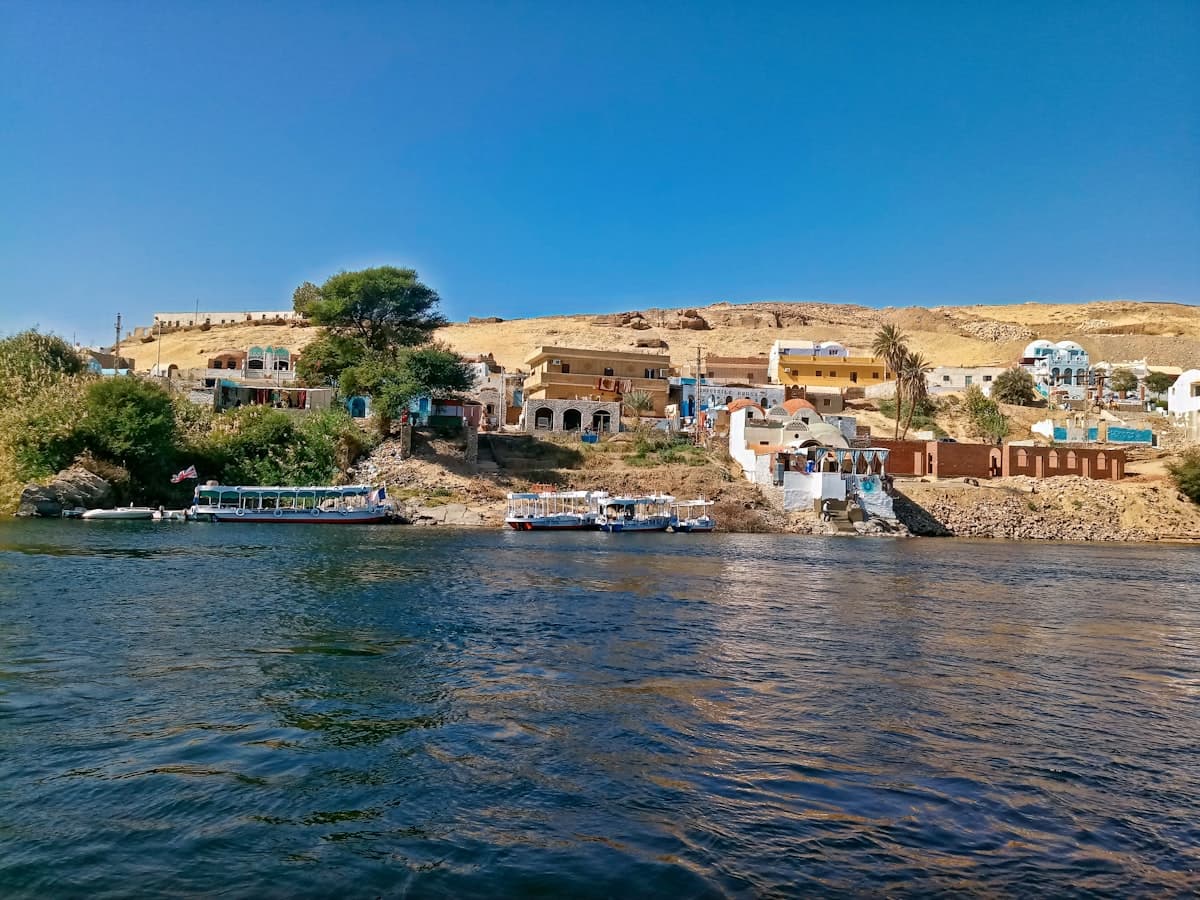
Just offshore from the Corniche, Elephantine Island is Aswan's oldest continuously inhabited site — people have lived here for at least 5,000 years. Today it's home to two Nubian villages, the Aswan Museum (built in what was once Lord Kitchener's villa), and a small but worthwhile archaeological zone containing ruins of a Khnum temple and a Nilometer used to measure flood levels.
The free government ferry runs from the docks near the EgyptAir office. Walk south through the villages and you'll pass houses painted in turquoise, cobalt, and terracotta, with neem trees and caged crocodiles by the doorways. Children wave. Women sell handmade crafts under acacia shade. It feels nothing like a tourist attraction.
Ferry: free | Museum entry: ~60 EGP
6. Kitchener's Island (Island of Plants)
Lord Kitchener, the British commander who ruled Egypt in the late 19th century, used this small island to indulge his passion for botany. He planted it with exotic trees and plants from Africa, India, and Southeast Asia. Today it's a lush botanical garden — slightly shaggy and wonderfully peaceful — full of palms, bamboo groves, and fragrant flowers.
Reach it by rowing boat from Elephantine or by felucca. Entry is around 50 EGP. Go in the morning when the light filters through the canopy and the birds are loudest.
7. The Unfinished Obelisk
Lying in the northern granite quarries of Aswan, this massive obelisk — still attached to the bedrock — would have been the largest ever cut had it not cracked during carving. Standing beside it recalibrates your sense of ancient engineering ambition. It's 42 meters long and would have weighed nearly 1,200 tonnes. The mystery of exactly how the Egyptians moved and raised such monoliths is made vivid here, where workers clearly abandoned it mid-project.
Entry: 100 EGP | Hours: 7 AM – 5 PM | 2 km south of central Aswan — take a tuk-tuk for 20–30 EGP.
8. Wander the Aswan Souk
The market street running parallel to the Corniche is one of Egypt's most enjoyable souqs — long, covered with corrugated shade, fragrant with hibiscus (karkade), spices, and Nubian incense. Vendors are present but not relentless. Look for Nubian jewelry, handwoven baskets, black cumin seeds sold by the kilo, and dried hibiscus flowers perfect for homemade tea. A bag of karkade big enough to last months costs less than a dollar.
9. West Bank Tombs of the Nobles
Cross the Nile to the sandy West Bank and climb the hill to these rock-cut tombs of ancient Aswan's governors and officials. They date from the Old and Middle Kingdom periods (roughly 2400–1900 BCE) and contain vivid painted scenes of daily life — farming, hunting, fishing. The setting, high on the cliff with views across the Nile and desert, is worth the climb alone.
Entry: 80 EGP | Get there by private motorboat from the Corniche.
10. Old Cataract Hotel Terrace
Even if you're not staying here (rooms start around $400/night), dress respectably and walk in for afternoon tea or a sunset drink on the legendary terrace. Agatha Christie wrote parts of Death on the Nile here. The terrace looks directly over the Nile toward the West Bank, and at dusk, with the granite islands turning silhouette, it's one of those views that permanently installs itself in your memory.
Getting to Aswan
By air: EgyptAir operates daily flights from Cairo (1.5 hours) and less frequent connections from Luxor. The airport is 25 km from the city center; taxis cost 100–150 EGP.
By train: The overnight sleeper from Cairo (about 14 hours) is comfortable and atmospheric. Book through Abela Egypt Railways; cabins include dinner and breakfast. Regular day trains from Luxor take 3–4 hours and cost as little as 90 EGP in second class.
By Nile cruise: Most Luxor–Aswan cruise itineraries dock in Aswan for 1–2 days, often including a short extension to Abu Simbel.
Best Time to Visit
October through February is peak season for good reason — days are warm (25–28°C), evenings cool, and the Nile light is extraordinary. March and April bring rising heat and some wind; still manageable. From May through September, Aswan becomes genuinely punishing — temperatures regularly exceed 45°C. Unless you're specifically chasing the Abu Simbel Sun Festival (February 22 and October 22, when the sun illuminates the innermost sanctuary at dawn), avoid summer.
Practical Tips and Warnings
Drink bottled water obsessively — Aswan's heat dehydrates faster than you expect. Negotiate everything — felucca rides, taxis, and market prices are all negotiable. Always agree before you commit. Dress modestly in villages and temples — lightweight long sleeves and trousers are cooler than they sound in dry heat. Carry small notes — EGP 5, 10, and 20 bills make tipping and tuk-tuk fares frictionless. Book Abu Simbel transport ahead — convoy spots fill up, especially November through January. Sunset timings matter — Philae, feluccas, and the Old Cataract terrace are all best in the final 90 minutes of daylight.
Nearby Attractions Worth the Journey
Kom Ombo Temple (65 km north, 45 min by car or river cruise) — a uniquely double temple dedicated to Sobek and Horus, dramatically set on a Nile bend. The adjacent Crocodile Museum is oddly compelling.
Edfu Temple (110 km north) — the best-preserved temple in Egypt, dedicated to Horus, with a dramatic pylon entrance and a life-sized granite falcon standing guard.
FAQ
How many days do I need in Aswan? Two full days covers the main sites comfortably. Three days lets you add the West Bank tombs, the Nubian Museum, and a longer felucca excursion without rushing. If you're day-tripping to Abu Simbel, factor in a full day for that alone.
Is Aswan safe for solo travelers? Aswan is generally considered one of Egypt's safest cities for tourists, including solo women travelers. The tourist police presence is high around major sites, vendors are less aggressive than in Luxor or Cairo, and the Corniche is busy and well-lit at night. Standard urban awareness — keep valuables close, arrange transport through your hotel — applies everywhere.
Can I visit a Nubian village? Yes, and you should. Gharb Soheil on the West Bank is the most visited. Local families run informal homestay experiences and cultural visits; you can arrange these through guesthouses or independent guides. Expect tea, henna, and an invitation to buy crafts. The hospitality is genuine even when commerce is involved.
The Weekly Dispatch
More on Egypt, every Friday.
Cultural depth and places most guides never mention.
No spam. Unsubscribe anytime.