Egypt Travel Budget Guide: What It Actually Costs
A week in Egypt costs less than a weekend in Paris. But every tourist pays a different price for the same thing. Here is how the pricing actually works.

Quick Facts
- Best time to visit
- October to April for all regions. Avoid July to August in Luxor and Aswan where temperatures regularly exceed 45C. Alexandria is manageable year-round due to Mediterranean breezes.
- Entrance fee
- Giza plateau EGP 160 (approx $3.20), Great Pyramid interior EGP 600 extra ($12), Karnak EGP 450 ($9), Valley of the Kings EGP 240 ($4.80), Grand Egyptian Museum EGP 900 ($18), Egyptian Museum Cairo EGP 450 ($9)
- Opening hours
- Most archaeological sites 6am to 5pm October to April, 6am to 6pm in cooler months. Museums typically 9am to 5pm. Karnak opens for a sunrise visit at 6am which is the best time to go.
- How to get there
- International flights into Cairo, Luxor, or Hurghada. Cairo to Luxor by train EGP 200 to 350 (second class) or EGP 1,200 to 2,000 by domestic flight. Cairo Metro EGP 10 per trip. Intercity microbus EGP 5 to 15 within cities.
- Time needed
- Minimum 2 weeks for Cairo plus Upper Egypt. 3 weeks if adding Sinai or Alexandria. Budget at least 3 days in Luxor and 2 days in Aswan to avoid feeling rushed at major sites.
- Cost range
- Backpacker EGP 800 to 1,200 per day ($16 to $24 USD), mid-range independent EGP 2,000 to 3,500 per day ($40 to $70 USD), comfortable private EGP 5,000 to 9,000 per day ($100 to $180 USD)
[Egypt Travel Budget Guide](https://feluccas.com/guides/egypt-travel-budget-guide-how-to-see-it-all-for-less): What It Actually Costs
A return flight from London to Cairo costs less than a domestic flight from London to Edinburgh. A full day on a felucca on the Nile, including the captain, his tea, and the sunset, costs roughly the same as a glass of wine in a Covent Garden bar. Egypt is not cheap because it is poor. It is cheap because successive currency devaluations since 2016 have compressed costs in dollar terms even as inflation has bitten locally. The Egyptian pound lost more than 50 percent of its value against the dollar between 2022 and 2023 alone. For foreign visitors carrying hard currency, this creates a strange moral arithmetic: you are traveling well, by any reasonable measure, on money that buys almost nothing at home.
This guide is not about gaming the system. It is about understanding it, so that you spend where it matters and stop paying the tourist markup everywhere else.
Quick Facts
Best time to visit: October to April for most of Egypt. Avoid July and August unless you are specifically going to Alexandria, where the Mediterranean keeps things tolerable. Upper Egypt (Luxor, Aswan) is extreme in summer, regularly hitting 45°C.
Daily budget ranges: Backpacker: EGP 800 to 1,200 per day (approximately $16 to $24 USD at current rates) Mid-range independent traveler: EGP 2,000 to 3,500 per day (approximately $40 to $70 USD) Comfortable private: EGP 5,000 to 9,000 per day (approximately $100 to $180 USD)
Key entrance fees: Giza Plateau (pyramids only, no interior): EGP 160 (approx $3.20) Great Pyramid interior: EGP 600 additional (approx $12) Karnak Temple: EGP 450 (approx $9) Valley of the Kings (3 tombs): EGP 240 (approx $4.80), Tutankhamun's tomb EGP 300 extra Egyptian Museum, Cairo: EGP 450 (approx $9) Luxor Temple: EGP 350 (approx $7)
Getting there: Cairo is served by EgyptAir and most major European carriers. A second-class train from Cairo to Luxor costs EGP 200 to 350 (approx $4 to $7) and takes around ten hours. A flight on Air Cairo or EgyptAir takes about an hour and costs EGP 1,200 to 2,000 (approx $24 to $40) if booked in advance.
Time needed: Three weeks covers Cairo, Luxor, Aswan, and one additional destination (Sinai, Alexandria, or Siwa). Two weeks is enough for Cairo and Upper Egypt if you move efficiently.
Why the Pricing System Works Against You
Egypt operates what is effectively a dual pricing system. Not the formal dual-price ticket system that existed until the early 2000s, when foreigners paid ten times what Egyptians paid at every site. That was abolished. What replaced it is more diffuse: a tourist economy that charges foreigners market rates on everything that touches the formal tourism sector, while the actual cost of living for Egyptians remains a fraction of that.
The result is that your experience of Egypt costs what the tourism industry decides it costs, not what Egypt actually costs. A taxi from Cairo Airport to Downtown by metered or negotiated fare: EGP 150 to 200. The same taxi if you accept the first offer at arrivals: EGP 500 to 700. A hotel breakfast included in a Zamalek boutique hotel: EGP 300. The same breakfast, better, at a fuul cart two streets away: EGP 25.
This is not unique to Egypt. What is specific to Egypt is the scale of the spread, and the fact that the informal economy runs entirely in cash and requires some orientation to access. The travelers who do not bother to orient themselves pay three to five times more than those who spend one afternoon learning the baseline prices.
What the Egyptian Pound Devaluation Actually Means for Travelers
Between 2016 and 2023, Egypt carried out four major currency corrections, each time allowing the pound to float downward against the dollar. The practical effect: a traveler who visited Egypt in 2015 paying $100 a day was getting roughly the same goods and services that now cost $40. Hotels priced in dollars have stayed expensive. Everything priced in pounds has become, from a foreign currency perspective, extremely inexpensive.
The lesson is simple. Pay in pounds wherever possible. Do not use hotel booking platforms that charge in dollars or euros if the same room is available in pounds through the hotel directly. The difference is sometimes 20 percent, sometimes more.
Where the Money Goes: Cairo
Cairo is, paradoxically, the most expensive and least necessary place to spend money in Egypt. It is also where most travelers arrive and where many spend too long, partly because it is disorienting and the easiest response to disorientation is to stay in your hotel and book tours.
The museums matter. The Egyptian Museum in Tahrir holds 170,000 objects and charges EGP 450. The new Grand Egyptian Museum near Giza, which opened fully in 2023 after two decades of construction, charges EGP 900 (approx $18) and is worth every pound. It is the only purpose-built museum in the world housing the complete collection of a single pharaoh: Tutankhamun's 5,398 objects, which were previously scattered across multiple rooms and storage areas, are now displayed together in sequence for the first time since Howard Carter pulled them out of the tomb in the 1920s.
What you do not need to pay for in Cairo: the sound and light show at the Pyramids costs EGP 350 and tells you nothing that fifteen minutes of reading would not. The Nile dinner cruises on large boats are expensive, loud, and designed for group package tourists. Skip both.
Eat at Koshary El Tahrir in Downtown: a full bowl of Egypt's national dish (pasta, lentils, chickpeas, tomato sauce, fried onions) costs EGP 35 to 60. Eat at Felfela on Hoda Shaarawi Street for grilled meats in the EGP 150 to 300 range. The neighborhood of Zamalek has cafes that charge Parisian prices for the same coffee available two subway stops away for a tenth of the cost. Both options exist; choose knowingly.
Transport Logic Inside Egypt
The Egyptian National Railways system is one of the oldest in Africa. The Cairo to Alexandria line opened in 1856, three years before the Suez Canal was begun. The trains are slow by European standards and have an imperfect safety record, but the first-class overnight sleeper from Cairo to Luxor, operated by Watania Sleeper Trains, costs around $60 to $80 USD per person including dinner and breakfast and covers a journey that would cost hundreds of dollars on a comparable European service.
For the budget traveler: second-class air-conditioned trains to Luxor and Aswan cost EGP 200 to 350 and are perfectly functional. You will share the car with Egyptian families, vendors, and sometimes livestock if you go far enough south. This is not a problem. It is Egypt.
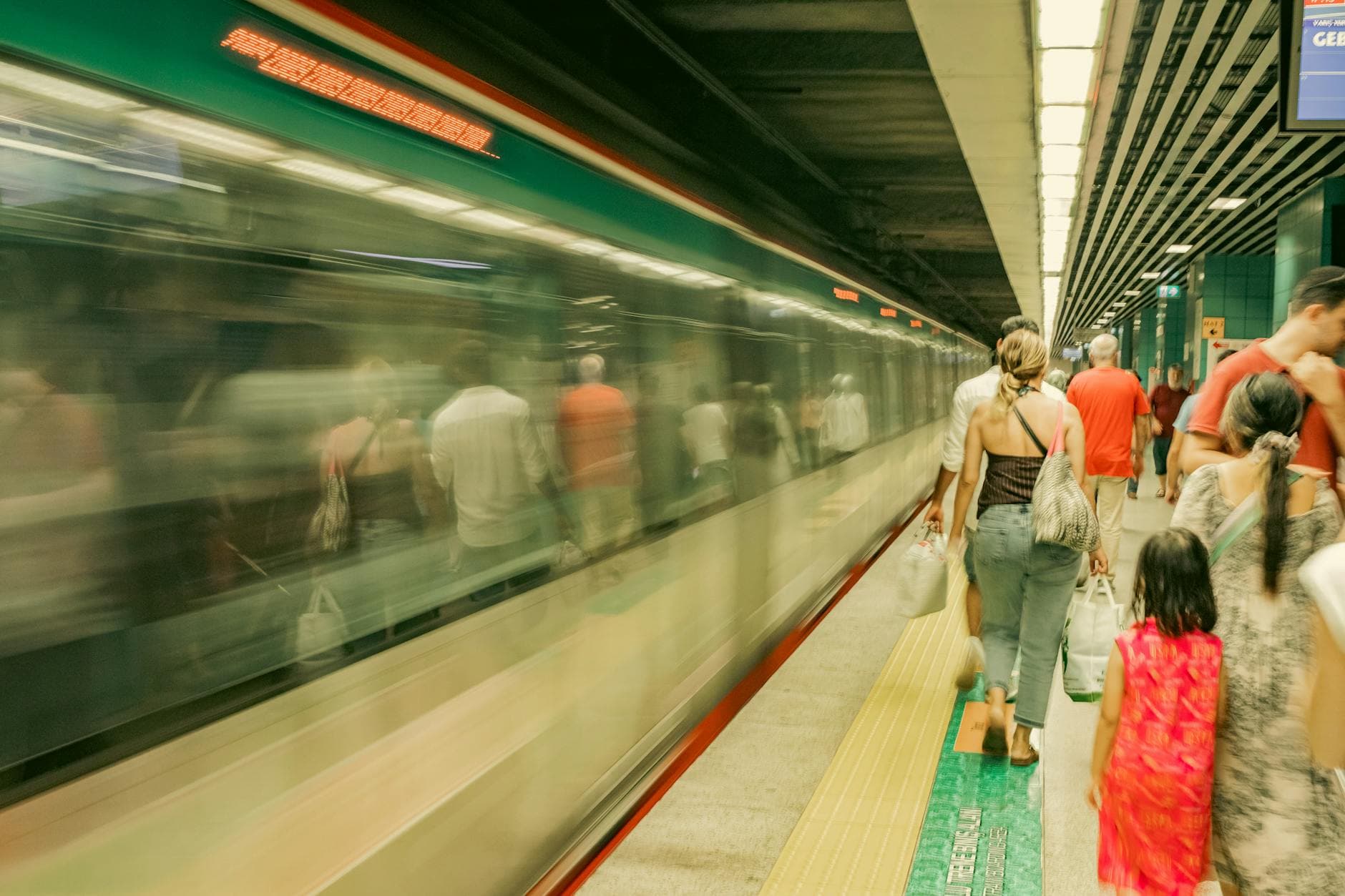
Local microbuses within cities cost EGP 5 to 15 per trip. The Cairo Metro costs EGP 10 per journey regardless of distance, making it one of the cheapest urban rail systems on earth. Women's-only carriages are available on every train and are marked clearly.
Upper Egypt: Where the Value Is

Luxor is where the Egypt travel budget calculus becomes genuinely remarkable. You are looking at the largest concentration of ancient monuments on earth, a city where the Karnak Temple complex alone covers more than 100 hectares and was under continuous construction for 2,000 years, and you are paying EGP 450 to enter. The West Bank, with the Valley of the Kings, the Mortuary Temple of Hatshepsut, and the Colossi of Memnon (free, no ticket required), takes two to three days to cover properly.
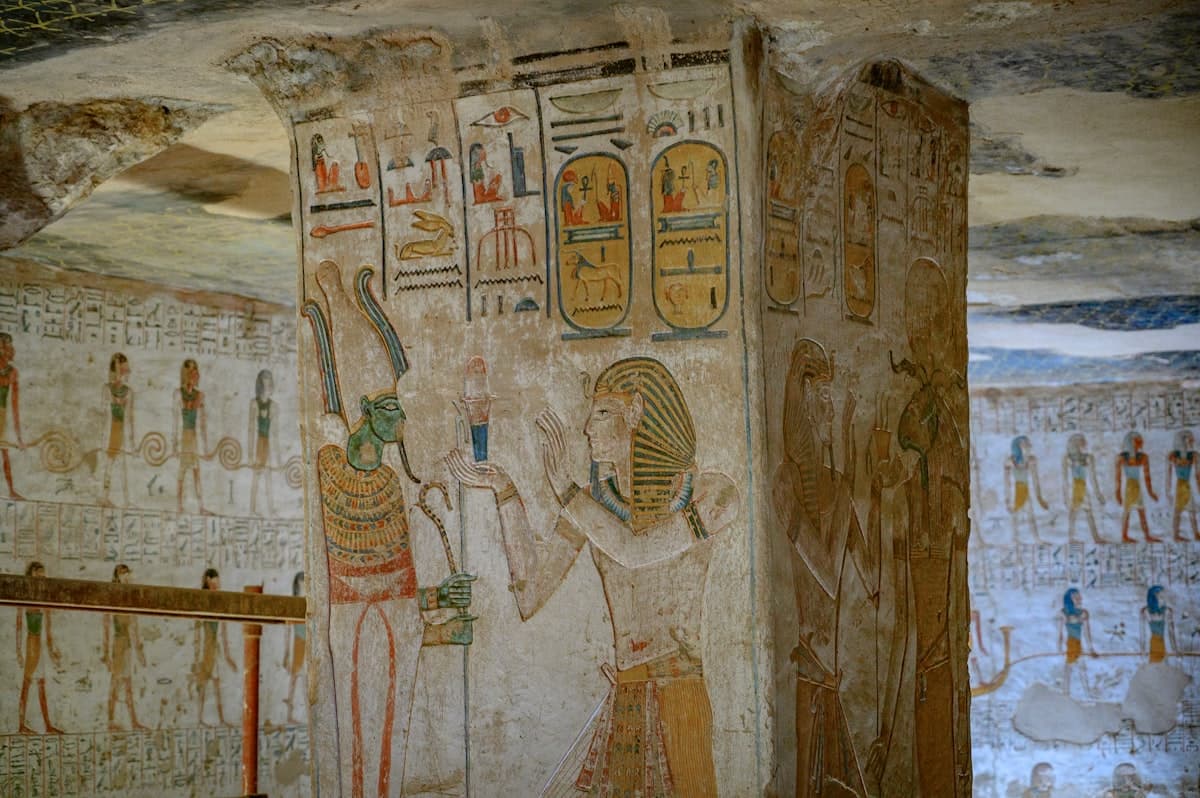
A bicycle rental on the West Bank costs EGP 80 to 100 for the day. This is the correct way to see it. The organized bus tours cycle twenty people through three tombs in ninety minutes. On a bicycle, in the early morning before the tour buses arrive at 9am, you can stand in the tomb of Ramesses IX, which almost nobody visits, and hear nothing except the sound of your own breathing and whatever is happening inside a 3,200-year-old space that you cannot quite explain.
Accommodation in Luxor ranges from EGP 400 to 600 per night for a clean, air-conditioned guesthouse to EGP 2,500 to 4,000 for a mid-range hotel with a Nile view. The view costs proportionally more than it is worth for budget travelers. The guesthouses on the West Bank are quieter, better positioned for early starts, and a fraction of the cost.
The Connections: How Egypt's History Affects What You Pay
Egypt's tourism infrastructure was built in layers over 150 years and each layer has a different pricing logic. The nineteenth-century Cook's Tours established the Nile cruise as a luxury product, and that positioning has never been fully shaken. A five-day Nile cruise between Luxor and Aswan on a mid-range boat costs $400 to $700 per person, which is not unreasonable but is pitched firmly at a Western income level.
The Islamic city of Cairo, by contrast, was never systematically touristed. Khan el-Khalili bazaar is the exception, and it is priced accordingly. But the Mamluk mosques and mausoleums of the City of the Dead, the Fatimid gates, the Coptic quarter in Old Cairo: these charge EGP 60 to 200 and are empty of foreign tourists most mornings. The Mosque of Ibn Tulun, built in 879 AD and still the largest mosque in Cairo by area, charges EGP 100 and most days you will have the courtyard almost to yourself.
Common Mistakes That Cost You Money
Booking Nile cruises through international platforms. The same cabin booked through an Egyptian operator directly costs 30 to 40 percent less. The boat is identical. The food is identical. The commission is not.
Paying attraction entrance fees in foreign currency. Some ticket offices accept dollars or euros but apply an unfavorable exchange rate. Pay in pounds from an ATM withdrawal.
Using airport exchange booths. Cairo Airport currency exchange rates are reliably 8 to 12 percent worse than ATM rates in the city. Take enough cash to get to your hotel, then use an ATM.
The Luxor hot air balloon. At $80 to $120 USD per person, it is the single most expensive per-hour experience in Upper Egypt, and there have been multiple fatal crashes including one in 2013 that killed nineteen people. The view from the top of the Theban hills, reached on foot or by donkey for EGP 50, is nearly equivalent. Make your own calculation.
Over-scheduling Cairo. Three days is enough for most travelers. Cairo does not reward the traveler who tries to see everything; it rewards the traveler who picks three things and gives them full attention. Every extra day in Cairo is a day not spent in Luxor or Aswan, where the cost is lower and the monument density is higher.
Assuming Dahab is budget and Sharm el-Sheikh is not. Dahab on the Sinai coast runs at roughly half the price of Sharm el-Sheikh for equivalent accommodation and diving, and the diving in Dahab, particularly the Blue Hole and the Canyon, is better. Sharm is an airport resort. Dahab is a town.
Practical Tips
Carry cash in Egyptian pounds at all times. Many of the best restaurants, all street food, most local transport, and most small guesthouses are cash only. A working Visa or Mastercard debit card at a Cairo ATM (Banque Misr and Banque du Caire are reliable) is your primary financial tool.
Bargaining is expected in markets and for unmetered taxis, and not expected in restaurants with printed menus or shops with marked prices. Knowing the difference saves you embarrassment and time in both directions.
The Discover Egypt Pass, available through the Ministry of Tourism and Antiquities website, bundles multiple site entries for a flat fee. For travelers doing Cairo, Luxor, and Aswan in sequence, run the numbers: if you plan to visit more than eight major sites, the pass usually pays for itself.
Travel insurance that covers Egypt specifically is not optional. Medical care in Cairo's private hospitals (As-Salam International, Cleopatra Hospital) is competent and dramatically cheaper than European equivalents, but you still need coverage for repatriation if something serious happens in a remote area.
The best single investment you can make for your Egypt travel budget is a day spent not moving: sitting in a cafe in Luxor or Aswan, talking to the people who work there, learning the actual price of things before you agree to pay for them.
Frequently Asked Questions
The Weekly Dispatch
More on Egypt, every Friday.
Cultural depth and places most guides never mention.
No spam. Unsubscribe anytime.