Battle of Ain Jalut: Where the Mamluks Stopped the Mongols
The Mongols had never lost a major battle before Ain Jalut. One September day in 1260, Egypt's slave-soldiers ended their winning streak forever.

Quick Facts
- Best time to visit
- October to April. Cairo's medieval Islamic quarter is manageable in these months. Summer heat above 38C makes walking Al-Muizz Street genuinely difficult and the Citadel exposed.
- Entrance fee
- Cairo Citadel: EGP 180 (approx $6 USD), students EGP 90. Al-Muizz Street mosques: EGP 30 to 60 each. Bab Zuwayla gate: EGP 50 (approx $1.65 USD). Baybars Mosque: free.
- Opening hours
- Cairo Citadel: daily 8am to 5pm. Al-Muizz Street monuments: generally 9am to 5pm, some closed Friday morning for prayers. Baybars Mosque: open during non-prayer hours, roughly 9am to noon and 2pm to 4pm.
- How to get there
- Citadel: taxi from Downtown Cairo EGP 60 to 100, Uber from Zamalek approx EGP 80. Al-Muizz Street: walk from Al-Hussein metro-adjacent area or taxi from anywhere central for EGP 40 to 70. No metro stops directly at either site.
- Time needed
- Half day for the Citadel alone. Full day to combine with Al-Muizz Street, Qalawun complex, Bab Zuwayla, and Baybars Mosque. Two days if you want to go slowly and visit secondary sites.
- Cost range
- Budget EGP 600 to 900 per day covering entry fees, local transport, and street food. Mid-range EGP 1,800 to 2,800 per day including a licensed guide for Al-Muizz Street, which adds significant depth to the experience.
Quick Facts
Battle site location: Ain Jalut (Ein Harod), Jezreel Valley, in present-day northern Israel, roughly 100km northeast of Cairo as the crow flies. The battle itself did not take place on Egyptian soil, but it was an Egyptian army, commanded from Cairo, that fought it. The strategic consequences shaped Egypt for the next 250 years.
Best time to research and visit related Cairo sites: October to April. Cairo's Islamic quarter, where the Mamluk legacy is most visible, is brutal in summer heat.
Key Cairo sites connected to this battle: The Citadel of Saladin, where Sultan Qutuz assembled his forces: entry EGP 180 (approx $6 USD), open daily 8am to 5pm. The Mamluk complex of Sultan Baybars al-Bunduqdari, the general who won Ain Jalut and then murdered the sultan who ordered the victory: entry free, open during prayer hours. The Al-Muizz Street corridor, where Mamluk architecture built on the proceeds of this military dominance lines every block.
How to get there (Cairo Citadel): Taxi from Downtown Cairo costs EGP 60 to 100. The Citadel is not on the metro line but bus 951 from Abdeen runs close. Uber averages EGP 80 from Zamalek.
Time needed: Half a day for the Citadel complex alone. A full day if you combine it with Al-Muizz Street and the Madrasa of Sultan Baybars nearby.
Cost range: Budget EGP 600 to 900 per day covering entry fees, local transport, and street food. Mid-range EGP 1,800 to 2,800 per day including a licensed guide, which for Mamluk history specifically is genuinely worth the cost.
---
Why This Battle Matters: Not Just to Egypt
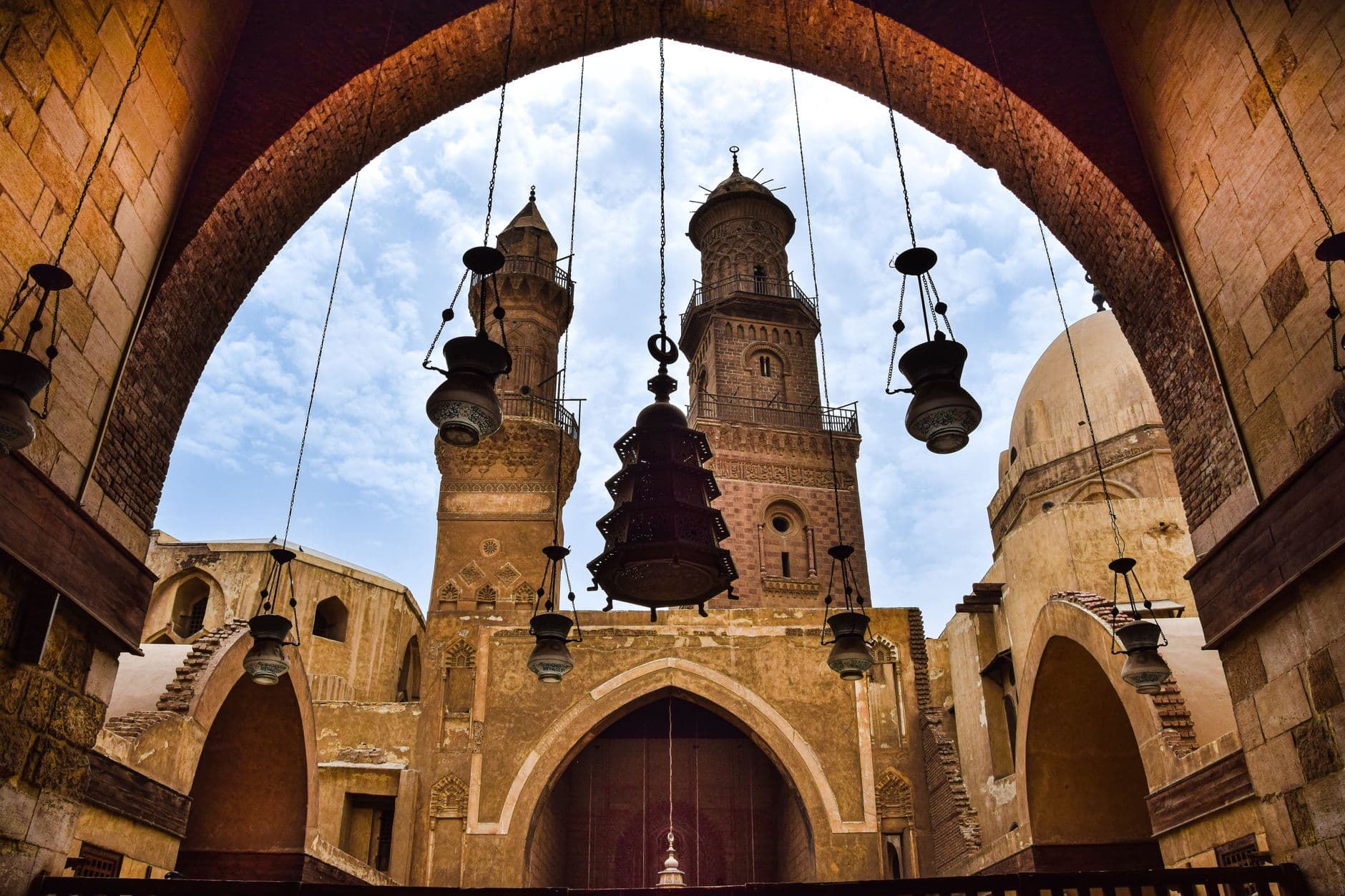
By the summer of 1260, the Mongol Empire had destroyed Baghdad, the seat of the Abbasid Caliphate, killing the Caliph Al-Musta'sim by rolling him in a carpet and trampling him with horses so that royal blood did not touch the earth. It had razed the House of Wisdom, one of the largest libraries ever assembled, throwing its books into the Tigris until the river reportedly ran black with ink. It had swept through Syria and taken Damascus. The next logical move was Egypt, the most fertile, most populated, most strategically significant territory in the Islamic world.
The army that stopped them was not a national conscript force. It was the Mamluks: soldiers who had been purchased as boys in the Caucasus, the Pontic steppe, and the Black Sea coast, transported to Egypt, converted to Islam, trained in cavalry tactics, and freed upon completing their military education. They were, technically, former slaves. They were also, as the Mongols discovered on September 3, 1260, the most disciplined heavy cavalry in the world.
The Mamluk commander Baybars used a feigned retreat, a tactic the Mongols themselves had perfected, to draw the Mongol general Kitbuqa's forces into a valley where the Egyptian flanks could close around them. Kitbuqa was captured and executed. It was the first time a Mongol army had been decisively defeated in open battle, and the loss ended Mongol westward expansion permanently. The Islamic world's political and cultural center shifted to Cairo, where it would remain for centuries.
---
The Human Story Behind the Victory
The Sultan who ordered the campaign, Qutuz, had personal reasons beyond strategy. He had been captured as a child during an earlier Mongol raid, sold into slavery in Egypt, and risen through the Mamluk ranks. When Mongol envoys arrived in Cairo demanding submission, Qutuz had them executed, which was either an act of supreme defiance or a calculated provocation designed to make retreat impossible. Possibly both.
His general Baybars was equally complicated. Born on the Pontic steppe, sold in Syria, purchased by a Mamluk commander who recognized his tactical gifts, Baybars fought at Ain Jalut with the specific objective of proving himself indispensable. He succeeded. On the return march to Cairo, flushed with the first Mongol defeat in history, he murdered Qutuz during a hunting excursion, took the sultanate for himself, and ruled Egypt for seventeen years as one of the most capable and ruthless administrators the medieval Islamic world produced.
This is not a story Egypt's history tends to tell neatly. The man who saved Islamic civilization from the Mongols killed the man who gave him the opportunity to do so, then commissioned mosques and infrastructure projects across Cairo as if none of it had happened. The Mosque of Baybars, completed around 1269 in what is now the Gamaleya district, is large enough to have served as a Napoleonic barracks during the French occupation and as a British military prison during World War One. It is now restored and rarely visited. That is a mistake.
---
What the Mamluks Built with the Peace They Created
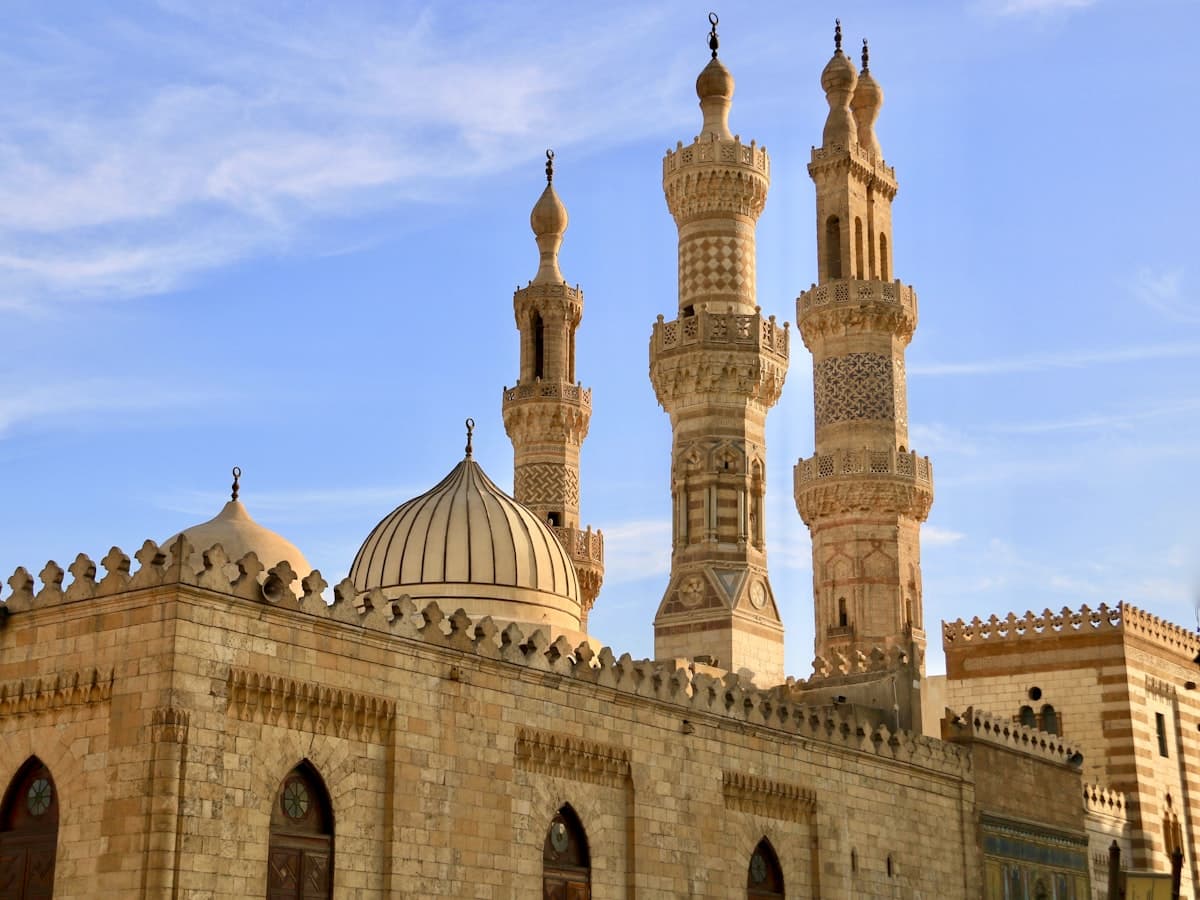
The two and a half centuries of Mamluk rule that followed Ain Jalut transformed Cairo's physical fabric in ways that are still visible and largely underappreciated. The Mamluks were obsessive builders, partly from genuine piety, partly because constructing a mosque or a madrasa was the primary way a sultan or amir demonstrated legitimacy. They had no inherited dynasties to point to. They had architecture.
Al-Muizz Street, the spine of medieval Cairo, contains the densest concentration of medieval Islamic architecture in the world. The phrase gets used loosely, but the numbers support it: within a 1.2km stretch, there are more than 60 structures dating to the Mamluk period, including the Mosque-Madrasa of Sultan Barquq (the first Circassian Mamluk sultan), the Qalawun complex (whose hospital, built in 1284, remained Cairo's primary medical institution for seven centuries), and the Madrasa of Al-Nasir Muhammad, who rebuilt it three times because he kept being deposed and reinstated.
The Qalawun complex is the one most visitors walk past too quickly. The bimaristan, or hospital, founded by Sultan Qalawun in 1284 was designed so that music was played to patients, that water features reduced fever-room temperatures, and that treatment was provided free regardless of religion or social class. This was not symbolic charity. It was operational medicine, and it was functioning as a hospital within living memory, serving patients until the early twentieth century.
The Mamluk sultans also rebuilt the Citadel that Saladin had begun, adding the Al-Nasir Muhammad Mosque inside its walls. That mosque's columns were taken from Pharaonic and early Christian structures across Egypt, which was standard Mamluk practice. A column in a Cairo mosque might have begun its life in a Hellenistic temple at Ashmunein, been incorporated into a Coptic church, and ended up supporting a Mamluk arcade. The Mamluks did not see this as disrespectful. They saw it as continuity.
---
The Connections: Ain Jalut's Long Reach Through Egyptian History
The battle's consequences extended well past the thirteenth century. By defeating the Mongols and absorbing waves of refugees fleeing Mongol destruction in Iraq, Persia, and Syria, Cairo became the repository of Islamic scholarship, art, and architecture that had been annihilated elsewhere. Scholars, poets, craftsmen, and Sufi orders that might have flourished in Baghdad or Aleppo ended up in Cairo instead. The city's intellectual density in the fourteenth and fifteenth centuries was a direct consequence of what happened at Ain Jalut.
The Mongols, for their part, eventually converted to Islam and fragmented into regional khanates. The Il-Khanate in Persia, the successor state whose armies had fought at Ain Jalut, became Muslim within a generation of the battle. The grandson of the Il-Khan whose forces Baybars defeated would correspond with the Mamluk sultan in Cairo as a fellow Muslim ruler.
The Ottoman Empire eventually ended Mamluk rule in 1517, defeating the last Mamluk sultan Tuman Bay at the Battle of Ridaniyya, northeast of Cairo. The Ottomans hanged Tuman Bay at the Bab Zuwayla gate, which still stands at the southern end of Al-Muizz Street. You can visit the gate, climb its minarets for EGP 50 (approx $1.65 USD), and look north along the same street the Mamluk army marched down to confront them. The view has not changed as much as you might expect.
One further connection worth knowing: the Mamluk institution did not disappear under Ottoman rule. The Mamluks were retained as a military and administrative class, continued to import enslaved soldiers from the Caucasus, and remained powerful enough that a Mamluk leader, Ali Bey al-Kabir, declared Egyptian independence from the Ottomans briefly in 1768. Napoleon's invasion in 1798 targeted Mamluk power specifically. The Mamluks survived that too, until Muhammad Ali invited their senior leadership to the Cairo Citadel for a banquet in 1811 and had them massacred in the corridor between the gates. The corridor is still there. It is called the Massacre of the Mamluks, and almost no one visiting the Citadel's famous Mohammed Ali Mosque upstairs knows it happened beneath their feet.
---
Common Mistakes When Exploring the Mamluk Legacy
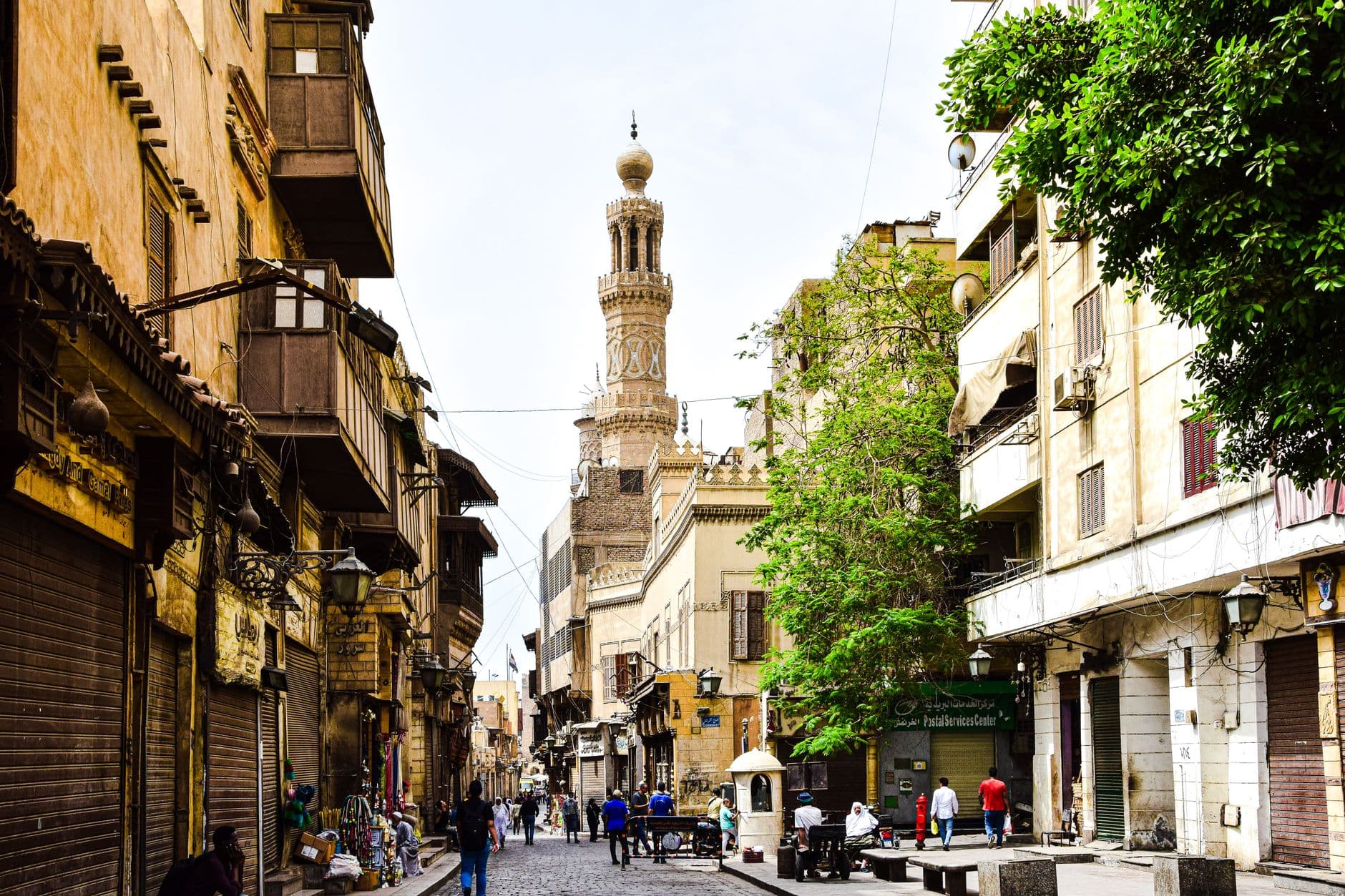
Skipping the Qalawun complex for the Khan el-Khalili market. Khan el-Khalili is immediately adjacent to the best Mamluk architecture in Cairo and is almost entirely tourist commerce. The Qalawun complex, thirty meters away, takes twenty minutes to see properly and contains one of the most sophisticated examples of medieval Islamic architecture on earth. Most visitors choose the market. The silver trinkets will not interest you in two years. Qalawun's hospital will.
Paying for a sound and light show at the Citadel. It costs EGP 300 and delivers nothing you will not learn in ten minutes with a decent book or from this article. The Citadel at dusk is worth visiting for the view over Cairo. Pay the entry fee and stand outside. Skip the show.
Treating the Mamluk period as a footnote between the Pharaohs and modern Egypt. This is the single most common error in how Egypt gets written about, including by Egyptians. The Mamluk period produced the physical city of Cairo that exists today. More of what you see walking through Islamic Cairo is Mamluk than anything else. Arriving without knowing who the Mamluks were is like visiting Rome and not knowing who the Romans were.
Not hiring a local guide for Al-Muizz Street. A licensed Egyptologist guide for a half-day on Al-Muizz Street costs EGP 600 to 900 and is worth every pound. The street contains layers of meaning, architectural reference, and historical context that are completely invisible without them. This is one case where the guide fee is not optional if you want to understand what you are looking at.
Visiting only the Mohammed Ali Mosque inside the Citadel and leaving. The Mohammed Ali Mosque is Ottoman, not Mamluk, and while architecturally interesting, it was built in the nineteenth century using largely imported materials and labor in deliberate imitation of Istanbul's style. The Al-Nasir Muhammad Mosque inside the same compound is older, more significant, and far less visited. It contains columns taken from ancient Egyptian sites across the country. Most visitors walk straight past it.
Assuming the battle of Ain Jalut is commemorated somewhere in Cairo. It is not, in any formal sense. There is no monument, no museum exhibition dedicated to it, no plaque on the Citadel walls marking Qutuz's departure. Egyptian public memory is complicated about the Mamluks, who were, after all, foreign-born rulers. The legacy is architectural and institutional rather than ceremonial.
---
Practical Tips for Following the Mamluk Thread
The best sequence for a single dedicated day: start at the Citadel when it opens at 8am, before the tour groups arrive. Spend two hours there, prioritize Al-Nasir Muhammad Mosque over everything else, and find the location of the 1811 massacre site near the lower gate. Descend to Al-Muizz Street by 10am, walk north from Bab Zuwayla, and take your time at the Qalawun complex and the Barquq complex. Break for lunch at one of the street restaurants between the Mosque of Al-Hakim and the Northern Gates. The Fatimid walls at the north end of the street, built in the eleventh century, predate the Mamluks and provide context for everything that came after.
Friday mornings bring local worshippers to the mosques, which is worth experiencing but means some interior spaces may be restricted. Saturday mornings tend to bring school groups. Tuesday and Wednesday are the quietest days.
The Baybars Mosque in Gamaleya, a ten-minute walk from Al-Muizz Street, is free to enter during non-prayer hours and almost never visited by tourists. It is the mosque of the man who won Ain Jalut, built to a scale that reflects exactly how seriously he took his own legacy. Go there last, when the afternoon light comes through the restored windows, and think about what it meant for a boy sold into slavery on the Black Sea coast to commission a building this size in the city he had made the center of the world.
Frequently Asked Questions
The Weekly Dispatch
More on Egypt, every Friday.
Cultural depth and places most guides never mention.
No spam. Unsubscribe anytime.