Coptic Christianity in Egypt: A Complete Cultural History Guide
Coptic Christians have been in Egypt since 42 AD, predating Islam by six centuries. Their language is a direct descendant of ancient Egyptian. Most visitors walk past this without realizing it.

Quick Facts
- Best time to visit
- October to April for comfortable temperatures. January 7 (Coptic Christmas) and April or May (Coptic Easter) offer unique liturgical experiences but require advance accommodation booking.
- Entrance fee
- Coptic Museum: EGP 200 (approx $4 USD), students EGP 100. Hanging Church, Abu Serga, and most Coptic Cairo churches: free entry. Desert monasteries: free, donations welcomed.
- Opening hours
- Coptic Museum daily 9am to 5pm. Old Cairo churches generally 9am to 4pm daily, with some closures Friday mornings during services. Desert monasteries typically 9am to 4pm on open days; closed during Coptic Lent and major fasts.
- How to get there
- Cairo Metro Line 1 to Mar Girgis station (EGP 10, approx 20 minutes from downtown). For desert monasteries, private car hire from Cairo: EGP 1,200 to 1,800 for Wadi al-Natrun, EGP 1,500 to 2,000 for Saint Anthony's Monastery.
- Time needed
- Half day minimum for Old Cairo Coptic quarter alone. Full day to include Coptic Museum thoroughly. Add two to three days to include Upper Egyptian sites and desert monasteries meaningfully.
- Cost range
- Budget EGP 600 to 1,000 per day in Cairo. Mid-range EGP 2,000 to 3,500 per day including private transport for desert monastery excursions.
Christianity arrived in Egypt before it arrived in Rome. The Coptic Orthodox Church traces its founding to Saint Mark the Evangelist, who came to Alexandria in approximately 42 AD, a full three decades before Saint Peter was martyred in the Roman capital. When you stand in a Coptic church in Old Cairo and hear the liturgy, you are listening to a language, Coptic, that is the final living form of the ancient Egyptian tongue spoken by the people who built the pyramids. The Greek alphabet replaced hieroglyphs, but the grammar, the cadence, the vocabulary: that is Pharaonic Egypt still breathing.
This is what the standard Egypt itinerary almost entirely misses.
Quick Facts
Best Time to Visit: October to April, when temperatures in Cairo and Upper Egypt drop to manageable levels. The Coptic Christmas (January 7) and Easter season offer extraordinary liturgical experiences, but book accommodation months in advance.
Key Sites and Entrance Fees: Coptic Museum, Old Cairo: EGP 200 (approx $4 USD), students EGP 100 Hanging Church (Al-Muallaqah): Free entry Church of Saint Sergius and Bacchus (Abu Serga): Free entry Ben Ezra Synagogue (within the Coptic Cairo complex): Free entry Monastery of Saint Anthony, Eastern Desert: Free, donations welcome White Monastery, Sohag: Free
Opening Hours: Coptic Museum open daily 9am to 5pm. Most Coptic Cairo churches open daily 9am to 4pm, some close Friday mornings. Desert monasteries typically open to visitors 9am to 4pm but close entirely during Lent and major fasts. Always verify before traveling.
How to Get There: Cairo Metro Line 1 to Mar Girgis station deposits you directly at the entrance to Old Cairo's Coptic quarter. Journey from downtown takes roughly 20 minutes, costs EGP 10. For the desert monasteries, the most practical option is a private car from Cairo: expect EGP 1,200 to 1,800 for a day trip to Saint Anthony's Monastery near the Red Sea coast.
Time Needed: Old Cairo Coptic quarter alone warrants a half day minimum. Add the Coptic Museum and budget a full day. A serious engagement with Coptic Christianity in Egypt, including Upper Egyptian monasteries, requires at minimum four to five days across multiple cities.
Cost Range: Budget EGP 600 to 1,000 per day in Cairo. Mid-range EGP 2,000 to 3,500 per day including private transport to desert sites.
Why Coptic Christianity in Egypt Matters
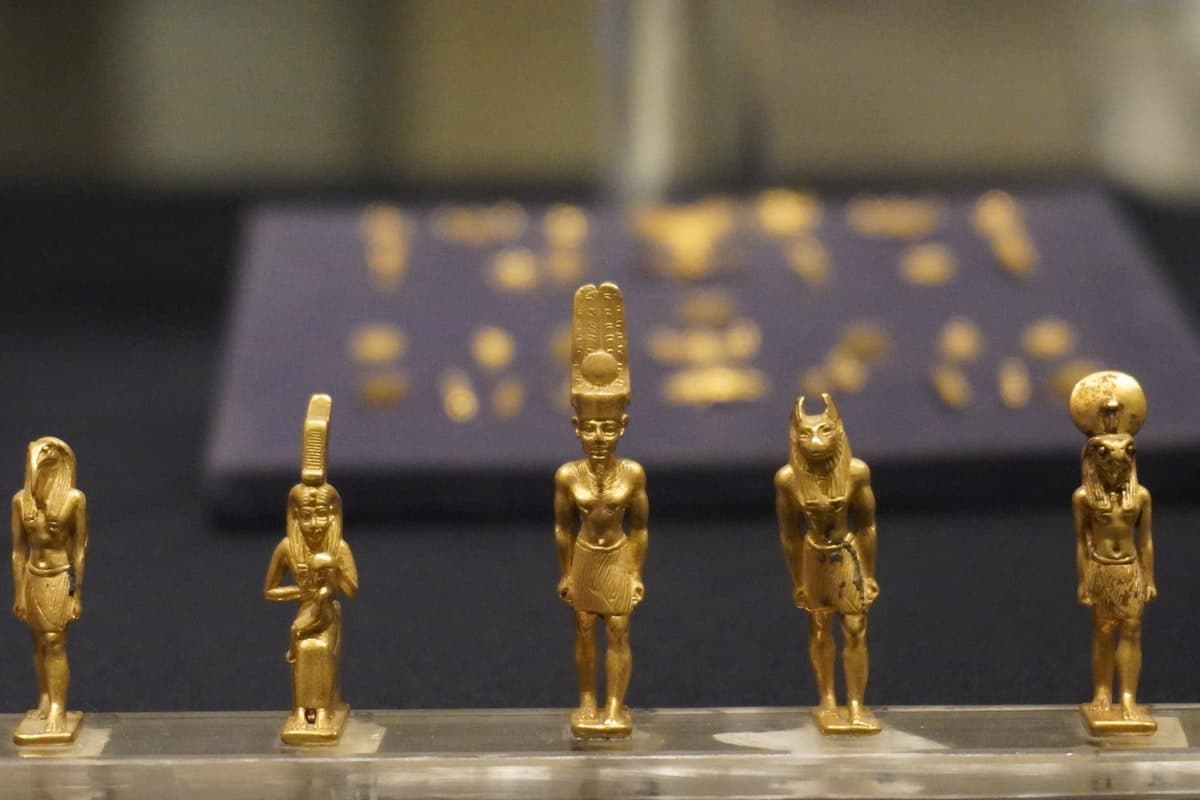
At its peak in the fourth and fifth centuries, Egypt was the intellectual center of global Christianity. Alexandria produced Origen, Clement, Athanasius, and Cyril, theologians whose arguments about the nature of Christ shaped doctrine that is still debated today. The Council of Nicaea in 325 AD, which produced the Nicene Creed recited in Catholic, Orthodox, and most Protestant churches worldwide, was largely an argument between Egyptian and Syrian Christian factions. Egypt lost, theologically speaking, but Coptic Christianity in Egypt retained its own position: the belief that Christ had one unified divine-human nature, a position called Miaphysitism, which separated the Coptic Church from Rome and Constantinople after the Council of Chalcedon in 451 AD.
The Copts did not simply resist this separation. They developed a theology, an art tradition, a monastic system, and a liturgical calendar that operated independently for the next fifteen centuries. Monasticism as a global Christian practice was essentially invented in the Egyptian desert. Saint Anthony of Egypt, born around 251 AD in Middle Egypt, is considered the father of Christian monasticism. His monastery near the Red Sea, founded by his disciples after his death, is the oldest continuously inhabited Christian monastery on earth.
When Egypt became majority Muslim following the Arab conquest in 641 AD, the Copts did not disappear. They negotiated, adapted, and survived. Today approximately 10 percent of Egypt's population is Coptic Christian, roughly 10 to 12 million people, making Egypt home to the largest Christian community in the Middle East and North Africa.
Old Cairo: Where the Layers Are Visible
The neighborhood Egyptians call Misr al-Qadima and tourists call Coptic Cairo is one of those places where the geology of civilization is literally visible underfoot. You enter through the Roman Babylon Fortress, built by Emperor Diocletian around 300 AD on the site of an earlier Persian fortification. The Copts built their churches inside the Roman walls because the walls offered protection. The result is that the oldest surviving Coptic churches in Egypt are sitting directly on top of Roman defensive structures.
The Hanging Church, Al-Muallaqah, takes its name from the fact that its nave is suspended over the southern gate tower of the Roman fortress. Stand inside and look down through the glass floor panels in the central aisle: you are looking at Roman masonry from the third century. The church itself dates in its current form to the ninth century, though earlier structures occupied the site from at least the fourth century. Its wooden pulpit, carved from solid cedar in a geometric lattice pattern, dates to the eleventh century and is considered one of the finest examples of Coptic woodwork in existence.
The Church of Saint Sergius and Bacchus, known as Abu Serga, sits lower than the surrounding streets because the neighborhood has been built up around it over fourteen centuries. Local tradition holds that the Holy Family sheltered in a crypt beneath this church during their flight into Egypt. The tradition cannot be verified, but the crypt is genuinely very old, and flooding from the Nile water table has been a problem here since at least the medieval period. When you descend those worn stone steps into the crypt, you are going below street level into a space that has been continuously venerated since the fifth century at minimum.
The Coptic Museum next door houses the most important collection of Coptic art in the world. Its 16,000 objects span textiles, manuscripts, stonework, and icons from the first millennium AD. The detail that most visitors absorb without processing: many of the pre-Christian Egyptian artistic conventions, the frontal figures, the large stylized eyes, the symbolic rather than naturalistic treatment of the body, passed directly into Coptic Christian iconography. The Coptic artists were the same people who had been painting Egyptian religious art for three thousand years. They simply changed the subject.
The Desert Monasteries: The Real Foundation
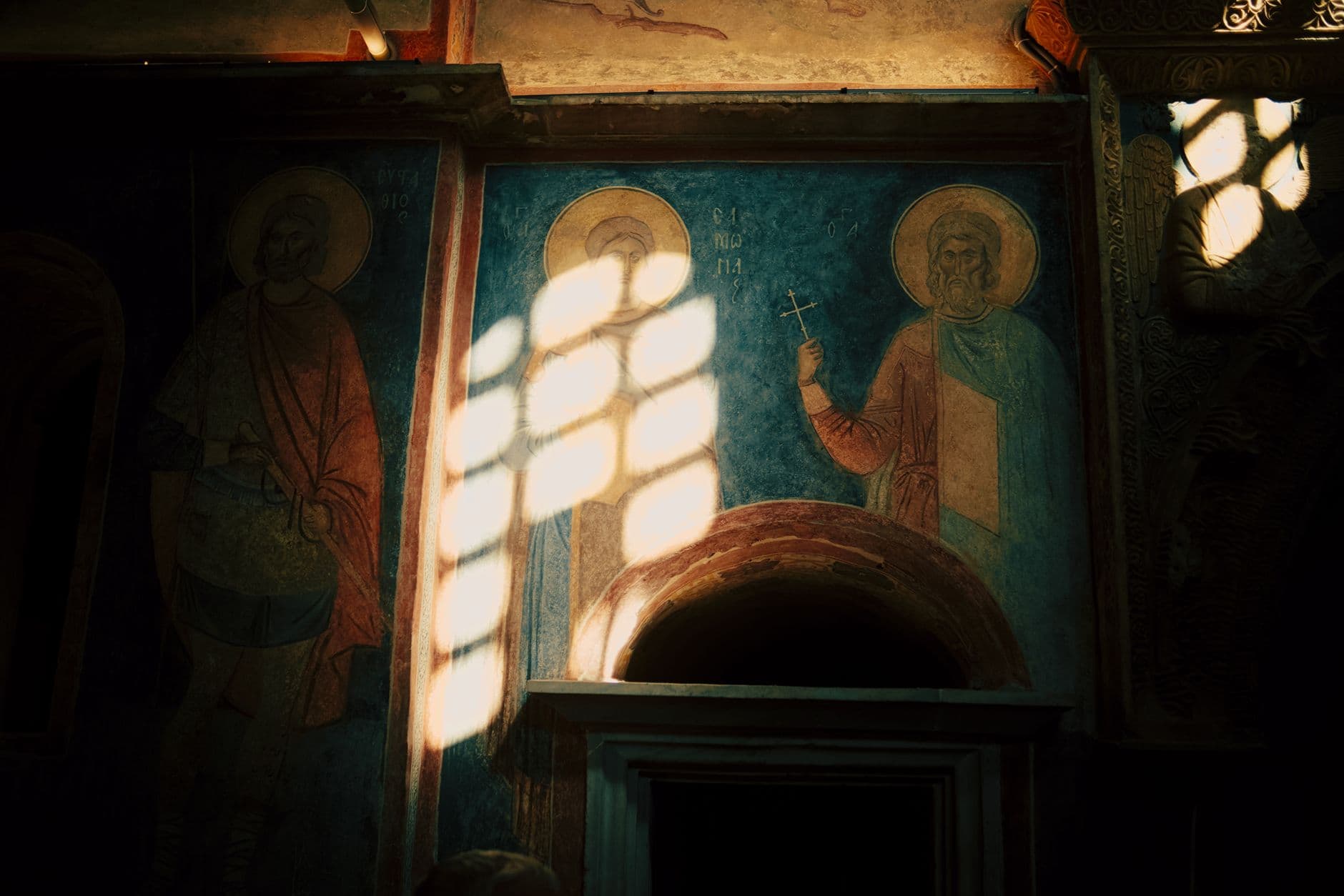
The monasteries are where Coptic Christianity in Egypt becomes something different from a museum visit. They are living institutions, not archaeological sites, and that distinction matters to how you experience them.
The Monastery of Saint Anthony in the Eastern Desert, roughly 150 kilometers southeast of Cairo near the Red Sea, contains wall paintings in the Church of Saint Anthony that date to the seventh century and were painted over by later Coptic artists in the thirteenth century, creating a palimpsest of two distinct artistic periods on the same walls. A restoration project completed in 2003 revealed the earlier layer beneath the later paintings in several sections. You can see both periods simultaneously in certain parts of the church, which is an experience you will not have in any Western European church of comparable age.
The Monastery of Saint Macarius in Wadi al-Natrun, in the desert west of the Cairo-Alexandria highway, has been occupied by monks since the fourth century with one significant interruption: it was raided and partially destroyed by Berber tribes in 408 AD, killing forty-nine monks, and raided again multiple times through the seventh century. The current buildings are largely medieval, but the monastic community has maintained unbroken records of its abbots since the ninth century. Pope Shenouda III, who led the Coptic Church from 1971 until his death in 2012, was exiled to this monastery by President Sadat in 1981 following disagreements over the Camp David Accords and Sadat's restrictions on Coptic community activities. He remained there under house arrest for forty months.
Wadi al-Natrun is also the site where the ancient Egyptians mined natron, the sodium carbonate salt used to desiccate bodies during mummification. The desert that incubated the earliest Christian monasticism was also the desert that supplied the material for three thousand years of Pharaonic burial practice. Egypt does not allow you to keep its historical threads separate.
The Connections
The Ben Ezra Synagogue in Old Cairo, which sits within the Coptic quarter itself, is where the Cairo Geniza was discovered in 1896. A geniza is a storage room for worn sacred texts that cannot be destroyed, and this one had been sealed for centuries. It contained approximately 300,000 Jewish manuscript fragments including letters, legal documents, and religious texts dating back to the tenth century, providing historians with the most detailed portrait of medieval Jewish life anywhere in the world. A Coptic quarter contained the most important Jewish manuscript archive ever found. The neighborhood was not Coptic: it was simply old enough to contain everything.
The Fatimid Caliph al-Aziz, who ruled Egypt from 975 to 996 AD, appointed a Coptic Christian named Isa ibn Nestorius as his vizier, effectively the chief minister of Islamic Egypt. His wife was a Coptic Christian. He ordered churches restored and protected the community from harassment. This is not an anomaly: the relationship between Coptic Christianity and Islamic governance in Egypt has been complex and contextual across fourteen centuries, not a simple story of persecution, though persecution has certainly occurred at specific points.
The Coptic language, which died as a spoken vernacular sometime around the seventeenth century, survived as a liturgical language and is now being actively revived. The Egyptian philologist Karam Kamal has been teaching conversational Coptic since the early 2000s, arguing that Coptic is to Egyptians what Hebrew is to Jews: a national language temporarily displaced, recoverable through deliberate effort.
Common Mistakes
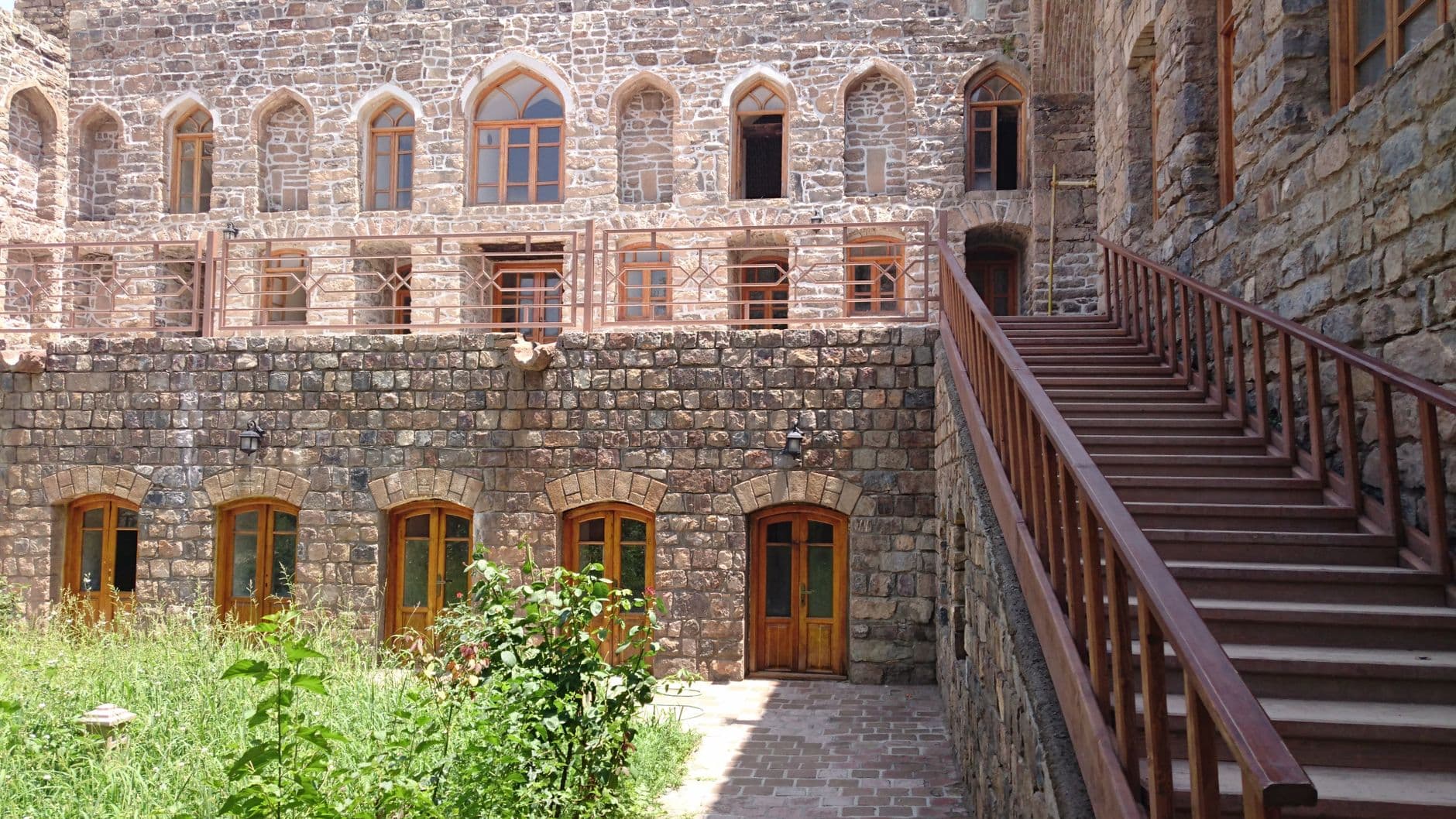
Visiting only Old Cairo and considering the box checked. Old Cairo is the accessible introduction to Coptic Christianity in Egypt, not the complete picture. The desert monasteries, the Upper Egyptian White Monastery at Sohag, and the Red Monastery near Akhmim contain some of the finest late antique paintings surviving anywhere in the world. The Red Monastery's interior dome paintings, restored between 1999 and 2010 by a team from Yale University, are considered by art historians to be among the most significant discoveries in fifth-century Christian art of the past century. Almost no tourists see them.
Going to the Hanging Church on a Friday morning. Many Coptic churches hold services Friday mornings, which is the Egyptian weekend. If you arrive during a service without intending to attend, you are disrupting something that matters to the people inside. Either attend properly, respectfully and quietly seated, or go another time.
Skipping the Coptic Museum to spend more time in the churches. The museum provides the context without which the churches are beautiful puzzles. Spend ninety minutes in the museum first.
Attempting a desert monastery visit without calling ahead. Monasteries close entirely during Lent and major fasts in the Coptic calendar. They also sometimes restrict visitors during the week and open only on weekends. A phone call or an email to the monastery's guest office, all the major monasteries have them, prevents a four-hour drive for a closed gate.
The sound and light show at any site related to Coptic history: there is not one, and this is a reason to be grateful. The commercialization that has descended on Pharaonic sites has largely left Coptic sites alone. Treat this as the condition to protect, not a gap to fill.
Assuming non-Coptic Egyptians are indifferent to this history. Many Muslim Egyptians are deeply invested in Coptic heritage as Egyptian heritage. The Coptic Museum's staff includes Muslim Egyptians who will discuss the theology and art history with genuine enthusiasm. Do not perform the narrative of religious tension onto a place where the reality is more complicated.
Visiting only in the context of a Cairo day trip. Upper Egypt has Coptic sites, particularly around Luxor and Aswan, that connect directly to the Pharaonic landscape. The Temple of Luxor has a Coptic church built inside it. The Temple of Philae, before it was moved to escape the Aswan High Dam reservoir, had a Coptic cross carved into one of its columns by Christian monks who converted it to a church. These overlaps are where Egypt's true character reveals itself.
Practical Tips
Dress conservatively at all Coptic sites: covered shoulders and knees for both men and women. This is not a suggestion. Some monasteries will refuse entry otherwise.
The best single day itinerary for Coptic Cairo: metro to Mar Girgis by 9am, begin with the Coptic Museum, move to the Hanging Church, then Abu Serga, then the smaller churches in the compound, finish at Ben Ezra Synagogue. Pack water and a small snack. There are no reliable food options inside the compound.
For the desert monasteries, hire a driver in Cairo rather than joining a tour. Most organized tours spend forty-five minutes at each monastery. You need at least two hours at Saint Anthony's to see the wall paintings properly and understand what you are looking at. A private driver costs more, roughly EGP 1,500 to 2,000 for a long day trip, but it is the difference between glimpsing something and actually experiencing it.
Coptic Easter is calculated differently from Western Easter and falls later in the spring. The Good Friday and Holy Saturday liturgies at major Cairo churches last several hours and are open to respectful non-Christian visitors. If you have any interest in liturgical music, the Coptic Easter liturgy is one of the most distinctive musical experiences in the world: a continuous chant tradition that scholars believe preserves melodic patterns from ancient Egyptian temple ritual.
Frequently Asked Questions
The Weekly Dispatch
More on Egypt, every Friday.
Cultural depth and places most guides never mention.
No spam. Unsubscribe anytime.