Egypt's Early Christians: A Complete Coptic History Guide
Egypt had a functioning Christian church before Rome did. The Coptic faith is older than the Vatican. Most visitors to Cairo never find where it began.

Quick Facts
- Best time to visit
- October through March. Coptic feast days (Coptic Christmas January 7, Easter per Coptic calendar) offer extraordinary liturgical atmosphere but larger crowds.
- Entrance fee
- Coptic Museum EGP 200 (approx $4 USD), students EGP 100. Most churches within Coptic Cairo are free. Wadi Natrun monasteries free, donations welcomed.
- Opening hours
- Coptic Museum daily 9am to 5pm, closed Fridays 11am to 1pm. Individual churches approximately 8am to 5pm. Wadi Natrun monasteries: mornings only, Friday through Sunday. Check individual monastery schedules before traveling.
- How to get there
- Metro Line 1 to Mar Girgis station (EGP 8 one way) drops you at the Coptic Cairo compound. For Wadi Natrun, take a West Delta bus from Cairo's Turgoman station (EGP 30 to 40) then local taxi from highway junction (EGP 80 to 100 per monastery).
- Time needed
- Coptic Cairo: 3 to 4 hours minimum. Adding Wadi Natrun: full day from Cairo. A serious multi-site Coptic Egypt itinerary covering Upper Egypt requires 3 to 4 dedicated days across a longer trip.
- Cost range
- Budget EGP 400 to 700 per day (metro, entry fees, local food). Mid-range EGP 1,500 to 2,500 per day with private transport and guided access to outlying monasteries.
Christianity arrived in Egypt roughly twenty years after the Crucifixion, when Saint Mark the Evangelist walked into Alexandria and began preaching to a Jewish cobbler named Ananias. That is the tradition. What is documented fact is this: Egypt's Coptic Church, founded in the first century, predates the establishment of the Roman Catholic Church by at least two centuries, and the theological school of Alexandria was producing systematic Christian philosophy before Christianity was even legal anywhere in the Roman Empire. The tourists who fly into Cairo, do a day in Coptic Cairo, photograph the Hanging Church, and move on to the Pyramids have seen almost nothing. This guide is for the ones who want to understand what they are actually looking at.
Quick Facts
Best time to visit: October through March. Summer in Cairo means 38°C in churches with limited ventilation. Winter light through the clerestory windows of ancient basilicas is worth planning around.
Entrance fees: Coptic Museum (Coptic Cairo complex): EGP 200 (approx $4 USD), students EGP 100 Hanging Church (Al-Muallaqah): Free entry Church of Saints Sergius and Bacchus (Abu Serga): Free entry Ben Ezra Synagogue (within complex): Free entry Monastery of Saint Macarius (Wadi Natrun): Free, donations accepted White Monastery (Sohag): Free
Opening hours: Coptic Cairo complex daily 9am to 5pm. Individual churches vary; most open from around 8am. The Coptic Museum closes Fridays 11am to 1pm for prayer. Monasteries have their own schedules and some require advance notice.
How to get there: The Cairo Metro Line 1 stops at Mar Girgis station, directly in front of the Coptic Cairo complex. One-way metro fare is EGP 8. By taxi from downtown Cairo, expect EGP 60 to 80. From Giza, add EGP 20 to 30.
Time needed: Coptic Cairo alone warrants a minimum of three hours. A serious engagement with Coptic history across Egypt, including Wadi Natrun and Upper Egypt sites, requires three to four dedicated days spread across your itinerary.
Cost range: Budget EGP 400 to 700 per day (metro, entry fees, street food near the complex). Mid-range EGP 1,500 to 2,500 per day including guided tours and transport to outlying monasteries.
Why This Place Matters
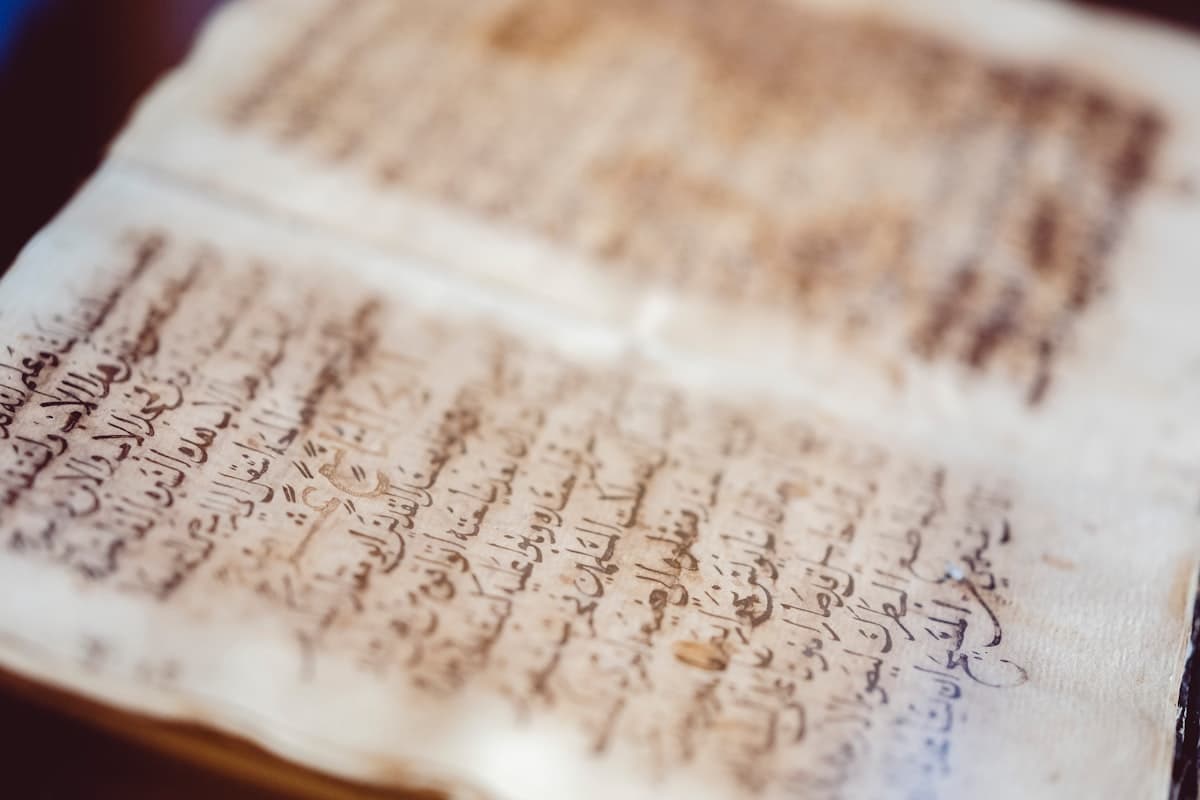
The word "Copt" does not mean Christian. It comes from the Greek "Aigyptos," which comes from the ancient Egyptian "Hwt-Ka-Ptah," the Temple of the Soul of Ptah in Memphis. When the Arabs arrived in 641 CE, they called the native inhabitants "Qibt." Over time, as Arab Egypt became Muslim Egypt, the word narrowed to describe specifically the Christian population. A Coptic Egyptian is therefore, etymologically, simply an Egyptian of the oldest kind.
This matters because it reframes everything about what you see in Coptic Cairo. The Hanging Church does not represent a foreign religion imported into Egypt. It represents the continuation of an Egyptian civilization that absorbed Christianity in its earliest form, preserved it through Roman persecution, through Byzantine power struggles over the nature of Christ's divinity, through seven centuries of Islamic rule, through Napoleon, through the British, and into the present. Coptic Christians today number approximately ten million, about ten percent of Egypt's population, and they use in their liturgy a language descended directly from the language of the Pharaohs.
The theological consequences of Egypt's early Christian history shaped the global faith. The Alexandrian school produced Origen, whose third-century commentaries on scripture were the most sophisticated theological writing of the age. It produced Athanasius, whose argument against Arianism at the Council of Nicaea in 325 CE established the doctrine of the Trinity that virtually all Christian denominations accept today. Without an Egyptian bishop winning that argument, Christianity might look entirely different.
Coptic Cairo: What You Are Standing On
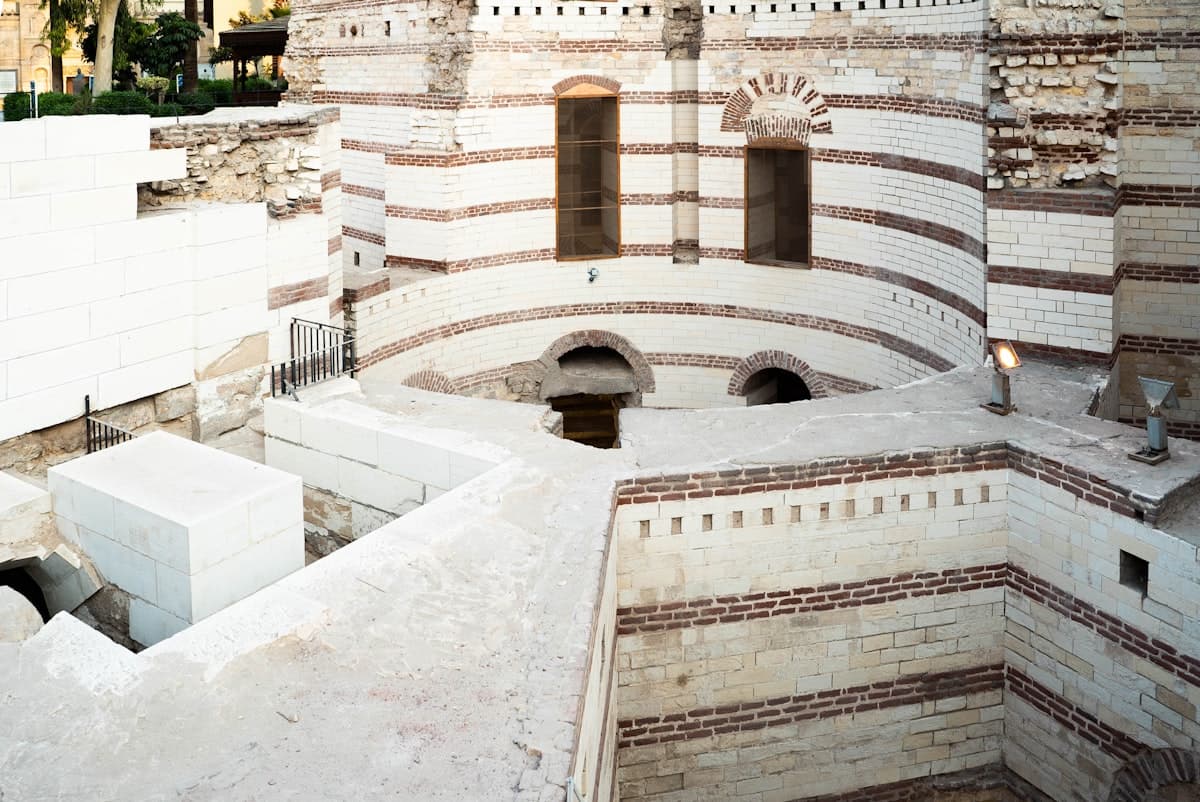
The Coptic Cairo compound sits inside what was once the Roman fortress of Babylon, built by Emperor Diocletian around 300 CE, precisely when that same emperor was orchestrating the most brutal persecution of Christians in Roman history. The irony is architectural: the towers that remain at the compound entrance are Roman military construction, and the Christians who Diocletian sought to eliminate built their churches inside his fort walls once his successors converted.
The Church of Saints Sergius and Bacchus, known as Abu Serga, claims to mark the spot where the Holy Family rested during their flight into Egypt. The crypt is fourth century. Whether the tradition is historical, what is certain is that Egypt held enormous importance in early Christian imagination as the land of refuge, the place Moses came from, the country that sheltered the child Jesus. This was not a backwater of early Christianity. Egypt was its intellectual and spiritual center.
The Hanging Church, Al-Muallaqah, gets the most visitors and the most photographs. It sits suspended over two towers of the Roman gatehouse, hence the name. The oldest sections date to the third century, though the current structure is largely seventh to ninth century with significant Fatimid-era renovations. What most visitors miss while photographing the carved ivory and ebony screen at the altar: the church contains 110 icons, and a significant number are from the tenth through thirteenth centuries, surviving from a period when Coptic art was developing a visual vocabulary entirely distinct from Byzantine convention. The dark, almost austere faces in those icons are not Byzantine. They are Egyptian.
The Coptic Museum next door is a serious institution. It holds the world's largest collection of Coptic artifacts, including the Nag Hammadi texts, the Gnostic gospels found in 1945 by a farmer near Luxor. Those texts predate the oldest complete New Testament manuscripts by decades. The museum's textile collection alone justifies a two-hour visit. The Coptic weavers of the third through seventh centuries produced work so technically advanced that European tapestry makers were still trying to replicate their methods a thousand years later.
The Desert Fathers and the Monasteries
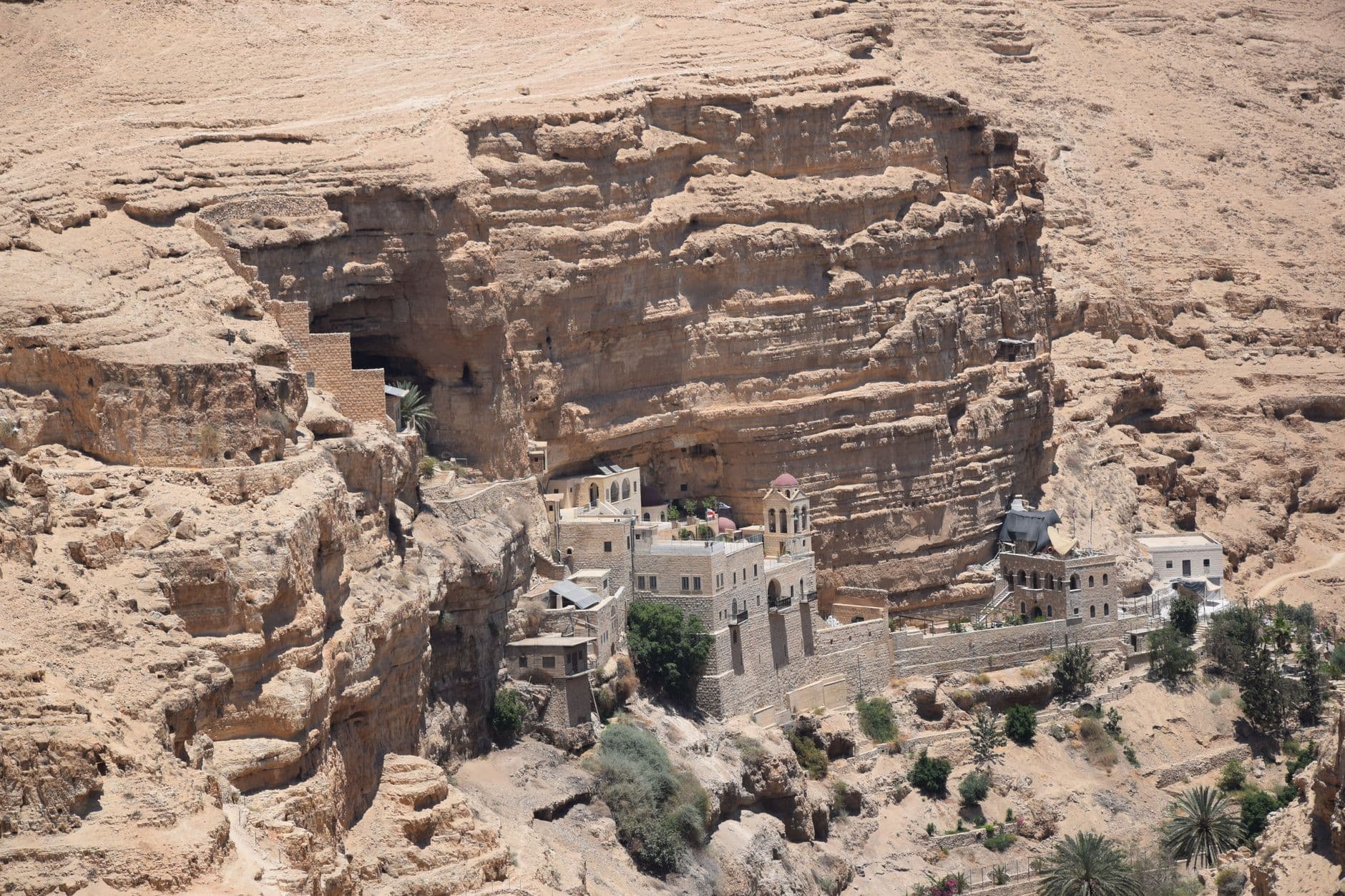
The single most consequential Egyptian contribution to global Christianity is not a church or a text. It is an idea: monasticism. Anthony the Great, an Egyptian from Middle Egypt, sold everything he owned around 270 CE, walked into the Eastern Desert, and began living alone. Others followed. By the time he died at approximately 105 years old in 356 CE, the desert around him was populated by thousands of hermits and proto-monastic communities. Every monastery in the world, from Benedictine abbeys in England to Tibetan Buddhist retreats, traces the idea of communal religious withdrawal to what happened in the Egyptian desert in the third century.
Wadi Natrun, roughly 90 kilometers northwest of Cairo on the desert road to Alexandria, contains four working monasteries that have operated continuously since the fourth century. The Monastery of Saint Macarius the Great was founded by followers of Saint Anthony in the late fourth century. It has been raided by Berber tribes, partially destroyed multiple times, and rebuilt. It currently houses over a hundred monks and is one of the most important centers of Coptic learning. The monks are not performing antiquity for tourists. They are living inside it.
Visiting requires advance planning. Some monasteries restrict visiting days to weekends and religious holidays. Others ask that you contact them in advance. Dress conservatively, shoulders and knees covered for both men and women. Do not photograph monks without explicit permission. The churches inside these compounds contain relics that Coptic tradition traces to the earliest centuries of the faith. Whether you accept that claim or not, the continuity of practice in these spaces is documented and is extraordinary.
The White Monastery near Sohag in Upper Egypt, built in the fifth century by the monk Shenoute of Atripe from the stones of demolished Pharaonic temples, is less visited than Wadi Natrun and considerably more significant architecturally. Its exterior walls still show the battered courses and cavetto cornice of classical Egyptian temple construction. Shenoute simply repurposed the material. The civilization did not break. It converted.
The Connections: How Coptic Egypt Links Everything Else
The street in Coptic Cairo called Haret al-Roum, Street of the Romans, runs alongside walls that are also the foundations of the medieval Islamic quarter that grew up outside the fortress. The Amr ibn al-As Mosque, the first mosque built in Africa, constructed in 642 CE, stands less than five hundred meters from the Hanging Church. The two traditions coexisted within the same small district for fourteen centuries. When you walk from one to the other in eight minutes, you are walking through 1,400 years of negotiated coexistence, conflict, accommodation, and shared urban life.
The Fatimid caliphs who built Islamic Cairo in 969 CE employed Coptic craftsmen to construct their mosques. The woodcarving in the Al-Azhar Mosque's earliest sections shows Coptic geometric patterns adapted for Islamic sacred space. The craftsmen who built pharaonic temples taught their techniques to Hellenistic builders, who passed them to Roman engineers, who handed them to Coptic monks, who sold their labor to Muslim patrons. The skill never left Egypt. Only the patron changed.
In Luxor, the Temple of Luxor contains a Coptic church built inside the colonnade of Ramesses II and, behind it, a mosque dedicated to Abu Haggag that is still active. Three sacred traditions layered inside one structure, each one making use of what the previous civilization left standing.
Common Mistakes
Spending all your Coptic time in Cairo. Coptic Cairo is the entry point, not the full picture. The monasteries of Wadi Natrun and Upper Egypt sites like the White Monastery and the Monastery of Saint Simeon in Aswan contain more history and fewer tour groups. If you have four days in Egypt's Coptic history, spend two of them outside Cairo.
Arriving at the Coptic Museum after noon. School groups from across Cairo descend on the museum between 10am and noon on weekdays. Arrive at 9am when it opens or after 2pm. You will see the same collection with a fraction of the noise.
Skipping the Ben Ezra Synagogue. This is technically a Jewish site, but its connection to early Christian Egypt is direct: it was built on the site traditionally identified as where Moses was found in the bulrushes, and the Cairo Geniza, discovered here in 1896, contained over 300,000 manuscript fragments including some of the oldest surviving copies of Jewish, Christian, and early Islamic texts found anywhere in the world. That document cache rewrote the history of medieval Mediterranean civilization. Entry is free.
Doing the sound and light show at any Coptic site. None exist, which is the correct decision. Do not substitute any packaged multimedia experience for sitting in Abu Serga during an early morning liturgy. Ask the caretaker if a service is scheduled. If one is, stay for it. The Coptic liturgy has not changed substantially since the fifth century.
Ignoring the Coptic calendar. The Coptic Church uses a calendar based directly on the ancient Egyptian solar calendar, with twelve months of thirty days plus five or six intercalary days. Coptic Christmas falls on January 7. If you visit during a Coptic feast day, the churches will be full and extraordinary. Plan for it rather than around it.
Taking a private tour without checking your guide's actual knowledge. Many Cairo guides know the standard Hanging Church script and nothing else. Ask them specifically about the Council of Chalcedon in 451 CE and why the Coptic Church rejected it. If they cannot explain it in two sentences, find a guide who can. That schism is the reason Coptic Christianity exists as a separate denomination and it explains the entire subsequent history of Christians in Egypt.
Underestimating travel time to Wadi Natrun. Cairo to Wadi Natrun is 90 kilometers on the Desert Highway but the bus stops at the highway junction, not at the monasteries. From the junction, you need a local taxi that will add 30 to 40 minutes and EGP 80 to 100 per monastery. Budget a full day for four monasteries, starting no later than 8am from Cairo.
Practical Tips
The best single resource before visiting is not a guidebook but the Coptic Encyclopedia, portions of which are available online. Read the entries on the Council of Chalcedon, on Saint Anthony, and on the Nag Hammadi texts before you arrive. You will see the museums and churches differently.
For photography inside churches, ask first and accept no as an answer. Some of the most significant icons are in storage or in poor light and cameras cause real photochemical damage over time. The Coptic Museum permits photography in most galleries without flash.
The area around Coptic Cairo can feel aggressive with tour touts and taxi drivers clustered at the Mar Girgis metro exit. Walk directly into the compound entrance and ignore everyone who addresses you before you reach it. Once inside the walls, the atmosphere changes entirely.
If you read Arabic, the Coptic Cultural Center near Shubra in Cairo occasionally holds lectures and exhibitions on Coptic manuscript preservation. These are open to interested visitors and are genuinely good.
Water and food are not available inside the Coptic Cairo compound. Bring water. There are cafes immediately outside the complex on the street running parallel to the Nile. Koshary shops near the Mar Girgis station charge Cairo prices, not tourist prices, roughly EGP 30 to 50 for a full meal.
Frequently Asked Questions
The Weekly Dispatch
More on Egypt, every Friday.
Cultural depth and places most guides never mention.
No spam. Unsubscribe anytime.