Modern Egypt Revolution History: A Cairo Guide
Nasser's 1952 officers seized power without firing a single bullet. The king left with 204 pieces of luggage. Cairo still carries the whole story.

Quick Facts
- Best time to visit
- October to March. Cairo winters are mild, 15 to 25°C, making multi-site walking days manageable. Summer heat above 38°C makes outdoor Garden City and Heliopolis walks genuinely punishing.
- Entrance fee
- Egyptian Museum: EGP 450 (approx. $9 USD), students EGP 225. Abdeen Palace Museum: EGP 100 (approx. $2 USD). Al-Rifa'i Mosque: EGP 100. Sultan Hassan Mosque: EGP 180. Cairo Tower: EGP 80.
- Opening hours
- Egyptian Museum: Daily 9am to 5pm. Abdeen Palace: Tuesday to Sunday 9am to 5pm, closed Monday. Al-Rifa'i and Sultan Hassan: Daily 8am to 5pm. Cairo Tower: Daily 9am to 1am.
- How to get there
- Cairo Metro Line 2, Sadat station, deposits you at Tahrir Square for EGP 8. Taxis from Zamalek to Tahrir: EGP 40 to 60. Uber and Careem from downtown: EGP 30 to 50. Abdeen Palace is a 15-minute walk from Tahrir or EGP 20 by taxi.
- Time needed
- Two full days for a serious historical engagement. One day minimum if you combine Egyptian Museum and Garden City only. Add a third half-day for Heliopolis.
- Cost range
- Budget EGP 600 to 900 per day covering entry fees, metro, and street food. Mid-range EGP 1,800 to 2,800 per day with sit-down meals and a private guide. Private historical guides cost EGP 800 to 1,500 for a half-day.
Quick Facts
Best time to visit: October through March, when Cairo's heat drops below 25°C and outdoor sites are walkable without losing a litre of sweat per hour.
Key sites covered in this guide: Egyptian Museum (Tahrir Square), Abdeen Palace Museum, the Free Officers Monument (Heliopolis), Al-Rifa'i Mosque complex, and the neighbourhood of Garden City.
Egyptian Museum entrance: EGP 450 (approx. $9 USD), students EGP 225. The Revolutionary History display is included. The Grand Egyptian Museum in Giza is separate; don't confuse the two.
Abdeen Palace Museum: EGP 100 (approx. $2 USD) for foreigners. Open Tuesday through Sunday, 9am to 5pm. Fridays close between noon and 1:30pm for prayer.
How to get there: The Cairo Metro Line 2 stops at Tahrir Square (Sadat station) for EGP 8. Taxis from Zamalek run EGP 40 to 60. Ride-shares (Uber, Careem) from downtown Cairo cost EGP 30 to 50 depending on traffic, which is always bad.
Time needed: A serious engagement with the 1952 revolution history trail takes two full days. One day for Tahrir, the Egyptian Museum, and Garden City. A second for Heliopolis, Abdeen, and Al-Rifa'i.
Cost range: Budget EGP 600 to 900 per day covering entry fees, metro, and street food. Mid-range EGP 1,800 to 2,800 per day if you add sit-down meals and a guide.
---
Why This Moment Still Shapes Every Street You Walk
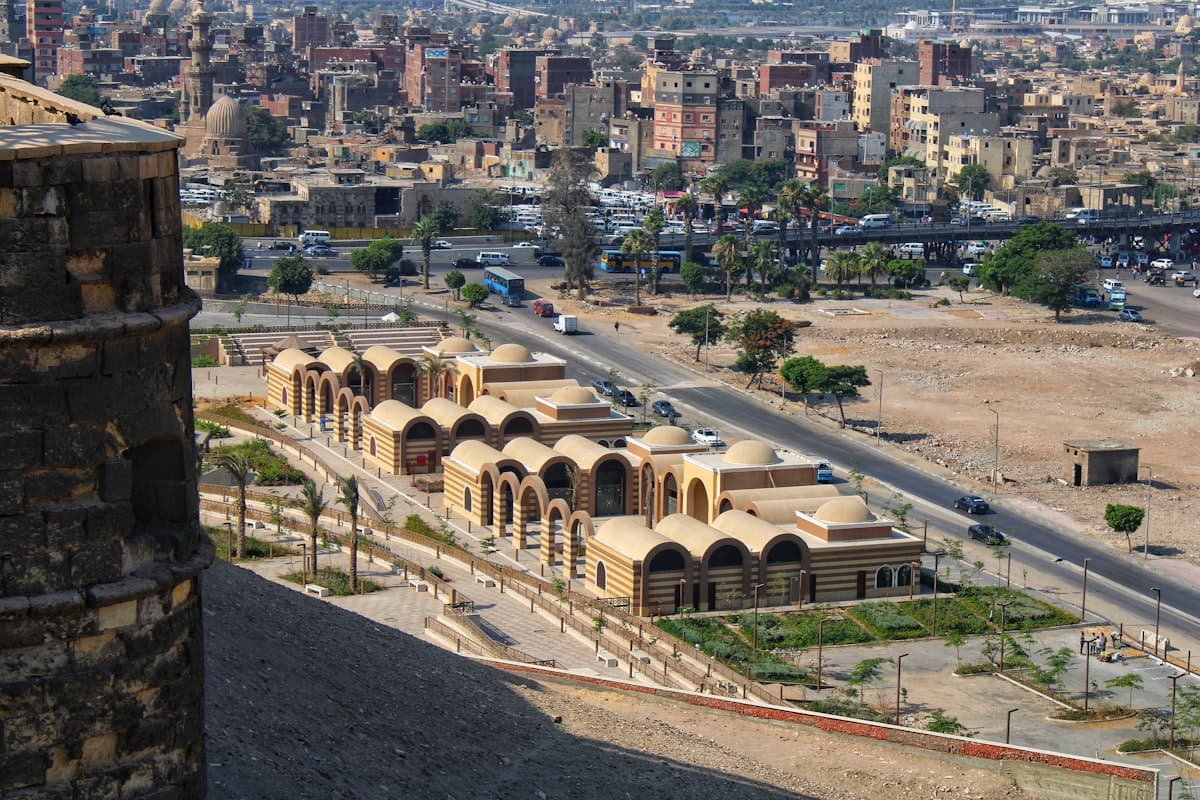
On the night of July 22 into July 23, 1952, fourteen Egyptian army officers drove tanks to state buildings, radio stations, and the headquarters of their own military high command. By dawn, they controlled Egypt. King Farouk, last of the Muhammad Ali dynasty that had ruled since 1805, surrendered within three days. He boarded a ship from Alexandria harbour on July 26 carrying, by the official inventory recorded by the new government, 204 pieces of luggage, 35kg of jewellery, and a collection of pornography later auctioned to pay state debts. He was never charged, never tried, and died in Rome in 1965 after reportedly choking on his dinner.
The revolution that ended his reign was called bloodless. This was almost true. General Muhammad Naguib became the nominal leader, but the real architect was a 34-year-old colonel named Gamal Abdel Nasser who had spent three years recruiting officers through a secret organization he called the Free Officers Movement. Nasser formally took power in 1954, held it until his death in 1970, and left behind a Cairo so transformed by his ideology of Arab nationalism, state socialism, and anti-imperialism that you cannot stand on a modern street corner in this city without touching something he built, abolished, nationalized, or renamed.
The modern Egypt revolution 1952 history that most visitors encounter comes filtered through taxi conversation and museum plaques. This guide tries to give you the physical Cairo where it actually happened: the buildings, the neighbourhoods, the overlooked corners where the old world collided with the new.
---
Garden City: Where the Empire Slept
Walk south from Tahrir Square along the Nile corniche for eight minutes and you enter Garden City, a neighbourhood designed in 1906 by a Belgian company called Baron Empain's Cairo Electric Railways and Heliopolis Oases Company, specifically to house the British colonial administration and the Egyptian landed class that served it. The streets curve in deliberate spirals, a design meant to confuse any crowd that tried to march in a straight line toward the British Embassy, which still sits here behind an iron fence on Ahmad Ragheb Street.
In 1952, Garden City was the address of power. The offices of the Anglo-Egyptian Condominium, the residences of pashas, the clubs where policy was made over gin. By 1956, when Nasser nationalized the Suez Canal, most of its British residents had left. By 1961, when Nasser nationalized the land holdings of the Egyptian aristocracy, most of the pashas followed. The villas they left behind became government ministries, foreign embassies, or simply decayed behind overgrown gardens.
The building at 4 Ahmad Ragheb Street, now the Semiramis Hotel extension site, was originally the residence of Lord Cromer, the British Consul-General who effectively ruled Egypt from 1883 to 1907 without holding a single Egyptian government title. He wrote in his 1908 memoir that Egyptians were racially incapable of self-governance. The 1952 officers were, in part, his refutation.
Walk these streets at 7am before the traffic arrives. The jacaranda trees still bloom purple in spring over walls tagged with the football club colours of Zamalek and Ahly. The empire is gone. Its floor plan remains.
---
Abdeen Palace: The Inventory of a Fallen King
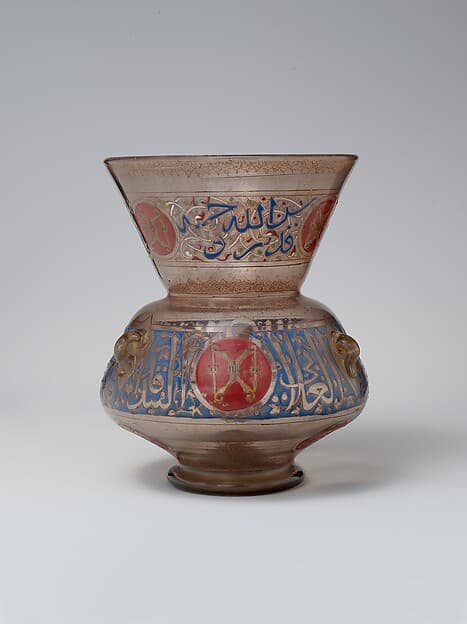
Farouk's primary Cairo residence was Abdeen Palace, a 500-room complex in central Cairo that his great-great-grandfather Khedive Ismail began building in 1863. Ismail hired a French architect named Leon Rousseau and eventually spent what would today be approximately $1.5 billion on the building and its contents. He also spent Egypt into bankruptcy, which gave Britain its legal pretext to intervene in Egyptian finances in 1876, which eventually led to full military occupation by 1882. Palaces have consequences.
Today Abdeen is a presidential residence and partial museum. The museum sections display what the new government chose to keep rather than sell. The arms museum holds swords, pistols, and ceremonial weapons collected across 150 years of Egyptian rulers. The silver museum has 2,000 objects, some Byzantine in origin, accumulated over six reigns. The documents room contains original correspondence between Egyptian rulers and European powers, including a letter from Napoleon Bonaparte written during his 1798 campaign that predates Abdeen by 65 years but ended up here through the acquisitive habits of the dynasty he helped create.
The palace's most instructive exhibit for understanding the modern Egypt revolution 1952 history is not any single object. It is the aggregate: the scale of wealth concentrated in one family while the 1952 officers, most of them from provincial middle-class families, earned officer salaries barely sufficient to rent a flat. Nasser's father was a postal worker from Beni Mur in Upper Egypt. He grew up watching his country governed from rooms like these by people who treated Egypt as an inheritance.
Admission is EGP 100. Plan ninety minutes. The guards will let you photograph most rooms if you ask directly in Arabic: "Momkin tesawwar?" Most tourists photograph the silver. Photograph the documents.
---
The Connections: Nothing in Cairo Stands Alone
Al-Rifa'i Mosque, which sits adjacent to the medieval Mamluk mosque of Sultan Hassan in the Citadel district, was completed in 1912 as a royal mausoleum for the Muhammad Ali dynasty. Khedive Ismail's mother, Princess Khushyar, commissioned it in 1869. It took 43 years to build because it was redesigned three times and the original architect, Hussain Fahmi, died before it was finished. The final architect, Max Herz Pasha, was an Austro-Hungarian Jewish engineer who also restored the Mosque of Ibn Tulun two kilometres away. His name is not on any plaque inside.
In 1980, the deposed Shah of Iran, Mohammad Reza Pahlavi, was buried here by Anwar Sadat, Nasser's successor. The Shah had been refused entry by country after country. Sadat took him. The gesture cost Sadat his relationship with revolutionary Iran and complicated Egypt's position across the Arab world. Sadat was assassinated in Cairo in October 1981. His state funeral was attended by three former US presidents, Begin of Israel, and Sukarno of Indonesia. Almost no Arab heads of state came.
The Shah's tomb is in Al-Rifa'i. King Farouk is not. He was buried in Rome. His body was returned to Cairo in 2009 and interred in Al-Rifa'i under a quiet ceremony. He is in the same building as the dynasty the 1952 revolution ended, in the same district where the Mamluks the dynasty replaced had built their greatest monuments, on ground that was part of the Pharaonic city of Memphis before any of them existed. This is how Cairo works. Nothing is only one thing.
---
Common Mistakes
Confusing the Egyptian Museum with the Grand Egyptian Museum. They are seventeen kilometres apart. The Egyptian Museum in Tahrir holds the revolutionary-era acquisitions and the archive of the Nasser-era nationalist project, including rooms added in the 1950s to specifically reframe Pharaonic history as Egyptian heritage rather than colonial spectacle. The GEM in Giza is newer and more expensive (EGP 1,200, approx. $24 USD). For the purposes of this specific history, Tahrir is the right building.
Taking an organized "revolution tour" from a hotel concierge. These tours cover Tahrir Square and say the word "revolution" seventeen times without explaining what Nasser actually did economically, which is the part that still organizes Egyptian life. The land reform of 1952 capped individual landholding at 200 feddans, distributed 450,000 feddans to landless farmers in the first two years, and dismantled the social structure that the British occupation had protected. No tour operator in Cairo is going to explain this to you in forty minutes.
Spending time at the sound and light show at the Citadel. It costs EGP 250, runs 45 minutes, and tells you nothing about the post-1952 history of the site or why Nasser chose to make his major speeches in the square below it. Read this guide instead.
Visiting Heliopolis without knowing why it exists. The suburb was built entirely by Baron Edouard Empain, a Belgian industrialist, starting in 1905, as a private city connected to Cairo by a tram he also owned. Nasser's childhood home is here, on a street in the Kubba district, not currently open to the public. The Free Officers Monument is here. Most visitors to Heliopolis go only to the Baron's Hindu-influenced palace, now a ruin, without understanding that the entire suburb was built by foreign capital on desert land that became Egyptian by force of the revolution's sequestration laws.
Ignoring the Corniche in favour of the interior streets. The stretch of Nile corniche between Garden City and Zamalek was redesigned under Nasser as a statement of the new Egypt, wide boulevards replacing the narrow colonial-era streets. The Cairo Tower on Gezira Island was built in 1961 using a $3 million bribe from the CIA meant to subvert Nasser. He used it to build a tower and named it accordingly. It is 187 metres tall and entry costs EGP 80. The view explains the city's geography in a way no map does.
Expecting Cairenes to be neutral about 1952. This is not a settled question. Older Egyptians from aristocratic families will tell you the revolution destroyed a cosmopolitan Cairo of mixed communities: Greeks, Jews, Italians, Armenians, Levantine Arabs. They are correct. Egyptians from provincial or working-class backgrounds will tell you the revolution was the first time Egypt was governed by Egyptians in two thousand years. They are also correct. Both conversations are available to you in any coffee shop. Have them.
---
Practical Tips
The Sadat Metro station (Line 2) deposits you directly under Tahrir Square, which is the physical and symbolic centre of this entire history trail. The square itself was redesigned in the 1950s and renamed from Ismailia Square, erasing the Khedive Ismail's name from the city's main public space, a deliberate act of revolutionary renaming that Nasser repeated across Cairo.
For the Abdeen Palace Museum, go Tuesday or Wednesday before 11am. The building receives school groups after 11am and the arms museum in particular becomes loud and crowded. The garden behind the palace is accessible with entry and is undervisited. Sit here for ten minutes. The scale of the original structure becomes comprehensible from the garden in a way it does not from the street.
Garden City is best explored on foot. Hire a taxi to drop you at the Semiramis Hotel and walk south and east through the curving streets for an hour. You will find villas behind walls with gardens that have not been touched since the 1960s. Some are now embassy residences. Some are ministries. A few are abandoned. None of them are marked on tourist maps.
For Al-Rifa'i and Sultan Hassan mosques, dress covers shoulders and knees. Both mosques are free to enter for prayer. Tourists pay EGP 100 at Al-Rifa'i. Sultan Hassan is EGP 180. They are fifty metres apart. See both in a single visit. The acoustic difference between the two buildings, one medieval, one early twentieth century, is worth standing in silence to notice: Sultan Hassan was designed so that a voice from the mihrab could be heard without amplification in any of its four iwans simultaneously.
For the Cairo Tower, go at dusk rather than at night. The Nile catches the last light in a way that the electric city after dark does not replicate.
Frequently Asked Questions
The Weekly Dispatch
More on Egypt, every Friday.
Cultural depth and places most guides never mention.
No spam. Unsubscribe anytime.