Suez Canal History, British Egypt, and the Waterway That Built a Nation
Britain occupied Egypt in 1882 over a canal it didn't build, didn't own, and didn't fully control until 1936. The real story is messier and better than that.

Quick Facts
- Best time to visit
- October to March. The Canal Zone sits in the Delta and gets brutally hot from May through September. Winter light on the water is also considerably better for photography.
- Entrance fee
- Ismailia Museum EGP 50 (approx $1.60 USD). Port Said National Museum EGP 80 (approx $2.60 USD). Canal corniche viewing is free.
- Opening hours
- Ismailia Museum: Saturday to Thursday 9am to 2pm, closed Friday. Port Said National Museum: daily 9am to 4pm.
- How to get there
- From Cairo: East Delta Bus from Turgoman station to Ismailia costs EGP 45 to 65, runs every 30 to 60 minutes, journey around 90 minutes. To Port Said: EGP 55 to 75, journey around 2 hours. Private taxi Cairo to Ismailia costs EGP 600 to 900 chartered.
- Time needed
- Ismailia deserves a full day. Port Said warrants 4 to 5 hours. Suez city itself can be seen in 2 hours. Two days covers all three comfortably.
- Cost range
- Budget EGP 600 to 900 per day including bus, food, and museum entry. Mid-range with hotel in Ismailia and local guide runs EGP 1,800 to 2,500 per day.
Quick Facts
Best time to visit: October to March, when the Delta heat is manageable and the light on the canal is clear rather than bleached white.
Entrance fees: The Suez Canal Authority Museum in Ismailia charges EGP 50 (approx $1.60 USD). The Port Said National Museum charges EGP 80 (approx $2.60 USD). The Canal itself is viewable for free from the public corniche in Ismailia, Port Said, or Suez city.
Opening hours: Ismailia's Canal Authority Museum opens Saturday to Thursday, 9am to 2pm. Closed Fridays. Port Said National Museum opens daily 9am to 4pm.
Getting there: From Cairo, buses to Ismailia run from Turgoman station and cost EGP 45 to 65 (approx $1.50 to $2.10 USD), journey time around 90 minutes. Taxis from Cairo to Port Said run EGP 800 to 1,200 for a shared or chartered ride. East Delta Bus Company is reliable and runs frequently.
Time needed: Ismailia deserves a full day. Port Said warrants at least half a day if you are combining the museum with the waterfront. Suez city itself offers the least for visitors and can be covered in two hours.
Cost range: Budget travel through the Canal Zone runs EGP 600 to 900 per day including transport, food, and museums. Mid-range, including a hotel in Ismailia and guided visits, runs EGP 1,800 to 2,500 per day.
---
Britain occupied Egypt in 1882 over a canal it had initially refused to finance. When Ferdinand de Lesseps came to London in the 1850s to raise money for the Suez Canal project, the British government called it technically impossible and financially reckless. Disraeli's own party mocked the idea. Twelve years after the canal opened, Britain invaded Egypt to protect its shipping access to it. The irony was not lost on Egyptian nationalists, and it still sits in the air over the waterway like humidity.
This is the Suez Canal history British Egypt entanglement in miniature: a story of a country that came late to something, seized it anyway, held it by force for seven decades, and then watched it become the instrument of its own imperial humiliation when Nasser nationalized the canal in 1956. Coming to the Canal today means standing at the physical site where the British Empire began its long and ungraceful exit from the world stage.
Why This Place Matters
The canal took ten years to build, from 1859 to 1869, and killed an estimated 125,000 laborers, most of them Egyptian corvée workers, meaning they were conscripted rather than hired. This is the number Egyptian historians use. European accounts tend to put casualties lower and emphasize technical achievement. The gap in those figures is itself a document of how colonial history gets written.
Khedive Ismail opened the canal on November 17, 1869, with a party that cost roughly 28 million francs and included Empress Eugénie of France, Emperor Franz Joseph of Austria-Hungary, and a specially commissioned opera that was eventually not completed in time. The opera Ismail had commissioned was Verdi's Aida, which premiered at Cairo Opera House in 1871 instead. The opening went ahead without it, but the story attached anyway, and the Aida-Suez legend has been repeated in tourism literature ever since. This is worth knowing because it is false. Aida was commissioned for the opening of the Cairo Opera House, not the canal. The confusion flatters both Verdi and Khedive Ismail simultaneously, which is probably why it persists.
The financial toll of building the canal, combined with Ismail's broader modernization spending, bankrupted the Egyptian state. By 1875, Egypt could no longer service its debt. The Khedive sold his government's 44 percent stake in the Suez Canal Company to the British government for four million pounds, a sum that Disraeli borrowed personally from Lionel de Rothschild because Parliament was in recess and he could not wait. It was the largest private financial transaction in British history at the time. Seven years later, British troops were on Egyptian soil.
The British Occupation: What It Actually Looked Like on the Ground
The British said they came in 1882 to restore order after a nationalist uprising led by Colonel Ahmed Urabi threatened foreign interests. They said they would leave once stability was restored. They stayed for 74 years.
Ismailia became the de facto capital of the British military presence in Egypt. The Canal Zone was a distinct administrative entity, essentially a colonial enclave within a nominally independent country, and it reached its largest footprint during World War Two, when more than 200,000 British and Commonwealth troops were stationed there. The base at Ismailia was the largest British military installation in the world at its peak. Walking through Ismailia's old European quarter today, you pass colonnaded villas with rusted garden gates and jasmine growing through broken shutters, all of it built for British officers and their families who spent years here in a peculiar suspended state, neither colonial rulers in the formal sense nor ordinary residents.
The 1936 Anglo-Egyptian Treaty was supposed to end the occupation. It codified instead a twenty-year lease on the Canal Zone and left British troops on Egyptian territory until 1956. Egyptian national memory marks this treaty with considerable bitterness, because it was sold as independence and delivered something considerably less. The Wafd party, which signed the treaty, never fully recovered its nationalist credibility.
In January 1952, Egyptian auxiliary police in Ismailia refused British orders to disarm and surrender their station. British forces attacked with tanks. Forty-one Egyptian police were killed. The following day, Cairo burned. Mobs burned the Shepheard's Hotel, the Turf Club, and dozens of other symbols of European presence. Six months later, the Free Officers' Revolution ended the monarchy. Four years after that, Nasser nationalized the canal. The Ismailia police station incident is rarely discussed in Suez Canal history British Egypt accounts aimed at Western tourists. It should be the starting point.
What You Will Actually See: Three Cities, Three Stories
Ismailia
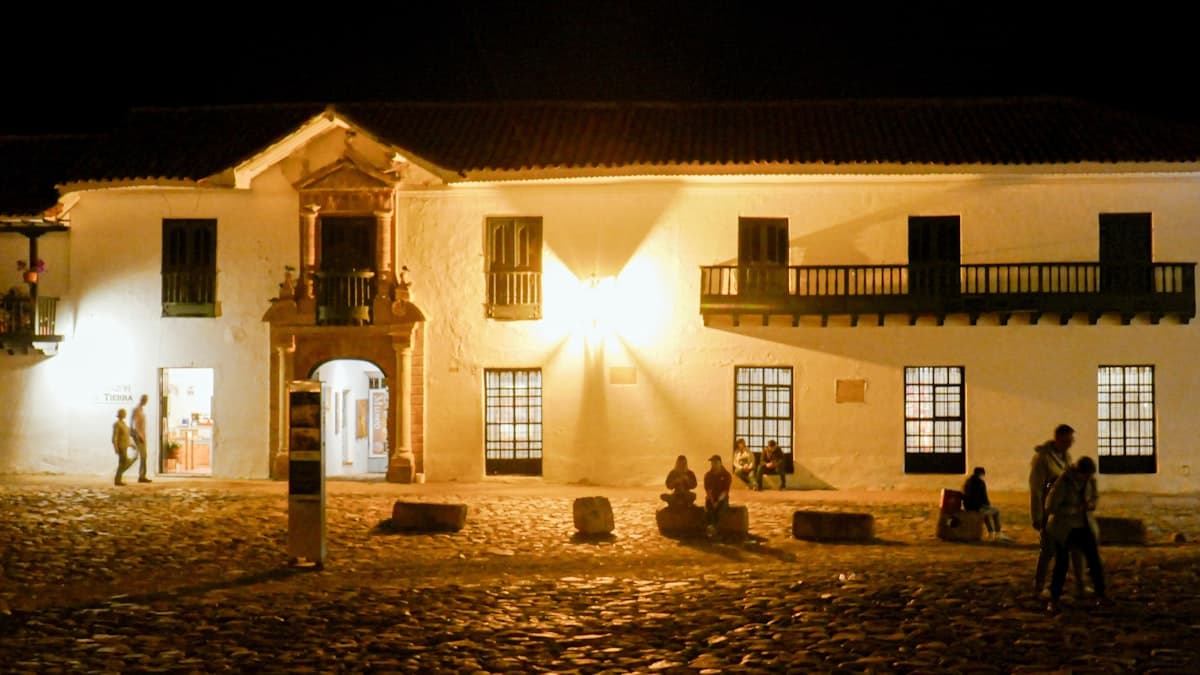
Ismailia is the most rewarding of the three Canal cities for visitors with any interest in this history. The Ismailia Museum, separate from the Canal Authority building, holds a modest but well-curated collection including artifacts from the ancient canal routes that preceded de Lesseps by two millennia. The Egyptians under Ramesses II dug a canal connecting the Nile to the Red Sea around 1290 BC. It fell out of use, was re-dug by Darius I of Persia around 500 BC, silted up again, and was re-dug once more by the Roman emperor Trajan. De Lesseps did not invent the idea. He industrialized it.
The Ferdinand de Lesseps house in Ismailia is now a museum and contains his furniture, correspondence, and personal effects with a completeness that makes it feel like he stepped out for an hour. The garden is overgrown but the wooden verandah is intact. The Canal Authority's main building, a grand colonial structure from 1869, sits nearby and is occasionally open for organized visits, though you will need to arrange this in advance through a local guide or your hotel.
Port Said
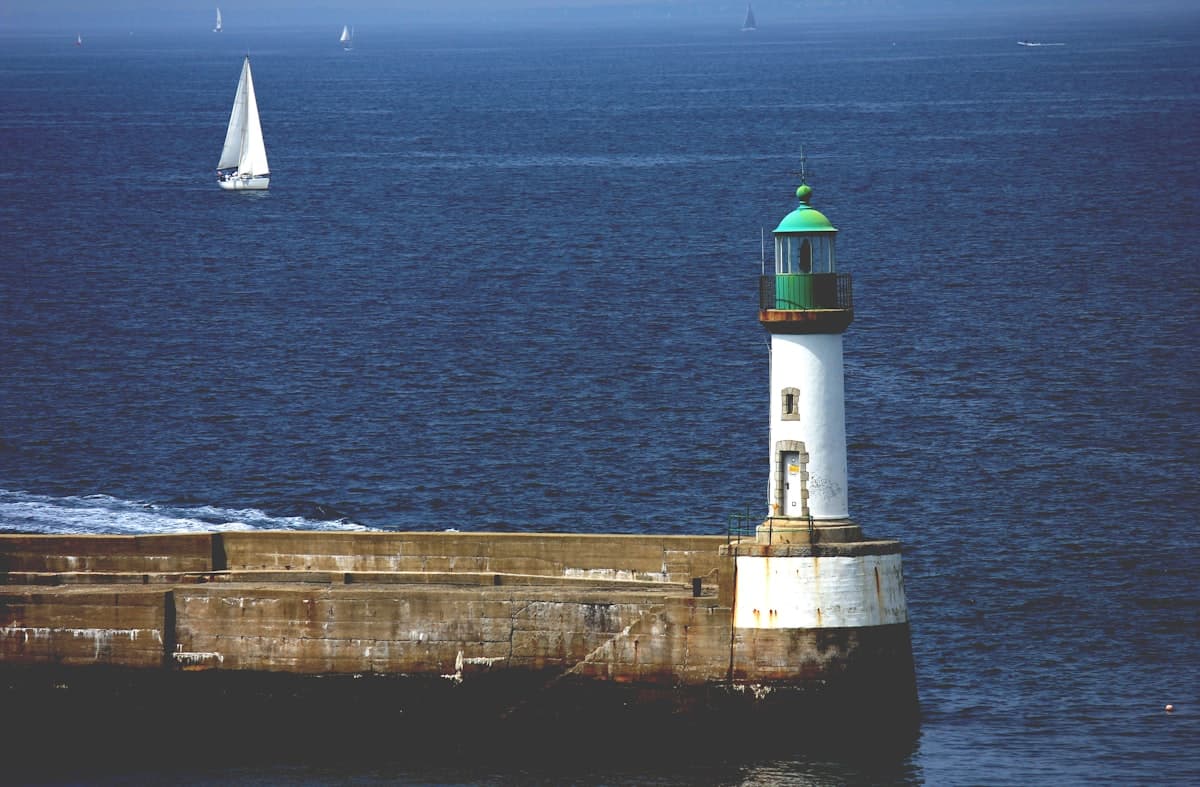
Port Said was built simultaneously with the canal as its Mediterranean entrance, and it has the architectural layering of a city that has been everything at once: a Free Zone for duty-free shopping, a wartime target, a symbol of national pride, a smuggler's port. The National Museum covers pharaonic, Islamic, and modern history under one roof and is better than its low entrance fee suggests. The lighthouse at the canal's northern entrance is a working navigational structure from 1869 and still uses the original site, though the structure has been rebuilt.
Port Said was bombed by British and French forces during the Suez Crisis of 1956 and again in 1967. The city was entirely evacuated during the War of Attrition between Egypt and Israel, from 1967 to 1973, and remained empty for years. What you see now is largely rebuilt, but the residents carry that evacuation as living memory. Ask an older person in Port Said about their family and the years away, and you will learn more about the canal's political history than from any museum.
Suez City
Skip the sound and light shows that occasionally run near the Suez waterfront. They cost between EGP 200 and 350, run infrequently, and deliver a condensed nationalist narrative that tells you less than an hour with the Port Said museum would. The canal viewing from the corniche in any of the three cities is free and, frankly, better. There is something specific about watching a container ship the size of a city block glide past at eye level through a channel that is only 300 meters wide. No narration improves it.
The Connections
The ancient canal routes that preceded de Lesseps ran not from the Mediterranean to the Red Sea directly but from the Nile's eastern branch to the Red Sea, through what is now the Wadi Tumilat. This is the same route that the biblical Exodus narrative follows, and scholars of that tradition have used the ancient canal geography to argue for various crossing points of the "Sea of Reeds," which in Hebrew is Yam Suph, a phrase that has nothing to do with the Red Sea as modern maps draw it. The geography of the Suez Canal history reaches into questions most Western visitors carry with them without knowing it.
The British military cemeteries in the Canal Zone, maintained by the Commonwealth War Graves Commission, contain soldiers from both World Wars as well as the 1882 campaign. The Tel el-Kebir War Cemetery, about 90 kilometers from Ismailia, holds more than 4,000 graves from the 1882 battle in which the British defeated Urabi's forces in 35 minutes. The speed of that defeat shaped British assumptions about Egyptian military capability that held, incorrectly, until 1956.
Nasser's nationalization speech on July 26, 1956, was delivered in Alexandria. He embedded the word "de Lesseps" as a code phrase: when his engineers heard it on the radio, they were to seize the canal's technical facilities simultaneously. It worked. The British and French military response that followed was a strategic disaster that required American pressure to halt and effectively ended Britain's capacity to act as an independent imperial power. The canal that Britain seized in 1882 to protect its interests was the same instrument by which those interests finally collapsed.
Common Mistakes
Visiting only from Cairo as a day trip. Ismailia is 90 minutes from Cairo but genuinely requires a full day to do properly. Visitors who rush it see the Ferdinand de Lesseps house and the canal view and nothing else. The Wadi Tumilat area and the surrounding landscape reward slower travel.
Treating Port Said as a shopping stop. Port Said's Free Zone status means it draws Egyptian shoppers, not cultural tourists, and the experience of navigating its commercial center is disorienting without that context. Go for the museum and the corniche. Leave before the shopping crowds arrive mid-morning.
Assuming the Canal is visible from everywhere along its length. Most of the canal runs through open desert with no public access. The three cities are the viewing points, and even within them, the canal is visible from specific stretches of corniche rather than throughout.
Paying for a private guide in Suez city specifically. There is not enough content in Suez city itself to justify a full guide fee. Save that cost for Ismailia, where a knowledgeable local guide substantially changes what you understand about the British-era buildings.
Skipping the Ismailia Museum in favor of the de Lesseps house. Most visitors go to the house and consider the museum optional. This is backwards. The museum's section on the ancient canal predecessors reframes the entire site and takes 45 minutes.
Relying on English-language signage. The Canal Authority Museum and the Ismailia Museum both have Arabic-primary labeling with patchy English translation. Bring Google Translate set to camera mode or come with a guide.
Expecting the canal crossing at Ismailia to be quick. If you are crossing from west to east by the public ferry, wait times vary enormously depending on canal traffic. A convoy of large vessels can halt the crossing for 40 minutes or more. This is not an inconvenience. It is a reminder of what the canal actually does.
Practical Tips
October through February is the right window for the Canal Zone. The Delta in summer is genuinely punishing, not atmospherically so but physically difficult, and the cities themselves offer little shade.
Ismailia has decent mid-range hotel options along the corniche. Port Said has more variety, including some well-maintained older hotels from the Free Zone era. Book ahead for weekends, when Egyptian domestic tourists fill both cities.
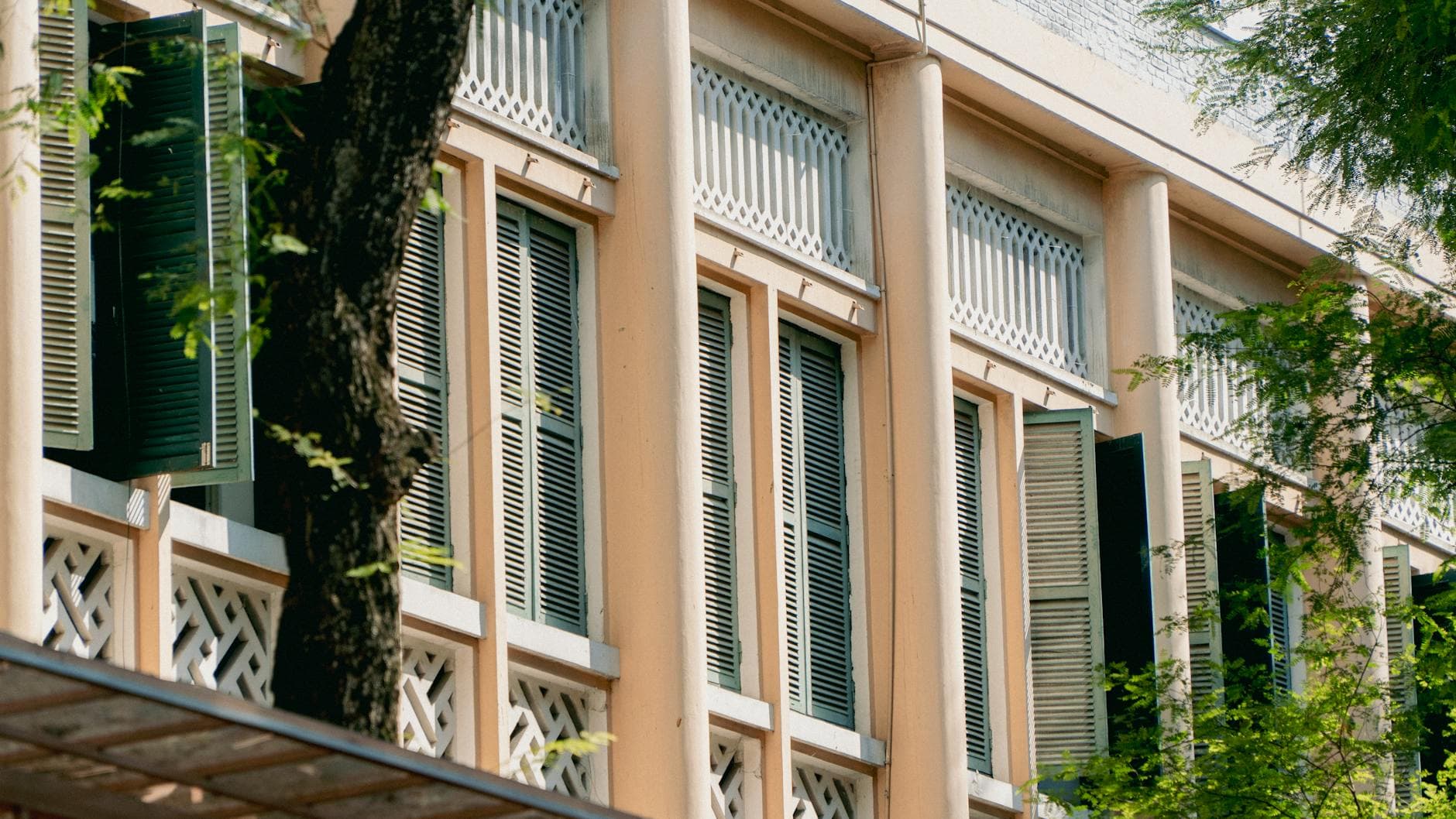
If your interest is specifically in British-era architecture, walk the streets of the European quarter in Ismailia in the morning before the heat builds. Many of the old villas are now government offices or private residences, and you cannot enter them, but the exteriors are largely intact and the neighborhood is walkable in under two hours.
The canal convoy schedule is publicly available online through the Suez Canal Authority website. If you time your corniche visit to coincide with a northbound or southbound convoy, you will see a continuous procession of massive vessels moving through the desert landscape, which is one of the genuinely disorienting experiences Egypt offers.
For travelers specifically researching Suez Canal history and the British Egypt period, the Mahmoud Khalil Museum in Cairo, though focused on European art, holds contextual material on the Khedivial court era that complements what you see in Ismailia. The Egyptian National Archives in Cairo, open to researchers with advance registration, holds documents from the occupation period that have not been widely published in English.
Frequently Asked Questions
The Weekly Dispatch
More on Egypt, every Friday.
Cultural depth and places most guides never mention.
No spam. Unsubscribe anytime.