Suez Canal History, British Egypt, and the Zone You Can Actually Visit
Britain occupied Egypt in 1882 to protect a canal it didn't build and didn't own. The Canal Zone war of 1951 killed that arrangement. Most visitors never go there.

Quick Facts
- Best time to visit
- October to April. Summer heat and humidity in the canal zone are intense, with temperatures regularly above 38C. Winter months offer clear light and comfortable walking temperatures around 18 to 24C.
- Entrance fee
- Ismailia Canal Museum and de Lesseps House: approximately EGP 60 (under $2 USD). Port Said National Museum: approximately EGP 80 (under $3 USD). Canal embankment walking is free. Port Fouad public ferry: EGP 5 (under $0.20 USD).
- Opening hours
- Ismailia Museum: approximately 9am to 4pm daily, closed Fridays. Port Said National Museum: 9am to 4pm, closed Tuesdays. Hours shift seasonally and closures for renovation occur without advance notice. Verify locally.
- How to get there
- Ismailia: East Delta bus from Cairo Turgoman terminal, EGP 45 to 60 one way, 90 to 120 minutes. Port Said: bus from Turgoman terminal, EGP 80 to 100 one way, approximately 3 hours. Private car from Cairo to Ismailia costs EGP 800 to 1,200 round trip negotiated.
- Time needed
- Ismailia alone: half day minimum, full day comfortably. Port Said alone: full day. Both combined require an overnight stay in one of the canal cities.
- Cost range
- Budget EGP 600 to 900 per day including transport and local food. Mid-range with hotel in Ismailia or Port Said, EGP 1,800 to 2,800 per day.
The British did not build the Suez Canal. They seized it. That distinction shaped everything that happened in Egypt between 1882 and 1956, and understanding it is the only way to make sense of what you are actually looking at when you stand on the embankment at Ismailia and watch a container ship the size of a city block slide past at eye level, impossibly close, impossibly quiet.
The canal was dug by forced Egyptian labor under a French concession, opened in 1869, and sold to Britain in 1875 by a bankrupt Egyptian khedive who needed cash. Benjamin Disraeli bought the shares with a loan from the Rothschild banking house because the British Treasury was closed for the weekend. Egypt got the debt. Britain got control of the fastest route to India. The arrangement lasted, in various legal forms, until Gamal Abdel Nasser nationalized the canal on July 26, 1956, and the modern Middle East began.
This is not a buried story. It is the story of the canal, and of British Egypt, and if you visit without knowing it, you will spend your time photographing ships when you could be reading the landscape like a document.
Quick Facts
Best time to visit: October to April. The canal zone in summer is brutally hot and humid, and the industrial ports offer no shade. Winter light is also cleaner for photography.
Ismailia Canal Museum entrance fee: Approximately EGP 60 (under $2 USD). The Ferdinand de Lesseps House (now part of the museum complex) is included. Hours are roughly 9am to 4pm daily, closed Fridays. Verify locally as hours shift seasonally.
Port Said Suez Canal Authority Building: Free to view from outside. The interior is not regularly open to tourists, but the embankment walk is public and the views of ship traffic are the real draw.
How to get there: Ismailia is 120km from Cairo. Buses depart from Cairo's Turgoman terminal every 30 to 60 minutes, fare around EGP 45 to 60 one way (under $2 USD). East Delta buses are more reliable than microbuses. The journey takes about 90 minutes to 2 hours depending on traffic. A private car from Cairo costs approximately EGP 800 to 1,200 round trip if you negotiate with a driver. Trains exist but are slow and infrequent.
Port Said is 220km from Cairo. Bus from Turgoman terminal, approximately EGP 80 to 100 one way, 3 hours. A taxi across the canal to Port Fouad costs around EGP 5 on the public ferry, which runs constantly.
Time needed: Ismailia alone takes half a day comfortably. Port Said is a full day if you walk the Corniche, visit the National Museum, and cross to Port Fouad. Combining both requires an overnight stay.
Cost range: Budget EGP 600 to 900 per day including transport and food. Mid-range with a hotel in Ismailia or Port Said, EGP 1,800 to 2,800.
Why the Canal Zone Matters
The Suez Canal is 193 kilometers long, sea-level throughout (no locks, unlike Panama), and at its narrowest point is about 313 meters wide. When it opened in 1869, it reduced the journey from Britain to India by approximately 7,000 kilometers. The Ottoman Empire, Russia, France, and Britain had been fighting over the land connecting the Mediterranean and the Red Sea for centuries before de Lesseps drove the first shovel. The Romans had a canal here. The Pharaoh Necho II attempted one in the 7th century BC. The Arab caliph Umar ibn al-Khattab reopened an older Ptolemaic canal in 640 AD to supply grain to Arabia.
What the modern canal did was make the isthmus a permanent international crisis point. Britain occupied Egypt in 1882, officially to suppress a nationalist military uprising (the Urabi Revolt), but the canal was the real reason. The occupation was described at the time as temporary. It lasted 70 years.
The British Canal Zone was a peculiar imperial enclave: roughly 15,000 square kilometers of Egyptian territory administered by British forces, containing military bases, civilian settlements, and a strange floating world of clubs, cricket pitches, and officers' messes planted in the desert between the Bitter Lakes. At its peak after World War II, the zone housed 80,000 British troops, the largest overseas British military deployment in the world at that time. Egyptian workers commuted into it daily. Egyptians were not allowed to own property in it.
What You See and What It Means: Ismailia
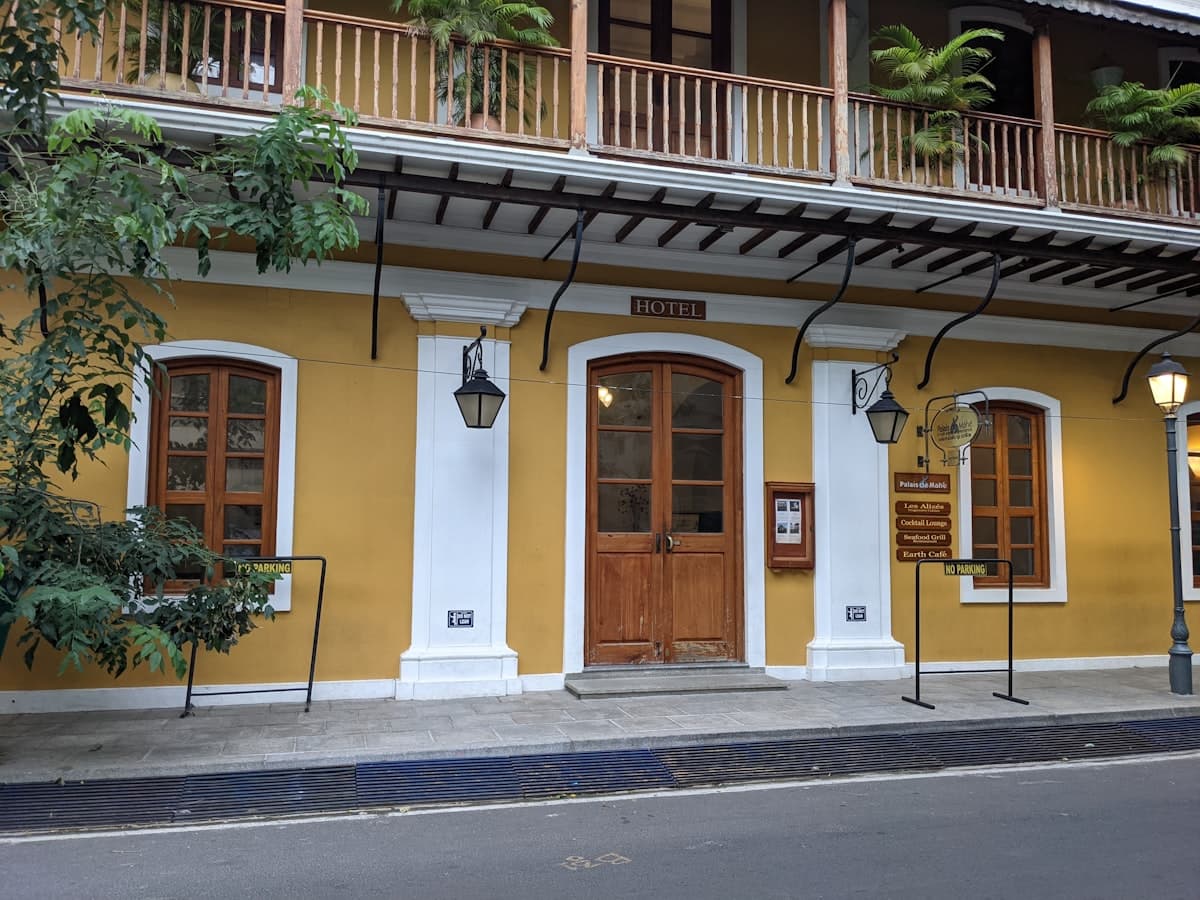
Ismailia is the canal's company town, built from nothing by the Suez Canal Company in the 1860s to house its European engineers. The French quarter still exists in the form of wide tree-lined streets, colonial villas with shuttered windows, and a lake-facing Corniche that was designed to feel like a provincial French town transplanted to the desert. The effect, a century and a half later, is genuinely disorienting.
The Ferdinand de Lesseps House is the centerpiece. De Lesseps was the French diplomat who obtained the concession from Said Pasha, the Egyptian ruler, in 1854, essentially by exploiting a personal friendship. Said Pasha had known de Lesseps since childhood and trusted him. The concession required Egypt to provide free labor for the excavation, a provision that amounted to a continuation of the corvée system that had existed under the Pharaohs. Estimates suggest 1.5 million Egyptians worked on the canal between 1859 and 1869. Tens of thousands died, primarily from cholera.
The house is now a museum with de Lesseps' furniture intact: a slightly surreal experience of sitting in a 19th-century French bourgeois interior while ships pass the window. His personal memorabilia is here, including correspondence that makes clear he understood exactly what he was extracting from Egypt and considered it a fair price for the glory of the project. Visitors almost never come. You may have the place entirely to yourself.
The Ismailia Museum on Mohammed Ali Quay contains artifacts recovered from the ancient trade routes across the isthmus, including objects from the Hyksos period (roughly 1650 BC), when this land corridor was the entry point for the first foreign dynasty to rule Egypt. The museum is small and underfunded and the labels are minimal. It is still worth an hour because the collection is genuinely unusual and the staff are often happy to talk.
What You See and What It Means: Port Said and the 1956 Crisis
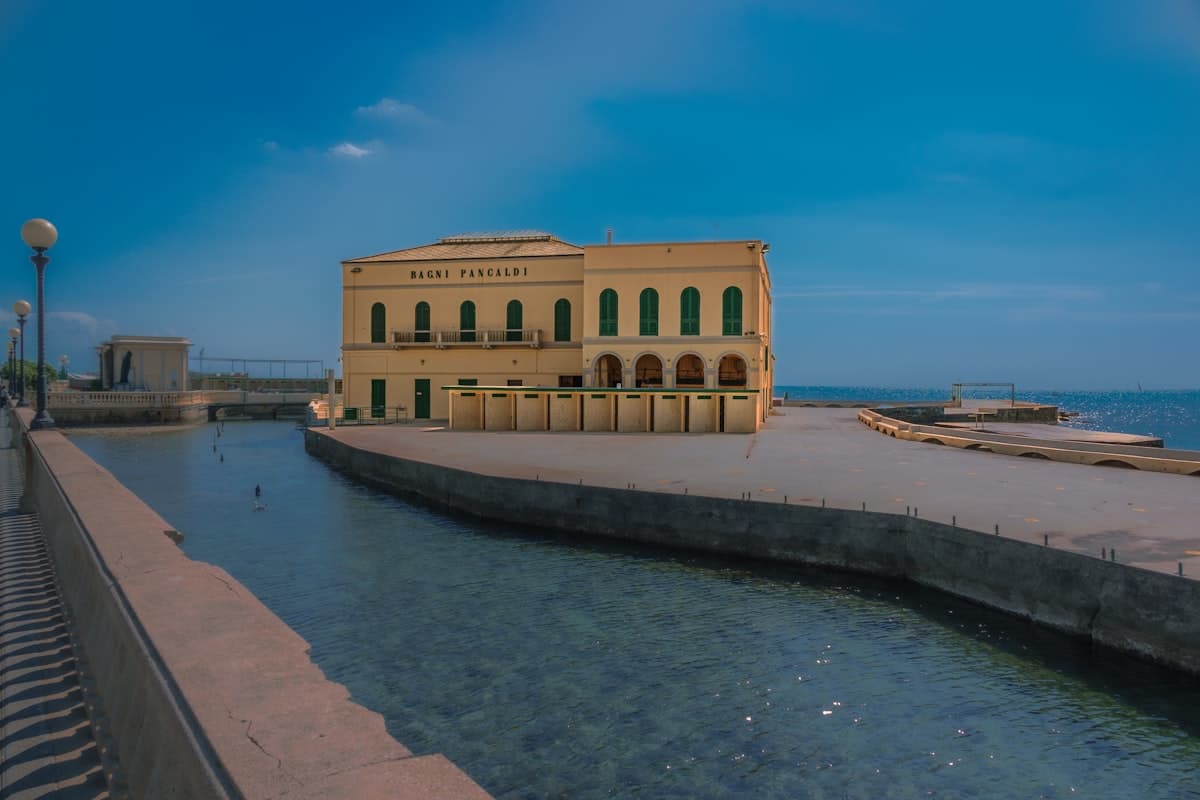
Port Said was founded in 1859 as the Mediterranean entrance to the canal. The city was built on sand dredged from the excavation, which means it sits on reclaimed land that did not exist before the canal project began. The old European quarter near the harbor has arcaded buildings that recall Alexandria at its most cosmopolitan: Italian, Greek, French, and British commercial houses all maintained offices here.
On July 26, 1956, Nasser gave a speech in Alexandria that lasted three hours. Hidden inside it was the codeword "de Lesseps," which triggered Egyptian army officers in the canal zone to seize the Canal Authority offices simultaneously. Within hours, the canal was nationalized. Britain and France responded with a military invasion in October 1956, coordinated secretly with Israel. Port Said was bombed and then invaded by British and French paratroopers. The United States, under Eisenhower, forced Britain and France to withdraw by threatening financial pressure on sterling. The episode ended British imperial authority in Egypt permanently and demonstrated that American power had replaced European power in the region.
The marks of that invasion are still visible in Port Said if you know where to look. The Suez Canal Authority Building on the waterfront, built in 1908, still carries the visual grammar of colonial administration. The National Museum of Port Said has a specific gallery on the 1956 Tripartite Aggression, as Egypt officially calls it, with photographs of the bombing, captured British equipment, and portraits of the defenders. The Egyptian framing of these events is direct and unapologetic. This is not the version taught in British schools.
The canal itself demands attention. Standing on the embankment at Port Said and watching a 400-meter container ship pass within what feels like throwing distance, silently, with no apparent pilot visible, is one of the genuinely strange experiences available in Egypt. The canal has no current, no locks, and no visible mechanism. The ships simply appear, pass through the desert, and disappear. It should not be possible. It looks impossible. That impression was the entire point.
The Connections: Layers the Canal Zone Sits On
The land between the Mediterranean and the Red Sea has never been uncontested. The ancient Egyptians called the eastern edge of the Delta "the Ways of Horus," a fortified road used both to repel invaders and to project Egyptian power into Sinai and beyond. A garrison chain of forts along this route appears in New Kingdom reliefs at Karnak. The Romans built their own fortified road here, called the Via Maris. The Arab conquest of Egypt in 641 AD came across this same strip of land.
The Ottoman Empire controlled Egypt from 1517 until Napoleon's invasion in 1798, and the canal zone sits in territory that was repeatedly fought over during that period. The town of Qantara, on the canal roughly midway between Port Said and Ismailia, was a major crossing point for armies moving between Africa and Asia for several thousand years. In World War I, Ottoman forces crossed here and attacked the British-held canal. In World War II, Rommel's push toward Alexandria made the canal's defense the central strategic priority for the Allies in North Africa.
Nasser's nationalization connected directly to the High Dam at Aswan. He nationalized the canal specifically to generate revenue for the dam after the United States withdrew its offer to fund it, in retaliation for Egypt's recognition of the People's Republic of China. The canal, the dam, and the Cold War were all the same argument about who controlled Egypt's resources and future. That argument was not settled in 1956. It continued through every subsequent decade.
Common Mistakes
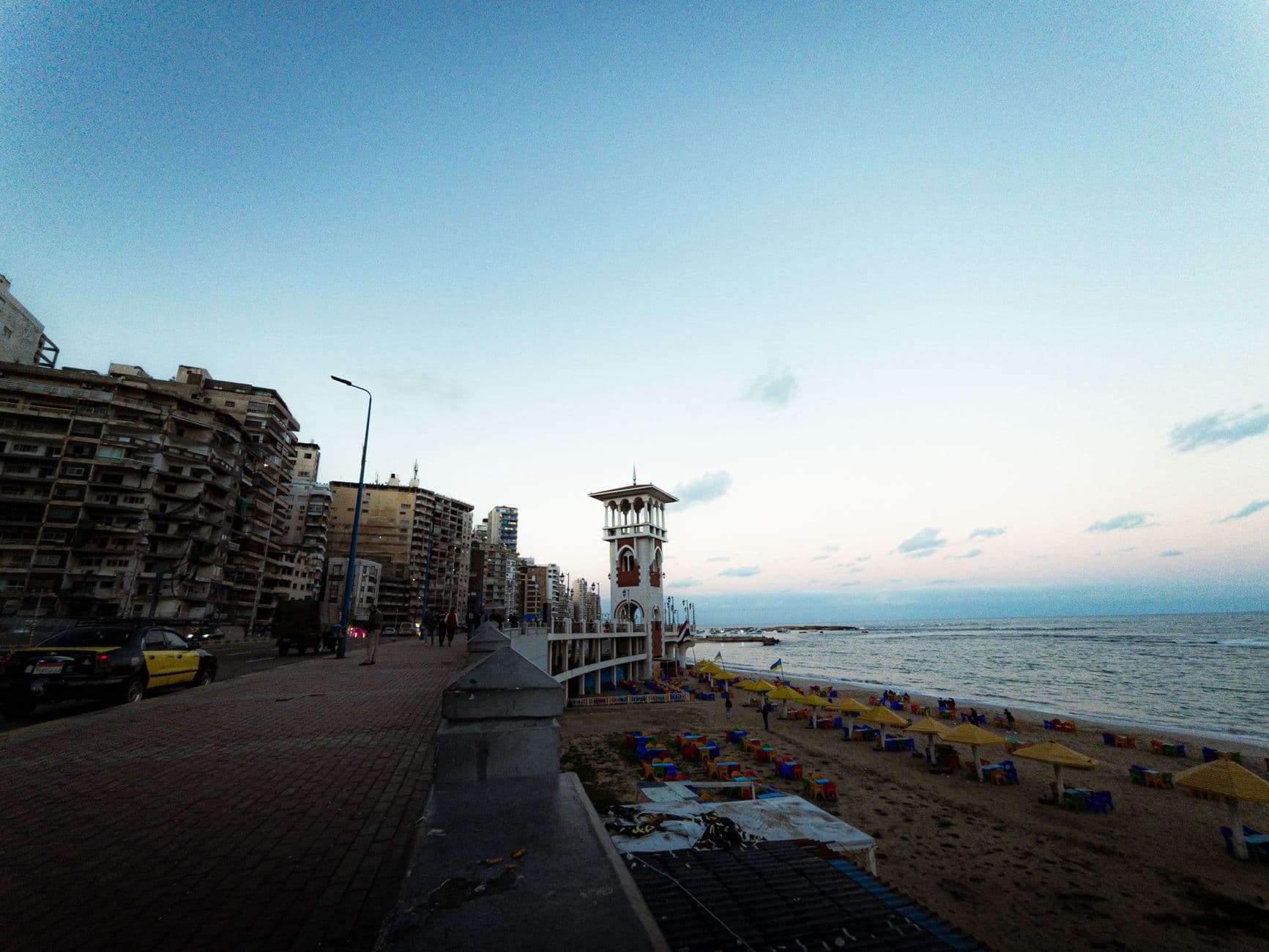
Doing the canal zone as a day trip from Cairo only to see ships. The crossing transit corridors at Ismailia and Port Said are free and open to pedestrians. You do not need to pay for a tour. But if you come only to photograph ships and leave, you have missed the entire political and human architecture of the place. Spend at least one night.
Skipping Ismailia for Port Said. Most organized tours go to Port Said because it is a cruise port and has more obvious colonial atmosphere. Ismailia is quieter, stranger, and historically richer. The de Lesseps house alone justifies the trip.
Taking the organized "Suez Canal tour" from Cairo. These packages, typically costing EGP 800 to 1,500, take you to a viewing platform in Ismailia for forty minutes, drive you past the Canal Authority building, and return you to Cairo having told you almost nothing. The bus from Turgoman terminal costs EGP 45 and gives you the entire day.
The Suez Canal Museum in Ismailia is frequently listed as closed for renovation. Check before you go by calling the Ismailia tourism office or asking your hotel. If it is closed, the de Lesseps house and the embankment walk are still worth the trip.
Ignoring Port Fouad. The public ferry from Port Said to Port Fouad costs roughly EGP 5 and takes four minutes. Port Fouad was the residential European quarter of the canal company: quieter, less touristified, and with an atmosphere that is genuinely unlike anywhere else in Egypt. Almost no tourists go there. This is the correct decision reversed: go there.
Expecting English signage. Outside the main tourist infrastructure of Cairo and Luxor, English signage in Egypt drops to near zero. The Ismailia Museum labels are primarily in Arabic. Bring a translation app or accept that some objects will remain mysterious.
Visiting in July or August. The canal zone is coastal desert in summer. Temperatures exceed 38C regularly. The humidity from the lakes makes it worse. The ships look identical in any season.
Practical Tips
Ismailia has a handful of decent hotels along the lake. The Mercure Forsan Island (mid-range, approximately EGP 2,000 to 3,000 per night) occupies an island in Lake Timsah and is absurd in the way that only a colonial-era resort adapted for modern use can be. It is worth considering even if you do not stay, as the grounds are walkable and the lake view is clear.
Port Said has more hotel options across a wider price range. The area near the Corniche is safe for walking at night and the seafood restaurants are cheap and good. A grilled fish meal with bread and salad costs EGP 150 to 250 per person at local restaurants away from the waterfront tourist strip.
The canal crossing for vehicles in Ismailia is by tunnel (free for foot passengers, small fee for cars). The Ahmed Hamdi Tunnel runs under the canal and was completed in 1980 with assistance from the United States. Before it opened, the only crossings were the ferry services that had operated since the canal opened.
If you want to understand the British occupation period in depth before arriving, Roger Owen's "Lord Cromer: Victorian Imperialist, Edwardian Proconsul" is the best single-volume account of the British administrative period. For the nationalization crisis specifically, Keith Kyle's "Suez" remains the most detailed account in English. Both are available as ebooks.
Photography of military installations is prohibited and the canal zone still has active military and naval facilities. Photograph ships, architecture, and public spaces freely. Do not point cameras at anything that looks like a security checkpoint, radar installation, or military vehicle.
Frequently Asked Questions
The Weekly Dispatch
More on Egypt, every Friday.
Cultural depth and places most guides never mention.
No spam. Unsubscribe anytime.