Syrian Community Egypt: Cairo's Living Syrian History Guide
Syrians have shaped Cairo for over 1,000 years. The neighborhood most visitors walk through daily was built by Syrian merchants before the Mamluks arrived. Few notice.

Quick Facts
- Best time to visit
- October to April. Cairo's Islamic districts are walkable in this season and the light on stone facades is best from November through February.
- Entrance fee
- Museum of Islamic Art: EGP 200 foreign visitors (approx $4 USD), EGP 10 Egyptians. Wikala al-Ghouri: EGP 80 (under $2 USD). Most mosques: free or EGP 20 to 40 donation.
- Opening hours
- Museum of Islamic Art: Tuesday to Sunday 9am to 5pm, closed Monday. Wikala al-Ghouri and al-Muizz corridor sites: generally 9am to 5pm with prayer closures.
- How to get there
- Metro Line 2 to Attaba station (EGP 8), 10-minute walk to al-Muizz. Careem or Uber from central Cairo to Maarouf: EGP 30 to 50. To Museum of Islamic Art from Attaba: EGP 15 to 25 by rideshare.
- Time needed
- Half day for the Islamic Cairo Syrian heritage corridor. Full day if combining with Museum of Islamic Art and lunch in Maarouf.
- Cost range
- Budget EGP 400 to 700 per day including entry, transport, and a Syrian lunch in Maarouf. Mid-range EGP 1,200 to 2,000 with a licensed guide and sit-down restaurant meal.
Quick Facts
Best time to visit: October to April, when Cairo's streets are walkable without the brutal summer heat pressing down on the narrow lanes of Islamic Cairo.
Entrance fees: Most of the sites connected to Cairo's Syrian heritage are mosques, wikalahs, and street markets with free or nominal entry. The Wikala al-Ghouri charges approximately EGP 80 (under $2 USD) for entry to its courtyard. The Museum of Islamic Art, which holds the most concentrated evidence of Syrian-Egyptian cultural exchange, charges EGP 200 (approximately $4 USD) for foreign visitors, EGP 10 for Egyptians.
Opening hours: Museum of Islamic Art: Tuesday to Sunday, 9am to 5pm. Individual mosques and wikalahs in the al-Ghouri and al-Muizz corridor typically open from 9am to 5pm, with prayer time closures of 30 to 45 minutes at midday.
How to get there: Metro Line 2 to Attaba station (EGP 8), then a 10-minute walk north along al-Azhar Street into the historic district. Uber or Careem from central Cairo costs EGP 50 to 80 depending on traffic.
Time needed: Half a day for the al-Muizz corridor and key Syrian-linked sites. A full day if you include the Museum of Islamic Art and lunch in the Maarouf district, where contemporary Syrian restaurants have clustered since 2012.
Cost range: Budget EGP 400 to 700 per day including entry fees, transport, and a meal. Mid-range EGP 1,200 to 2,000 per day if you add a guide and a long lunch.
---
Egypt has absorbed Syrian people, Syrian goods, Syrian saints, and Syrian architectural styles for more than a thousand years, and the majority of visitors to Cairo walk through the evidence every single day without recognizing it. The lane that connects Khan el-Khalili to al-Muizz Street was a Syrian merchant quarter in the Fatimid period. The woodwork technique used in dozens of Mamluk mosque interiors was brought from Damascus by craftsmen the sultans hired specifically because Egyptian artisans could not replicate it. The Ayyubid dynasty, which built the Citadel that still defines Cairo's skyline, was founded by a Kurdish family from Tikrit who ruled from Damascus and treated Egypt as the dynasty's most valuable province.
Today, the Syrian community in Egypt is both ancient and very recent, a layered presence that runs from medieval trade networks to contemporary displacement. Understanding that layering is the most interesting thing you can do in Cairo.
Why This Place Matters
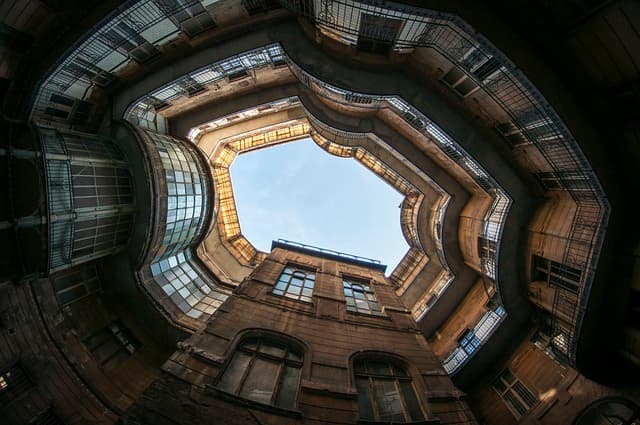
Syrians have been arriving in Egypt in significant numbers since at least the Fatimid Caliphate of the 10th century, when Cairo was founded specifically to be a rival to Baghdad and Damascus. The Fatimid caliph al-Muizz li-Din Allah, after whom Cairo's main historic street is named, welcomed scholars, merchants, and craftsmen from across the Levant to populate his new imperial capital. Syrian glassmakers, Syrian textile traders, and Syrian theologians all settled within a few decades of Cairo's founding in 969 AD.
What most people do not know is that the Ayyubid dynasty, which is usually described as Egyptian because it ruled Egypt so effectively, was essentially a Syrian administrative project. Salah al-Din al-Ayyubi, known in the West as Saladin, was appointed vizier of Egypt by the Zengid rulers of Syria and never relinquished his Syrian political base. His family treated Cairo and Damascus as twin capitals. When he built the Citadel of Cairo beginning in 1176, he modeled its fortifications on crusader castles he had studied in Syria, and he imported Syrian stonemasons to execute the work.
The Mamluk period that followed is where Syrian-Egyptian cultural exchange becomes most architecturally visible. Mamluk sultans competed to build the most elaborate mosques, and the technique of ablaq stonework, alternating courses of black and white or red and white stone, came directly from Syrian and Levantine architectural tradition. You can see it clearly in the mosque of Sultan Barquq on al-Muizz Street, built in 1386, and in the complex of Sultan Qaytbay, finished in 1474.
The Syrian Quarters of Islamic Cairo
Walk north from al-Azhar mosque and you are walking through what was, in the Fatimid and early Mamluk periods, one of the most commercially active Syrian-linked quarters in Cairo. The wikalahs, or commercial inns, that line this corridor were built to accommodate long-distance traders, and Syrian merchants traveling the Cairo-Damascus route were among their most consistent occupants.
The Wikala al-Ghouri, built by Sultan Qansuh al-Ghouri in 1505, is the best preserved of these structures and gives you the clearest sense of how Syrian trade goods moved through Cairo. The ground floor held goods and stabling for animals. The upper floors held merchants. Syrian textiles, Damascene metalwork, and Aleppan soap, which had been traded along this route since the Crusader period, all passed through buildings like this one. Al-Ghouri himself was so conscious of the Syria trade that he sent diplomatic missions to the Mamluk governors of Aleppo and Damascus specifically to protect merchant routes in the years before the Ottoman invasion of 1516.
That invasion ended the Mamluk sultanate and, briefly, disrupted Syrian-Egyptian commercial networks. But within two generations, Ottoman Cairo had reintegrated Syrian merchants under a new administrative framework, and the lanes around Khan el-Khalili had absorbed a new wave of Aleppan and Damascene traders who brought with them the coffee culture that would spread across the Ottoman world. The first coffeehouses in Cairo were operated by Syrian and Yemeni merchants in the early 16th century, a fact that gets lost in the romantic mythology around Egyptian cafe culture.
The Maarouf District and Contemporary Syrian Cairo
The most recent chapter of Syrian presence in Egypt is concentrated not in Islamic Cairo but in districts like Maarouf, Dokki, and parts of Ain Shams, where Syrians who left during the conflict that began in 2011 have built a functioning parallel economy. By 2015, Egypt hosted more than 130,000 registered Syrian refugees, though estimates of the actual population including unregistered residents ran considerably higher.
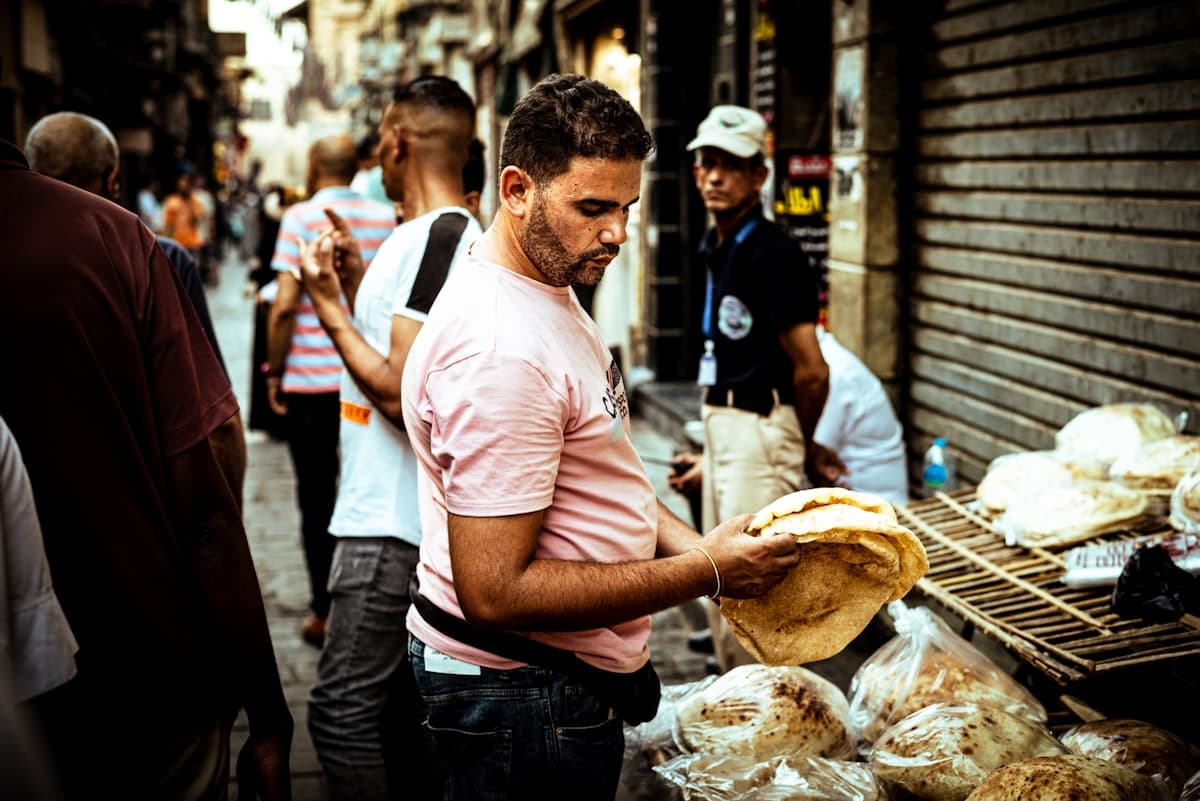
What happened in Maarouf is worth understanding because it mirrors what happened in Fatimid Cairo a thousand years earlier: a skilled, commercially experienced population arrived, found a gap in the local economy, and filled it. Syrian restaurants opened first, then bakeries, then import businesses. The flatbread from Syrian-owned bakeries in Maarouf is genuinely different from Egyptian bread, made with different ratios of semolina, and has developed a loyal Egyptian clientele entirely independent of any nostalgia for Syria.
The Syrian restaurants clustered around Maarouf Street and the surrounding blocks serve food from across Syria, not a homogenized version of it. There is a meaningful difference between the grilled meats of Aleppo and the lighter olive-oil cooking of coastal Latakia, and Cairo's Syrian restaurants have maintained those distinctions. This is not a tourist attraction. It is a working neighborhood where the food is simply better than most of what you will find in Cairo's hotel restaurants, and where the prices reflect that the clientele is mostly Syrian and Egyptian, not foreign.
The Connections
The Syrian-Egyptian relationship illuminates almost every period of Egyptian history, but a few specific connections are worth tracking across the city.
The Citadel of Cairo, which dominates the skyline from almost every elevated point in the city, is the most direct Syrian-Egyptian architectural conversation in stone. Salah al-Din modeled its design on the krak des Chevaliers fortification system he had analyzed in Syria, and the Mamluk additions made over the following three centuries continued to incorporate Syrian craftsmen. The mosque of Muhammad Ali inside the Citadel, built between 1830 and 1848, is Ottoman in style but its alabaster cladding came from quarries in Upper Egypt that Syrian merchants had been trading since the medieval period.
The Museum of Islamic Art near Bab al-Khalq holds the most concentrated evidence of Syrian-Egyptian exchange: Damascene inlaid metalwork, Aleppan glass, and carved woodwork from Syrian mosques that ended up in Egyptian collections through trade, gift, and occasionally conquest. The museum was badly damaged in a car bomb attack in 2014 and has since been restored. Its collection of Mamluk-era objects includes pieces that were made in Syria, owned by Mamluk sultans in Cairo, and have not returned to Syria since.
The Coptic-Syrian connection is less well known but historically significant. The Syrian Orthodox church maintained a presence in Cairo from at least the early medieval period, and several Coptic liturgical practices have Syrian origins traceable to the theological exchanges of the 5th and 6th centuries. The Hanging Church in Old Cairo contains woodwork and iconographic traditions that share visual language with Syrian Christian art from the same era.
Common Mistakes
Treating Syrian Cairo as only a refugee story. The contemporary Syrian community in Egypt is real and worth engaging with, but framing Syrian presence in Egypt as a crisis phenomenon obscures a thousand years of continuous exchange. The Mamluk sultans hired Syrian architects. The Ottoman governors traded with Syrian merchants. This is a bilateral relationship with medieval roots, not a recent emergency.
Skipping the Museum of Islamic Art for the Egyptian Museum. The Egyptian Museum gets all the attention, but for understanding how Cairo's Islamic neighborhoods were built and by whom, the Museum of Islamic Art is the more useful institution. Its collection specifically documents the Syrian-Egyptian trade and craft networks that shaped Islamic Cairo's architecture. The Egyptian Museum tells you about the Pharaonic period. The Museum of Islamic Art tells you about the city you are actually walking through.
Eating at tourist-facing Middle Eastern restaurants near the Pyramids or in Zamalek. The Syrian food in those areas is adjusted for foreign palates and priced accordingly. Go to Maarouf. Take a Careem. The difference in quality and price is significant and the experience is more honest.
The sound and light show at the Citadel costs EGP 300 and tells you nothing about the Syrian and Mamluk history that actually built it. The Citadel's own interior mosques and the Military Museum within the complex tell a more coherent story. Spend your EGP 300 on dinner in Maarouf instead.
Going to Khan el-Khalili and buying 'Damascene' inlaid boxes without knowing what you are looking at. Genuine Syrian marquetry inlay work, which uses mother of pearl set into dark wood in geometric and arabesque patterns, has been produced in Damascus for centuries and was a major trade good in medieval Cairo. Most of what is sold in Khan el-Khalili as Damascene work is manufactured in bulk. If you want the real thing, look for vendors who can show you individual pieces with irregular handwork, or visit the workshop district around al-Azhar where a few craftsmen still produce it authentically.
Assuming the Syrian restaurants in Maarouf are informal or casual. Several of them are sit-down restaurants with full menus, real wine lists where available, and table service. Dress accordingly if you plan a long lunch.
Practical Tips
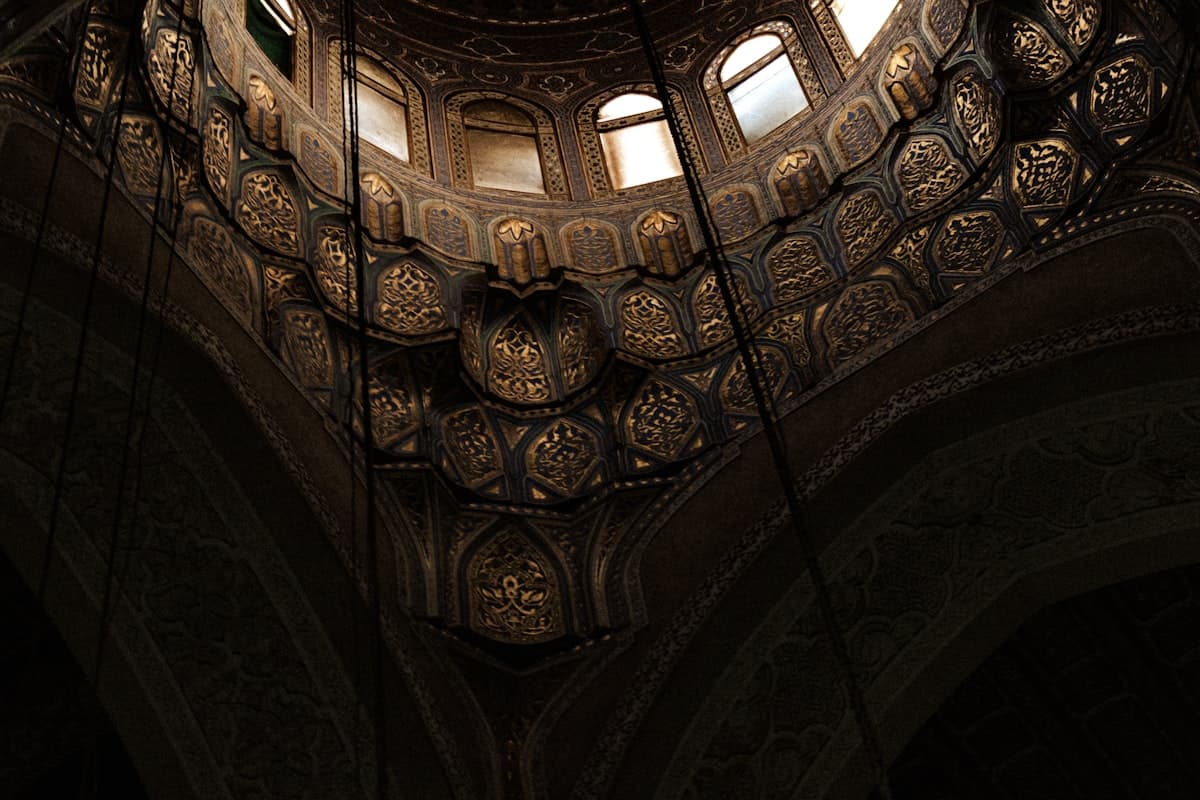
The al-Muizz corridor is best walked in the morning before 10am, when the light comes from the east and hits the ablaq stonework at an angle that makes the alternating stone colors legible, and before the tourist groups and school groups arrive. By noon it is crowded. By 3pm in summer it is difficult.
For the Maarouf dining district, lunch is the better meal. Most Syrian restaurants in Cairo do their best kitchen work at midday. Dinner service can be rushed. Arrive at 1pm, order widely, and take your time. A full lunch for two with mezze, mains, and drinks will cost EGP 600 to 900, which is reasonable for the quality.
If you want a guide specifically for Islamic Cairo's Syrian connections, ask at the Egyptian Tourist Authority office near the Museum of Islamic Art. Several licensed guides specialize in the Mamluk period and understand the Syrian craft and trade networks that built it. Expect to pay EGP 500 to 800 for a half-day private tour.
The Museum of Islamic Art requires a separate ticket from any combined Islamic Cairo ticket. It is closed Mondays. Its labeling is in Arabic and English, but the English translations are uneven. Go with a basic knowledge of the Mamluk and Fatimid periods, or the objects will not tell you much.
For the contemporary Syrian community, standard Cairo social norms apply: dress modestly in Maarouf, learn a few words of Syrian Arabic (which differs from Egyptian colloquial Arabic in ways Syrians find meaningful and appreciate when foreigners notice), and do not photograph people without asking. The Syrian-Egyptian history guide you are really writing for yourself is the one you assemble across these different layers, from the ablaq stonework on al-Muizz to the semolina bread in Maarouf, understanding that both are part of the same long story.
Frequently Asked Questions
The Weekly Dispatch
More on Egypt, every Friday.
Cultural depth and places most guides never mention.
No spam. Unsubscribe anytime.