Sidi Ibrahim Dessuqi Shrine: Egypt's Living Sufi Pilgrimage
Four million pilgrims arrive each year to a Delta town most tourists have never heard of. The shrine's founder was born, died, and buried here without ever leaving. That's the point.

Quick Facts
- Best time to visit
- October through April for comfortable Delta weather. For the moulid itself, target the 14th of Sha'ban in the Islamic lunar calendar, which shifts approximately 11 days earlier each Gregorian year.
- Entrance fee
- Free. No admission charge to the shrine, mosque, or mausoleum. Donations to Sufi orders are customary.
- Opening hours
- Daily approximately 5am to 10:30pm, following prayer times. During moulid season the complex operates continuously through the night for several days.
- How to get there
- Bus from Cairo Turgoman station to Kafr el-Sheikh city (EGP 45 to 70, approx $1.50 to $2.30 USD), then microbus or taxi to Dessouk (EGP 10 to 15). Private car from Cairo approximately EGP 800 to 1,200 round trip. Alexandria to Dessouk by car approximately 120km.
- Time needed
- 2 to 3 hours on a quiet day. Full day minimum during moulid. Combine with Rosetta (60km) or Tanta (70km) for a Delta circuit.
- Cost range
- Budget EGP 200 to 400 per day including local transport, street food, and donations. Accommodation in Kafr el-Sheikh city EGP 500 to 900 per night.
Quick Facts
Best time to visit: The Moulid of Sidi Ibrahim Dessuqi falls in the Islamic month of Sha'ban, roughly eight weeks before Ramadan. Exact dates shift annually with the lunar calendar. Outside moulid season, the shrine operates quietly and is accessible year-round.
Entrance fee: Free. The shrine, mosque, and surrounding complex charge no admission. Donations to the Sufi orders present are customary but never demanded.
Opening hours: The mosque is open daily from Fajr (pre-dawn prayer) until after Isha (night prayer), roughly 5am to 10:30pm. During moulid, it operates continuously for days.
How to get there: Dessouk sits in Kafr el-Sheikh Governorate in the Nile Delta, approximately 140km northwest of Cairo. Buses from Cairo's Turgoman station run to Kafr el-Sheikh city (roughly EGP 45 to 70, about $1.50 to $2.30 USD), from which a microbus or taxi to Dessouk costs another EGP 10 to 15. Alternatively, a private car from Cairo runs approximately EGP 800 to 1,200 round trip depending on negotiation. There is no train station in Dessouk itself.
Time needed: Two to three hours for the shrine and its surroundings on a quiet day. During moulid, plan for a full day minimum, and understand you will not control your own schedule once inside the crowd.
Cost range: Budget EGP 200 to 400 per day including transport from Kafr el-Sheikh, food from local Delta restaurants, and any charitable donations at the shrine.
---
Why This Place Matters
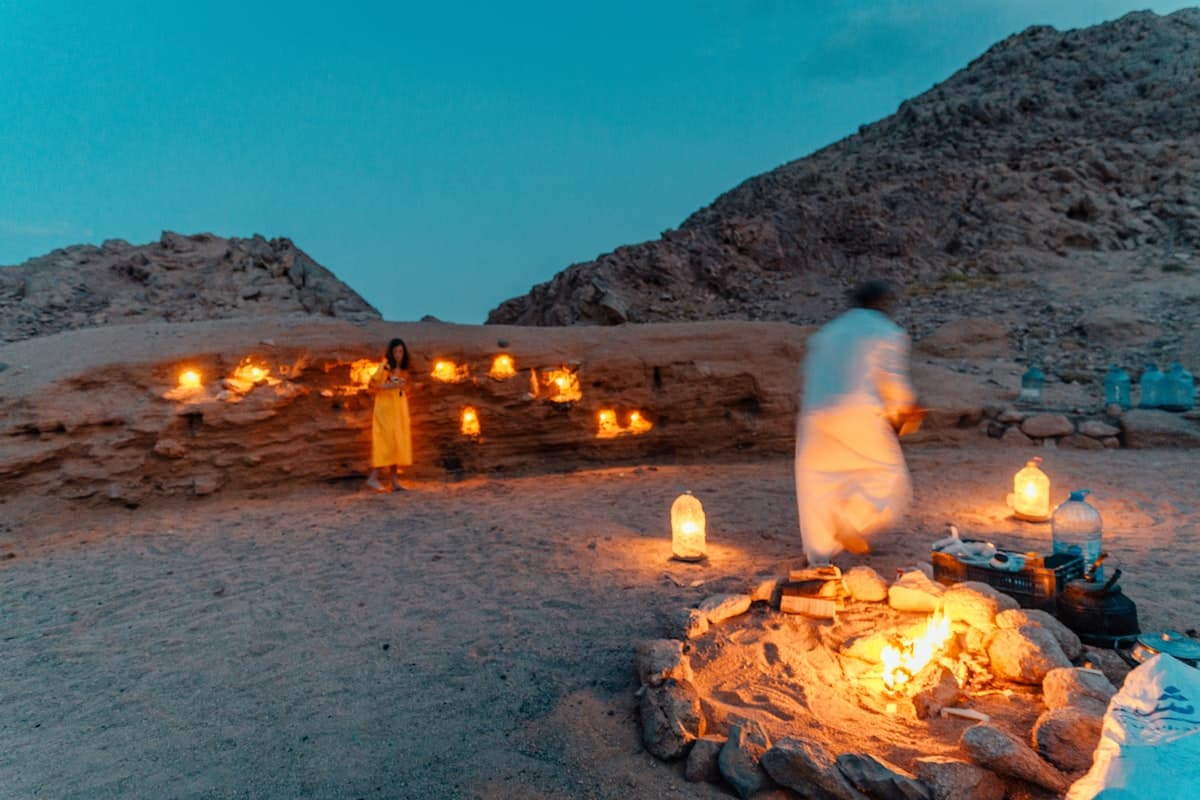
Three of the four poles of Islamic sainthood in Egypt, according to classical Sufi cosmology, are venerated in the south: in Luxor, in Aswan, in the eastern Delta. The fourth is Ibrahim Dessuqi, and his shrine in the town bearing his name draws a pilgrimage so large it ranks among the biggest religious gatherings in Africa. Most Western travelers have never encountered his name. This is not an obscure local custom. It is a different definition of what counts as important.
Ibrahim ibn Abi al-Majd al-Dessuqi was born in Dessouk in 1235 CE and died there in 1288 CE. He founded the Burhaniyya Dessuqiyya Sufi order, one of the four principal Sufi brotherhoods in Egypt, and was contemporaneous with two other foundational Sufi figures: Ahmad al-Badawi of Tanta, whose moulid draws comparably enormous crowds, and Ibrahim al-Matbouli. The convergence of these three figures in 13th-century Egypt was not coincidence. The Ayyubid state was collapsing, the Mongols had destroyed Baghdad in 1258, and Egypt was absorbing scholars, mystics, and refugees from across the Islamic world. Sufism filled a spiritual vacuum that political institutions could not.
The Burhaniyya order today has lodges across Egypt, Sudan, and Germany. Its European presence, centered in a community outside Hamburg, is a direct line from a 13th-century Delta town to the contemporary diaspora.
---
What You Will Actually See
The Mosque and Mausoleum
The current mosque structure is not medieval. It has been rebuilt and expanded multiple times, most substantially in the 19th and 20th centuries, and the architecture reflects Ottoman and later Egyptian state styles rather than anything Ayyubid. Do not come expecting Mamluk stonework. What you find instead is a working religious complex designed for crowds: broad courtyards, tiled interiors, multiple prayer halls, and at the center a mausoleum chamber housing the tomb of Ibrahim Dessuqi beneath a tall wooden cenotaph draped in green cloth.
The chamber itself is always occupied. Men press toward the tomb to touch it, pray beside it, or simply stand in its proximity. Women have access through a separate entrance. The air smells of rose water and bodies and incense, not equally balanced. Older men sit along the walls in states of prolonged prayer. Younger men move through quickly, touch the tomb rail, and leave. During moulid, this chamber becomes nearly impossible to navigate, but the impossibility is part of the experience rather than an obstacle to it.
Outside, the mosque opens onto a large square where, during moulid season, tents belonging to different Sufi orders are pitched. Each order has its own tent, its own dhikr circle, its own rhythms of chanting and movement. The Burhaniyya, the Rifa'iyya, the Qadiriyya, the Shadhiliyya: each visible, each audible, each distinct. This is not performance for visitors. Visitors are welcome, but they are witnesses to something that happens regardless of whether they show up.
The Dhikr Circles
Dhikr, the Sufi practice of rhythmic repetition of God's names or sacred phrases, takes different forms in different orders. At the Dessuqi shrine during moulid, you can hear the Rifa'iyya, whose practitioners historically performed acts of physical endurance as demonstrations of spiritual state, walking skewers through their cheeks or lying beneath the hooves of horses. These specific practices have been largely suppressed or discontinued, but the order's hadra, its collective dhikr ceremony, remains intense: a deep, rhythmic exhalation of the name Allah that builds over hours into something almost physiological in its effect on observers.
The Burhaniyya hadra is different, more melodic, involving devotional songs called madih that praise the Prophet and the order's chain of saints. If you sit near a Burhaniyya circle for twenty minutes, you will understand something about Sufi music that no recorded version can communicate: the function is not aesthetic. The function is transformation of internal state through sound and repetition over extended time.
---
The Delta as Religious Geography
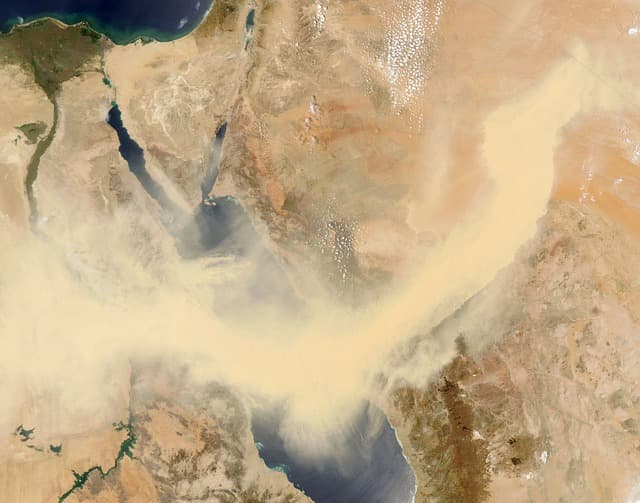
Dessouk is not an isolated sacred site. It sits within a network of Sufi shrines that makes the Nile Delta one of the densest concentrations of Islamic pilgrimage destinations on earth. Tanta, 70km to the southeast, is home to the shrine of Ahmad al-Badawi, whose moulid may be the single largest religious gathering in Egypt, drawing estimates of two to three million people over its peak days. Rosetta, 60km to the northwest, holds the tomb of Abu Mandour. The Delta was Islamized deeply and early, and the Sufi orders provided the organizational structure for that conversion over centuries.
This geography connects to older strata. The Delta was also the heartland of Coptic Christianity before the Islamic conquest: the monasteries of Wadi Natrun, 120km to the south, remain active today and were among the most important monastic centers in the world by the 5th century CE. Before that, the Delta was the site of some of the most significant battles of Egyptian history, including the Battle of Pelusium in 525 BCE, where the Persian king Cambyses defeated Psamtik III and ended the Late Period. The town of Dessouk itself sits on the Rosetta branch of the Nile, which has been navigated continuously for at least three millennia.
Nothing in Egypt is ever only one thing.
---
The Human Story Behind the Shrine
What is less discussed in most accounts of Sidi Ibrahim Dessuqi is the social function his order played in a period of profound political instability. The Burhaniyya emerged precisely when the Mamluk sultanate was consolidating power in Egypt after repelling the Mongols at the Battle of Ain Jalut in 1260. The Mamluks, who were themselves Turkic and Circassian slave soldiers converted to Islam, needed religious legitimacy in an Arabic-speaking Egyptian society. Sufi orders provided intermediary institutions: they organized charity, resolved local disputes, maintained networks of hospitality for travelers, and translated the abstract claims of Islamic theology into something tangible and personal.
Ibrahim Dessuqi's reputation, according to hagiographic sources, was built not on miracles of the spectacular kind but on accessibility. He was described as present to ordinary people, available in ways that formal religious scholars were not. His tomb became a place where petitions were made, where sick children were brought, where women who had no access to formal legal institutions came to seek justice through spiritual intercession. This function has not disappeared. Visit the shrine today and you will still find people at the tomb with specific needs: a son in difficulty, a persistent illness, a dispute unresolved. The shrine is a living institution, not a monument.
---
Common Mistakes
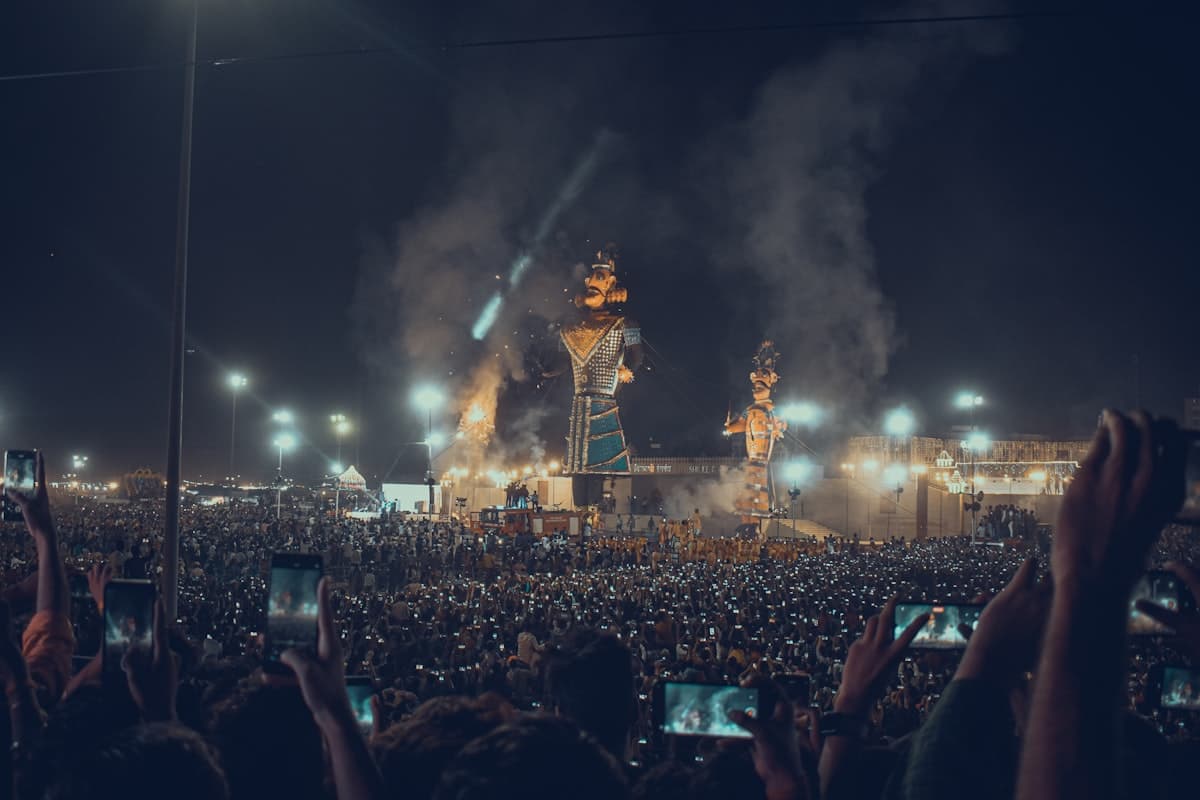
Arriving only during moulid without preparation. The moulid of Sidi Ibrahim Dessuqi draws several million people to a town with extremely limited formal accommodation. If you plan to attend, you need to either book in Kafr el-Sheikh city well in advance or arrange a day trip from Alexandria or Cairo. Dessouk itself has almost no tourist infrastructure.
Treating the moulid as a spectacle. Foreign visitors who arrive with cameras raised and no understanding of what they are watching create genuine friction. The dhikr circles are not performances. Photograph only with explicit permission, which is often granted warmly when requested properly. Sit down. Accept tea if it is offered. Ask someone to explain what is happening. Engagement is welcome; observation from a distance with a telephoto lens is not.
Skipping the shrine outside moulid season. The quiet version of the Dessuqi shrine, on any ordinary Friday after noon prayer, is a different and in some ways more revealing experience. You can speak with the men of the local Sufi lodges, examine the mosque architecture properly, and understand the everyday religious life the moulid only amplifies. The moulid is the extraordinary moment. The Friday visit is the ordinary truth.
Combining this with a purely archaeological Delta itinerary. The Delta's Pharaonic sites, including Tanis, Bubastis, and Sais, are genuinely important but require significant logistical effort and specialist interest to be rewarding. Do not try to visit both a Sufi shrine and an archaeological excavation site in the same day unless you have a driver, a guide, and specific knowledge of what you want from each. They operate in completely different registers.
The sound and light show in Kafr el-Sheikh. If a local guide suggests a formal cultural program at the governorate's tourist facilities, decline politely. The living culture in Dessouk itself is the event. No staged presentation of it improves the experience.
Expecting formal English-language guidance at the shrine. There are no audio guides, no information panels in English, no printed maps. The best preparation is reading about the Burhaniyya Sufi order and the history of Egyptian Sufism before you arrive. Frederick de Jong's academic work on Egyptian Sufi orders, though scholarly, is the most reliable source. Alternatively, ask in Cairo's Al-Azhar district for books on the four Sufi poles of Egypt.
Underdressing without thinking about it. The mosque complex operates to the same dress standards as any Egyptian mosque. Shoulders and knees covered for both men and women. Women should bring a headscarf. This applies year-round, not only during religious events.
---
Practical Tips
The best base for visiting Dessouk is Kafr el-Sheikh city, which has several mid-range hotels in the EGP 500 to 900 per night range. Alexandria is the more comfortable base for visitors who want urban amenities, at roughly 120km distance. Renting a car in Alexandria for a day trip to Dessouk and continuing on to Rosetta makes for a logical Delta route.
During moulid season, the roads into Dessouk are controlled and partially closed to private vehicles at peak times. Arrive early in the day or late at night. The most intense dhikr sessions happen after midnight.
Delta heat is humid rather than dry, unlike Upper Egypt. May through September is genuinely uncomfortable. The moulid's timing varies with the lunar calendar, so check the Islamic lunar calendar for the current year's Sha'ban dates before planning.
Food in Dessouk is straightforward Delta cooking: fresh fish from the Nile branches, ful, ta'amiyya, and grilled meats from street stalls around the shrine. This is not a culinary destination, but you will not eat badly if you follow the locals to wherever the queue is longest.
If you speak any Arabic at all, use it here. Dessouk sees almost no foreign independent travelers. The welcome you receive for making the effort to arrive and to speak even imperfect Arabic is genuine and not performative.
Frequently Asked Questions
The Weekly Dispatch
More on Egypt, every Friday.
Cultural depth and places most guides never mention.
No spam. Unsubscribe anytime.