Sidi Ibrahim Dessuqi Shrine Guide: Egypt's Living Saint
Four million pilgrims visit Dessuqi annually. The Sufi order he founded in the 13th century still initiates new members inside his shrine every week.

Quick Facts
- Best time to visit
- October to April for comfortable Delta temperatures. The moulid in Sha'ban is the peak pilgrimage moment but brings extreme crowds.
- Entrance fee
- Free. The shrine is a functioning mosque and Sufi lodge open to respectful visitors.
- Opening hours
- Daily from dawn prayer (approx 5am summer, 6am winter) until after Isha prayer (approx 9:30pm). Inner sanctum may close during specific observances.
- How to get there
- Bus from Cairo Turgoman station: EGP 60 to 80, approx 2 to 2.5 hours. Microbus from Alexandria: EGP 30 to 45, approx 90 minutes. Local taxi within Dessouk: EGP 15 to 25.
- Time needed
- 2 to 3 hours for the shrine and surroundings. Full day during the moulid or if exploring the town's Ottoman-era market quarter.
- Cost range
- Budget EGP 200 to 400 per day including transport and food. Mid-range EGP 600 to 1,000 with overnight accommodation near the shrine.
Quick Facts
Best time to visit: October to April for comfortable temperatures. The moulid (annual saint's festival) falls in the Islamic month of Sha'ban; exact dates shift each year, but it draws hundreds of thousands over several days and transforms the entire city.
Entrance fee: Free. The shrine is a functioning mosque and Sufi lodge. Non-Muslim visitors are generally welcome outside of prayer times; dress conservatively and remove shoes at the entrance.
Opening hours: The mosque and outer courtyard are open daily from dawn prayer (approximately 5am in summer, 6am in winter) until after Isha prayer (approximately 9:30pm). The inner sanctum nearest the maqam (tomb chamber) follows the same general schedule but may close during specific religious observances.
How to get there: Dessuqi is the town of Dessouk in Kafr el-Sheikh Governorate in the Nile Delta, roughly 130 kilometers north of Cairo. From Cairo's Turgoman bus station, buses to Dessouk run regularly and cost approximately EGP 60 to 80 (under $2 USD). From Alexandria, shared microbus service from Midan el-Gumhuriya costs around EGP 30 to 45 and takes about 90 minutes. Taxis within Dessouk from the bus station to the shrine run EGP 15 to 25.
Time needed: Two to three hours for the shrine and immediate surroundings. A full day if you arrive during the moulid period or want to walk the town and its medieval quarter.
Cost range: Budget EGP 200 to 400 per day including transport, food, and incidentals. Mid-range EGP 600 to 1,000 if staying overnight near the shrine.
---
Seven hundred years after his death, Ibrahim al-Dessuqi is still receiving visitors. Not tourists, mostly. Pilgrims. Women carrying photographs of sick children. Men who have traveled from Upper Egypt, from Sudan, from Libya, on buses that left before midnight. They arrive before dawn and queue at the brass latticework surrounding the tomb chamber, pressing their palms against the metalwork, murmuring prayers in Arabic and sometimes in languages you cannot place. The Sidi Ibrahim Dessuqi shrine guide most travel sites publish tells you the moulid is colorful. What they do not tell you is that this is one of the four great Sufi shrines of Egypt, ranked by classical Islamic scholars alongside those of Hussein, Sayyida Zeinab, and Ahmad al-Badawi in Tanta. That designation is not ceremonial. It shapes how Egyptian Sufism is organized to this day.
Why This Place Matters
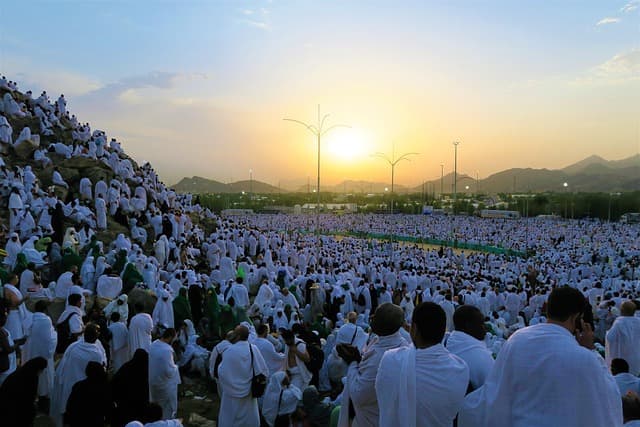
Ibrahim al-Dessuqi was born in Dessouk around 1255 CE, into a period when Egypt was simultaneously recovering from the Mongol threat that had devastated Baghdad two years earlier and consolidating Mamluk power following the defeat of the Seventh Crusade at Mansoura. He died around 1296. In the seven hundred years since, the Burhaniyya order he founded has spread to Sudan, Germany, Syria, and Brazil, with an estimated four to six million members worldwide. That global reach from a town most Egyptians outside the Delta could not locate on a map is the first thing to reckon with here.
Dessuqi is not a saint in the Christian sense, though the functional resemblance to Catholic intercessory devotion is striking enough that Coptic Christians, particularly from Delta villages, have historically visited the shrine alongside Muslim pilgrims. This is not a modern ecumenical gesture. It reflects a much older pattern in Egyptian religious life, where the boundaries between devotional traditions were permeable in ways the twentieth century worked hard to erase.
The shrine was reconstructed and expanded several times under the Mamluks and again under the Ottomans. The current structure incorporates elements from at least three distinct building campaigns. The green-domed maqam that dominates the complex from the street follows Ottoman tomb architecture conventions, but the courtyard arcades show earlier Mamluk proportions, and the mosque's qibla wall was rebuilt in the late nineteenth century under Khedive Tewfik, whose renovation program also touched al-Azhar and the Hussein mosque in Cairo. Nothing in Egypt is built once.
What You Will Actually Experience
Approach the shrine from Sharia al-Dessuqi, the main street that feeds into the shrine square, and the first thing you notice is commerce organized around devotion rather than tourism. The stalls sell green cloth printed with the names of God and the Prophet, brass holders for Quran copies, bottles of Zamzam water imported from Mecca, and also sugarcane juice, grilled corn, and children's toys. This mixture is not contradiction. It is how Egyptian popular religiosity has operated for centuries: the sacred and the quotidian side by side, neither diminished by the presence of the other.
The main entrance is through an arched portico that opens into the courtyard. On ordinary days, the courtyard is calm. Men sit in the arcades reading Quran. Women in black abayas move toward the women's section of the shrine. The smell is incense and old stone and the faint sweetness of rose water, which attendants spray on visitors near the tomb chamber. On moulid days, this courtyard holds several thousand people at once, with Sufi circles performing dhikr, the rhythmic chanting and movement that constitutes the core Sufi devotional practice. The Burhaniyya dhikr is distinctive: it involves a specific breathing pattern that outsiders sometimes mistake for hyperventilation but that practitioners describe as a technique for focusing awareness.
The tomb chamber itself is separated from the main prayer hall by the brass mashrabiyya screens. Non-Muslim visitors should understand that this inner area is the most sacred part of the complex. Observe quietly. Do not photograph people praying at the tomb without explicit permission. The attendants are generally patient with respectful visitors.
The Moulid: When Dessouk Transforms
The moulid of Ibrahim al-Dessuqi is one of the largest religious festivals in Egypt, which is a sentence that requires context: Egypt holds hundreds of moulids annually, from small village celebrations of local awliya to the massive national events in Cairo and Tanta. Dessuqi's moulid ranks among the top five in attendance. Estimates for peak days range from 200,000 to 500,000 people over the festival's duration, concentrated in a town whose permanent population is around 100,000.
The festival follows the Islamic lunar calendar and therefore shifts approximately eleven days earlier each solar year. This means that over the course of about thirty years, the moulid passes through every season. When it falls in summer, the Delta heat is severe and nights offer the only real relief. When it falls in winter, the crowds gather around braziers and the dhikr circles extend past midnight.
What visitors rarely learn is that the moulid has a formal structure. The final Thursday night, called the Leila al-Kabira or Great Night, is the culmination, when the largest Sufi orders process through the town in organized formations behind their shaykhs. The Burhaniyya order processes first, by right of the founding saint. The sequence and protocol were codified over centuries and are still enforced by the festival's organizing committee, which operates under the Egyptian Ministry of Awqaf.
The Connections
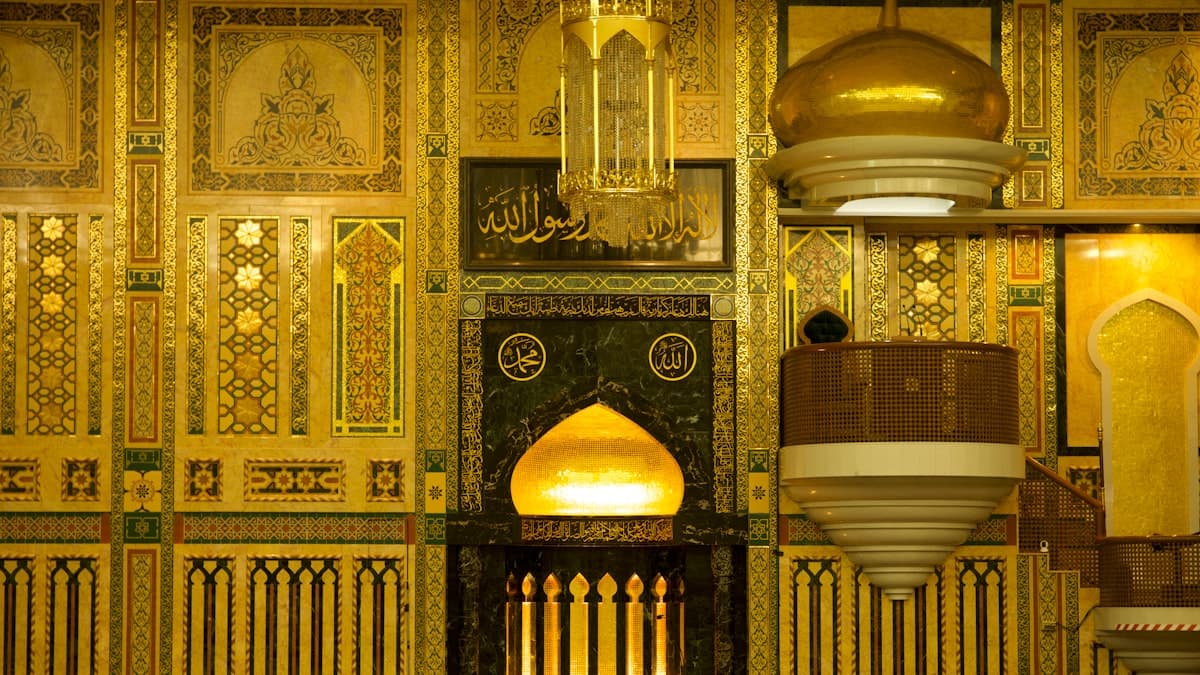
Ibrahim al-Dessuqi's life overlapped with that of two other Sufi saints whose shrines define Egyptian popular religion: Ahmad al-Badawi of Tanta, born roughly 1200 and died 1276, and Ibrahim's own contemporary, the scholar Ibn Ata Allah al-Iskandari of Alexandria, who died in 1309. Classical hagiography records meetings between these figures. Whether those meetings occurred precisely as described matters less than what the stories reveal: thirteenth-century Egypt was a world in which Sufi networks served as the primary channels for both religious education and social welfare, filling functions that neither the Mamluk state nor the formal ulema establishment fully provided.
The Burhaniyya's spread to Sudan is particularly significant. The order established a major center in Khartoum in the twentieth century under Muhammad Uthman Abuh, and the Sudanese branch now has more initiated members than the Egyptian one. This is partly why you will hear Sudanese Arabic at the shrine on ordinary days, not just during the moulid. The pilgrimage to Dessouk is a regular practice for Sudanese Burhaniyya members, not an occasional event.
The Delta context matters too. Dessouk sits in Kafr el-Sheikh Governorate, a region whose ancient landscape included multiple Pharaonic cult centers. The nearby town of Buto, ancient Pe and Dep, was a major cult center for the cobra goddess Wadjet, protector of Lower Egypt. The Delta absorbed wave after wave of religious tradition, Pharaonic, Hellenistic, Christian, Islamic, each layering over the previous without fully erasing it. The intensity of Sufi devotion in the Delta today is not separate from that history. It is continuous with it.
Common Mistakes
Treating the moulid as spectacle rather than participant event. The moulid is not a performance staged for visitors. It is a devotional gathering in which visitors may be present. The difference in attitude is legible to everyone around you. Come curious and respectful, not with a camera at arm's length trying to capture the most photogenic dhikr circle.
Arriving at midday during summer. The Delta in July and August is genuinely difficult. Heat and humidity combine in ways that make midday visits to any outdoor space uncomfortable. Arrive before 9am or after 4pm.
Skipping the town itself. The shrine is not the whole story. Dessouk's old quarter has a covered market street that dates to the Ottoman period, with wooden-fronted shops selling copper goods, textiles, and religious items. An hour walking the alleys around the shrine gives you more context than any amount of time standing in the maqam.
Taking the Cairo day-trip approach. Several Cairo-based tour operators sell day excursions to Dessouk bundled with Tanta's al-Badawi shrine. This is too much to absorb in one day, and the transit time alone exceeds three hours each way. Choose one shrine, go properly, and give it the time it deserves.
The sound and light recommendation. There is no sound and light show at Dessuqi, and this is not a criticism. But some tour operators bundle the moulid visit with a nighttime felucca ride on a nearby canal, marketed as a Delta experience. The felucca ride costs approximately EGP 150 to 200 and lasts twenty minutes. It adds nothing to your understanding of what you came to see. Skip it.
Photographing the tomb chamber without reading the room. The attendants near the maqam are not hostile to cameras, but the people praying there have not consented to being in your travel photography. Exercise the judgment you would apply in any active house of worship.
Assuming you need a guide. The shrine is navigable without one. The attendants speak enough Arabic to answer basic questions, and the spatial logic of the complex is straightforward. A guide adds value specifically during the moulid, when understanding the formal structure of the processions requires background knowledge. At other times, you do not need to pay for an explanation of what you can observe directly.
Practical Tips
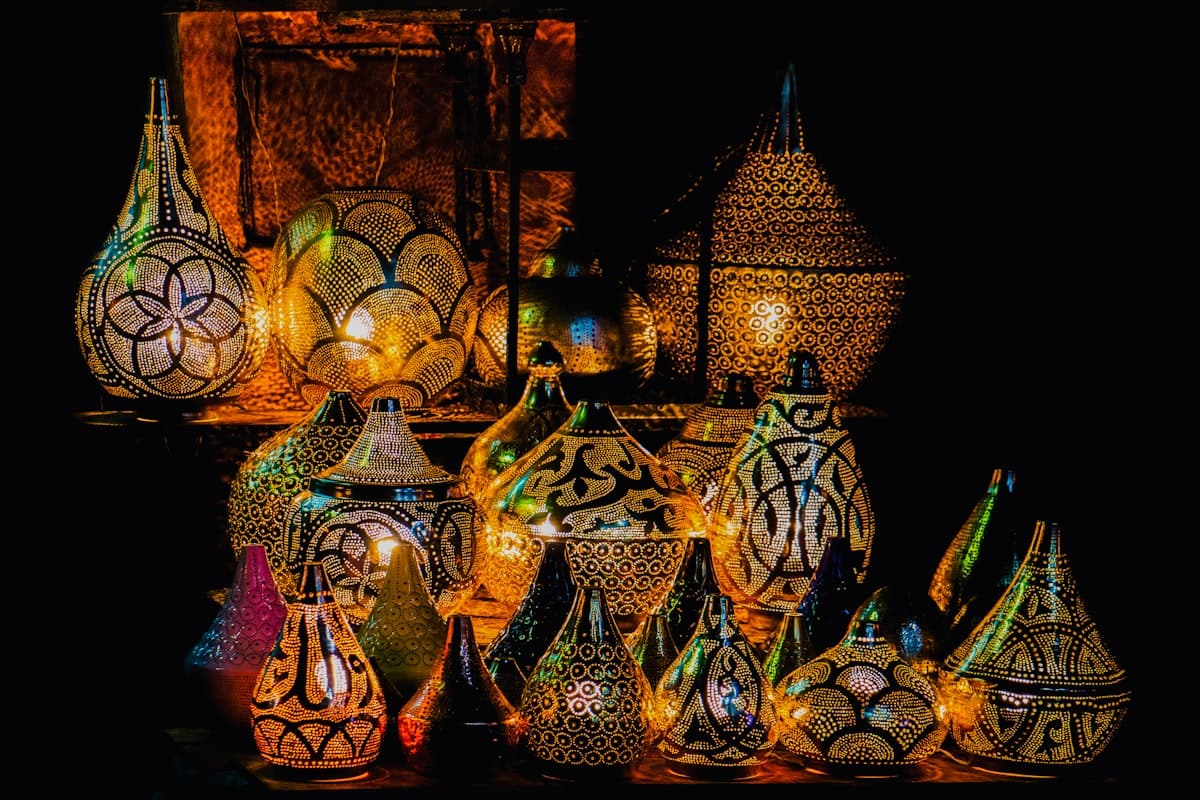
Dress: Full coverage for both men and women. Women should carry a headscarf. Men in shorts will be politely redirected to find other trousers; there are usually vendors outside who rent or sell appropriate covering.
Language: Arabic is the working language here. English is understood by almost no one in the shrine itself. Learning half a dozen phrases, including the standard Islamic greeting al-salamu alaykum and the phrase mumkin ashouf, meaning may I look, will transform how people respond to you.
Safety: Dessouk is a conservative Delta town with very low crime. The moulid crowds are dense but generally good-natured. Pickpocketing is possible in the most compressed moulid situations; wear a money belt and leave unnecessary valuables at your accommodation.
Accommodation: There are several small hotels near the shrine square ranging from EGP 200 to 500 per night for a basic room. During the moulid, book weeks in advance. Outside moulid season, same-day rooms are almost always available.
Food: The restaurants around the shrine square serve Delta staples: grilled fish from the nearby lake, ful medames, kushary, and ta'amiyya. Avoid the packaged food stalls during moulid and stick to the sit-down restaurants where you can see food prepared. Prices are low by any Egyptian urban standard: a full meal rarely exceeds EGP 60 to 100 per person.
Frequently Asked Questions
The Weekly Dispatch
More on Egypt, every Friday.
Cultural depth and places most guides never mention.
No spam. Unsubscribe anytime.