Best Time to Visit Egypt: A Month-by-Month Honest Guide
Most people visit Egypt in winter and miss the Nile in flood season, the emptiest temples, and the one month locals actually travel. Here is what the calendars do not say.

Quick Facts
- Best time to visit
- October to early November for the optimal balance of heat, crowds, and cost. Late February to March is the best alternative. December through February is the most popular season but carries peak prices and large tour groups at every major site.
- Entrance fee
- Varies by site. Valley of the Kings: EGP 600 (approx $12 USD). Karnak Temple: EGP 450 (approx $9 USD). Grand Egyptian Museum: EGP 1,000 (approx $20 USD). Egyptian Museum Cairo: EGP 400 (approx $8 USD). Abu Simbel: EGP 900 (approx $18 USD).
- Opening hours
- Most major sites open daily 6am to 5pm (summer months), 6am to 6pm (winter months). Ramadan hours are shortened. Individual site hours vary; verify before travel.
- How to get there
- Cairo is the main international entry point. Cairo to Luxor by overnight sleeper train costs EGP 400 to 900 ($8 to $18 USD). Domestic flights Cairo to Aswan run EGP 1,200 to 3,500 ($24 to $70 USD). Bus to Siwa Oasis from Cairo costs EGP 200 to 300 ($4 to $6 USD) for a 10-hour journey.
- Time needed
- Minimum 10 days to cover Cairo, Luxor, and Aswan without rushing. Add 3 days for Abu Simbel and Siwa. A Nile cruise between Luxor and Aswan runs 4 to 7 nights.
- Cost range
- Budget EGP 800 to 1,500/day (hostels, local food, public transport). Mid-range EGP 2,500 to 4,500/day (three-star hotels, private drivers, restaurant meals). Nile cruises add EGP 3,000 to 9,000 per night depending on class.
Quick Facts
Best overall months: October, November, March, April Peak crowd season: December through February Cheapest flights and hotels: June through August (with consequences) Entrance fees: Vary by site. Karnak Temple: EGP 450 (approx $9 USD). Valley of the Kings: EGP 600 (approx $12 USD). Egyptian Museum, Cairo: EGP 400 (approx $8 USD). The Grand Egyptian Museum: EGP 1,000 (approx $20 USD) general admission. Opening hours: Most major sites open daily, 6am to 5pm in summer, 6am to 6pm in winter. Ramadan hours shift; expect shorter afternoon access. Getting around: Cairo to Luxor by overnight train costs EGP 400 to 900 (approx $8 to $18 USD) depending on class. Domestic flights run EGP 1,200 to 3,500 ($24 to $70 USD) Cairo to Aswan. A private driver in Luxor runs roughly EGP 600 to 900 ($12 to $18 USD) per day. Time needed: Egypt is not a city break. Allow a minimum of ten days to connect Cairo, Luxor, and Aswan without feeling like you are speed-running a civilization. Daily cost range: Budget EGP 800 to 1,500/day. Mid-range EGP 2,500 to 4,500/day. Both figures assume you are not sleeping inside a Nile cruise ship, which adds significantly.
---
The Egyptian Tourist Authority will not tell you this: the single most pleasant month to visit Egypt is October, and it is also the month when flights are cheapest, hotels have rooms, and the Nile sits at its highest watermark after the summer flood pulse sent down from the Ethiopian highlands. The temples along the Nile bank are surrounded by a briefly green country. The light in Luxor at 6am in October is the colour of warm sandstone, long and horizontal, and it hits the columns of Karnak at an angle that photographs cannot capture and tour groups rarely see because their buses do not leave the hotels until eight.
The answer to the question of when to visit Egypt is not a single month. It is a set of trade-offs between heat, crowds, cost, and what you actually want from a country that has been continuously inhabited for more than seven thousand years. This guide will give you those trade-offs without pretending Egypt is a product to be consumed in optimal conditions.
---
Why the Calendar of Egypt Is Not the Calendar You Think
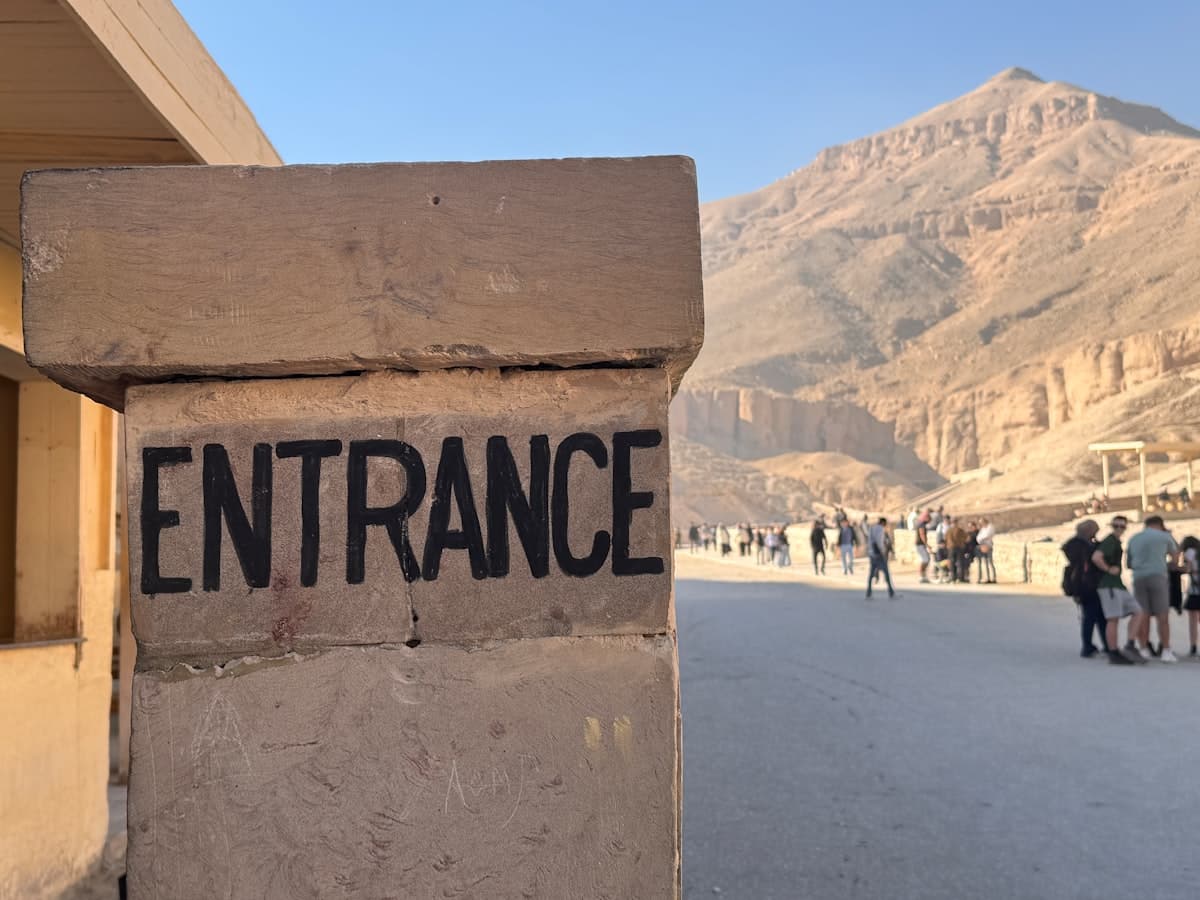
Most travel guides treat Egypt as a hot-or-not binary: winter is good, summer is impossible. This misses the structural complexity of a country that runs on at least three overlapping calendars simultaneously.
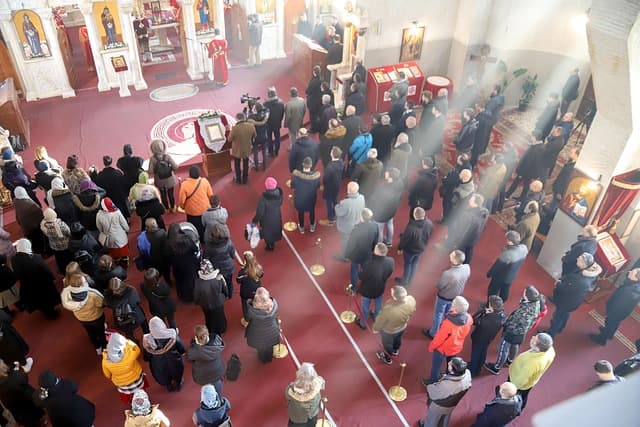
The Gregorian calendar governs tourism and business. The Hijri calendar governs Islamic life, including Ramadan, Eid al-Adha, and the national rhythms of rest and movement. And then there is a third calendar that most foreign visitors have never heard of: the Coptic calendar, which divides the year into thirteen months and still governs agricultural cycles along the Nile. The month of Kiahk, which falls roughly in December, is the most important month in the Coptic liturgical year. If you are in Cairo during this period and you do not attend a midnight mass at a Coptic church, you are missing one of the oldest continuous Christian liturgical traditions on earth, a rite conducted in a language, Coptic, that is a direct descendant of the language the builders of the pyramids actually spoke.
Understanding these three calendars is the difference between arriving at a closed shrine on a national holiday you did not know existed, and arriving at a feast you did not expect.
---
The Honest Season-by-Season Breakdown
October and November: The Actual Best Time
October is when the khamaseen, the hot desert wind that blows sand across everything from March through May, has fully died. Daytime temperatures in Luxor and Aswan sit between 28 and 34 degrees Celsius. Nights drop to 18 or 19 degrees, which means sleeping with a sheet instead of air conditioning running at full power. The agricultural fields along the Nile are green from the summer water. Felucca captains are not yet competing with peak-season cruise ships for mooring space at Aswan's Elephantine Island.
There is also a specific phenomenon in November that almost no travel guide mentions: the Festival of Abu Simbel, held on October 22, when the rising sun illuminates the inner sanctuary of Ramesses II's temple at Abu Simbel and lights up three of the four seated statues inside. This solar alignment was engineered deliberately by the temple's original architects around 1264 BC. The fourth statue, Ptah, god of the underworld, remains in permanent shadow even on this day. This was also deliberate. The alignment was preserved when UNESCO moved the entire temple 65 metres uphill in the 1960s to save it from Lake Nasser, and engineers replicated it to within one day of accuracy.
December through February: The Crowd Season
This is the European and North American winter escape, and Egypt knows it. Hotels in Luxor charge three times their October rates. The Valley of the Kings, which genuinely deserves a slow, quiet morning, gets tour buses from 8am. At the height of January, you will stand in the tomb of Ramesses VI and be pressed against the wall by a group still wearing their cruise ship lanyards.
The weather is legitimately pleasant: 22 to 26 degrees in Upper Egypt, cooler in Cairo. Desert nights in the Western Oases drop below 10 degrees, which surprises many visitors. If you are going to visit in high season, book everything at least three months ahead and plan to reach any major site before 7am. Tomb KV62, Tutankhamun's tomb, opens at 6am and for forty minutes it is almost quiet.
March through May: The Contested Shoulder Season
March is good. April becomes complicated. The khamaseen winds begin in late March and can last through May, filling the air with fine Saharan dust that settles on every surface including your lungs. A khamaseen day in Cairo reduces visibility to a few hundred metres and closes the colour from the sky entirely. It also closes some outdoor sites. Heat begins building seriously in May: Aswan can hit 40 degrees Celsius by mid-month.
The upside of April and May is price. Crowd volume drops after Easter, and a mid-range hotel in Luxor in late April costs roughly half what it costs in January.
June through August: The Honest Answer
In Aswan in July, the temperature routinely reaches 43 to 45 degrees Celsius. This is not a figure to treat metaphorically. Prolonged exposure to this heat is medically dangerous for most unacclimatised visitors. There is a population that travels Egypt in summer: Egyptian families on school holidays, and a smaller number of travellers who plan specifically around the emptied sites and drastically reduced prices. If you fall into the second category, travel between sites before 9am and after 5pm, drink three litres of water daily minimum, and do not attempt multiple outdoor sites in a single day.
The Grand Egyptian Museum is air-conditioned. The Cairo Museum is air-conditioned. Summer in Cairo is a reasonable choice for someone interested primarily in museums, Islamic architecture in the Old City, and Coptic Cairo, all of which can be navigated with strategic shade and indoor intervals.
September: The Underrated Month
September is when the Nile flood is at its peak and Cairo's professional class begins returning from summer trips abroad. Heat starts to ease slightly in the final week. Prices are still low. Sites are still quiet. This is the month the Egyptian journalist and the Egyptian academic travel domestically. Pay attention to who is on the overnight train to Luxor in September. They often know which tombs have just been opened to public access and which site managers will let you through a side gate with a quiet conversation.
---
Ramadan: The Month Most Guides Get Wrong
Every year, a wave of travel articles advises visitors to avoid Egypt during Ramadan. This is advice written by people who have never spent Ramadan in Egypt, or who spent it incorrectly.
Ramadan in Egypt is not a month of restriction for visitors. It is a month of transformation. Restaurants open at sunset and stay open until 3am. The streets of Islamic Cairo after iftar, the breaking of the fast, are filled with families, lights, and a particular kind of collective exhale that is unlike anything else in the Egyptian calendar. The Ramadan lantern, the fanous, has hung in Egyptian windows since the Fatimid Caliph al-Muizz entered Cairo in 969 AD and was greeted by the city's population carrying lanterns to light his way. That tradition has not stopped.
The practical adjustments are real: some daytime restaurants are closed, alcohol is harder to find in conservative areas, and government offices have shortened hours. Major tourist sites stay open and are often less crowded because domestic tourism slows during the fasting day. The single best experience of Ramadan is sitting down to iftar with Egyptians, which requires only the willingness to ask.
---
The Connections: How Season Shapes What You Actually See
The best time to visit Egypt is not separable from what you are visiting. The Temple of Philae on its island near Aswan is at its most atmospheric in October when the water level of Lake Nasser is highest and the approach by motor boat crosses a wide, still surface. In February, the water is lower and the banks more exposed.
The Siwa Oasis in the Western Desert is worth the ten-hour bus ride from Cairo only in the cooler months, October through March. In summer, the salt lakes that give Siwa its otherworldly quality are partially evaporated. In winter, the dates are harvested from palms that were already old when Alexander the Great arrived at the Oracle of Amun in 331 BC to have his divinity confirmed.
The overnight train from Cairo to Luxor is a different experience in winter than in summer. In January it carries European tourists and Egyptian government officials. In August it carries Egyptian families, and the dining car sells ful medames and sweet tea at 2am.
---
Common Mistakes
1. Booking a Nile cruise without checking its departure schedule against the season. Most Nile cruises between Luxor and Aswan run four or seven nights and operate year-round, but in summer the combination of confined boat space and temperatures above 40 degrees makes a floating hotel a poor choice. Felucca trips, which are slower and more exposed, should only be attempted October through March.
2. Treating Cairo as a transit city. Most visitors give Cairo one day before flying south to Luxor. Cairo contains Islamic Cairo's medieval quarter, the oldest continuously operating market in the Arab world (Khan el-Khalili was established in 1382), the Hanging Church of the Copts dating to the third century, and the Grand Egyptian Museum. It deserves three days minimum regardless of season.
3. The sound and light show at Karnak. It costs EGP 550 (roughly $11 USD) and lasts ninety minutes. It tells you the same narrative arc you will read in any standard guidebook, delivered over theatrical music while coloured lights illuminate the pylons. The money and evening are better spent eating at a local restaurant near the souk and returning to Karnak the following morning at opening time, when the light is doing everything the sound and light show pretends to replicate artificially.
4. Assuming Ramadan timing is fixed. Ramadan moves eleven days earlier each Gregorian year. If you are planning a trip eighteen months ahead, check the Islamic calendar. Ramadan in winter is a different experience from Ramadan in summer.
5. Overpacking the itinerary in October. October is the best month, which means every tour operator also schedules their biggest groups for October. Book private guided visits rather than group tours at the peak of shoulder season if you want the experience you came for.
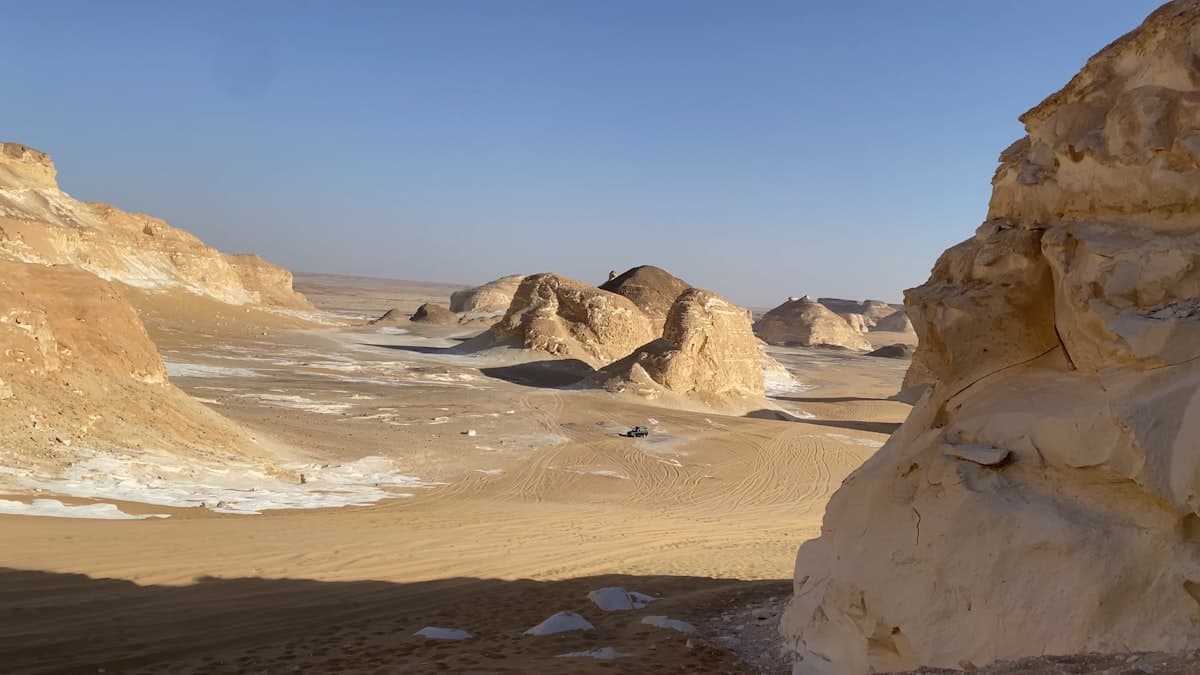
6. Skipping the Western Desert in winter. The oases circuit through Bahariya, Farafra, Dakhla, and Kharga is genuinely one of the most compelling journeys in Egypt and almost entirely absent from standard itineraries. The White Desert outside Farafra, where wind erosion has sculpted chalk formations into shapes that have no comparison, is accessible only by 4WD and is viable only between October and March.
7. Not accounting for public holidays. Egyptian national holidays close government sites with minimal advance notice. Sham el-Nessim, the ancient spring festival celebrated since Pharaonic times and still marked on the Monday after Coptic Easter, fills every park and corniche in the country. It is one of the few days that genuinely belongs to all Egyptians regardless of religion. Plan around it or plan to be part of it.
---
Practical Tips
The Egyptian pound has fluctuated significantly against major currencies in recent years. Check the current rate within a week of travel. ATMs in Cairo, Luxor, and Aswan dispense local currency reliably. In Siwa and smaller oases, carry cash.
For the best time to visit Egypt overall, October to early November and late February to March hit the intersection of reasonable heat, moderate crowds, and prices that have not yet reached peak-season levels. If you have school-age children and are locked into July or August, concentrate your itinerary on Upper Egypt before 9am and on museums and Coptic sites in the heat of the day.
Dress conservatively at all times outside resort areas. This is not a safety precaution; it is a social one. A woman in a loose long-sleeved shirt and trousers in the souk in Luxor moves through differently than one in shorts. The same applies to men entering mosques or Coptic churches.
Learn five words of Arabic. Shukran (thank you), min fadlak (please), quaddaysh (how much), la' (no), and ahlan wa sahlan (welcome, also used as a greeting). The last one, spoken back to an Egyptian who has just welcomed you, produces a specific kind of smile that no amount of money spent on luxury accommodation will buy.
Frequently Asked Questions
The Weekly Dispatch
More on Egypt, every Friday.
Cultural depth and places most guides never mention.
No spam. Unsubscribe anytime.