Egypt Travel Budget Guide: What It Actually Costs to Go
A week in Egypt costs less than a weekend in Paris, but most travelers overpay by 40% before they leave the airport. Here is where the money actually goes.

Quick Facts
- Best time to visit
- October to April. November to February is ideal: temperatures in Luxor and Aswan stay below 28°C and cruise season is at full operation. Avoid July and August in Upper Egypt where temperatures regularly exceed 44°C.
- Entrance fee
- Varies by site. Giza complex EGP 540 (approx $11 USD), Great Pyramid interior EGP 360 extra, Karnak EGP 450, Valley of the Kings EGP 360 for three tombs, Coptic Museum EGP 200, Egyptian Museum EGP 400. Budget EGP 1,000 to 1,500 per full sightseeing day.
- Opening hours
- Most archaeological sites: daily 6am to 5pm (summer), 6am to 6pm (winter). Egyptian Museum: 9am to 5pm daily. Valley of the Kings: 6am to 5pm. Always verify seasonal changes before visiting.
- How to get there
- Cairo: direct flights from most major hubs. Overnight sleeper train Cairo to Luxor: approx EGP 3,000 per person. Domestic flight Cairo to Luxor: EGP 900 to 2,500 depending on advance booking. Cairo metro: EGP 7 per journey. Local Nile ferry in Luxor: EGP 5 each way.
- Time needed
- Minimum ten days for Cairo, Luxor, and Aswan. Twelve to fourteen days if adding a Nile cruise segment and Abu Simbel day trip. Allow two full days in Cairo and at least three on each bank in Luxor.
- Cost range
- Backpacker EGP 800 to 1,200 per day (approx $16 to $24 USD). Mid-range independent EGP 2,000 to 3,500 per day (approx $40 to $70 USD). Comfortable private tour EGP 5,000 to 9,000 per day (approx $100 to $180 USD).
Quick Facts
Best time to visit: October to April, when temperatures in Upper Egypt drop below 35°C and the Nile cruise season peaks. July and August are brutal south of Cairo: Luxor regularly hits 45°C.
Daily budget ranges: Backpacker: EGP 800 to 1,200 per day (approx $16 to $24 USD) Mid-range independent traveler: EGP 2,000 to 3,500 per day (approx $40 to $70 USD) Comfortable private tour: EGP 5,000 to 9,000 per day (approx $100 to $180 USD)
Getting there: Cairo International Airport (CAI) connects to most major hubs. Budget carriers including Ryanair serve European routes seasonally. Domestic flights Cairo to Luxor run EGP 900 to 2,500 (approx $18 to $50 USD) one way if booked through EgyptAir's website rather than a third-party agent.
Currency note: The Egyptian pound has fluctuated significantly since 2022. Always carry small bills. The official exchange rate and the street rate converged after the March 2024 devaluation, so licensed exchange bureaus are now genuinely competitive with any alternative.
Time needed: Budget a minimum of ten days to see Cairo, Luxor, and Aswan without feeling like you are sprinting through a museum. Twelve to fourteen days allows for the Nile cruise segment and a day in Abu Simbel without cutting corners.
---
Why Egypt Is Cheaper Than You Think, and More Expensive Than It Should Be

Egypt is not a cheap country. It is a structurally peculiar one. The Egyptian pound's repeated devaluations since 2016 have made it extraordinarily affordable for visitors holding euros, dollars, or sterling, while making it significantly harder for Egyptians themselves to travel their own country. That asymmetry is worth sitting with before you start congratulating yourself on a cheap lunch.
The official entrance fee to the Pyramids of Giza complex is EGP 540 (approximately $11 USD at current rates). The Great Pyramid interior costs an additional EGP 360. The Solar Boat Museum costs EGP 100 more. By the time you have done the site properly, including Khafre's pyramid and the Sphinx enclosure, you have spent EGP 1,000 to 1,200 on tickets alone. That is real money in Egyptian terms. In dollars, it is lunch in a mid-range London restaurant.
The Egyptian government has been steadily raising entrance fees at major sites since 2019, partly to manage overcrowding, partly to bring in more foreign currency. Karnak Temple in Luxor now costs EGP 450 (approx $9 USD). The Valley of the Kings costs EGP 360 for three tombs, with Tutankhamun's tomb an additional EGP 500. These are still affordable by European or American standards, but the cumulative cost of a full week of serious sightseeing adds up faster than most Egypt travel budget guides will tell you.
The real Egypt travel budget guide truth: the ticket prices are not where most visitors bleed money. The bleeds are in the airport, in the taxi from the hotel, in the organized tour that was sold to you as necessary but is not, and in the failure to understand that Egypt has a functioning public transport system that most foreign visitors are never told about.
---
Where the Money Actually Goes: A Realistic Breakdown
Getting Around Egypt
Egypt has overnight sleeper trains. The Abela Egypt train from Cairo to Luxor departs nightly and covers approximately 670 kilometers in nine to ten hours. A double sleeper cabin with dinner and breakfast costs approximately EGP 3,000 per person (roughly $60 USD). This is not a romantic euphemism. The train is clean, the food is adequate, and you arrive in Luxor at dawn when the light over the East Bank is doing things that no photograph adequately captures. You also save a night's accommodation cost.
The alternative that most tour operators recommend is a Nile cruise, which typically runs three to four nights between Luxor and Aswan. Budget cruises start around $350 USD per person for a three-night package including meals and guided excursions. Mid-range cruises run $600 to $900. The entry-level boats are not what you imagine. Some are genuinely excellent, but the cheapest options have thin walls, weak air conditioning, and guides who rush the temples because they have a quota of sites per day. If you are going to do a Nile cruise, spend at least $600 per person or travel by train and local transport instead.
Within cities, the situation is more favorable. Cairo's metro costs EGP 7 per journey regardless of distance. It covers a surprising amount of the city including stops near the Egyptian Museum (Sadat station, a ten-minute walk) and connects to Giza station, from which a microbus to the pyramid plateau costs EGP 5. The tuk-tuks and informal microbuses that weave through neighborhoods not served by the metro charge EGP 5 to 15 for most short trips. No tourist infrastructure required.
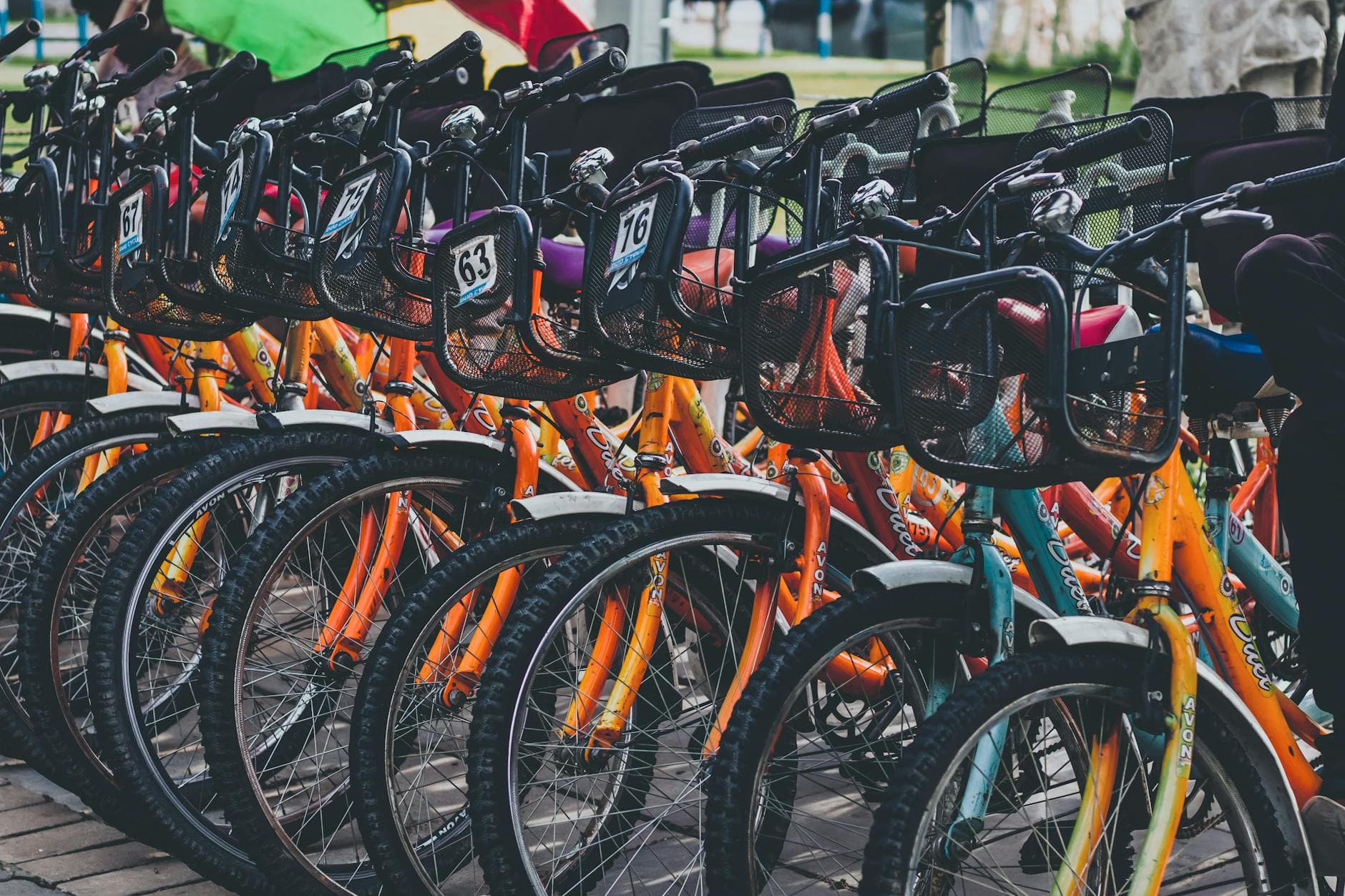
In Luxor, bicycle rental costs EGP 80 to 150 per day from shops on Television Street near the Luxor Temple. The East Bank temples, the Karnak complex, and the Luxor Museum are all reachable by bike from the town center. The West Bank, home to the Valley of the Kings, requires crossing the Nile by local ferry (EGP 5 each way, not the tourist ferry, which charges ten times as much) and then renting a bicycle or taking a local taxi. This approach to seeing Luxor costs a fraction of any organized tour and allows you to arrive at Medinet Habu, the funerary temple of Ramesses III, at 6am, before the groups arrive, when the painted reliefs inside are still in shadow and the colors are extraordinary.
Accommodation: The Honest Range
Cairo has a hostel scene concentrated in the Zamalek and Downtown districts. Dormitory beds in reputable hostels run EGP 350 to 600 per night (approx $7 to $12 USD). Private rooms in the same properties run EGP 900 to 1,500.
Mid-range hotels in Cairo, meaning properties with reliable air conditioning, functional elevators, and breakfast included, run EGP 2,000 to 4,000 per night (approx $40 to $80 USD). The Nile-facing rooms at mid-range properties in Zamalek are worth the slight premium. The view of the river at night, with the October Bridge lit up and the feluccas trailing below, justifies approximately EGP 500 extra on the room rate.
Luxor and Aswan are significantly cheaper than Cairo for accommodation. A well-reviewed guesthouse on the West Bank in Luxor, family-run and with rooftop views of the Theban hills, runs EGP 500 to 900 for a private double room. These places are not on major booking platforms. They are found by asking at the local ferry crossing or through recommendations from other travelers. They are also, consistently, the best accommodation experience in Egypt at any price point.
Food: Where the Budget Traveler Wins Completely
This is where Egypt genuinely rewards the curious eater who is willing to step past the hotel dining room. A full ful and ta'ameya breakfast from a street cart costs EGP 20 to 40. Koshari, Egypt's national dish of rice, lentils, chickpeas, and tomato sauce, costs EGP 35 to 70 at a proper koshari restaurant. Abou Tarek in downtown Cairo, which has been serving koshari since 1950 and has grown to occupy an entire building, charges EGP 55 for a medium bowl. It is one of the more satisfying meals available in the city at any price.
Sit-down restaurant meals with grilled meats, mezze, bread, and soft drinks run EGP 300 to 600 for two people at mid-range Egyptian restaurants. Alcohol, where available, adds significantly: a Stella beer at a licensed restaurant costs EGP 120 to 200. Egypt is not a country where alcohol is cheap or easy.
A realistic food budget for a traveler eating a mix of street food and sit-down meals: EGP 400 to 700 per day.
---
The Connections: How Egyptian History Makes the Budget Conversation More Complicated
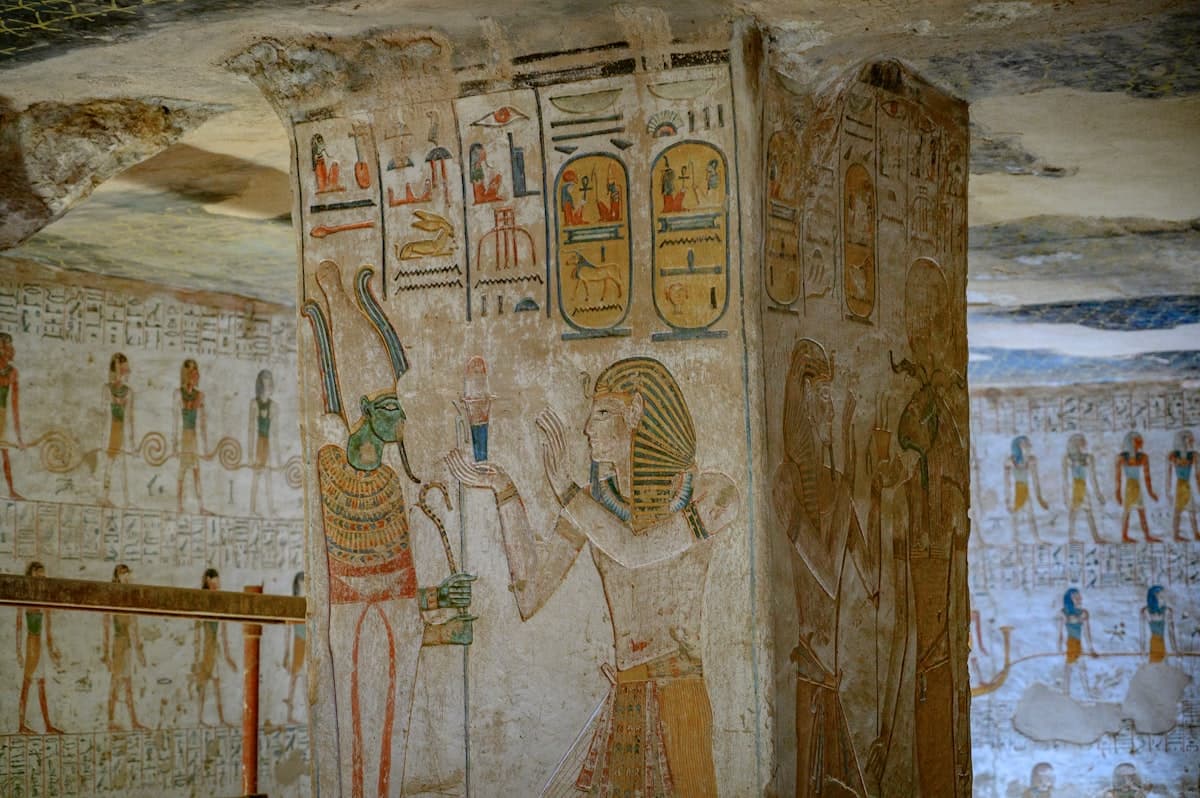
When you pay EGP 450 to enter Karnak Temple, you are contributing to the maintenance of a complex that was continuously expanded for approximately 2,000 years, from around 2055 BCE through the Ptolemaic period. No single pharaoh built it. It was a construction project that outlasted thirty dynasties and survived conquest by Assyrians, Persians, Macedonians, and Romans. The modern Egyptian state spends roughly EGP 2.3 billion per year on its antiquities sector. The ticket revenue helps, but it does not come close to covering the conservation costs.
This matters for your Egypt travel budget because it frames the real question: the entrance fees are not a tourist tax in the cynical sense. They are a contribution to keeping things standing. The Valley of the Kings has seventeen tombs regularly open to visitors (not two or three, as most itineraries suggest). The additional tomb tickets, which many visitors skip as unnecessary expenditure, fund conservation of the rooms most tourists never see.
The Coptic Museum in Old Cairo, which houses the world's largest collection of Coptic art and documents the 600-year period between Pharaonic Egypt and the Islamic conquest, costs only EGP 200 (approx $4 USD). It is visited by a fraction of the tourists who queue for the Egyptian Museum. The building itself is constructed in the traditional Coptic architectural style with intricate mashrabiya woodwork, and it sits on the site of the Babylon Fortress, a Roman fortification built during the reign of Emperor Augustus in 30 BCE. Three civilizations in one entrance fee.
---
Common Mistakes
Changing money at the airport. The exchange bureaus at Cairo International Airport have historically offered rates significantly worse than licensed city-center bureaus or the ATMs inside the arrivals hall. Take enough local currency from an ATM for your first day and change the rest in the city.
Booking tours through the hotel. Hotel-arranged tours carry a commission of 20 to 40 percent above what you would pay by going directly to a licensed guide or booking through a reputable independent operator. The Egyptian Tourist Authority maintains a registry of licensed guides at their offices near the Egyptian Museum.
The sound and light show at the Pyramids costs EGP 350 and involves sitting in a plastic chair while lights change color on objects you have already seen. The narration will tell you nothing you cannot learn by reading a single good chapter on the Old Kingdom. Skip it. Spend the evening at a rooftop restaurant in Zamalek instead.
Tipping without a system. Egypt has a baksheesh culture that is not corruption and is not optional: it is a functioning micro-economy for people in service roles who are paid very little in base wages. Budget EGP 20 to 50 per service interaction and keep a supply of small bills specifically for this purpose. Running out of small bills in the Valley of the Kings is a logistical problem with social consequences.
Taking an organized Nile cruise as your only Upper Egypt transport. Cruise itineraries are designed around sites accessible from the riverbank. They systematically exclude sites that require more than thirty minutes of inland travel. Abydos, which contains some of the oldest and most complete painted temple reliefs in Egypt and was the site of the cult of Osiris for more than 3,000 years, is almost never on a cruise itinerary. A day trip from Luxor by private taxi costs approximately EGP 1,200 to 1,500 total. It is substantially more interesting than the third temple stop on most cruise schedules.
Underestimating the cost of entry to multiple sites in a single day. A full day at the Karnak complex plus the Valley of the Kings plus Hatshepsut's temple plus the Colossi of Memnon totals EGP 1,360 in entry fees alone before transport, food, or guides. Build this into your Egypt travel budget planning before you leave home.
---
Practical Tips
The best independent travel resource for navigating Egyptian transportation is not a travel app. It is the person at the local ferry dock, the tea house near the site entrance, or the hotel front desk worker who is actually from the neighborhood. Ask specifically: what do local people use to get there. The answer is usually faster and cheaper than anything a booking platform offers.
Carry your passport or a clear photo of it at all times. Police checkpoints exist on the roads between major Upper Egypt sites and the military occasionally restricts access to areas near the Western Desert without notice.
Purchase a local SIM card at the airport or any Vodafone or Orange outlet. A data-heavy tourist SIM with 20GB costs approximately EGP 150 to 200. Offline maps downloaded through Maps.me or Google Maps cover most of Egypt's tourist circuit reliably and save you significant navigation confusion in the medinas and souk areas where street names are inconsistent.
Book domestic flights and trains at least two weeks in advance in high season (November through February). The sleeper train to Luxor and Aswan sells out. The budget airfares also disappear quickly. Walk-up prices for both are significantly higher than advance booking prices.
Frequently Asked Questions
The Weekly Dispatch
More on Egypt, every Friday.
Cultural depth and places most guides never mention.
No spam. Unsubscribe anytime.