Greeks in Egypt: The Alexandria History Guide You Need
Alexandria was Greek before it was Egyptian. For 300 years, its rulers never learned the local language. The city they built still exists, mostly underground.

Quick Facts
- Best time to visit
- October to April for mild temperatures and clear Mediterranean light. March and April are ideal: warm days around 22C, minimal rain, manageable crowds.
- Entrance fee
- Greco-Roman Museum EGP 200 (approx $4 USD), Catacombs of Kom el-Shoqafa EGP 250 (approx $5 USD), Pompey's Pillar and Serapeum EGP 180 (approx $3.50 USD), Bibliotheca Alexandrina EGP 50 (approx $1 USD)
- Opening hours
- Most sites daily 8am to 5pm (winter) and 8am to 6pm (summer). Catacombs occasionally close for conservation, verify before visiting.
- How to get there
- Spanish train from Cairo Ramses Station: EGP 150 to 280 depending on class, approximately 2 hours. Taxis between Alexandria sites: EGP 50 to 80 per trip. City tram: EGP 3 along corniche route.
- Time needed
- Minimum 2 full days for Greco-Roman sites. Add a third day for Abu Mena and the Coptic layer. The Greco-Roman Museum alone warrants 2 to 3 hours.
- Cost range
- Budget EGP 800 to 1,200 per day including accommodation and food. Mid-range EGP 2,000 to 3,500 per day with seafood lunch on the harbor.
At its peak, Alexandria held perhaps 500,000 people, making it the second-largest city in the Roman world after Rome itself. Its founder spent less than a month here. Alexander the Great arrived in 331 BC, sketched the city plan in the sand with grain because he had no chalk, and left for Persia before the first foundation stone was laid. He never came back. His body, embalmed in honey according to some accounts, was eventually buried somewhere beneath the streets you are walking today. Nobody has found it.
This is the entry point for understanding Greeks in Egypt and the Alexandria history guide that actually serves you: not a parade of ruins and dates, but a city built by outsiders who became insiders, who created something that neither Greece nor Egypt had ever seen before, and whose intellectual output shaped the world you inhabit whether you know it or not.
Quick Facts
Best time to visit: October through April. Alexandria's Mediterranean climate means summer humidity is real and August crowds are worse than Cairo. Spring (March to May) gives you clear light and manageable temperatures around 22C.
Key site entrance fees: Greco-Roman Museum: EGP 200 (approx $4 USD), students EGP 100. Reopened after renovation in 2023. Pompey's Pillar and Serapeum: EGP 180 (approx $3.50 USD), students EGP 90 Catacombs of Kom el-Shoqafa: EGP 250 (approx $5 USD), students EGP 125 Bibliotheca Alexandrina (modern library): EGP 50 (approx $1 USD) for general access, more for exhibitions Royal Jewelry Museum (Greco-Roman rooms): EGP 150 (approx $3 USD)
Opening hours: Most sites open daily 8am to 5pm (winter) and 8am to 6pm (summer). The Catacombs close periodically for conservation. Check before you go.
How to get there: From Cairo, take the air-conditioned Spanish train from Ramses Station, EGP 150 to 280 depending on class, two hours to Alexandria Misr Station. From the station, taxis to most Greco-Roman sites cost EGP 40 to 80. The tram is EGP 3 and covers the corniche route, though it is slow.
Time needed: Two full days minimum to do the Greco-Roman layer justice. Add a third if you want the Coptic and Islamic layers that grew directly from it.
Cost range: Budget EGP 800 to 1,200 per day including accommodation and food. Mid-range EGP 2,000 to 3,500 per day with a decent seafood meal on the corniche.
Why This Place Matters
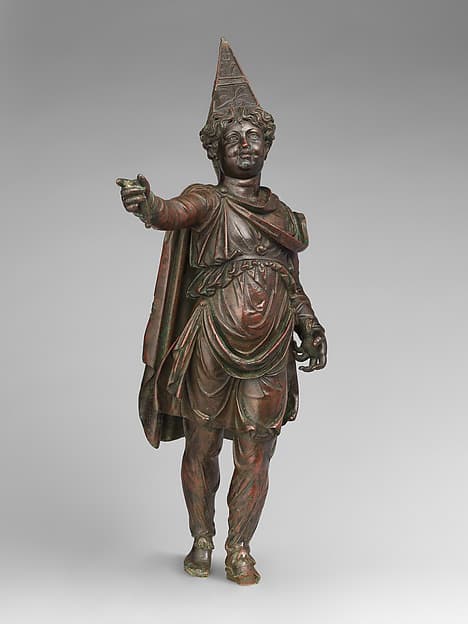
Alexandria was not built for Egyptians. The Ptolemaic dynasty, which ruled Egypt for nearly 300 years after Alexander's death, conducted their government in Greek, worshipped Greek-inflected gods, and for the most part never bothered to learn hieroglyphics. Cleopatra VII, the last of the Ptolemies, was considered remarkable specifically because she did learn Egyptian. She was the first of her line to do so in almost three centuries of ruling the country.
This is a more radical cultural fact than it first appears. The Pharaonic civilization that had run continuously for three thousand years was suddenly governed by a Macedonian military family who treated Egypt as both a prize and a laboratory. They did not simply occupy the country. They reinvented it. The Ptolemies built a city that fused the Greek concept of the polis with Egyptian priestly tradition, and in doing so produced the Library of Alexandria, the Museum (which was a research institution, the ancestor of the modern university, not a building of exhibits), the mathematical work of Euclid, the heliocentric model of Aristarchus, and Eratosthenes' calculation of the earth's circumference accurate to within 2 percent.
Eratosthenes calculated the earth's circumference around 240 BC by measuring the angle of the sun's shadow in Alexandria and Syene (modern Aswan) simultaneously on the summer solstice, then doing arithmetic. He got approximately 39,375 kilometers. The actual polar circumference is 40,008 kilometers. He did this with a stick, a well, and a hired man to pace out the distance between the two cities.
When you visit Alexandria with Greeks in Egypt as your frame, you are not visiting a place. You are visiting a methodology: what happens when two of the world's great civilizations occupy the same geography and decide, largely, to think together.
What Survives and Where to Find It
The honest answer is: less than you expect above ground, more than you expect below it.
The ancient city sits roughly five to eight meters beneath the modern one. Earthquakes in 365 AD and again in the early medieval period, combined with centuries of construction on top of the ruins, have buried most of the Ptolemaic city. The famous Library does not exist as an archaeological site. The Palace Quarter, which occupied the royal peninsula, is now underwater in the Eastern Harbor. Egyptian archaeologists and French teams have been excavating it since the 1990s using underwater survey equipment, and what they have found includes sphinxes, column bases, and what may be remains of the Ptolemaic palace complex.
What you can actually visit:
The Greco-Roman Museum is the essential starting point. After years of renovation it holds the finest collection of objects from the fusion period: terracotta figurines showing Egyptian gods in Greek artistic style, coins bearing the faces of the Ptolemies, Serapis statues (Serapis being a god literally invented by Ptolemy I to bridge Egyptian and Greek religious traditions), and the famous Alexander sarcophagus room. Serapis combined Osiris, Apis the bull, and elements of Zeus and Dionysus. He was designed by committee to serve a multicultural city. It worked for six hundred years.
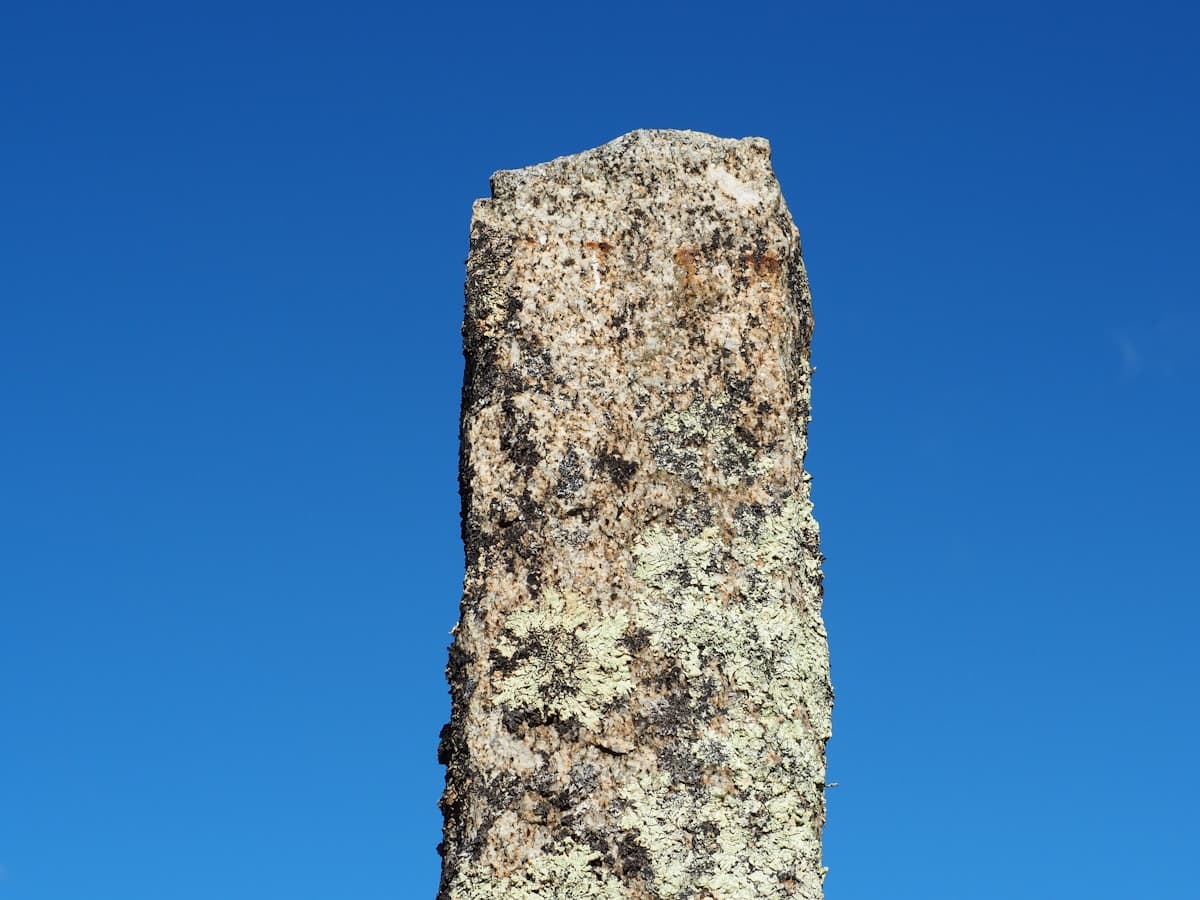
Pompey's Pillar is misnamed. The 27-meter granite column standing in the Serapeum complex has nothing to do with Pompey, who was murdered nearby in 48 BC. It was erected in 297 AD in honor of the Emperor Diocletian, who gave Alexandria grain after a siege. The misattribution was made by medieval Crusaders who saw a tall column and needed a famous Roman to attach to it. The Serapeum itself, the great temple to Serapis that once stood here, was destroyed by a Christian mob in 391 AD under orders from the Bishop Theophilus. The column survived because it was too large to pull down.
The Catacombs of Kom el-Shoqafa are the most important site in Alexandria that most visitors underestimate. Cut into the rock in the second century AD, they are a three-level tomb complex where Greek artistic conventions, Egyptian religious imagery, and Roman architectural details appear in the same room, sometimes on the same wall. A figure of Anubis wears Roman armor. The burial niches are cut in the loculus style of Rome but decorated with Egyptian motifs. The banquet hall, where families came to eat with their dead, is Alexandrian in a way nothing else in the city is: it assumes you know three civilizations and belong to all of them simultaneously.
The Library: What Actually Happened
The Library of Alexandria was not burned down by Julius Caesar, though he did accidentally ignite fires near the harbor in 48 BC that may have damaged a warehouse of books. It was not destroyed by Caliph Omar's armies in 641 AD, though that story was invented in the twelfth century and has proven nearly impossible to kill. The Library declined over centuries of funding cuts, political instability, and the slow migration of scholarship to Constantinople and other centers.
What Caesar did do was take 40,000 scrolls from Alexandria's warehouse as war spoils and ship them to Rome. The figure comes from Plutarch and may be exaggerated, but the principle is accurate: Alexandria's intellectual holdings were plundered gradually, not destroyed in a single dramatic fire that makes for a better story.
At its height the Library held somewhere between 400,000 and 700,000 scrolls, depending on which ancient source you use. The Museum complex it served employed scholars on royal salary with free housing and meals, no teaching duties, and access to the most comprehensive collection of texts then assembled. This was the world's first research university, funded by a Macedonian royal family who understood that intellectual prestige was a form of political power.
The modern Bibliotheca Alexandrina, opened in 2002 on or near the site of the ancient Library, is worth visiting not because it replicates anything but because it is a serious working institution. The architecture by the Norwegian firm Snohetta is deliberately non-nostalgic. The slanted disc roof, covered in 4,500 square meters of Aswan granite carved with letters from 120 writing systems, is a good piece of architecture. Spend an hour in the manuscripts museum in the basement, which holds papyrus documents from the Ptolemaic period.
The Connections: Alexandria's Long Thread
Nothing in Alexandria happened in isolation. The Greeks arrived into a country with 2,700 years of continuous civilization behind it. What they built reflected that weight.
The cult of Serapis, invented by Ptolemy I around 300 BC, eventually spread throughout the Roman Empire and was worshipped in London, in Germany, in Spain. When Christianity spread through Alexandria in the first and second centuries AD, it absorbed and argued with Neoplatonist philosophy that had been developing in the city's intellectual institutions for three hundred years. The result was a distinctly Alexandrian form of Christian theology: it was in Alexandria that the great debates about the nature of Christ, the Trinity, and the relationship between scripture and reason were first systematically argued. The Council of Nicaea in 325 AD was dominated by Alexandrian thinkers on multiple sides of the argument.
The Coptic Orthodox Church, still headquartered in Cairo but spiritually rooted in Alexandria, traces its founding to Saint Mark, who arrived around 49 AD into a city already full of Jewish scholars, Greek philosophers, and Egyptian priests. The word Copt derives from the Greek word for Egypt, Aigyptos, which itself derived from the ancient Egyptian name for Memphis, Hwt-ka-Ptah. The Greek name for the country became the Arabic name for the people.
When the Arab armies arrived in 641 AD, Alexandria had already been Christian for three centuries and Greek-inflected for a thousand years. The city they entered was not ancient Egypt. It was something more complicated: a civilization that had been translated so many times it had become its own language.
Common Mistakes
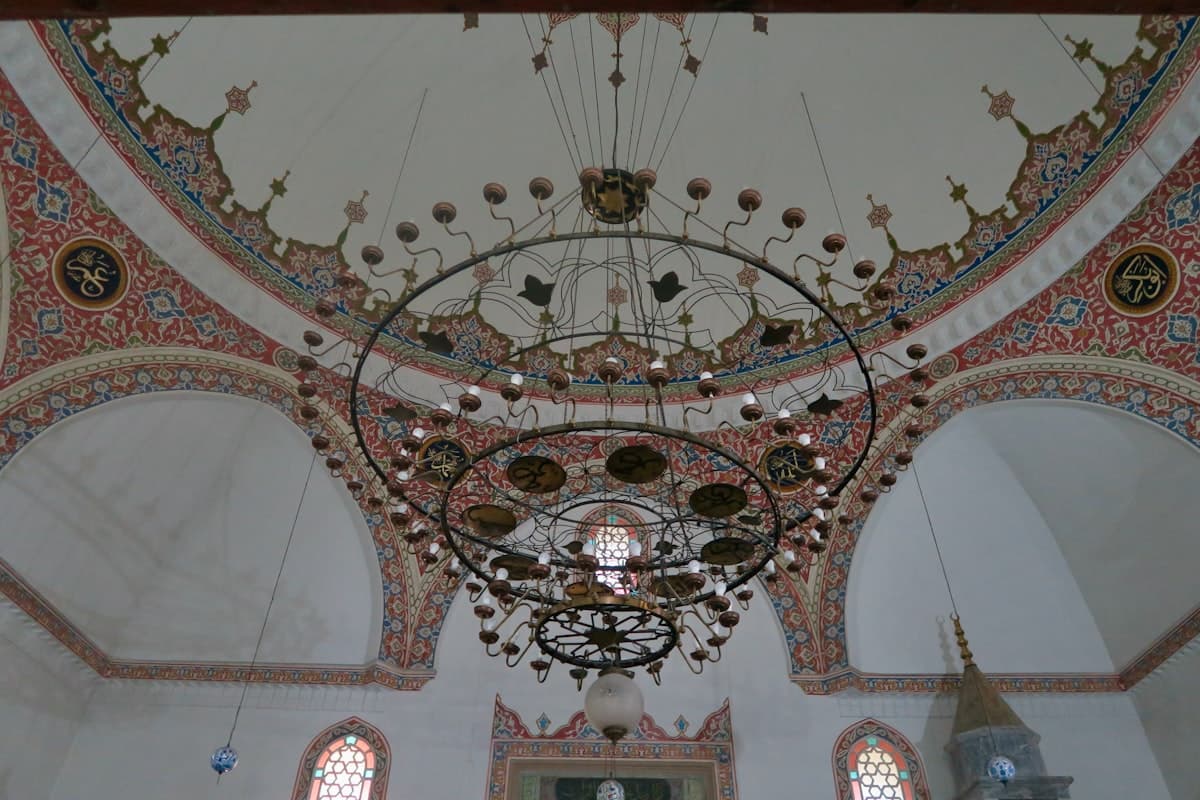
Treating the Bibliotheca Alexandrina as a substitute for understanding the ancient Library. They are not the same thing and are not intended to be. The modern library is a real institution with real value. Visit it as that, not as a nostalgic gesture.
Skipping the Greco-Roman Museum because you visited before the renovation. The 2023 reopening reorganized and re-labeled much of the collection. The new display of the Fayum portrait mummies, which show the transition from Greek to Roman artistic styles on actual funerary portraits from the first to third centuries AD, is worth the visit alone.
Going to the catacombs at midday in summer. The site goes underground but the entrance queue in direct sun on a July afternoon is genuinely unpleasant. Go before 9am.
Paying for a guide at Pompey's Pillar. The site is small, the interpretive signage is adequate, and the unlicensed guides who approach you at the gate know less than you will after reading this article. The EGP 180 entrance fee covers everything you need.
Expecting a walkable ancient city. Alexandria is not Pompeii. There is no preserved street grid to wander. The Greco-Roman sites are spread across a modern city of five million people. You will need taxis between them. Budget time and EGP accordingly.
The Alexandria National Museum is not worth the detour. I say this as someone who has been three times. The building is a converted Italian-style palace and is genuinely beautiful. The collection is underwhelming and poorly contextualized compared to the Greco-Roman Museum, which covers much of the same period with better objects and better labeling. If you have limited time, choose the Greco-Roman Museum without hesitation.
Missing the Jewish Alexandria thread. The Greeks in Egypt story is inseparable from the Jewish community that flourished under the Ptolemies. Alexandria held the largest Jewish diaspora population in the ancient world. The Septuagint, the Greek translation of the Hebrew scriptures that became the Bible used by early Christians, was produced here around 280 to 130 BC. The last functioning synagogue, the Eliyahu Hanavi Synagogue in the Manshiyya district, was restored in 2020 and can be visited by arrangement through the Egyptian Jewish Community office.
Practical Tips
Arrive in Alexandria by morning train, not overnight bus. The Spanish trains are comfortable and deposit you at Misr Station, which is walkable to several sites and well-connected by taxi. The overnight bus saves money and wastes half a day recovering from it.
The corniche is long and the sites are not clustered. Establish a base near Raml Station or Sidi Gaber and use taxis for site-to-site movement. Negotiate the fare before you get in: EGP 50 to 80 is standard for cross-city trips.
Alexandria's seafood is the best reason to extend your stay. Koshary Abou Tarek is Cairo. For Alexandria, eat at the fish restaurants along the harbor in Anfushi: order by weight, pay by kilogram, eat at noon when the fish is freshest. A full lunch with drinks is EGP 300 to 500 per person.
The city is more conservative than Cairo's downtown but less so than Upper Egypt. Standard Egyptian courtesy applies: covered shoulders for archaeological sites, patience with slow bureaucracy at ticket offices, and a working knowledge of the words shukran (thank you) and law samaht (excuse me) will serve you.
If you are doing the Greeks in Egypt Alexandria history guide properly, allow two full days for the Greco-Roman layer and build in a morning at the Coptic site of Abu Mena, 45 kilometers southwest of the city, where a fifth-century basilica complex built over a martyred soldier's grave became one of the great pilgrimage sites of the early Christian world. The site is partially preserved, admission is minimal, and almost no tourists go there.
Frequently Asked Questions
The Weekly Dispatch
More on Egypt, every Friday.
Cultural depth and places most guides never mention.
No spam. Unsubscribe anytime.