Mohamed Ali Mosque & Albanian History in Egypt: Full Guide
An Albanian soldier who couldn't read became Egypt's most transformative ruler. His mosque sits on a citadel built by Saladin. Almost nothing about this is what it appears.
Quick Facts
- Best time to visit
- October to March for tolerable temperatures on the exposed Citadel plateau. Early morning arrival before 9am on any day avoids the worst tour group congestion.
- Entrance fee
- EGP 450 (approx $9 USD) for adults, EGP 225 for students with valid ID. Ticket covers the full Citadel compound including the Al-Nasir Muhammad Mosque and Military Museum.
- Opening hours
- Daily 8am to 5pm. Mosque interior closes briefly during Friday noon prayers. Last entry to the compound is at 4:30pm.
- How to get there
- Taxi or ride-hail from Downtown Cairo: EGP 60 to 100. Minibus 83 from Ramses Square: EGP 5 (drops at base of hill). Metro to Sadat station then taxi: total EGP 40 to 60.
- Time needed
- 2 hours minimum for the Mohamed Ali Mosque and terrace. 3 to 4 hours to walk the full compound including Al-Nasir Muhammad Mosque. Full day if combining with Sultan Hassan, Al-Rifa'i, and Ibn Tulun mosques.
- Cost range
- Budget day including transport, entry, and lunch nearby: EGP 600 to 900. Mid-range with pre-booked private guide: EGP 1,800 to 2,500.
Quick Facts
Best time to visit: October to March, when the Citadel plateau is not a heat trap. Arrive before 9am to beat tour groups from Nile cruise buses.
Entrance fees: The Citadel complex (which includes the Mohamed Ali Mosque) costs EGP 450 for adults, approximately $9 USD at current rates. Students with valid ID pay EGP 225. The ticket covers multiple structures within the Citadel walls, including the Al-Nasir Muhammad Mosque and the Military Museum.
Opening hours: Daily 8am to 5pm. The mosque itself closes briefly during Friday noon prayers. Plan around this if you want the interior without a crowd.
How to get there: Taxi from Downtown Cairo, roughly EGP 60 to 100. Ride-hail apps (Uber, Careem) cost similar. From Ramses Square, minibus 83 runs to the Citadel for EGP 5, but it drops you at the base of the hill, not the gate. The metro does not serve the Citadel directly. Nearest station is Sadat (Tahrir), then taxi or bus.
Time needed: Two hours minimum for the mosque and its terrace. Three to four hours if you plan to walk the full Citadel compound and visit the Carriage Museum or Military Museum.
Cost range: Budget day including transport, entry, and lunch in the surrounding Darb al-Ahmar district: EGP 600 to 900. Mid-range with a private guide: EGP 1,800 to 2,500.
---
Why This Place Matters
Mohamed Ali Pasha arrived in Egypt in 1801 as a junior officer in an Ottoman Albanian regiment sent to expel Napoleon's forces. He was approximately 32 years old, born in Kavala, in what is now northern Greece, to a family of Albanian descent. He spoke no Arabic. He had received no formal education. Within four years, he had outmaneuvered the Mamluks, the Ottoman governor, and the British simultaneously, and declared himself ruler of Egypt. Within three decades, his army had conquered Sudan, occupied Syria, and came close enough to Istanbul that European powers intervened militarily to protect the Ottoman sultan from his own vassal.
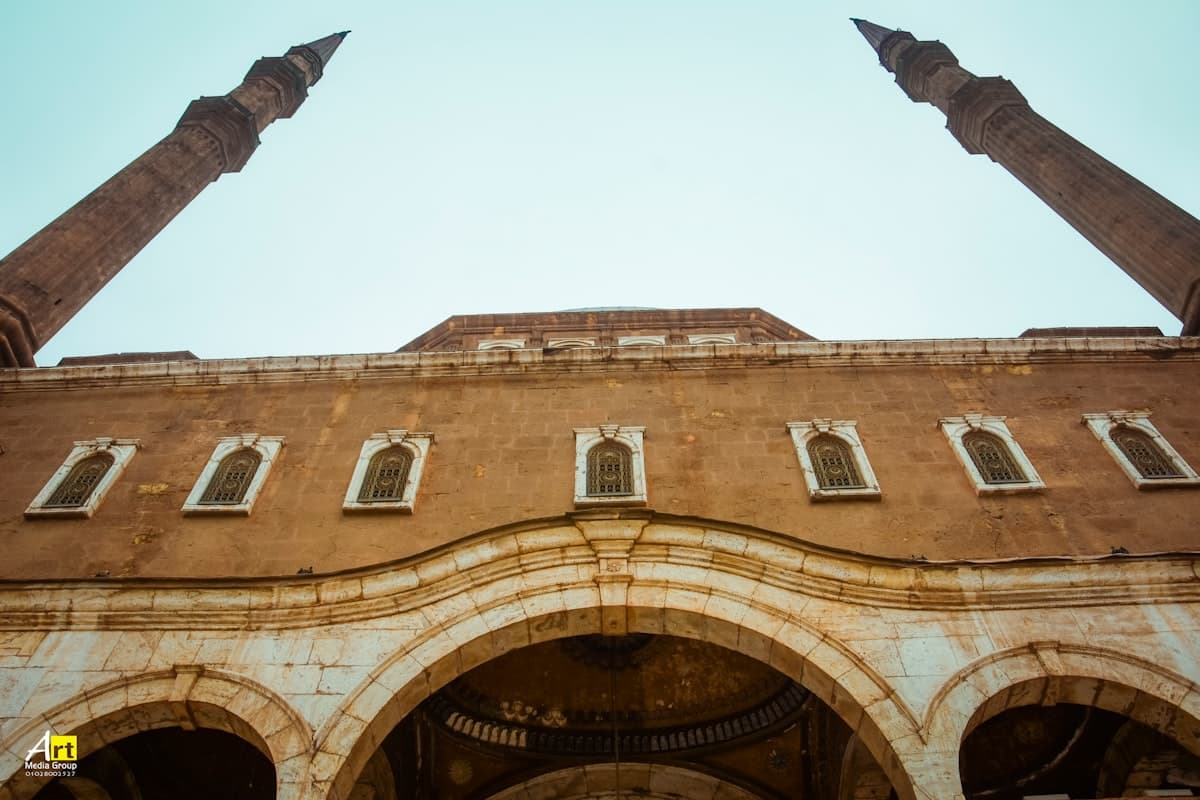
The mosque that bears his name, which dominates the skyline of Islamic Cairo and appears on more postcards than any other Egyptian structure outside Giza, was begun in 1830 and completed after his death, in 1857. It was designed by a Greek architect named Yusuf Boshna and modeled explicitly on the great Ottoman mosques of Istanbul, particularly the Sultan Ahmed Mosque. Mohamed Ali wanted something that announced Egypt had rejoined the world of major powers. What he built was, architecturally, a Turkish building on an Egyptian citadel on a limestone ridge that had been quarried for the Pyramids. The layers go deep here.
The Albanian history Egypt Mohamed Ali guide that most tours deliver reduces him to a modernizer who built canals and sent students to Paris. This undersells and oversimplifies a man whose decisions still shape Egypt's political geography, agricultural system, and relationship with Europe.
---
What You Will Actually See: The Mosque Interior
The courtyard stops most visitors. The alabaster cladding on the outer walls, quarried from Beni Suef in Upper Egypt, covers almost every surface and gives the mosque its pale, almost translucent quality in the morning light. It is extraordinary, and the photographs you have seen do not capture the scale. The courtyard clock tower, a gift from King Louis-Philippe of France in 1845, has never worked properly and is still not functioning. In exchange, Mohamed Ali sent France the obelisk that now stands in the Place de la Concorde in Paris, which he considered a fair trade for a piece of useless ornamentation he did not want.
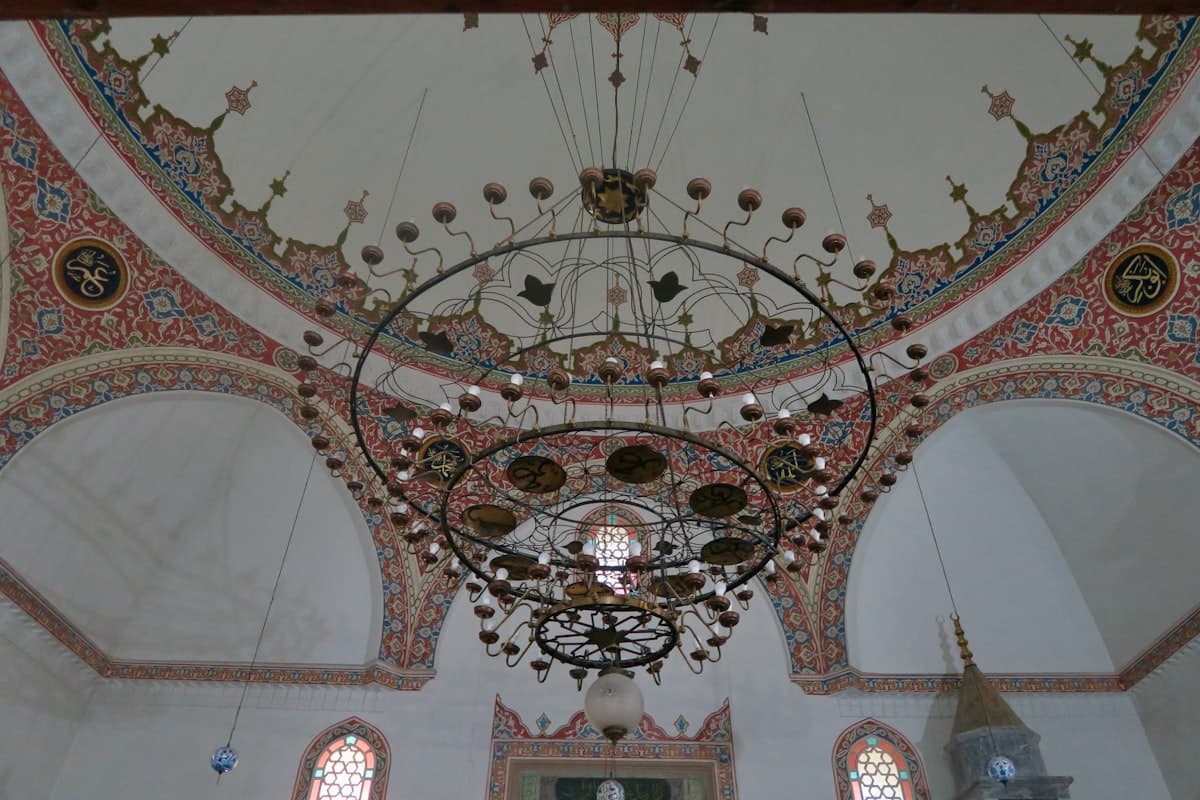
Inside, the central dome rises 52 meters. The interior is hung with hundreds of glass globes, originally oil lamps, now electrified. The effect is more Istanbul than Cairo, which was the point. Ottoman mosques of the Sinan school, the tradition Mohamed Ali was consciously referencing, use a cascading dome system where the central dome is reinforced by semi-domes and flanking spaces. If you have been to the Suleymaniye or Sultanahmet mosques, you will recognize the logic immediately.
At the far end of the interior, behind a decorative grille, is Mohamed Ali's tomb. It is made of white Carrara marble, imported from Italy, and it is where his remains were brought after he died in Alexandria in 1849 and after his body spent years in a Cairo palace before this space was ready. He is the only major figure of his dynasty buried in the mosque rather than in the dedicated royal tombs in the Imam al-Shafi'i cemetery.
The Terrace: What Everyone Walks Past
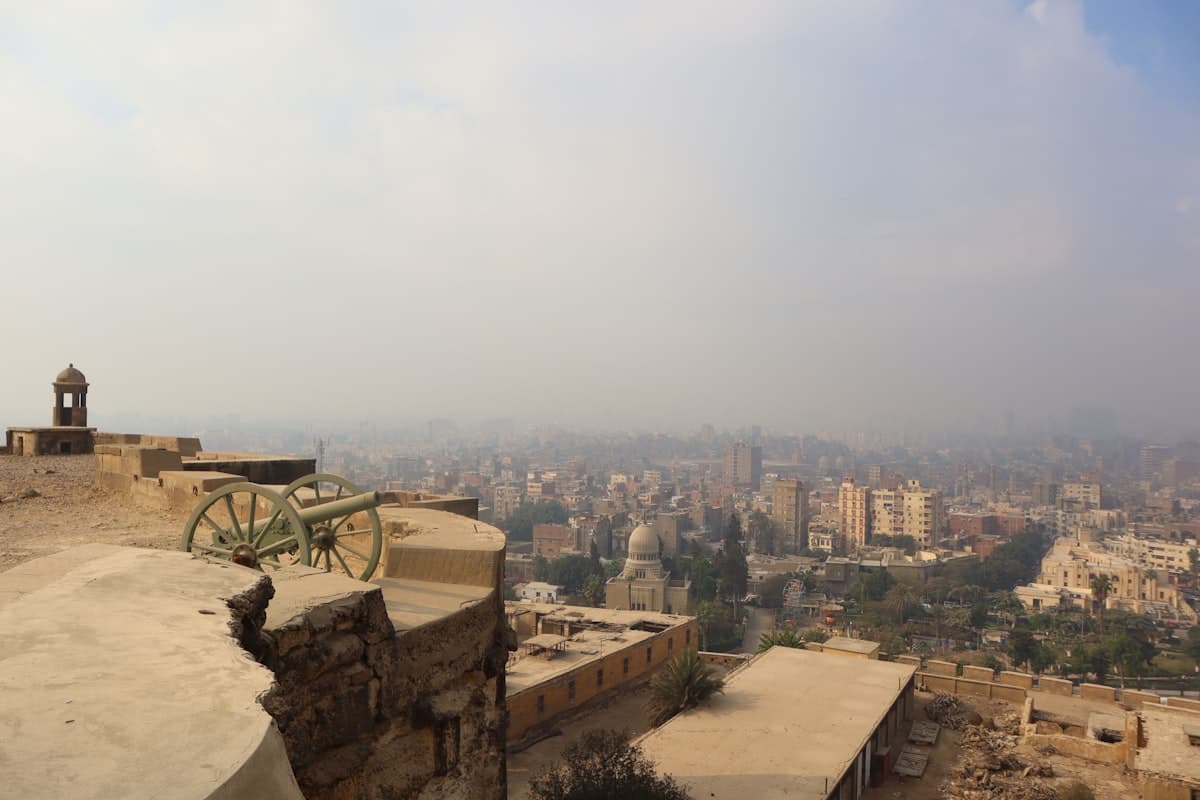
Most visitors spend their time in the courtyard and interior, then leave. The terrace on the north side of the mosque, overlooking the whole of Cairo, is often ignored or treated as a photo stop. It should not be. Standing there, you can see the full logic of why Saladin chose this ridge for his citadel in 1176. The Muqattam Hills behind you, the Nile ahead, the Pyramids visible on clear mornings to the southwest, and the entire medieval city of Islamic Cairo laid out below. The minarets you see from up here, the Ibn Tulun mosque, the Sultan Hassan complex directly below the Citadel walls, the forest of Fatimid and Mamluk domes in the direction of the City of the Dead, represent twelve continuous centuries of urban Islamic architecture. Almost nowhere else on earth can you stand in one spot and see that much architectural history at once.
---
The Human Cost: Mohamed Ali's Egypt
The Albanian history Egypt Mohamed Ali guide narrative often focuses on his modernization program: the first technical schools, the introduction of long-staple cotton as a cash crop, the construction of the Delta Barrage, the reorganization of the army along European lines. These are real and consequential. Long-staple Egyptian cotton, the variety he forced farmers to cultivate in the 1820s, was so valuable that it helped finance the American South's competitiveness in the same period. When the American Civil War disrupted global cotton supply in the 1860s, Egypt briefly became the most important cotton producer on earth, a position created entirely by Mohamed Ali's coercive agricultural policies four decades earlier.
But the coercion is the part that gets minimized. The corvee labor system he imposed, in which peasant farmers were compelled to work on state projects without pay, was applied to canal construction at a scale not seen since the Pharaonic period. Tens of thousands of workers died during the excavation of the Mahmoudiyya Canal in 1819, which connected Alexandria to the Nile. The canal still exists and still functions. You can see it if you visit Alexandria. It is a piece of infrastructure built on a foundation of mass death that no commemorative plaque acknowledges.
His elimination of the Mamluks in 1811 is similarly cleaned up in most accounts. The Citadel itself was the site of the massacre: he invited the Mamluk leadership to a celebration, locked the gates, and had them killed. Estimates of those who died that day range from 470 to 700. It ended a military caste that had ruled or dominated Egypt for five centuries. The corridor through which the Mamluks attempted to escape, now called the Well of Joseph but predating Mohamed Ali by centuries, can still be walked. Your ticket includes it.
---
The Connections: Saladin, the Mamluks, and the Ottoman World
The Citadel was founded by Salah ad-Din, known in the West as Saladin, in 1176. He chose the site partly for its defensive elevation and partly because it sat above the Pharaonic and Roman city, above the canal systems of ancient Memphis's successor settlements. The limestone used to construct his initial fortifications was quarried from the Pyramid plateau at Giza. The small pyramids near Menkaure's complex show visible quarrying marks from this period. Saladin's builders were, in effect, dismantling one monument to build another.
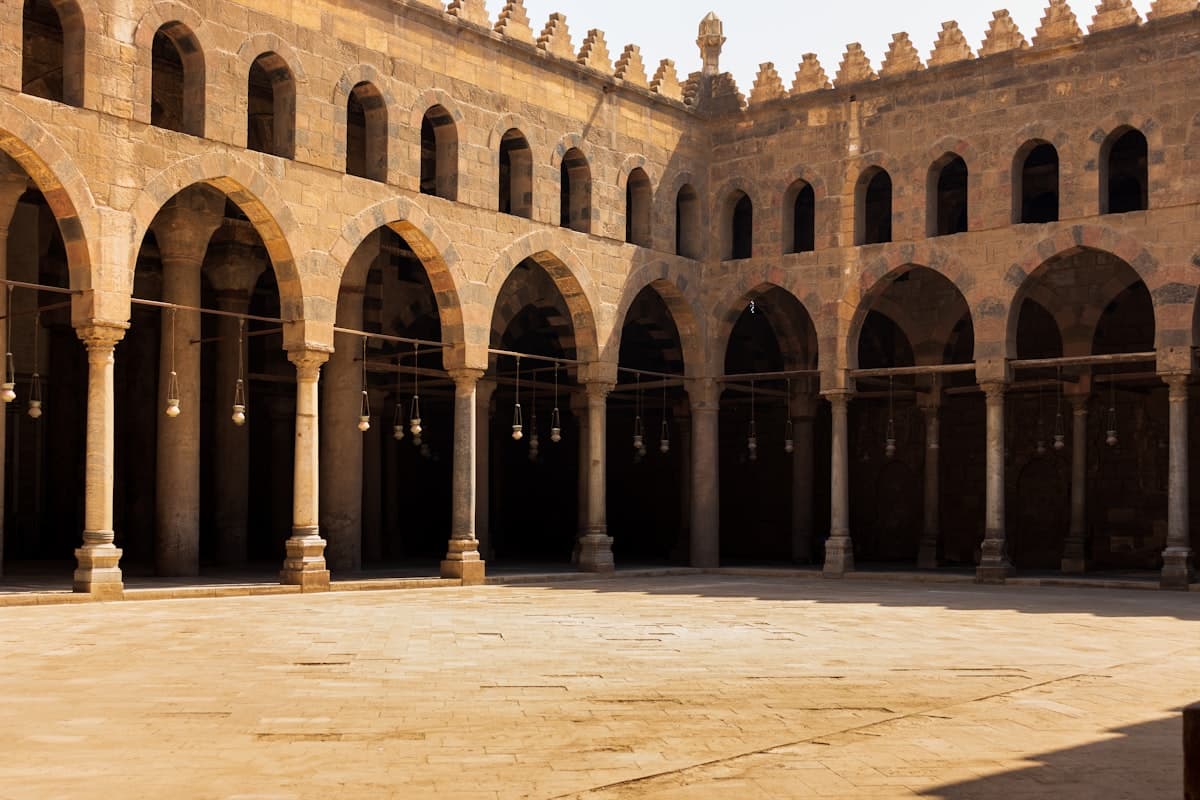
The Mamluks who inherited the Citadel after Saladin's dynasty expanded and rebuilt it over two centuries. The Al-Nasir Muhammad Mosque, inside the Citadel walls and included in your ticket, was built by a sultan who was technically a slave-soldier of Circassian origin and who ruled Egypt three separate times between 1293 and 1341. His mosque is architecturally more interesting than Mohamed Ali's, uses earlier Gothic columns looted from Crusader churches in Acre, and receives a fraction of the visitors. Walk there after the main mosque.
Mohamed Ali, the Ottoman Albanian, then displaced the Mamluks from this space and built his Turkish-styled mosque over the remains of a Mamluk palace that had stood on that spot for four hundred years. The building below your feet is never just one thing.
---
Common Mistakes
Buying the ticket at the Bab al-Azab entrance. This gate is not currently the main visitor entrance. Go to the Bab al-Gadid entrance on the northern approach. Drivers and some maps still direct people to the wrong gate, which means a long uphill walk with no shade.
Coming between 10am and 1pm on any weekend. The Citadel is one of the primary day-trip destinations for both foreign tourists and Egyptian families. The courtyard becomes genuinely difficult to move through. Friday mornings before 9am or weekday afternoons are the sensible alternatives.
Paying for a guide inside the complex without negotiating first. Unofficial guides approach visitors at the gate. Some are knowledgeable; most recite the same script about Mohamed Ali modernizing Egypt and the view being beautiful. If you want a guide, book one through your hotel or a reputable agency in advance at a fixed rate. Agree on the price before you move anywhere.
Skipping the Al-Nasir Muhammad Mosque. Your ticket includes it. It is 100 meters from the Mohamed Ali Mosque. The Gothic columns from Acre, installed by a Mamluk sultan in the fourteenth century, are one of the genuinely strange and underexplained things in Islamic Cairo, and almost no casual visitor knows they are there.
Doing the sound and light show. It costs EGP 400 and runs from the Sultan Hassan esplanade below the Citadel. It tells you less about Mohamed Ali, Saladin, or the Mamluks than you will learn from spending forty minutes with this article. The projection technology is outdated, the narration is generic, and the chairs are uncomfortable. Use the evening instead to walk Darb al-Ahmar, the medieval street that runs along the Citadel's eastern wall, where the restoration work done by the Aga Khan Trust for Culture over the past two decades has returned an entire neighborhood to something approaching its historical texture.
Expecting the mosque to smell like old stone. It smells like crowds and cleaning fluid. The incense experience, if that is what you are after, belongs to the Coptic churches of Old Cairo or the smaller Sufi-associated mosques in the medieval city. This is a major tourist monument and it functions like one.
---
Practical Tips
Dress conservatively. Shoulders and knees covered for everyone. Free robes are available at the entrance for those who need them, but they are synthetic and uncomfortable in any weather above 20 degrees Celsius. Bring your own lightweight layer.
Shoes come off inside the mosque. The floor is carpeted and clean, but socks are advisable if you are visiting multiple sites in a day.
Water is available from vendors inside the Citadel at EGP 15 to 20 per bottle. Bring your own at half the price from any kiosk on the approach road.
Photography is permitted throughout, including inside the mosque. Tripods require a separate permit and are rarely worth the negotiation.
If you are combining the Citadel with the Sultan Hassan and Al-Rifa'i mosques directly below its walls, budget a full morning. The Sultan Hassan mosque, built between 1356 and 1363, is one of the most spatially powerful buildings in Egypt and requires its own time. The Al-Rifa'i mosque next to it contains the tombs of the last Egyptian royal family, including King Farouk, and also the tomb of the last Shah of Iran, Mohammad Reza Pahlavi, who died in Cairo in 1980 while in exile. That last fact, a deposed Iranian monarch buried in a royal mosque in Islamic Cairo, is the kind of detail that makes Egyptian history feel less like antiquity and more like yesterday.
Frequently Asked Questions
The Weekly Dispatch
More on Egypt, every Friday.
Cultural depth and places most guides never mention.
No spam. Unsubscribe anytime.