Egypt Travel Budget Guide: How to See It All for Less
Egypt is one of the most price-stratified countries on earth. Egyptians pay EGP 30 to enter Karnak. You will pay EGP 450. Here is how to close that gap.

Quick Facts
- Best time to visit
- October to February. Upper Egypt temperatures drop to a manageable 18 to 28 degrees Celsius. Avoid July and August in Luxor and Aswan where temperatures regularly exceed 42 degrees.
- Entrance fee
- Varies by site. Great Pyramid exterior EGP 460 ($9 USD), interior extra EGP 900. Karnak EGP 450 ($9 USD). Valley of the Kings EGP 560 ($11 USD) for 3 tombs. Student discount (ISIC card): 50 percent off.
- Opening hours
- Most sites daily 6am to 5pm (winter) and 6am to 6pm (summer). Egyptian Museum Cairo open until 9pm. Hours adjust during Ramadan.
- How to get there
- Cairo: Metro EGP 10 per ride, Uber EGP 50 to 150 intracity. Cairo to Luxor: sleeper train EGP 800 to 1,200, flight EGP 1,500 to 4,000. Luxor local ferry EGP 5, tuk-tuk EGP 20 to 50.
- Time needed
- Minimum 10 days for Cairo, Luxor, and Aswan. Add 2 to 3 days for Alexandria or a felucca trip between Aswan and Kom Ombo.
- Cost range
- Budget EGP 700 to 1,200 per day ($14 to $24 USD). Mid-range EGP 2,500 to 5,000 per day ($50 to $100 USD). Comfortable EGP 6,000 to 10,000 per day ($120 to $200 USD).
The Egyptian pound lost 50 percent of its value against the dollar between 2022 and 2023. For foreign visitors, this created one of the most favorable travel cost environments in the Middle East. For Egyptian families trying to visit their own monuments, it created something closer to a crisis. Understanding both sides of this equation is the first honest step in any Egypt travel budget guide.
You can spend $15 a day in Egypt if you are disciplined and comfortable with local transport and street food. You can spend $500 a day if you want a Nile cruise cabin with a butler, private Egyptologist guides, and a hot air balloon over Luxor at dawn. Most travelers land somewhere between $40 and $120. The question is not how much you spend. The question is what you get for each pound, and whether the expensive version is actually better.
The answer, surprisingly often, is no.
Quick Facts
Best time to visit: October through February. Temperatures in Upper Egypt (Luxor, Aswan) are survivable, ranging from 18 to 28 degrees Celsius. Cairo is pleasant year-round but significantly more humid in summer. Avoid Ramadan if you want consistent restaurant hours; embrace it if you want to experience Egypt as Egyptians do.
Entrance fees (selected major sites): Great Pyramid of Giza: EGP 460 (approx $9 USD) exterior; interior EGP 900 extra (approx $18 USD) Karnak Temple: EGP 450 (approx $9 USD) Valley of the Kings: EGP 560 (approx $11 USD) for three tombs; Tutankhamun's tomb costs EGP 600 extra Egyptian Museum Cairo: EGP 400 (approx $8 USD); Royal Mummies Hall additional EGP 500 Abu Simbel: EGP 540 (approx $11 USD) Student discounts (with ISIC card): 50 percent off almost everything
Opening hours: Most major sites open daily from 6am to 5pm in winter and 6am to 6pm in summer. The Egyptian Museum closes at 9pm. Hours shift during Ramadan.
How to get there: Cairo to Luxor: Egyptian Railways sleeper train, EGP 800 to 1,200 (approx $16 to $24 USD) in a private cabin, one of the great rail journeys in Africa Cairo to Alexandria: Train from Ramses station, EGP 100 to 250 (approx $2 to $5 USD) Internal flights (Cairo to Luxor or Aswan): EGP 1,500 to 4,000 depending on airline and timing Microbus across Cairo: EGP 5 to 15 flat, once you know the routes
Time needed: Minimum 10 days to do Cairo, Luxor, and Aswan justice without feeling like you are ticking boxes.
Cost range: Budget EGP 700 to 1,200 per day ($14 to $24 USD). Mid-range EGP 2,500 to 5,000 per day ($50 to $100 USD). Comfortable without excess: EGP 6,000 to 10,000 per day ($120 to $200 USD).
Why Egypt's Pricing Works the Way It Does
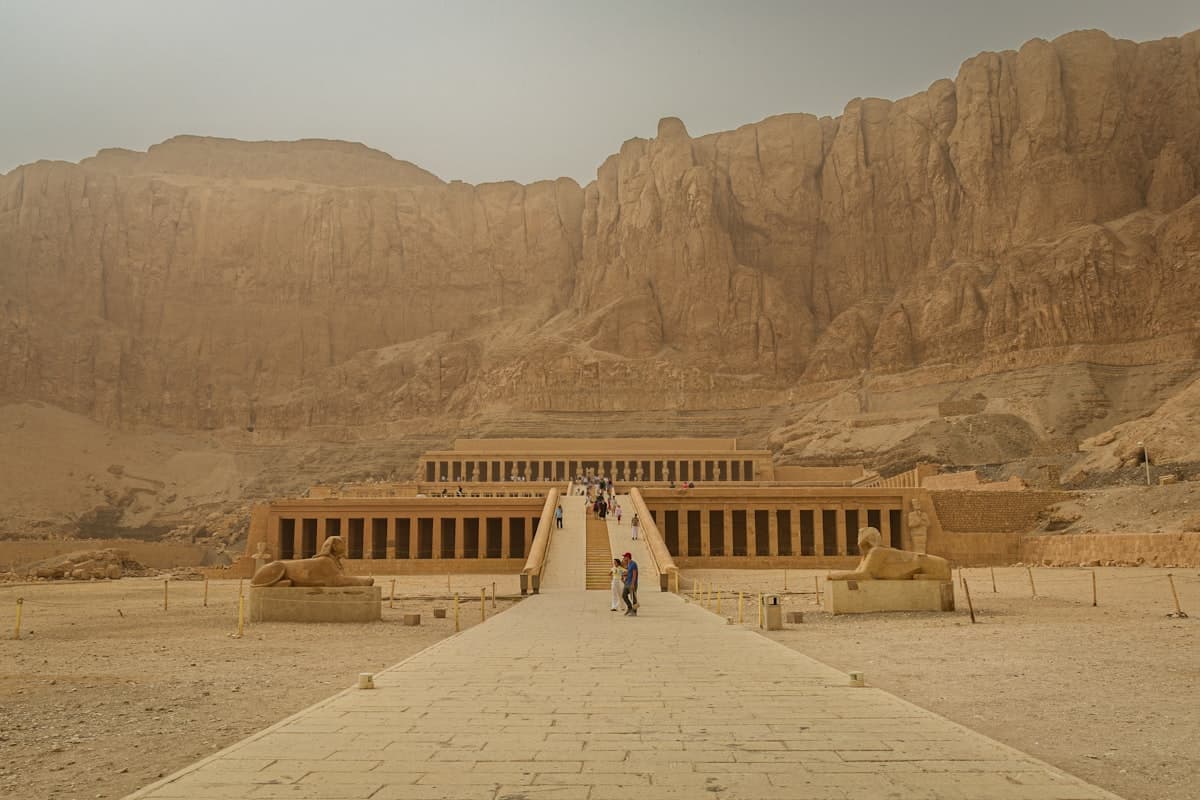
Egypt operates a dual-pricing system at its archaeological sites, though it is rarely labeled as such. The Ministry of Tourism sets entrance fees in Egyptian pounds, and those fees are adjusted periodically, but they have not kept pace with inflation in a way that makes the monuments accessible to ordinary Egyptians. A family of four visiting Karnak pays EGP 1,800 total, roughly equivalent to three days of minimum wage labor. A family of four from Germany pays the same EGP 1,800, which currently equals about $36.
This is not accidental. Egypt earns approximately $13 billion annually from tourism, making it one of the country's largest foreign currency sources. Pricing in pounds while the pound weakens against the dollar effectively makes Egypt cheaper for dollar and euro holders every time the exchange rate shifts. The practical consequence for budget travelers is significant: Egypt has rarely been more affordable in relative terms.
The Supreme Council of Antiquities manages roughly 1,000 registered sites across the country, of which perhaps 150 are open to visitors in any consistent way. The rest are in various states of excavation, conservation, or bureaucratic limbo. Many of the lesser-known sites charge no admission at all, either because the ticketing infrastructure has not been built or because nobody has decided to charge yet. This is useful information for travelers constructing a serious Egypt travel budget guide.
Where Your Money Goes, and Where It Should Not
Accommodation: The Price Spread Is Enormous
Cairo has dormitory beds for EGP 250 per night ($5) in Zamalek and private rooms in genuinely good boutique hotels in Islamic Cairo for EGP 1,800 to 3,500 ($36 to $70). The mid-tier international chain hotels are the worst value: EGP 4,000 to 7,000 for a room that could be in any airport corridor in the world, with none of the personality of the small Cairene guesthouses that put you within walking distance of Khan el-Khalili.
In Luxor, staying on the East Bank near the temple is convenient and overpriced. Crossing to the West Bank, where the Valley of the Kings actually is, and staying in a small guesthouse run by a family from the village of Gurna will cost you EGP 500 to 900 per night for a clean private room with breakfast. You will also wake up fifteen minutes from the necropolis instead of forty-five, which matters at 5:30am when the light is doing something that cannot be explained, only seen.
Aswan has a structural accommodation problem: its best budget options are the floating hotels on old Nile boats that have seen better decades. They are charming in principle and variable in practice. Budget EGP 600 to 1,200 for anything with reliable hot water.
Food: The Gap Between Tourist Restaurants and Egyptian Food
Koshary is Egypt's national dish and its perfect budget meal: lentils, pasta, rice, fried onions, and two sauces, all assembled in front of you at a price that has not meaningfully exceeded EGP 30 to 50 ($0.60 to $1) at street-level shops in a decade. El-Tahrir Koshary in Cairo charges EGP 35 for a large bowl that will make you question every overpriced plate of food you have ever eaten.
Ful medames, the slow-cooked fava bean dish, has been breakfast in Egypt since Pharaonic times. Archaeologists found dried fava beans in New Kingdom tombs. Eating a EGP 15 ful sandwich from a cart in downtown Cairo is not just a budget decision. It is a thread connecting you to four thousand years of continuous food culture.
The tourist trap: any restaurant with a menu in five languages and photographs of the dishes. You will pay EGP 250 for a chicken dish that a restaurant two streets away serves for EGP 80. The photographs are always slightly worse than the food looks in them.
Transport: Get It Right and Save Hundreds
The overnight train from Cairo to Luxor on Egyptian National Railways costs EGP 800 to 1,200 for a private two-berth sleeper cabin. A private one-way flight on EgyptAir costs EGP 1,500 to 4,000. The train takes ten to twelve hours and departs in the early evening, arriving at dawn. You sleep through the transit and wake up in Luxor. This is not a compromise. For many travelers, it is the best night of the trip.
Within cities, the Cairo Metro covers significant ground for EGP 10 per ride. Microbuses follow fixed routes for EGP 5 to 15. Tuk-tuks in Luxor and Aswan cost EGP 20 to 50 for short rides and should be negotiated before you get in. Uber operates in Cairo and is significantly more reliable than hailing a taxi, with fares running EGP 50 to 150 for most intracity trips.
The Nile felucca between Aswan and Kom Ombo, a traditional sailing boat trip taking one to two days, costs EGP 600 to 1,200 per person including basic meals when arranged directly with the felucca captains at the Aswan corniche. Tour operators in hotel lobbies charge three to four times this for the same boat.
The Connections: How Budget Shapes What You Actually Experience
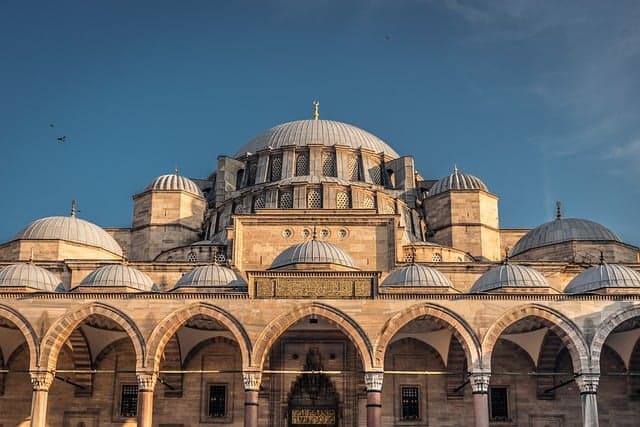
There is a version of Egypt you see from an air-conditioned bus moving between ticketed sites with a certified Egyptologist delivering facts through a microphone. It is accurate and efficient and teaches you a great deal. It will not introduce you to the Coptic priest at the Monastery of Saint Anthony in the Eastern Desert who will explain that his community has maintained continuous Christian worship at this site since 356 AD, making it one of the oldest active monasteries on earth. The monastery charges no entrance fee. Getting there requires a car or a negotiated microbus from Zafarana, costing perhaps EGP 400 to 600 for a private hire.
Budget travel in Egypt is often, paradoxically, the more layered experience. When you take the local ferry across the Nile at Luxor rather than the tourist boat, you are sharing a vessel with schoolchildren, women carrying groceries, and workers heading to sites. The ferry costs EGP 5. The tourist boat costs EGP 50. They cross the same river.
Islamic Cairo, the medieval city built by Fatimid caliphs starting in 969 AD, charges no general admission. You walk through it. The street called Al-Muizz li-Din Allah contains the highest concentration of medieval Islamic architecture on earth. The street is open. The mosques ask for a small donation of EGP 20 to 50. The Mamluk complex of Sultan al-Ghuri, built between 1504 and 1505, is technically a government cultural center now and hosts free Sufi whirling ceremonies on some Wednesday and Saturday nights.
Common Mistakes
Taking a private tour of everything. Private guides cost EGP 800 to 2,000 per half-day and vary wildly in quality. For major sites, a well-reviewed audio guide app (izi.TRAVEL has decent Egypt content, free) plus a good book read in advance will get you 80 percent of the depth at 5 percent of the cost. Save the private guide budget for one site where context matters most: the Valley of the Kings, where the iconographic programs in the tombs genuinely require explanation.
Buying entrance tickets at the gate without planning. Several premium additions, including the interior of the Great Pyramid's King's Chamber and certain tombs in the Valley of the Kings, sell a limited number of tickets daily. Arriving at 10am and hoping for the Seti I tomb at EGP 1,800 is a hope, not a plan. Go to the ticket office first, before walking to any site.
The sound and light show at Karnak. This costs EGP 350, runs for one hour, and communicates nothing you will not already know from reading one decent article. The recorded narration is overwrought. Skip it entirely. Instead, walk through Islamic Cairo at night when the medieval mosques are lit from within and the lanes empty out. That is free.
Exchanging money at airport booths. The rate is consistently 8 to 12 percent worse than what you will receive from a licensed exchange bureau (sarraf) in Cairo's downtown or Zamalek districts. Withdraw enough for a taxi into the city, then exchange properly the next morning.
Underestimating the Luxor Pass. The Luxor Pass costs $100 USD (upper Egypt sites) or $200 USD (all Egypt) and provides unlimited entry to covered sites for five days. If you are visiting the Valley of the Kings, Karnak, Luxor Temple, Medinet Habu, and the Ramesseum over three or four days, you will spend more than $100 USD in individual tickets alone. The pass pays for itself on day two for any serious visitor.
Paying in US dollars when quoted. Many vendors and some hotels will quote prices in dollars and accept dollars, but they calculate the exchange at a rate favorable to themselves. Paying in Egyptian pounds after checking the real rate on a bank app protects you every time.
Skipping Abu Simbel because of the transport cost. Abu Simbel is 280 kilometers south of Aswan. The tourist convoy (EGP 200 to 400 per person in a shared minibus) leaves at 3am and returns by lunch. The temples of Ramesses II and Nefertari were relocated 65 meters uphill between 1964 and 1968 in a UNESCO engineering operation involving 50 countries and $80 million in contributions, because the Aswan High Dam would have submerged them entirely. This fact alone should make it mandatory.
Practical Tips
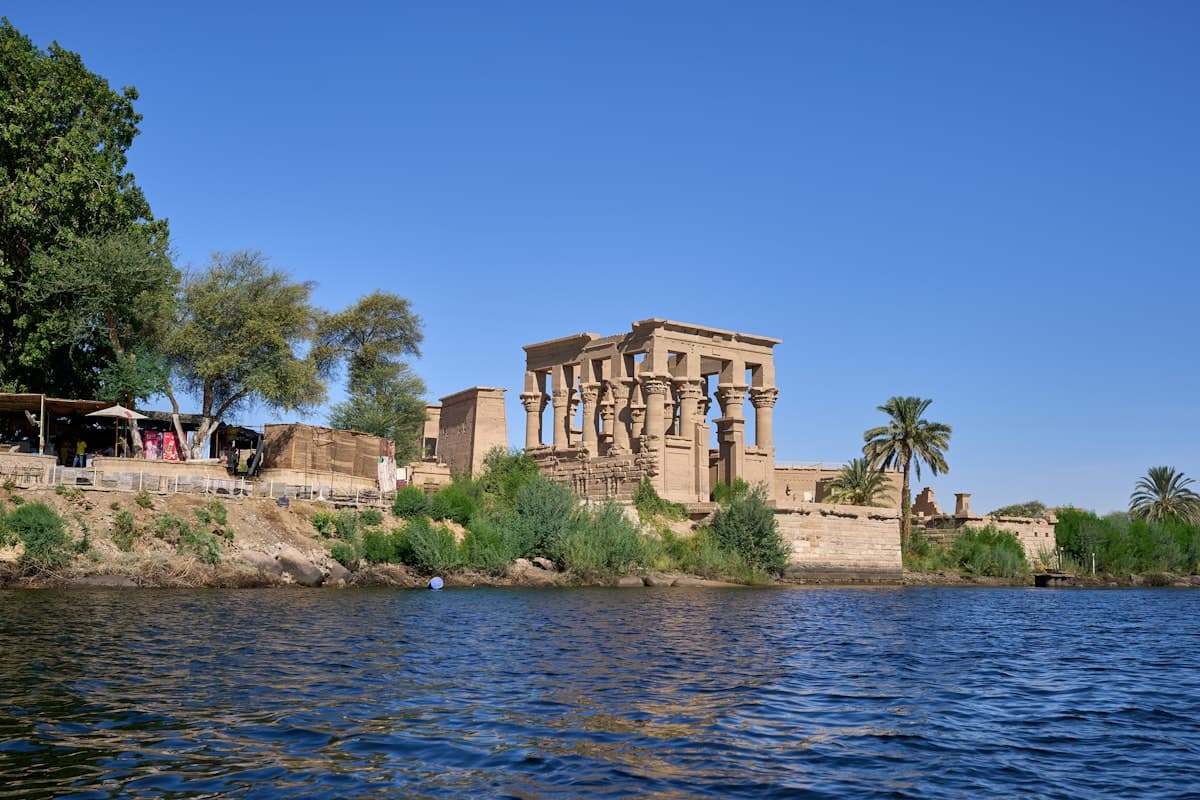
The EGP 50 banknote carries an image of Abu Simbel's facade. Carry one in your wallet. It starts conversations with Egyptians and orients you to the scale of national pride attached to the site.
Carry cash in small denominations always. Many smaller sites, all transportation options, and most street food operate in cash. The ATM network outside Cairo and Alexandria is inconsistent.
The free Wi-Fi in Egyptian cafes is genuinely good. Download offline maps of Cairo, Luxor, and Aswan before leaving your accommodation each day. The street layout in Islamic Cairo has not fundamentally changed since the Fatimid period. It is confusing precisely because it was designed for a city of foot traffic and loaded camels, not a tourist with a phone.
For a complete Egypt travel budget, plan to spend 40 percent of your budget on accommodation, 25 percent on entrance fees, 20 percent on transport, and 15 percent on food. If your food spending exceeds your transport spending, you are eating in the wrong places.
Book the overnight train from Cairo to Luxor at least one week in advance through the Egyptian National Railways website or through a reliable local agency. The sleeper carriages fill up, particularly October through February. The booking system is imperfect. Persistence and a willingness to try again the next day is occasionally required.
Frequently Asked Questions
The Weekly Dispatch
More on Egypt, every Friday.
Cultural depth and places most guides never mention.
No spam. Unsubscribe anytime.