Egypt Travel Budget Guide: What It Actually Costs to See It All
A full day in Luxor, including temple entry, lunch, and a felucca ride, costs less than a taxi from JFK to Manhattan. Here is what Egypt actually costs.

Quick Facts
- Best time to visit
- October to April. November to February is ideal: temperatures 20 to 28°C in Upper Egypt, low humidity, and the best light for photography. Avoid June to August in Luxor and Aswan where heat regularly exceeds 42°C.
- Entrance fee
- Varies by site. Grand Egyptian Museum EGP 1,000 to 1,500 (approx $20 to $30 USD). Karnak Temple EGP 450 ($9 USD). Valley of the Kings EGP 480 for three tombs ($10 USD), with premium tombs extra. Egyptian Museum Tahrir EGP 200 plus add-ons.
- Opening hours
- Most major sites open daily 6am to 5pm in winter (October to April) and 6am to 4pm in summer. The Grand Egyptian Museum is open 9am to 7pm. Confirm hours for individual sites on arrival as they shift seasonally.
- How to get there
- Cairo: direct flights from most European and Middle Eastern hubs. Internal: sleeper train Cairo to Luxor EGP 900 to 1,400, budget flights EGP 600 to 2,000. Luxor to Aswan by train EGP 80 to 250 (2 to 3 hours). Local transport within cities: metro EGP 8 per journey in Cairo, local ferry EGP 5 in Luxor.
- Time needed
- Minimum two weeks for Cairo, Luxor, and Aswan with a few days on the Red Sea. Three weeks is more comfortable and allows for Middle Egypt (Abydos, Dendera), Alexandria, and the White Desert.
- Cost range
- Budget EGP 800 to 1,200 per day ($16 to $24 USD). Mid-range EGP 2,000 to 4,500 per day ($40 to $90 USD). Comfortable EGP 6,000 to 15,000 per day ($120 to $300 USD). These figures exclude international flights.
A full day in Luxor, including entry to Karnak Temple, a plate of koshari, and an hour on the Nile in a felucca, will cost you less than EGP 600. That is roughly $12 USD. The taxi from JFK to Midtown Manhattan costs more. This is the fact that reshapes every conversation about traveling to Egypt: the country is not merely affordable in a general developing-world sense. It is affordable in a way that makes you recalculate your assumptions about what a journey through one of the world's oldest civilizations should cost.
The Egyptian pound has devalued significantly against the dollar since 2022, which is genuinely difficult for Egyptians and genuinely favorable for foreign visitors carrying hard currency. Acknowledging that tension is part of traveling honestly here. You benefit from an economic condition that has made basics, from bread to bus tickets to museum entry, expensive for locals in relative terms. Spend accordingly. Tip generously. Eat in local restaurants. The money lands where it should.
This Egypt travel budget guide is not a list of hacks for spending as little as possible. It is an honest account of what things cost, what is worth the price, and what is overpriced by any standard.
---
Quick Facts
Best time to visit: October through April. Summer temperatures in Luxor and Aswan regularly exceed 42°C (108°F), which is not romantic or atmospheric. It is dangerous. The sweet spot is November to February, when daytime temperatures in Upper Egypt sit around 25°C and the light in the early morning is unlike anything else on earth.
Average daily costs: Budget traveler: EGP 800 to 1,200 per day (approx $16 to $24 USD), staying in hostels and eating local Mid-range traveler: EGP 2,000 to 4,500 per day (approx $40 to $90 USD), private rooms and some guided tours Comfortable traveler: EGP 6,000 to 15,000 per day (approx $120 to $300 USD), boutique hotels, private guides, Nile cruises
Visas: Most nationalities pay $25 USD for a visa on arrival at Cairo International Airport. Egyptian e-visas cost the same and save you the queue. Do the e-visa.
Transport between cities: Cairo to Luxor by sleeper train costs EGP 900 to 1,400 (approx $18 to $28 USD) per person in a private two-berth cabin. Cairo to Luxor by budget flight can cost as little as EGP 600 one way with Air Cairo on sale, though EGP 1,200 to 2,000 is more typical.
Currency: Egyptian pounds only for most things. ATMs are widely available in Cairo, Luxor, and Aswan. Carry cash in smaller denominations for baksheesh, market purchases, and anything outside the tourist circuit.
Time needed for the country: Three weeks covers Cairo, Middle Egypt, Luxor, Aswan, and a few days on the Red Sea without feeling rushed. Two weeks is possible but means skipping things you will regret skipping.
---
Why Egypt Is Cheaper Than It Looks on a Map
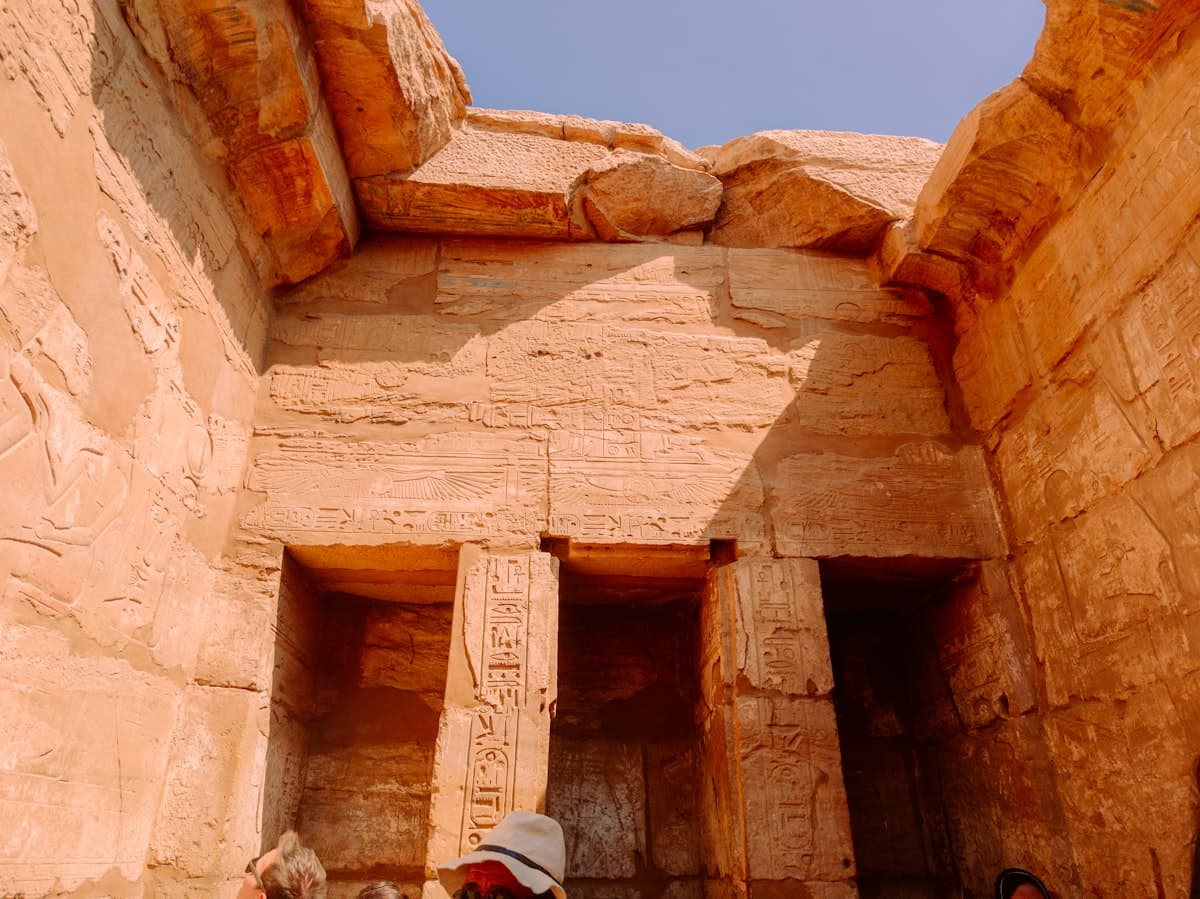
Egypt's tourism infrastructure was built for volume, and the volume collapsed twice: after 2011 and again during the global pandemic. The industry rebuilt both times, but the pricing structure that survived reflects a country that has always needed to fill beds. A three-star hotel in Luxor that would cost $150 a night in Istanbul or Istanbul often runs EGP 900 to 1,500 per night here, which is $18 to $30 USD.
But the deeper reason Egypt is affordable is structural. The country subsidizes staple foods, which keeps the cost of eating local extraordinarily low. A bowl of ful medames, the fava bean stew that has been eaten along the Nile for at least 4,000 years (ful appears in tomb offerings at Saqqara), costs EGP 10 to 20 at a street stall. A plate of koshari, the layered rice, lentil, and pasta dish that became Cairo's street food signature after waves of Italian and Greek immigration in the 19th century, runs EGP 25 to 50 at a dedicated koshari shop. You can eat extraordinarily well in Egypt for EGP 150 to 250 per day if you eat where Egyptians eat.
The places that are not cheap are the places specifically designed for foreigners: hotel restaurants, Nile cruise dinner shows, organized desert excursions with English-speaking guides, and the entrance fees at major archaeological sites, which the Egyptian government raised substantially in 2023 to help fund ongoing excavations and conservation.
---
Where the Money Goes: Cairo
Cairo is the entry point for most travelers and the city that most consistently exceeds expectations and budget estimates simultaneously. The Egyptian Museum in Tahrir Square charges EGP 200 for general admission (approx $4 USD), but the Royal Mummies Hall is an additional EGP 300 ($6 USD) and the Tutankhamun galleries are a separate ticket again at EGP 200. Seeing the museum properly costs around EGP 700 per person. That is still less than $15 USD, but budget travelers who plan on EGP 200 and then encounter the mummies pricing at the door leave frustrated.
The Grand Egyptian Museum, which opened to full visitors in 2023, costs EGP 1,000 for general admission (approx $20 USD) and up to EGP 1,500 with the royal mummies hall. It is worth every pound. The GEM houses over 100,000 artifacts, and the full Tutankhamun collection, all 5,000 objects from his tomb, is displayed together for the first time since Howard Carter excavated it between 1922 and 1932. No other museum in the world has this.
For accommodation in Cairo, Zamalek on Gezira Island gives you a quieter neighborhood with walkable restaurants and easy metro access for EGP 800 to 1,200 per night in a decent guesthouse. Downtown Cairo near Talaat Harb Square has more budget options from EGP 400 to 700 per night, many in buildings that are themselves architectural artifacts from the city's Belle Époque period, when Cairo's population doubled under Khedive Ismail's Haussmann-inspired urban redesign of the 1860s.
The Cairo metro is one of the genuinely underused traveler assets in Egypt. A single metro journey costs EGP 8 (less than $0.20 USD) and connects Helwan in the south to the airport road in the northeast. The Line 3 extension now reaches the Giza plateau area. Ride it. The alternative is negotiating Uber or taxi fares in traffic that can add an hour to any journey.
---
Where the Money Goes: Luxor and Upper Egypt
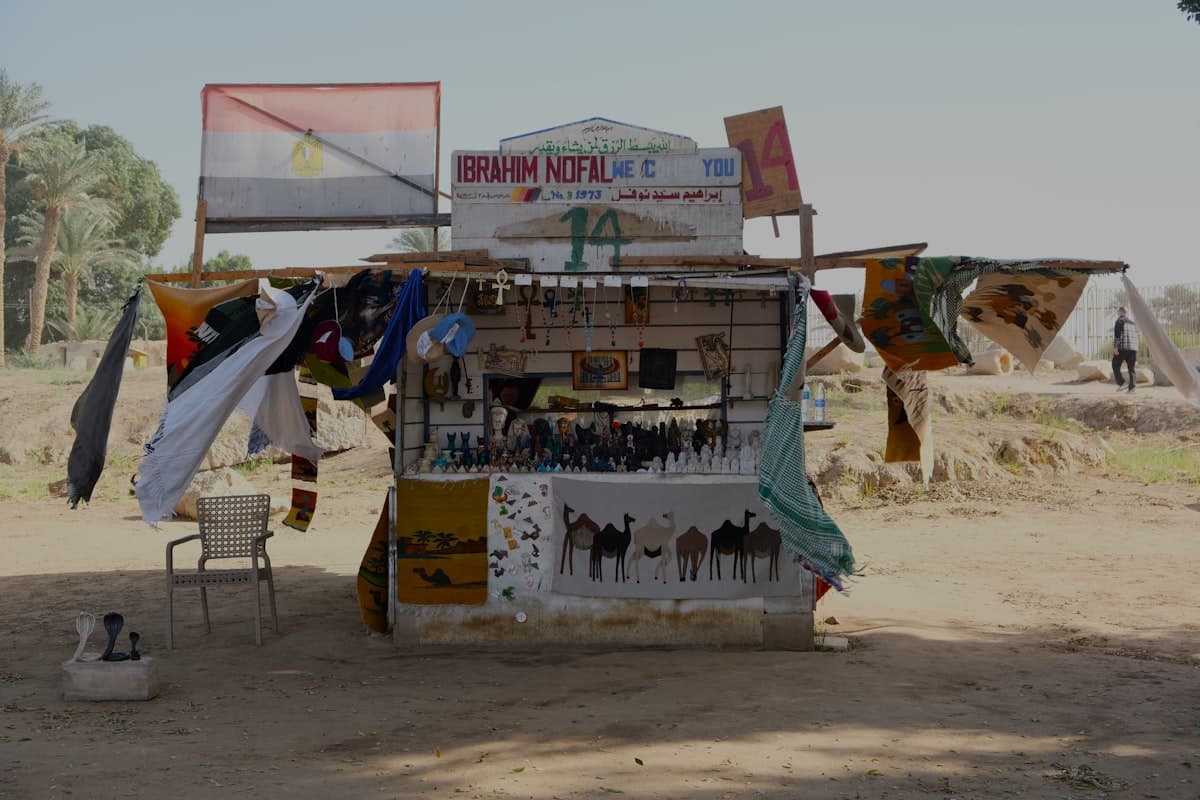
Luxor is where the Egypt travel budget guide gets complicated, because the site entry fees here are real and cumulative. Karnak Temple costs EGP 450 (approx $9 USD). The Valley of the Kings costs EGP 480 for three tombs, with major tombs like Seti I (tomb KV17, discovered by Giovanni Belzoni in 1817 and containing the finest painted relief work in all of Egyptian archaeology) costing an additional EGP 1,500 to enter. Luxor Temple is EGP 400. Hatshepsut's Temple at Deir el-Bahri is EGP 450.
A full day covering both banks of Luxor, including Karnak, the Valley of the Kings, and Hatshepsut's Temple, will cost EGP 1,400 to 1,600 in entry fees alone, which is $28 to $32 USD. Add the ferry across the river (EGP 5 local boat or EGP 35 for the tourist motorboat), a hired bicycle or tuk-tuk on the west bank (EGP 100 to 200 for the day), water, sunscreen, and lunch, and a full Luxor day runs EGP 1,800 to 2,200 for a budget traveler. That is still less than $45 USD for a day that covers some of the most significant archaeological sites on earth.
Staying in Luxor, specifically on the west bank near the Valley of the Kings, changes the experience entirely. Waking up at 5:30am and cycling to the valley entrance before the first tour buses arrive from the east bank hotels is not a romantic suggestion. It is a practical one. The valley at 6am, when the light comes horizontal over the limestone cliffs and the air still carries the previous night's cold, is a different place than the valley at 10am with six hundred people in matching tour group hats. West bank guesthouses run EGP 500 to 900 per night for a clean double room, often with breakfast included.
---
The Nile Cruise Question
Every traveler planning a trip to Egypt eventually asks about the Nile cruise, and the honest answer is that the range of options is so wide it resists a single budget answer. At the lower end, a three-night cruise from Luxor to Aswan on a budget boat costs EGP 4,500 to 7,000 per person all-inclusive, which is $90 to $140 USD total. That includes the cabin, all meals, and guided entry to Edfu and Kom Ombo temples. At the upper end, five-night cruises on restored Edwardian steamers charge $800 to $2,000 USD per person.
The budget cruises have a problem that is worth naming directly. The boats are moored four or five deep along the Luxor and Aswan corniche, which means your window may face another boat's hull for the entire journey. The itinerary is compressed, and the guided commentary at sites is often thin. If you are choosing a Nile cruise primarily for the temples rather than the river experience itself, consider doing the route independently by land: Luxor to Edfu by microbus or taxi, Edfu to Kom Ombo, Kom Ombo to Aswan. You will see the same temples at a fraction of the cost and on your own schedule.
The alternative that few guides mention: a felucca trip. Traditional sailing boats carry four to eight passengers on two to three night journeys between Aswan and Kom Ombo, sleeping on deck under blankets with the stars overhead and the riverbank sliding past in the dark. The cost is EGP 800 to 1,200 per person per night, negotiated directly with the captain at Aswan's felucca dock. No engine, no sound and light show, no buffet. Just the Nile the way it moves when nothing is interrupting it.
---
The Connections: How Costs Reflect History
The tiered pricing structure at Egyptian sites, where foreigners pay significantly more than Egyptian nationals, has a history that connects directly to the colonial era. Egypt's archaeological sites were, for most of the 19th and early 20th centuries, managed by European institutions with European interests. The Egyptian Antiquities Organization took full control in 1952, the same year as the revolution that ended the monarchy. The pricing tiers that emerged afterward reflect a deliberate decision to keep sites accessible to Egyptians while generating revenue from wealthier foreign visitors. Whether you find this equitable or frustrating depends partly on perspective and partly on whether you have budgeted for it.
What the tiered system also reflects is something older. The Pharaonic state ran on redistributive economics: labor on monuments was compensated with food, beer, and medical care, documented in the workers' village at Deir el-Medina, the only surviving record of what the people who built the Valley of the Kings actually ate and argued about and worshipped. The Ptolemaic state taxed foreigners at different rates than Egyptian nationals. The Islamic waqf system that funded Mamluk Cairo's mosques and madrasas created a parallel economy of religious endowments that kept institutions running independent of state revenue for centuries. Egypt has always had a complex relationship between public monuments and public money. The ticket booth at Karnak is not new. It is just more visible.
---
Common Mistakes
Budgeting based on prices from five years ago. Egypt's entry fees have increased significantly in the last two years. Articles from 2020 or 2021 quoting EGP 100 for Karnak are outdated. Recalculate.
Exchanging currency at the airport. The airport exchange rates are not the worst you will find, but the ATMs inside the arrivals hall after customs charge lower fees and give bank rates. Use them instead.
Booking a Nile cruise without checking the mooring situation. Ask your operator directly which dock in Luxor and Aswan your boat uses, and whether you will be moored alongside other vessels. The view from a porthole facing a rusting hull is a specific disappointment.
Taking the tourist motorboat across to the west bank in Luxor. The local felucca crossing, which leaves from just south of Luxor Temple, costs EGP 5 per person and takes eight minutes. The tourist motorboat costs EGP 35 and goes to a different, less convenient dock. There is no benefit to the tourist boat.
Skipping the sound and light show to save money, but paying for a guided tour that covers the same information. The sound and light show at Karnak costs EGP 350 and delivers a narrated overview of the temple's history set to colored lights and dramatic music. It is not worth EGP 350. But neither is a three-hour group tour that covers the same surface-level material for EGP 800. If you are going to pay for interpretation, pay for a qualified Egyptologist who can answer specific questions and take you to the sections other guides skip. Those cost EGP 1,500 to 2,500 for a half day and are worth the price.
Eating at hotel restaurants in Luxor or Aswan. The markup is two to three times what the same dish costs two streets away. Koshary El Tahrir on any side street in any Egyptian city will feed you better and more honestly.
Not carrying small bills. The baksheesh economy is real and functions on EGP 10 and 20 notes. Temple guards who show you something you would not have found alone, the man who holds your bag while you climb, the woman who lets you see inside a room that is technically closed: these interactions are part of how Egypt works, and arriving with only EGP 500 notes makes them awkward for everyone.
---
Practical Tips
Book the sleeper train between Cairo and Luxor at least two weeks in advance through the Watania Sleeping Trains website. The trains run Sunday through Friday, depart Cairo around 7:45pm, and arrive Luxor around 7am. The private two-berth cabins are not luxurious, but they are clean, come with dinner and breakfast, and save you a night's accommodation cost while covering 675 kilometers.
For moving around within cities, Uber and Careem function reliably in Cairo, Alexandria, and increasingly in Luxor. Always confirm the destination in Arabic on the app to avoid confusion. In Luxor, the local tuk-tuks and calèches (horse carriages) do not use apps: negotiate before you ride and agree on both the destination and the price.
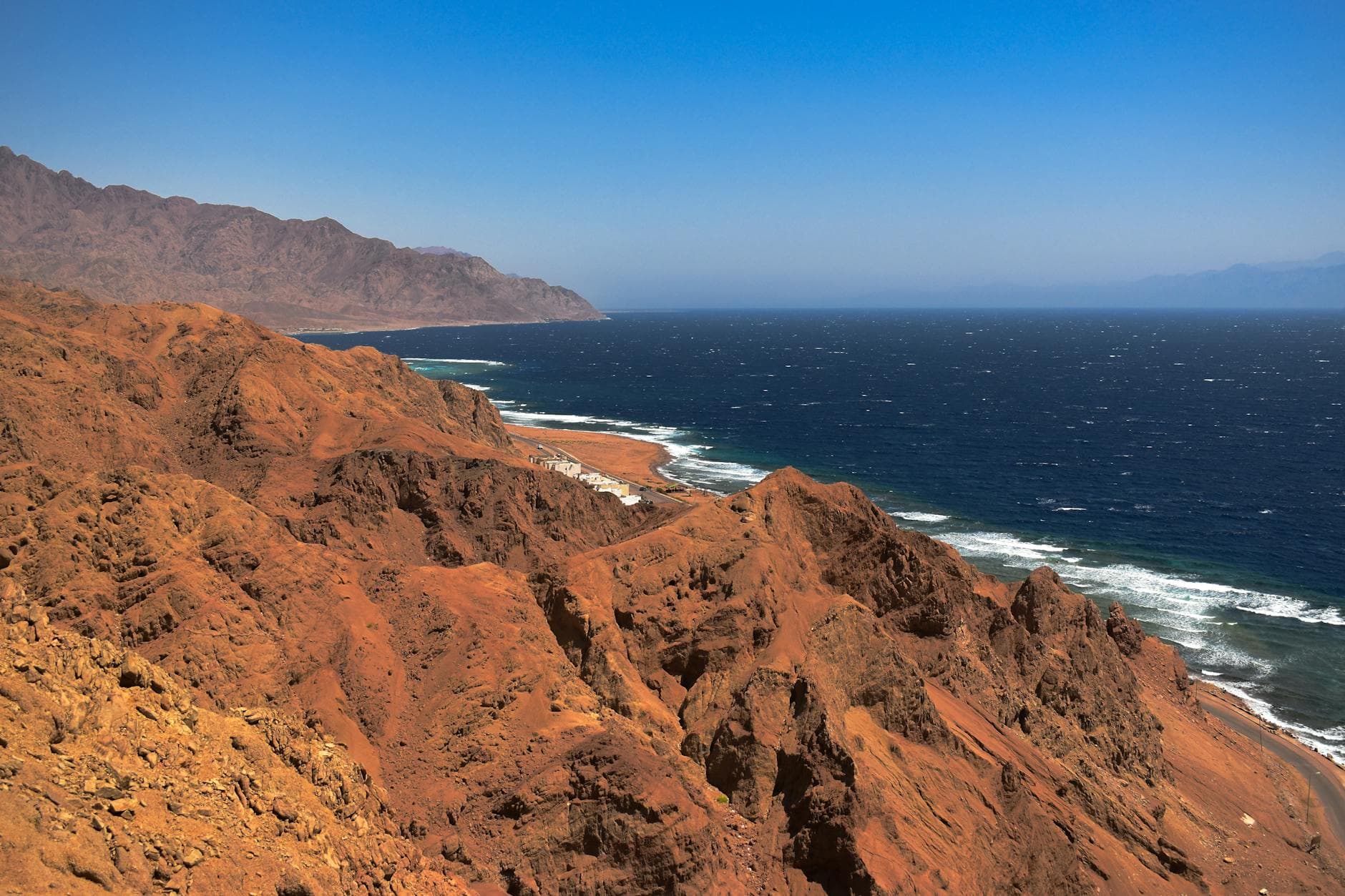
For the Red Sea coast, specifically Dahab and Nuweiba on the Sinai, budget travelers will find the most genuinely relaxed and affordable corners of Egyptian tourism. Dahab's beachfront camps cost EGP 200 to 400 per night for a hut with a mattress. The diving is world-class by any standard. The Blue Hole, a submarine sinkhole 130 meters deep and one of the most famous dive sites on earth, is a 10-minute bike ride from town.
Always carry your passport or a photo of your passport and visa stamp. Checkpoints between Upper Egyptian cities are routine, particularly between Luxor and Abydos or Dendera. They are not threatening, but the process moves faster with documentation ready.
Drink the tea. Every negotiation, every rest stop, every conversation that matters in Egypt happens over a glass of karkadeh or mint tea. Refusing it reads as impatience. Accepting it costs EGP 10 and buys you something that does not have a price in any budget guide.
Frequently Asked Questions
The Weekly Dispatch
More on Egypt, every Friday.
Cultural depth and places most guides never mention.
No spam. Unsubscribe anytime.