Mohamed Ali Pasha and the Modernization of Egypt: Cairo's Living Evidence
He executed 470 Mamluk lords at a single dinner party and used their absence to rebuild Egypt from scratch. The mosque he left behind still dominates Cairo's skyline.

Quick Facts
- Best time to visit
- October to February for comfortable temperatures on the Citadel plateau. Early morning (8am to 10am) any month for light on the alabaster exterior and smaller crowds.
- Entrance fee
- EGP 450 (approx $9 USD) for full Citadel complex including Mohamed Ali Mosque. Students with valid ID: EGP 225.
- Opening hours
- Daily 8am to 4pm (winter), 8am to 5pm (summer). Mohamed Ali Mosque restricted to tourists during Friday prayer, approximately 11:30am to 1pm.
- How to get there
- Metro Line 1 to Sayeda Zeinab (EGP 10) then microbus or tuk-tuk to Citadel (EGP 5 to 10). Taxi from Downtown: EGP 60 to 100. Uber: approximately EGP 80.
- Time needed
- 2 hours minimum for mosque and courtyard. 4 to 5 hours if combining with Al-Gawhara Palace, Sultan Hassan Mosque, and Darb al-Ahmar neighborhood.
- Cost range
- Budget EGP 600 to 900 including entry, transport, and street food. Mid-range EGP 1,500 to 2,500 with guided tour and lunch.
Quick Facts
Best time to visit: October to February, when the Citadel plateau is cool enough to walk slowly and the light on the alabaster mosque exterior turns the color of old bone.
Entrance fee: The Citadel complex costs EGP 450 (approx $9 USD). Students with valid ID pay EGP 225. The Mohamed Ali Mosque is included in that ticket, as are the Military Museum and the Carriage Museum inside the walls.
Opening hours: Daily 8am to 4pm in winter, 8am to 5pm in summer. Friday prayers happen in the mosque itself between 11:30am and 1pm. The mosque remains open but movement inside is restricted. Plan around this or plan for it.
How to get there: The cheapest approach is Metro Line 1 to Sayeda Zeinab station (EGP 10), then a microbus or tuk-tuk up through the winding streets of the Citadel approach (EGP 5 to 10). A taxi from Downtown Cairo should cost EGP 60 to 100 depending on traffic and your negotiating. Uber runs a fixed rate closer to EGP 80. Do not let anyone at the base of the hill tell you the Citadel is closed today; it is not.
Time needed: Two hours minimum for the mosque and its courtyard. A full half-day if you intend to visit the Al-Gawhara Palace museum inside the complex, which most visitors skip entirely and which contains the most intimate evidence of Mohamed Ali's actual life.
Cost range: Budget EGP 600 to 900 for entry plus transport and street food. Mid-range EGP 1,500 to 2,500 if you add lunch at a Khan El-Khalili cafe and a guide.
---
Why This Place Matters
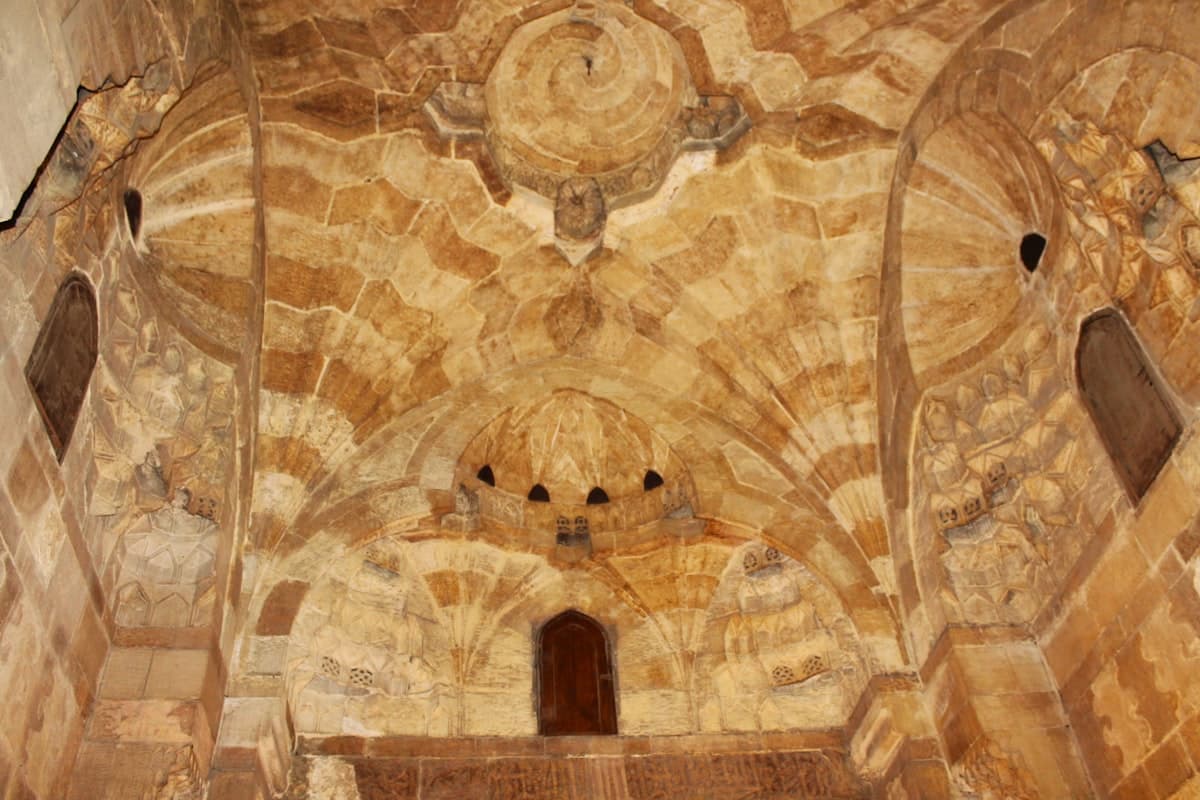
Mohamed Ali Pasha did not arrive in Egypt as a ruler. He came in 1801 as a low-ranking Albanian officer in an Ottoman army sent to evict Napoleon's forces. By 1805, through a combination of political cunning, violence, and an almost preternatural ability to read a collapsing power structure, he had maneuvered himself into the governorship of a country he had no hereditary claim to. He would hold it, and transform it, for the next forty-three years.
To understand Mohamed Ali's modernization of Egypt, you need to understand what he was modernizing from. Egypt in 1805 was governed in practice by the Mamluks, a military caste of slave soldiers who had dominated Egyptian politics for five centuries. They were not a coherent state; they were a collection of competing households, each controlling different revenue streams, each resistant to centralized authority. Napoleon had broken them militarily, but the Ottomans had not replaced them with anything functional. Mohamed Ali inherited a vacuum.
His solution to the Mamluk problem was definitive. In March 1811, he invited the leading Mamluk beys to a ceremony at this very Citadel to honor his son Tusun before a military campaign. As the procession moved through the narrow gate passage known as Bab al-Azab, Ottoman soldiers opened fire from the walls above. The recorded number of Mamluks killed that day is 470. One survivor, a bey named Amim, reportedly escaped by leaping his horse over the Citadel wall. The account is probably apocryphal. The massacre is not.
With the Mamluks gone, Mohamed Ali could do something no Egyptian ruler had managed since the Ptolemies: concentrate power, revenue, and decision-making in a single administration. What he built with that power is the subject of this guide.
---
The Mosque That Was Designed to Say Something
The Mohamed Ali Mosque, finished in 1848 and completed by his son Abbas I after his death, was not designed by an Egyptian architect. It was designed by Yusuf Bushnak, a Greek-born Ottoman architect working in the Baroque Ottoman tradition of Istanbul. This is not accidental. Mohamed Ali wanted a mosque that looked like Hagia Sophia's neighborhood, not like Cairo's. He was making a statement about parity with Constantinople.
Stand in the courtyard and look at the clock tower near the entrance. It was a gift from King Louis-Philippe of France, sent in 1845 in exchange for the obelisk Egypt gave Paris, which now stands in the Place de la Concorde. The French clock has never worked properly. It arrived damaged and has been intermittently repaired ever since. The obelisk in Paris has worked fine for 3,300 years.
The mosque's interior is covered in alabaster quarried from Beni Suef, about 120 kilometers south of Cairo, which is why the building is sometimes called the Alabaster Mosque. In strong morning light the walls absorb the sun and seem to generate their own pale luminescence. The effect is not decorative excess; it is a calculated visual argument that Egypt could produce something as refined as anything in the Ottoman imperial capital.
Mohamed Ali himself is buried inside, in a white marble tomb on the right as you enter the main prayer hall. The tomb is modest relative to the building around it, which is worth noting. He was not building a monument to himself; he was building a monument to a new Egyptian state.
---
The Factories, the Schools, and the Men Sent to Paris
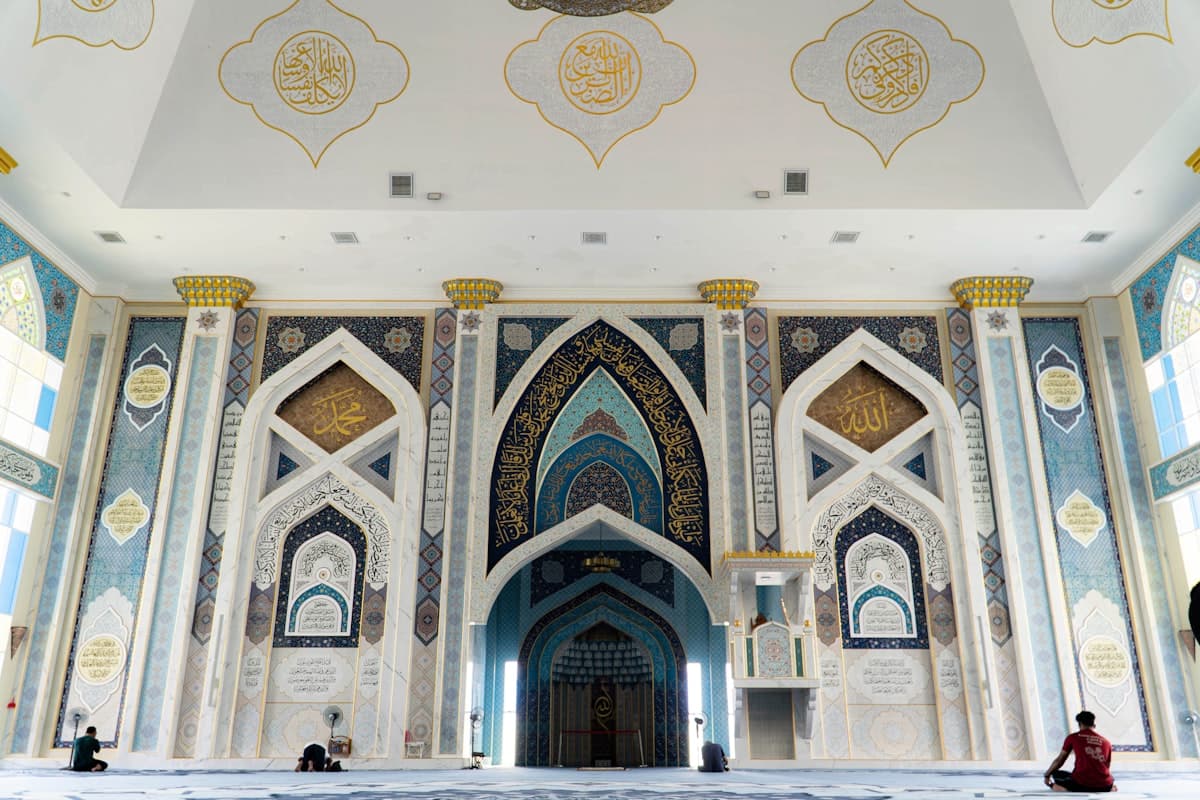
The mosque is the most visited evidence of Mohamed Ali's Egypt, but it is the least important. The transformation that matters happened in the Delta and in Paris and in Bulaq, Cairo's 19th-century industrial district along the Nile.
Between 1816 and 1840, Mohamed Ali built cotton-processing factories in the Delta that made Egypt the world's fourth-largest cotton producer by 1840. He sent 339 Egyptian students to France, Italy, and Britain between 1813 and 1847, the first systematic state educational mission in modern Egyptian history. One of those students was Rifaa al-Tahtawi, who returned from Paris to found Egypt's modern literary tradition and translate 2,000 books into Arabic, including works on mathematics, law, and French history. The School of Languages he ran in Cairo became the foundation for what is now Ain Shams University.
Mohamed Ali also built a printing press at Bulaq in 1820. By 1828 it was producing Egypt's first official gazette, Al-Waqai' Al-Masriya, which still publishes today, making it one of the oldest continuously running newspapers in the Arab world. The Bulaq district no longer has the press or the factories, swallowed by urban Cairo, but the gazette persists.
His medical reforms are particularly relevant to any visitor who holds a medical degree and never used it: he established Egypt's first modern medical school at Qasr El-Aini in 1827, brought in a French physician named Antoine Clot, and by 1836 had trained the first cohort of Egyptian women as midwives. This was not charity. Mohamed Ali had lost several military campaigns to disease, and he understood that a modern army required a modern medical system. The Qasr El-Aini hospital on the Nile Corniche today is a direct institutional descendant of what he built.
---
The Connections: Nothing Here Is Only One Thing
The Citadel itself was built by Saladin (Salah al-Din al-Ayyubi) beginning in 1176, using workers who had recently quarried limestone from the small pyramids at Giza. You can still see the dismantled casing stones of some minor Giza pyramids in the Citadel's lower walls if you know where to look. The rock beneath the Citadel is a limestone spur of the Muqattam Hills, which is the same geological formation the ancient Egyptians used for pyramid casing stone throughout the Old Kingdom.
Mohamed Ali inherited the Citadel from the Mamluks, who had expanded it from Saladin's original design. The mosque he built replaced a Mamluk mosque that had partially collapsed, which itself had replaced an earlier Fatimid structure. The hill has been the center of Egyptian executive power, in some form, since 1176. Egypt's presidential palace is now in Heliopolis and Abdin Palace in Downtown Cairo holds ceremonial functions, but the instinct to govern from high ground over the Nile floodplain is pharaonic in origin and never entirely left.
The Al-Gawhara Palace inside the Citadel complex, which Mohamed Ali used as his primary residence and which now functions as a somewhat dusty museum, contains his furniture, his portraits, and his personal effects. The portrait in the main reception hall shows a man who looks substantially less like a Napoleonic-era strongman than you expect. He was Albanian, he spoke Turkish as his first language, he never learned to read Arabic fluently, and he ruled Egypt longer than any pharaoh of the New Kingdom. This is a country that has always been governed by outsiders who became, over time, entirely Egyptian.
---
Common Mistakes
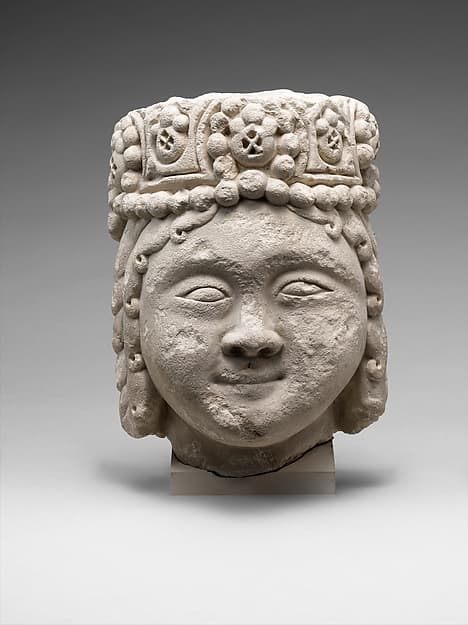
Going straight to the mosque and nothing else. The Al-Gawhara Palace museum costs nothing extra on your Citadel ticket and contains the actual furniture and personal objects of Mohamed Ali's household. It takes forty minutes and provides more intimate historical context than the mosque does. Most tour groups skip it. You should not.
Booking a tour that rushes the Citadel into a half-morning before the Egyptian Museum. This combination is sold constantly by Cairo operators. It means you spend ninety minutes at the Citadel and four hours at the Egyptian Museum, which is the wrong ratio if what you actually care about is Islamic Cairo and the 19th century.
Believing the guides who tell you Mohamed Ali was Egyptian. He was Albanian, born in Kavala in what is now northern Greece. This does not diminish his significance to Egyptian history; it reframes it. The Mohamed Ali Pasha modernizing Egypt history story is partly the story of how Egypt has perpetually absorbed its conquerors and made them its own.
Paying for the sound and light show at the Citadel. It costs EGP 300 and tells you nothing this article does not cover in more detail. The theatrical narration is designed for coach tourists, not for people who are actually interested. Skip it.
Visiting on a Friday without accounting for prayer time. The mosque closes to tourist movement from roughly 11:30am to 1pm on Fridays. Arriving at 11am means you will stand in the courtyard for an hour. Arrive at 8am instead and you will have the interior largely to yourself.
Ignoring the view from the Citadel walls. From the northern terrace you can see the Pyramids of Giza in one direction, the minarets of the Ibn Tulun Mosque and Sultan Hassan Mosque in another, and the Muqattam Hills behind you. This is the same view Mohamed Ali used to plan his city. It takes five minutes and most visitors walk past the terrace entirely.
Assuming the neighborhood below the Citadel is not worth your time. The Sultan Hassan Mosque and the Al-Rifa'i Mosque, both a ten-minute walk downhill, are architecturally superior to almost anything else in Cairo. Sultan Hassan was built between 1356 and 1363 and contains a madrasa for all four schools of Sunni Islamic law simultaneously, each in its own iwan. The last Shah of Iran, Mohammed Reza Pahlavi, is buried in Al-Rifa'i. Most Citadel visitors never go.
---
Practical Tips
Wear shoes you can slip off easily; you will remove them at the mosque entrance. The courtyard has a marble floor that becomes genuinely hot in summer between 10am and 3pm. Socks are a reasonable idea.
The best light for photography of the mosque exterior is between 7am and 9am, when the sun hits the alabaster from the east and the tourist crowds have not yet arrived. The interior is lit by hanging chandeliers and natural light from the dome windows; a phone camera handles it adequately.
If you are serious about the Mohamed Ali Pasha modernizing Egypt history context, the Egyptian National Archives (Dar Al-Wathaeq Al-Qawmiyya) in Zamalek holds primary documents from his administration, including correspondence with European governments. Access requires a research application but is not difficult to arrange for serious visitors.
Do not eat at the restaurants immediately surrounding the Citadel entrance; they are priced for tourists and not particularly good. Walk ten minutes toward the Ibn Tulun neighborhood and you will find fuul and falafel places where a full meal costs EGP 30 to 50.
The Citadel can be combined in a single day with Sultan Hassan Mosque (free entry with the same ticket if visited the same day, confirm this at the window), a walk through the Darb al-Ahmar neighborhood, and the Gayer-Anderson Museum near Ibn Tulun. That is a genuinely full day and a coherent one: Mamluk power, Ottoman consolidation, 19th-century modernization, and the layered street life that connects all three.
Frequently Asked Questions
The Weekly Dispatch
More on Egypt, every Friday.
Cultural depth and places most guides never mention.
No spam. Unsubscribe anytime.