Best Time to Visit Egypt: A Season-by-Season Honest Guide
Egypt in August hits 45°C in Luxor. Most tourists still go in July. Here is what the calendar actually means for a country this long and this layered.

Quick Facts
- Best time to visit
- November and March for the best balance of temperature, light, and manageable crowds. October and February are strong alternatives. Avoid Upper Egypt (Luxor, Aswan) June through August.
- Entrance fee
- Valley of the Kings: EGP 240 (approx $5 USD) for 3 tombs. Karnak Temple: EGP 450 (approx $9 USD). Egyptian Museum Cairo: EGP 450 (approx $9 USD). Abu Simbel: EGP 640 (approx $13 USD). Student discounts of 50% with valid ISIC card.
- Opening hours
- Most major sites: daily 6am to 5pm (summer), 6am to 6pm (winter). Egyptian Museum: 9am to 5pm daily. Hours shift during Ramadan. Confirm specific site hours with Egypt Tourism Authority before visiting.
- How to get there
- Cairo: international flights into Cairo International Airport. Internal flights Cairo to Luxor: EGP 1,200 to 2,500 (approx $25 to $50 USD) on EgyptAir or Nile Air. Overnight sleeper train Cairo to Luxor: approx $60 USD for private cabin. Cairo to Aswan by air: EGP 1,500 to 3,000 (approx $30 to $60 USD).
- Time needed
- Cairo alone: 3 to 4 days minimum. Luxor: 2 to 3 days. Aswan and Abu Simbel: 2 days. A full Egypt itinerary covering Cairo, Luxor, Aswan, and a Nile cruise segment: 10 to 14 days.
- Cost range
- Budget: EGP 800 to 1,200 per day (approx $16 to $24 USD), covering guesthouses, local food, and public transport. Mid-range: EGP 2,500 to 5,000 per day (approx $50 to $100 USD). Peak season hotel costs rise 30 to 40 percent above shoulder season rates.
Quick Facts
Best months overall: October to April, with November and March as the sweet spots Temperature range: 14°C in Cairo in January to 45°C in Aswan in August Ramadan impact: Significant. Sites open late, restaurants close by day, crowds shift entirely Budget note: High season (December to February) costs roughly 30 to 40 percent more for hotels than shoulder season Egypt's length: Cairo to Aswan is 900 kilometers. The climate in Alexandria is genuinely different from the climate in Aswan. Plan accordingly.
---
Most people asking about the best time to visit Egypt are really asking one question: when will it not be unbearably hot? The answer is October through April, and almost every travel site stops there. This guide does not stop there.
Egypt is not a single climate. It is four climates stacked on top of each other along a 1,200-kilometer river. Alexandria gets Mediterranean winters with actual rain and cold wind off the sea. Cairo gets dust storms in spring that can reduce visibility to fifty meters. Luxor gets a dry, suspended heat in summer that feels less like weather and more like standing inside a kiln. Aswan, 900 kilometers south of Cairo, sits at the edge of the Sahara and records the highest temperatures on the African continent in July and August, regularly reaching 46°C. Choosing the best time to visit Egypt means choosing which Egypt you are visiting.
Then there is Ramadan, which moves eleven days earlier every year and changes the experience of traveling in this country more profoundly than any temperature reading.
---
Why the Calendar Matters More Than Most Guides Admit
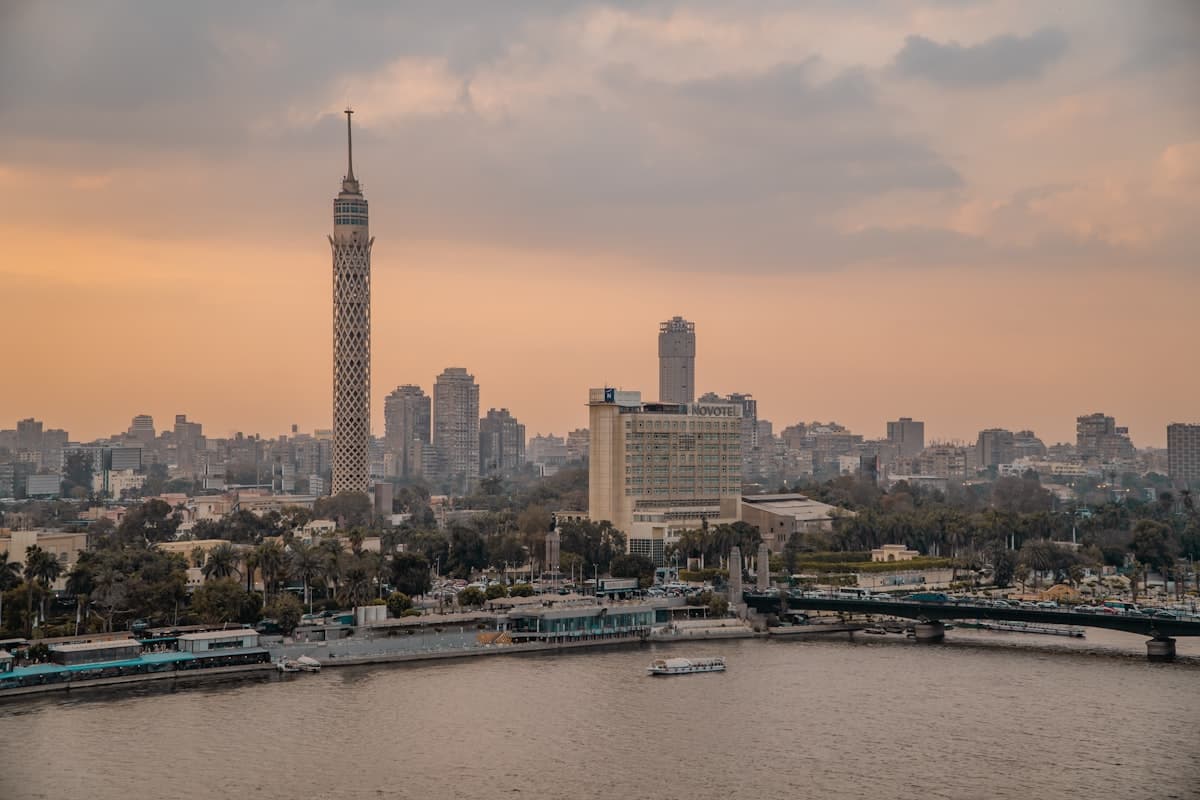
Egypt has been attracting visitors since before the concept of tourism existed. Herodotus arrived in the 5th century BC and wrote about the temples at Karnak as ancient ruins. The Romans built their own tourist infrastructure along the Nile: graffiti from Roman-era visitors is still readable on the walls of the Temple of Seti I at Abydos. The point is that the question of when to come has always been complicated by what you are actually trying to see and experience.
The ancient Egyptians organized their entire year around one climatic event: the Nile flood, which arrived reliably each July and receded by October, depositing the black silt that made Egyptian agriculture possible for three thousand years. Akhet, the flood season, was followed by Peret, the growing season from October to February, and then Shemu, the harvest season from March to June. The calendar we use to plan our holidays maps almost exactly onto the agricultural logic of a civilization that ended two thousand years ago. October to February is when Egypt was always most alive.
The High Dam at Aswan, completed in 1970, ended the annual flood. But it did not change the temperatures.
---
October to February: The Season Everyone Recommends, and Why They Are Right
November in Luxor feels like a specific gift. The light arrives at 6am at a low angle that turns the limestone cliffs above the Valley of the Kings from beige to amber to almost orange, and the temperature sits around 24°C by midday. You can walk between the tombs without wilting. The Valley has sixty-three tombs. The average tourist sees two. In November, you have enough physical stamina to see six or seven, which is where the experience actually changes from sightseeing to understanding.
December and January are the peak of the peak season, concentrated almost entirely in Luxor, Aswan, and Cairo. The Nile cruise boats reach capacity, and the temples at Karnak can hold more than four thousand tourists at once on a December morning. The light is cooler but the crowds are at their worst. If you are coming in December, book accommodation in Luxor and Aswan at least three months ahead, and be at the Valley of the Kings before 7am. The site opens at 6am and the first tour buses arrive at 9am. Those three hours are the closest you will get to having the place to yourself.
February is underrated. The crowds thin slightly from the January peak, the weather remains cool, and the desert wildflowers along the Fayoum depression bloom briefly after the minimal winter rains. In Cairo, February is genuinely cold enough at night to need a jacket, which surprises most visitors expecting perpetual heat.
One specific note on Alexandria: winter here means something genuinely different. The city gets 200 millimeters of rain annually, almost all of it between November and March. The Corniche in January is grey and sea-sprayed and smells of salt and diesel, and the Bibliotheca Alexandrina becomes less of a tourist site and more of what it actually is: a working intellectual institution, full of Egyptian students and academics. This version of Alexandria is more interesting than the summer version.
---
March to May: The Khamaseen Problem
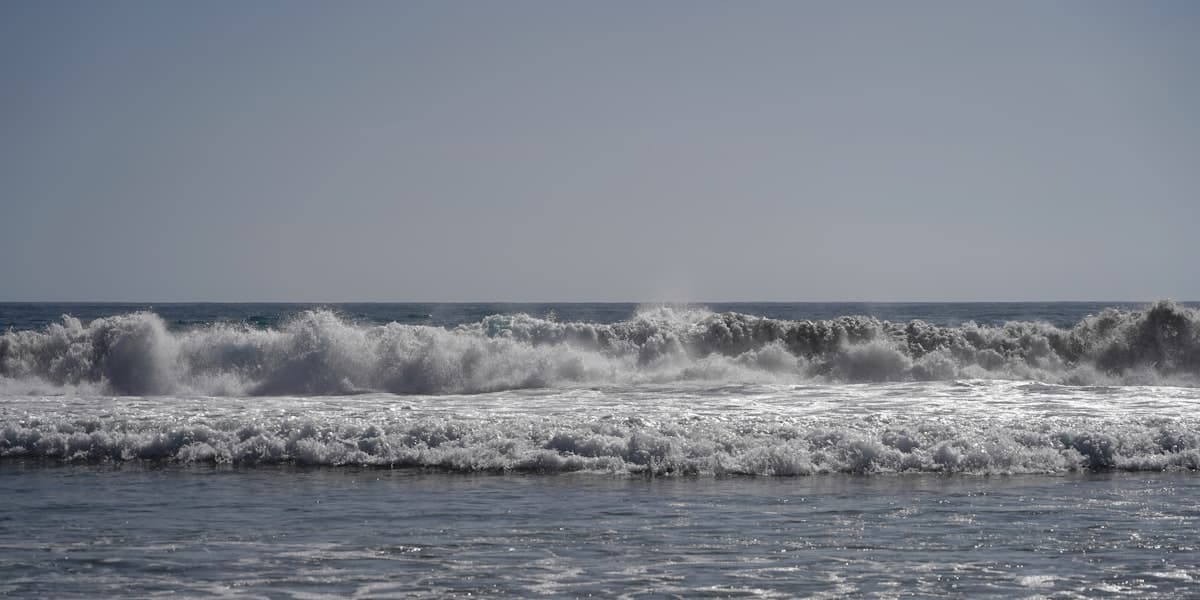
Spring in Egypt has one variable that most guides mention briefly and then forget: the khamaseen. These are hot, dry desert winds that blow north from the Sahara between March and May, carrying so much fine particulate matter that Cairo can drop to near-zero visibility within an hour. The word khamaseen comes from the Arabic for fifty, which is the approximate number of days these winds blow each season, though rarely consecutively.
The khamaseen does not ruin a trip, but it changes it. Photography at open-air sites becomes difficult when the sky turns orange-brown. The air in Cairo during a storm is genuinely unpleasant to breathe, and the dust settles into everything. Asthma sufferers should take this seriously.
March and April are otherwise excellent months to visit Upper Egypt, where the temperatures are warm rather than dangerous, hovering around 30 to 34°C. The Coptic Easter, which falls later than the Western Easter due to the Julian calendar used by the Egyptian Orthodox Church, brings a surge of domestic pilgrims to sites like the Monastery of Saint Anthony in the Eastern Desert and the Church of Abu Serga in Old Cairo, where the Holy Family is said to have sheltered. Visiting during Coptic Easter means encountering a religious tradition that predates Islam in Egypt by six centuries, and which has survived, continuously, since the 1st century AD.
April and May see temperatures climbing rapidly in Upper Egypt. Luxor hits 38°C in May. This is the beginning of the period where visiting becomes a question of logistics management rather than pleasure.
---
June to September: The Honest Assessment
Luxor in August is 45°C by midday. The stone in the Valley of the Kings radiates heat back at you from below while the sun works on you from above. Several visitors require medical attention each summer from heat exhaustion, and the Egyptian tourism authority has installed shade shelters and water stations in the Valley precisely because of this.
This is the contrarian section: the summer is not secretly wonderful and underrated. It is genuinely difficult in Upper Egypt, and the savings on flights and hotels do not compensate for the physical reality. Budget travelers who come in July to save money and plan to see Luxor and Aswan often find themselves spending those savings on bottled water, early checkout fees when they cannot sleep in unairconditioned guesthouses, and abbreviated site visits because they simply cannot tolerate the heat past 9am.
The one honest exception is the Mediterranean coast. Alexandria and Marsa Matruh become the destinations for Cairo's entire middle and upper class in July and August. The beaches are crowded in the way that Italian beaches are crowded, which is to say fully and unapologetically. If you want to understand how Egyptians actually vacation, this is when and where it happens. The sea temperature in August reaches 28°C, the watermelon is perfect, and the seafood along the Corniche in Alexandria is as good as it gets.
Cairo in summer is survivable. The city does not close. The Egyptian Museum is air-conditioned. The mosques of Islamic Cairo are stone, and stone stays cool. A summer trip that concentrates on Cairo, the Fayoum, and Alexandria, and avoids Luxor and Aswan entirely, is a legitimate choice. Just know what you are choosing.
---
Ramadan: The Variable Nobody Explains Properly
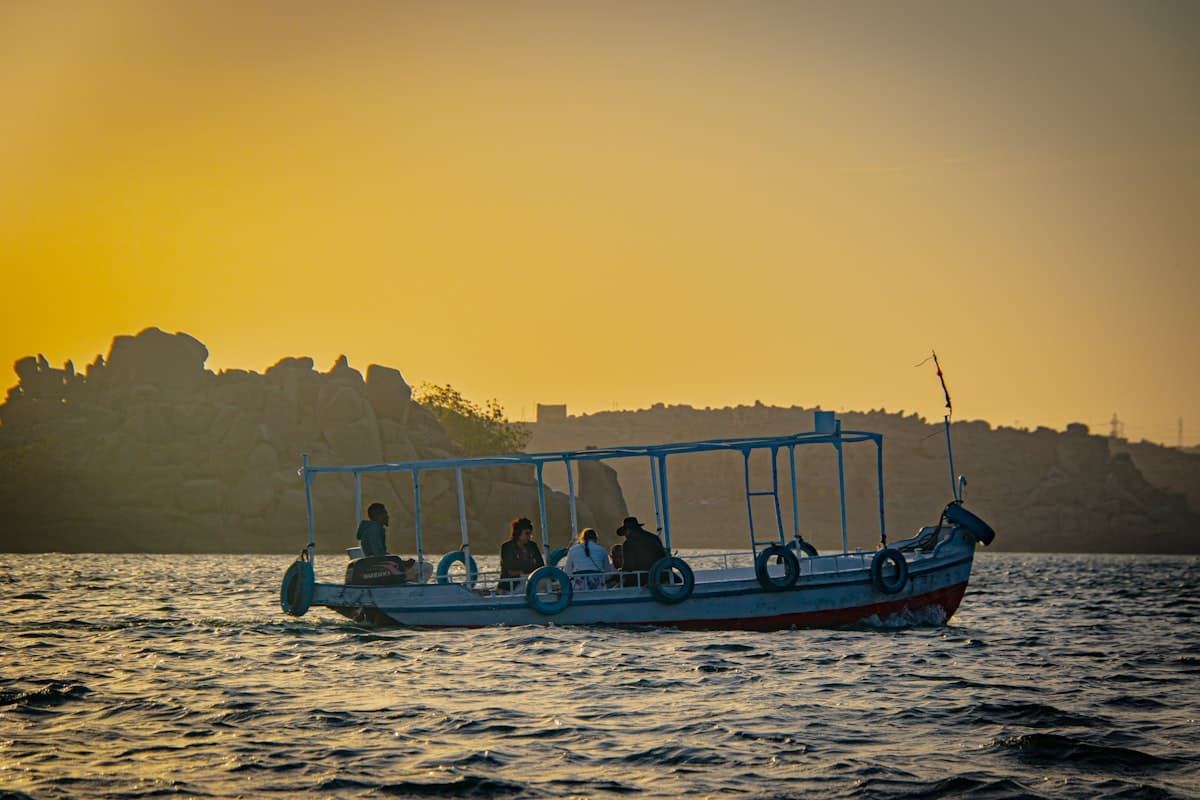
Ramadan moves eleven days earlier in the Gregorian calendar each year, which means its relationship to the best time to visit Egypt is not fixed. When it falls in winter, it overlaps with peak tourist season and creates a genuine tension between the tourist economy and the religious life of the country.
Here is what actually changes during Ramadan. Restaurants catering to Egyptians close during daylight hours. Tourist restaurants usually stay open but may feel uncomfortable to eat in visibly. Government-run archaeological sites maintain their published hours. Privately run shops and services operate on entirely unpredictable schedules. The cities transform after sunset: the Iftar meal breaks the fast with a communal intensity that is one of the most specific cultural experiences available anywhere in the world, and Khan el-Khalili market in Cairo runs until 2am surrounded by lanterns and smoke from grills and the smell of atar, the Ramadan perfume blend sold in the spice shops of the bazaar.
Non-Muslim visitors are welcome everywhere during Ramadan, but the experience requires cultural patience. The country is operating on a different internal clock. The reward for adapting to that clock is access to the most distinctly Egyptian version of Egypt. The penalty for refusing to adapt is frustration.
---
The Connections
The reason October to April works so well as the best time to visit Egypt is not coincidental. The Nile flood historically ended in October, and the agricultural season that followed it was when ancient Egypt held its major festivals, including the Opet Festival at Karnak, when the statue of Amun was carried in procession from Karnak to Luxor Temple. The Islamic festivals tied to the lunar calendar move through the year, but the Coptic calendar, which is a direct descendant of the ancient Egyptian civil calendar, still marks the seasons according to the same agricultural logic. Nayrouz, the Coptic New Year, falls on September 11 in the Gregorian calendar and marks the ancient beginning of the flood season. The calendar you are using to book flights has shallower roots than the one the temples were built around.
---
Common Mistakes
Treating Egypt as a single climate zone. Cairo in January and Aswan in January are twelve degrees apart. Build an itinerary that moves from north to south as temperatures rise in spring, not one that jumps between them.
Booking Nile cruises in peak season without reading the boat specifications. A December Nile cruise on a boat with no insulation and thin windows is cold at night. Vessels vary enormously in quality. Ask specifically about heating before booking a winter cruise.
The sound and light show at Karnak. It costs EGP 350 and runs for an hour in a plastic chair while a narrator explains things you will read in any good guidebook. The theatrical lighting is less effective than the actual Karnak at dawn. Skip it.
Arriving in Luxor in the afternoon during peak season. The Valley of the Kings requires morning energy. Flying into Luxor the evening before and starting the Valley at 6am is not a luxury choice; it is the logical one.
Ignoring the Coptic calendar. If you are visiting Cairo or the Eastern Desert, knowing when Coptic feast days fall transforms ordinary site visits into living religious events. The calendar is freely available online. Check it.
Underestimating Ramadan logistics in advance. Transport works differently, restaurants operate differently, government offices run shortened hours. If your trip overlaps with Ramadan, plan two additional buffer hours into every logistical task.
Overscheduling Upper Egypt in summer to save money. The math does not work. A two-week July trip to Luxor and Aswan costs less than a November trip in flights and hotels, but the heat limits effective site-visiting time to roughly three hours a day. You are paying less to see less. November is worth the premium.
---
Practical Tips
For the best balance of weather, crowds, and cost, November and March are the two weeks that experienced Egypt travelers protect fiercely. Not December, which is peak pricing and maximum crowds. November is the month when the light in Luxor is at its most specific and the crowds have not yet fully arrived.
Book internal flights between Cairo and Luxor or Aswan early. EgyptAir and Nile Air both operate the route. A Cairo to Luxor flight runs EGP 1,200 to 2,500 depending on season and advance purchase, roughly $25 to $50 USD. The train is slower but genuinely useful: the overnight sleeper from Cairo to Luxor takes approximately ten hours and costs around $60 USD for a private cabin. It arrives at 5am, which puts you at the Valley of the Kings at opening time.
For accommodation, staying on the West Bank in Luxor rather than the East Bank places you within cycling distance of the Valley of the Kings and cuts morning commute time significantly. A bicycle rental in Luxor costs EGP 50 to 80 per day and is the single best transport decision for the West Bank sites.
Sunscreen rated SPF 50 is available in Egyptian pharmacies at reasonable prices. Bring a hat with a full brim rather than a cap. The back of the neck is where heat exhaustion starts. Carry a reusable water bottle and refill it; plastic bottle waste at Egypt's archaeological sites is a genuine environmental problem and single-use plastic is increasingly restricted at major sites.
If your dates are flexible, aim for the second or third week of November. You will find the best time to visit Egypt not in the abstract but in that specific morning light, with the temperature at exactly the level where you can stay outside all day, and just enough other visitors to confirm you are in the right place.
Frequently Asked Questions
The Weekly Dispatch
More on Egypt, every Friday.
Cultural depth and places most guides never mention.
No spam. Unsubscribe anytime.